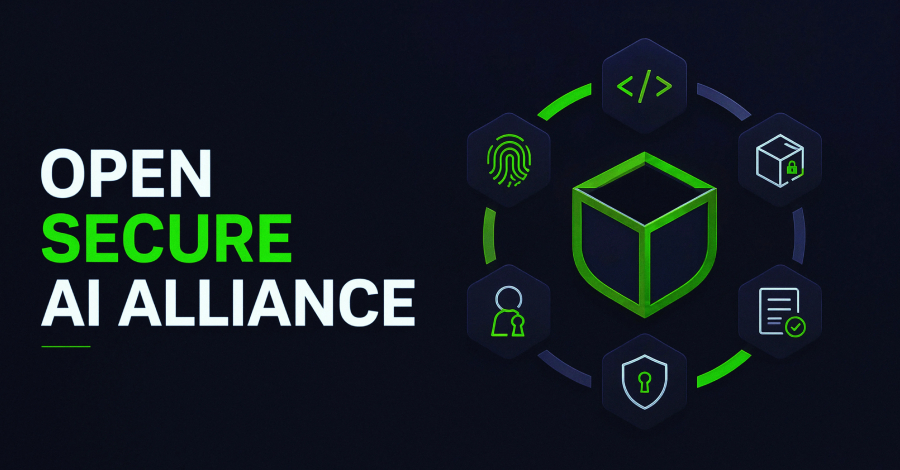
The week-old Open Secure AI Alliance (OSAA), an industry group spearheaded by Nvidia that has already grown to over 120 companies, has developed a cutely named working group, the Shared AI Findings Exchange, or SAFE. The group is already presenting proposals for open comment, and The Linux Foundation, a member of the group, is managing the proposals.
The group developed them while members gathered at the nexus of the cybersecurity world, the Black Hat conference, taking place this week in Las Vegas.
The guidelines are nothing terribly earth shattering for now. The proposals cover areas like how to confidentially report AI cybersecurity incidents, alert those affected, and then do blame-free analysis so all can learn from them.
At the same time, members of the OSAA are also contributing and cataloging bits and pieces of their open source technology that might be useful. This may, as these types of industry organizations go, eventually coalesce into an open source means for an enterprise to secure their AI agents, or defend against rogue AI attackers, such as the OpenAI model that infiltrated Hugging Face. (Hugging Face is also a member of this group.)
For instance, Nvidia has noted that it offers an entire family of open models, as well as an open source LLM vulnerability scanner called Garak; Okta is working on agent identity tech; Red Hat is working on agent governance; Amazon has contributed both an open agent building tool, Strands Agents, and an authorization language Cedar. And there are many more examples.