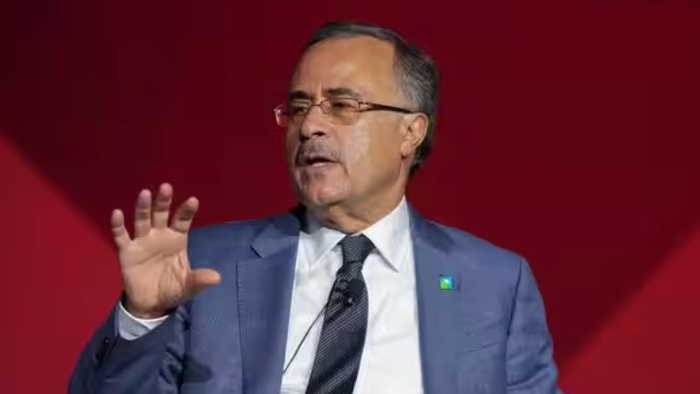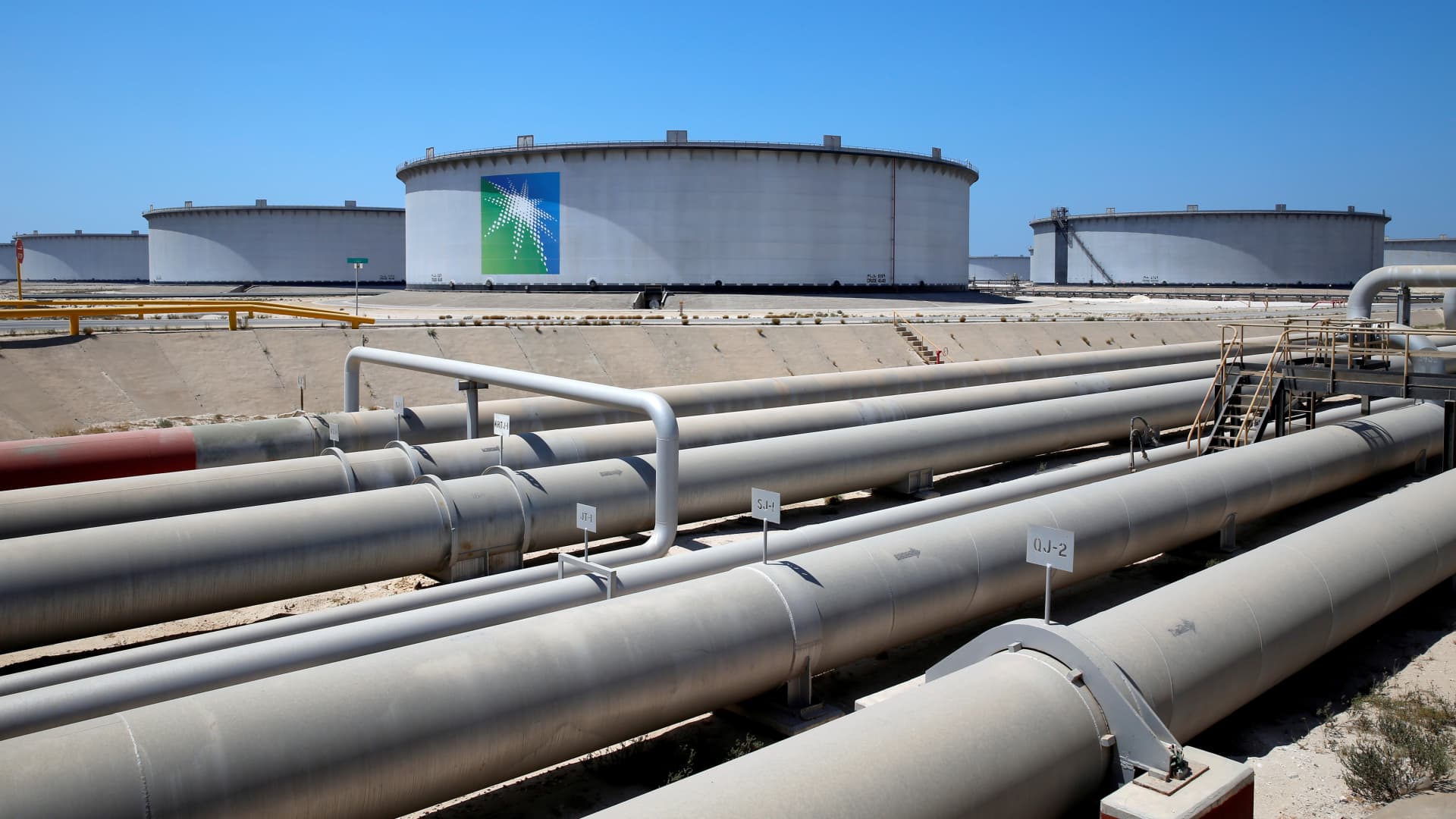
Skip to Content News Archives Economy Energy Oil & Gas Renewables Electric Vehicles Mining Commodities Agriculture Real Estate Mortgages Mortgage Rates Finance Banking Insurance Fintech Cryptocurrency Work Wealth Smart Money Wealth Management Investor Personal Finance Family Finance Retirement Taxes High Net Worth FP Comment Executive Women Puzzmo Newsletters Financial Times Business Essentials More Innovation Information Technology FP500 Podcasts Small Business Lives Told Tails Told Shopping Financial Post Store Obituaries Place a Notice Advertising Advertising With Us Advertising Solutions Postmedia Ad Manager Sponsorship Requests Classifieds Place a Classifieds ad Working Profile Settings My Subscriptions Saved Articles My Offers Newsletters Customer Service FAQ News Economy Energy Mining Real Estate Finance Work Wealth Investor FP Comment Executive Women Puzzmo Newsletters Financial Times Business Essentials HomeOil & GasAramco wants to lift oil export capacity after war snarls flowsThe need for oil to replenish depleted stockpiles and to fill new ones is likely to support demand into next yearAuthor of the article:Last updated 3 hours ago You can save this article by registering for free here. Or sign-in if you have an account.Aramco said the oil market upheaval caused by the conflict is likely to spur the development of extra storage capacity around the world. Photo by Simon Dawson/BloombergSaudi Aramco said it’s looking at options to expand its oil export capacity as the Iran war disrupts flows through the Strait of Hormuz and Houthi rebels threaten shipments in the Red Sea.Subscribe now to read the latest news in your city and across Canada.Exclusive articles from Barbara Shecter, Joe O'Connor, Gabriel Friedman, and others.Daily content from Financial Times, the world's leading global business publication.Unlimited online access to read articles from Financial Post, National Post and 15 news sites across Canada with one account.National Post ePaper, an electronic replica of the print edition to view on any device, share and comment on.Daily puzzles, including the New York Times Crossword.Subscribe now to read the latest news in your city and across Canada.Exclusive articles from Barbara Shecter, Joe O'Connor, Gabriel Friedman and others.Daily content from Financial Times, the world's leading global business publication.Unlimited online access to read articles from Financial Post, National Post and 15 news sites across Canada with one account.National Post ePaper, an electronic replica of the print edition to view on any device, share and comment on.Daily puzzles, including the New York Times Crossword.Create an account or sign in to continue with your reading experience.Access articles from across Canada with one account.Share your thoughts and join the conversation in the comments.Enjoy additional articles per month.Get email updates from your favourite authors.Create an account or sign in to continue with your reading experience.Access articles from across Canada with one accountShare your thoughts and join the conversation in the commentsEnjoy additional articles per monthGet email updates from your favourite authorsSign In or Create an AccountorSince the Iran war started, Hormuz disruptions have forced Aramco to divert much of its export volume to Saudi Arabia’s western port of Yanbu. Chief executive Amin Nasser said the company is looking at ways to expand its capacity, including potentially increasing the size of the east-west pipeline that’s proved a vital lifeline to both the kingdom and the oil market during the war.“In terms of exporting our crude, we are looking at actively increasing optionality right now,” Nasser said on a call on Tuesday. “This is currently under execution.”Get the latest headlines, breaking news and columns.By signing up you consent to receive the above newsletter from Postmedia Network Inc.A welcome email is on its way. If you don't see it, please check your junk folder.The next issue of Top Stories will soon be in your inbox.We encountered an issue signing you up. Please try againNasser’s comments come after the Saudi energy giant said that attacks last month didn’t have a material impact on its operations. While the CEO said threats from Yemen’s Houthi militant group to blockade Saudi shipments in the Red Sea haven’t dented export volumes, the kingdom is working on contingency plans to keep its oil flowing.“Our engineering team is looking at how can we not only expand what we have, but at the same time identifying other routes that we can capitalize on,” Nasser said, without giving further details of the options under consideration.Exports to Asia via the Suez Canal and the Cape of Good Hope around Africa take 20 to 25 days longer than usual voyage times, he added.During the second quarter, Aramco’s liquids production fell 28 per cent to 7.57 million barrels a day from a year earlier. Saudi Arabia’s observed crude oil exports edged lower in July, according to tanker-tracking data compiled by Bloomberg.Aramco acknowledged the July attacks on key infrastructure for the first time. Yemen’s Houthi rebels said they targeted Saudi oil facilities, while the kingdom also intercepted drones from Iraq, leaving traders on edge as they pored over images of what appeared to be tank fires and flaring at various sites across the kingdom.“Certain facilities of the company were targeted and the impact was not material operationally or financially,” the CEO said. “The same thing applies for July. No material impact on our capabilities, even with the July attacks.”Aramco didn’t didn’t provide specifics on which facilities suffered damage or were still being repaired. The company defers on security issues to the Saudi government, which reported the attacks last month.While Nasser acknowledged there had been some interruption to operations, he said the company’s full production capacity of 12 million barrels a day remained available. Aramco could ramp up to that level within three weeks if requested by the government, he added.Aramco said the oil market upheaval caused by the conflict is likely to spur the development of extra storage capacity around the world. The need for oil to replenish depleted stockpiles and to fill new ones is likely to support demand into next year, the CEO said.“Everybody we’re talking to now is looking at building additional storage facilities to cater for similar disruptions in the long-term,” Nasser said.Aramco earlier reported a 33 per cent increase in second-quarter profit to US$33.4 billion as it benefited from a war-driven surge in oil prices. That exceeded the combined earnings of ExxonMobil Holdings Corp. and Chevron Corp.—With assistance from Julian Lee. Join the Conversation This website uses cookies to personalize your content (including ads), and allows us to analyze our traffic. Read more about cookies here. By continuing to use our site, you agree to our Terms of Use and Privacy Policy.
Aramco wants to lift oil export capacity after war snarls flows
Aramco said it’s looking at options to expand its oil export capacity as the Iran war disrupts flows through the Strait of Hormuz. Read on
1,072 words~5 min read