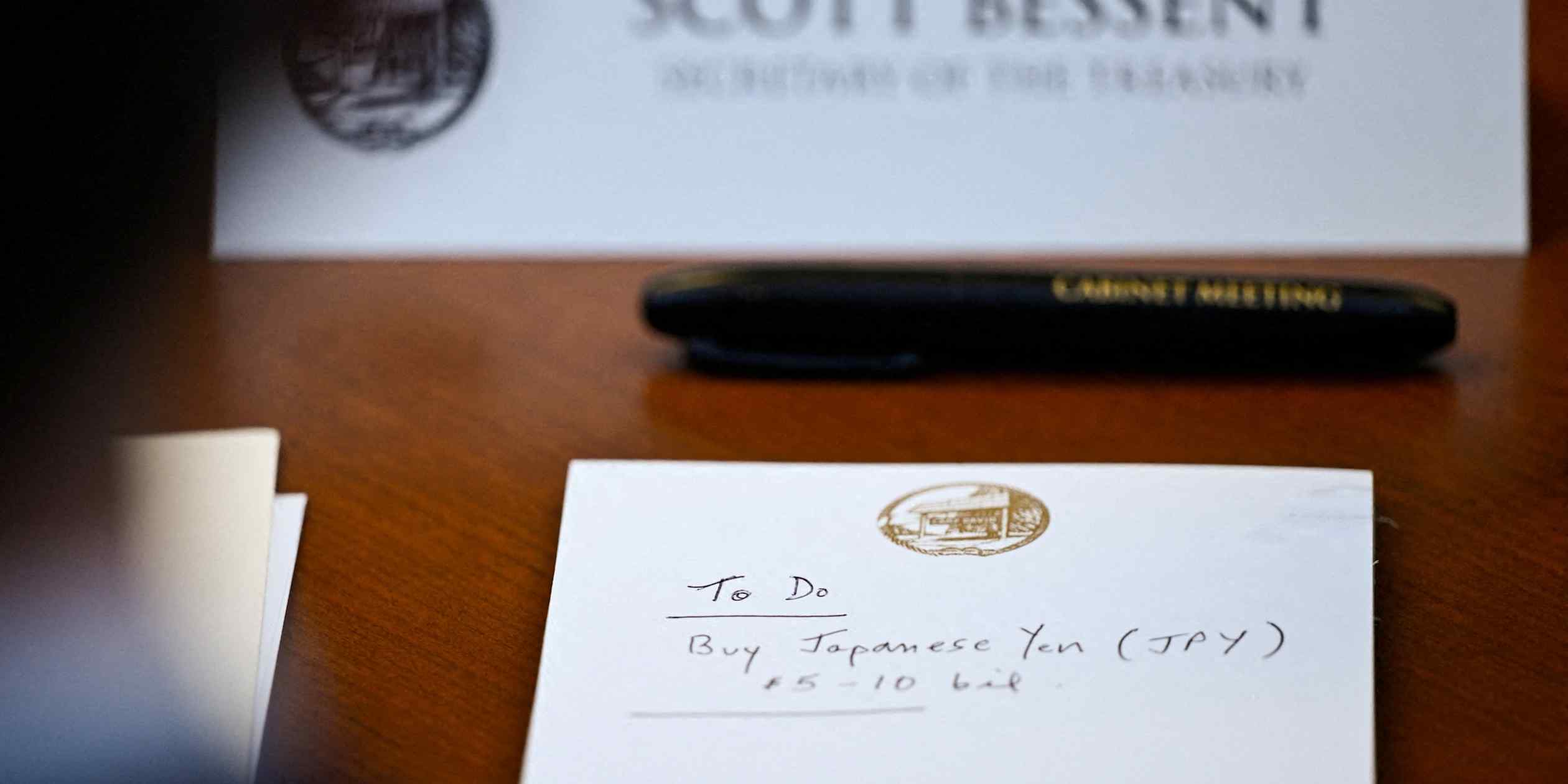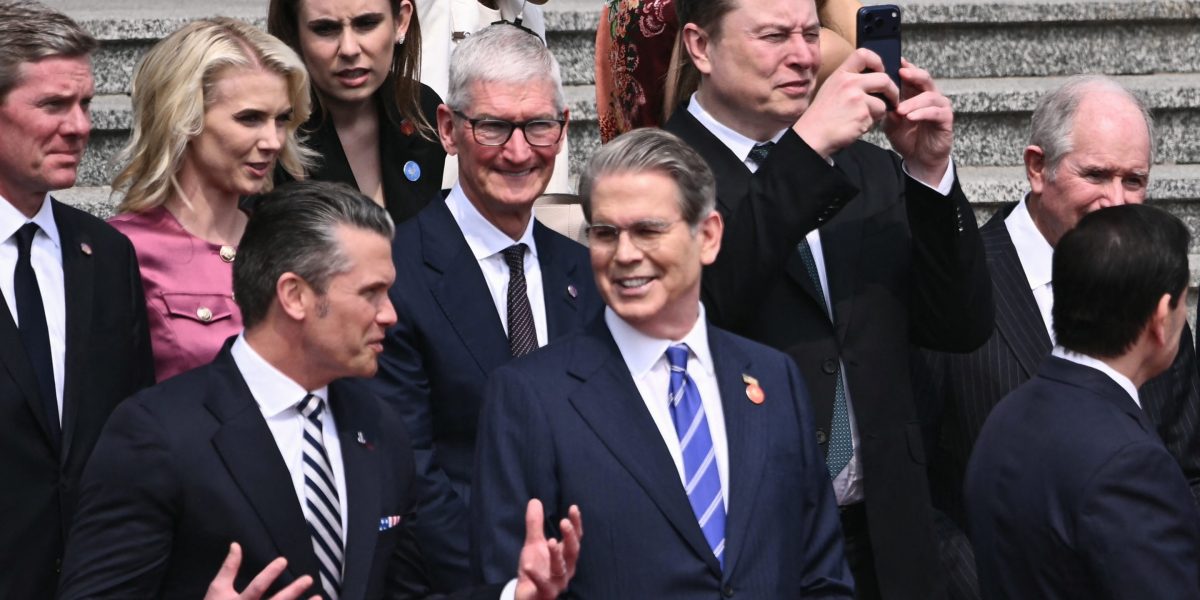
Scott Bessent was in his early 30s, working at Soros Fund Management, when the Asian financial crisis tore through currency markets in 1997 and 1998—a crisis he said was triggered, in part, by an overly weak yen. He was in his late 20s, working under George Soros and Stanley Druckenmiller, when they shorted the British pound and “broke the Bank of England” just a few years earlier.
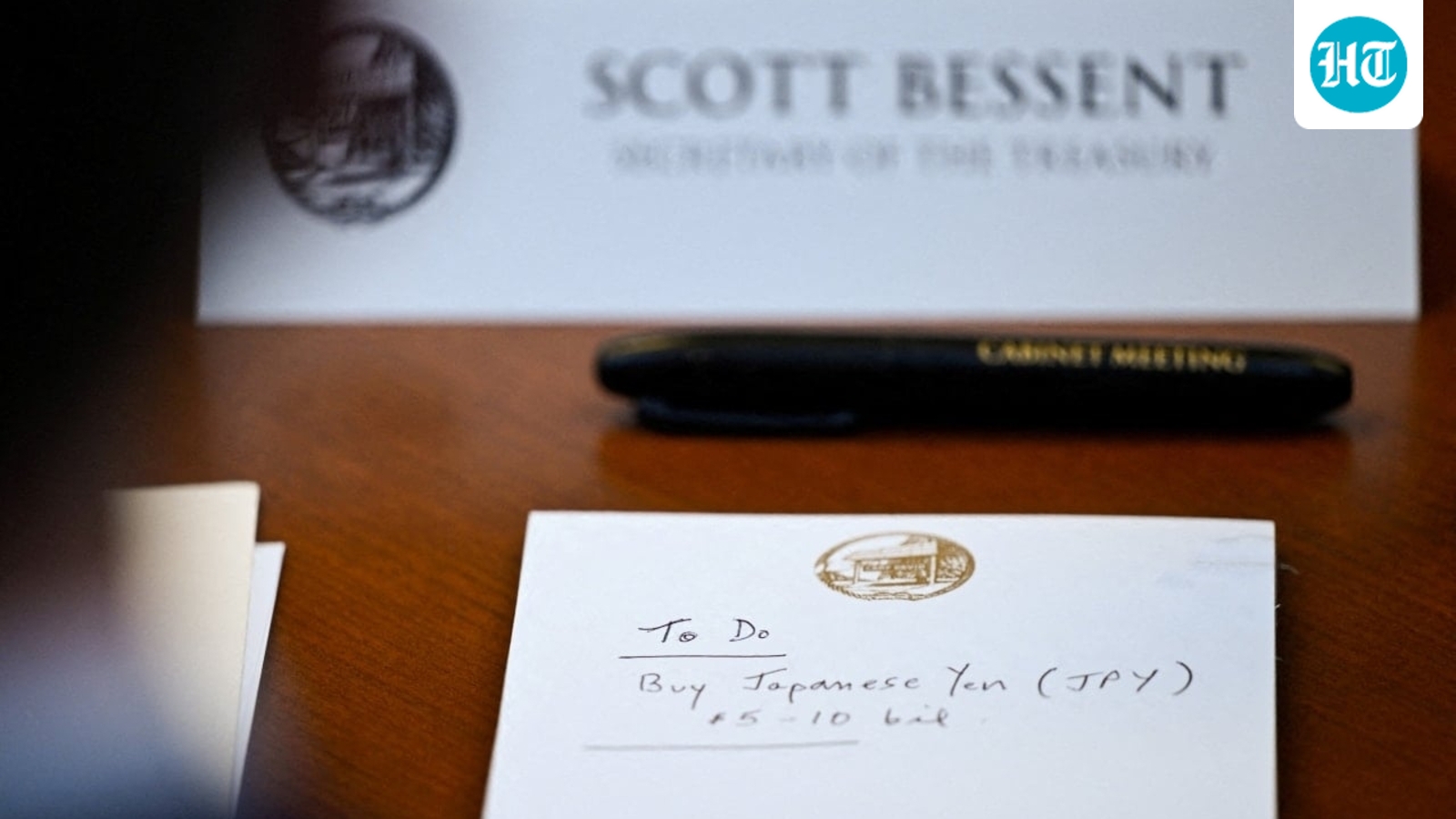
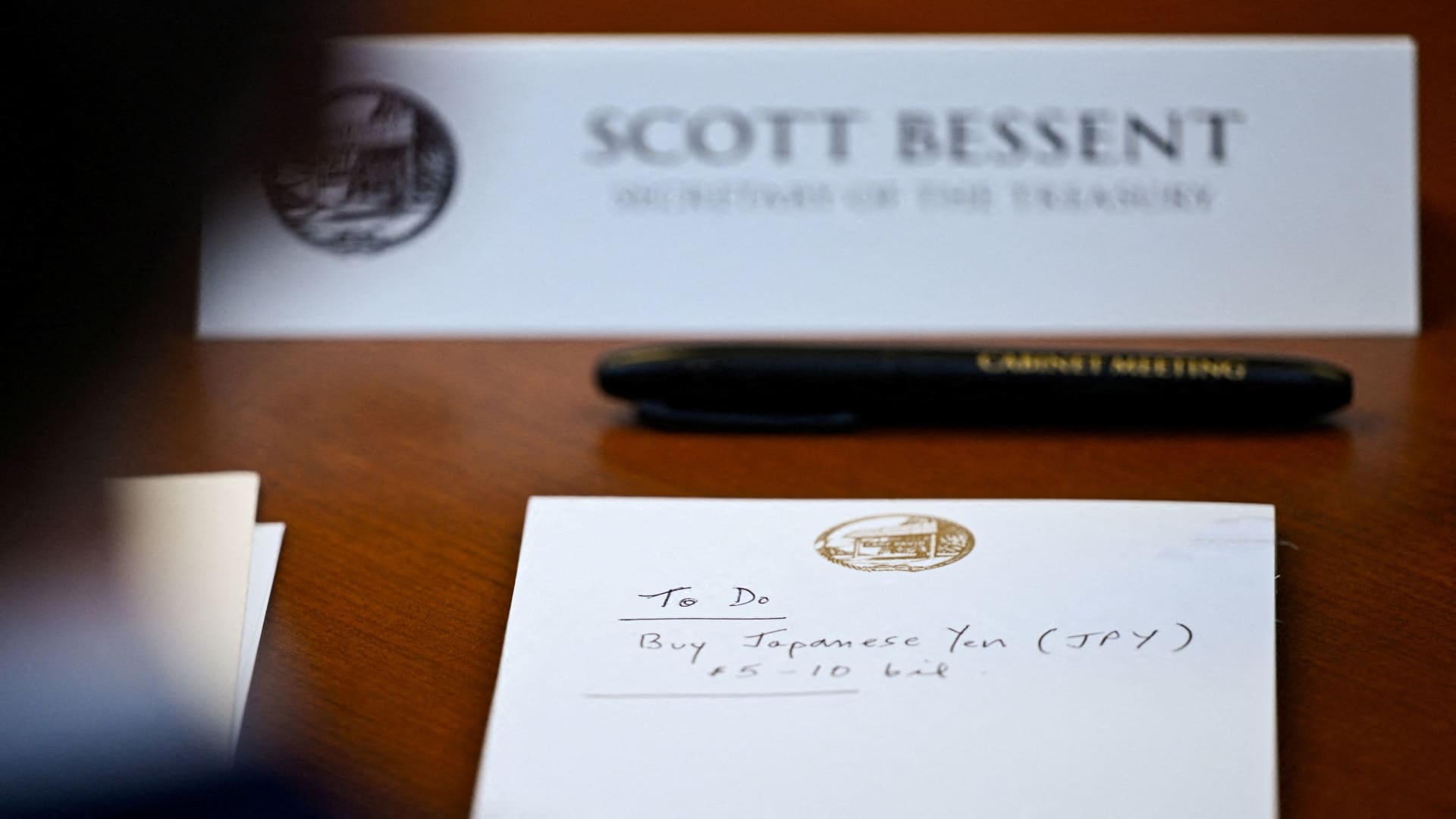
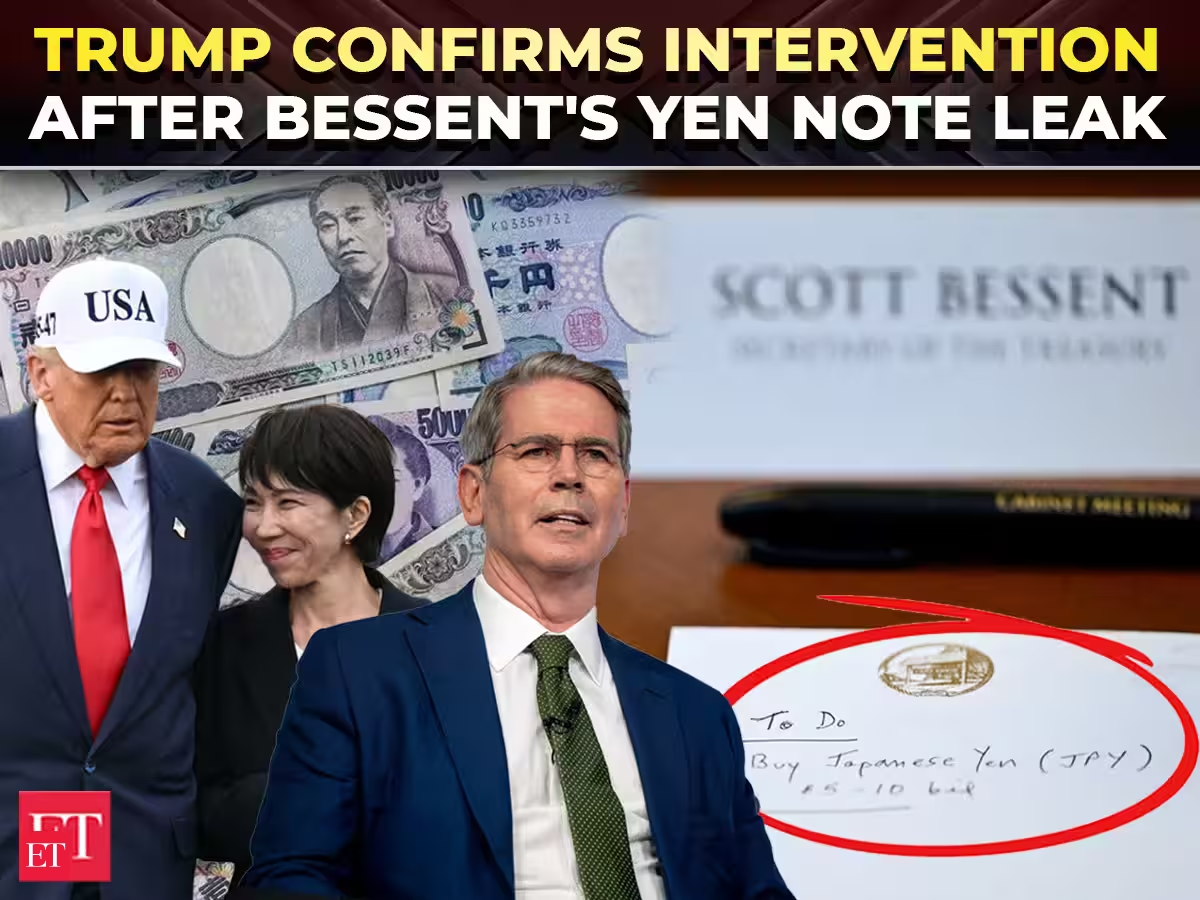
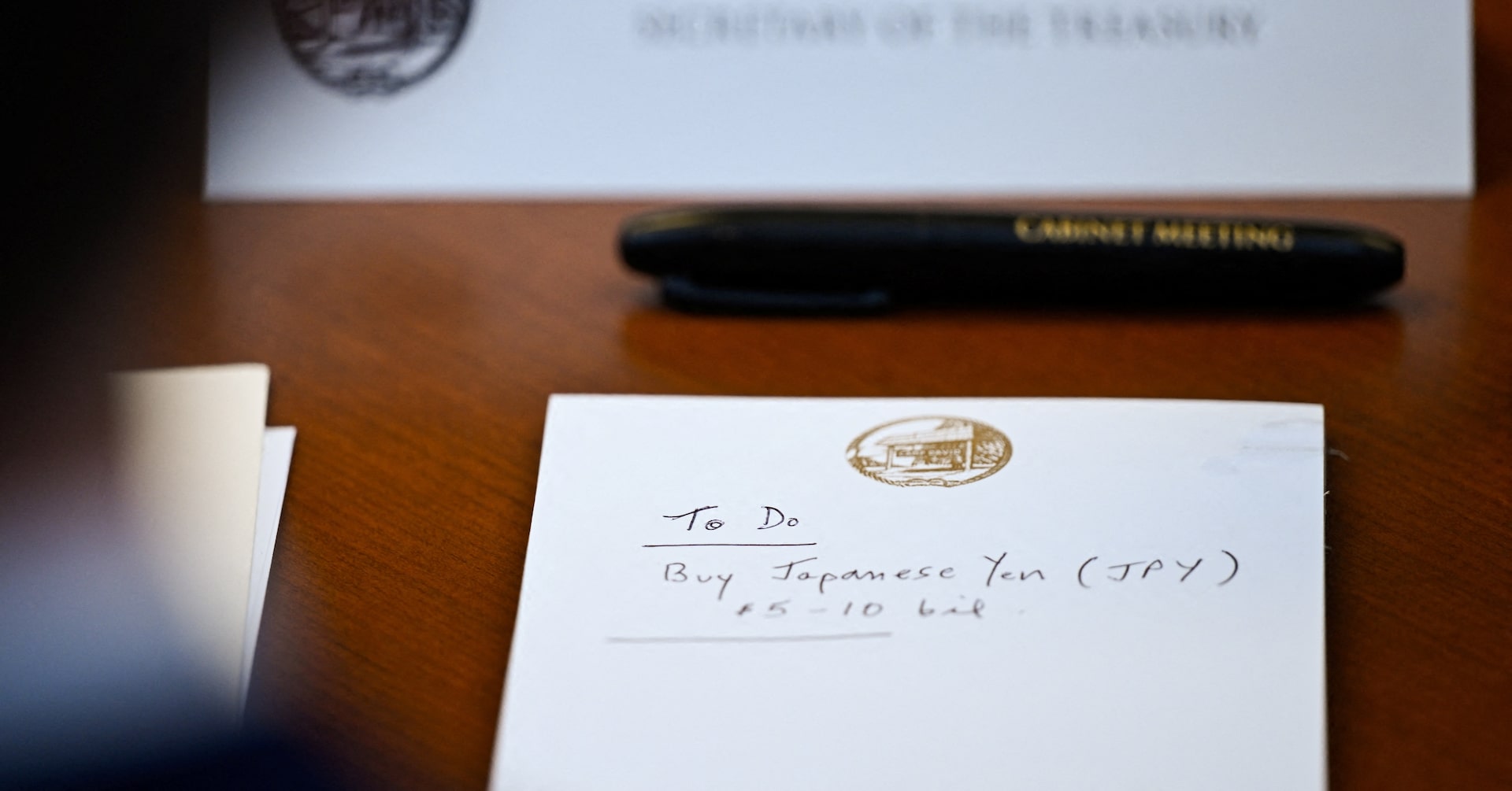
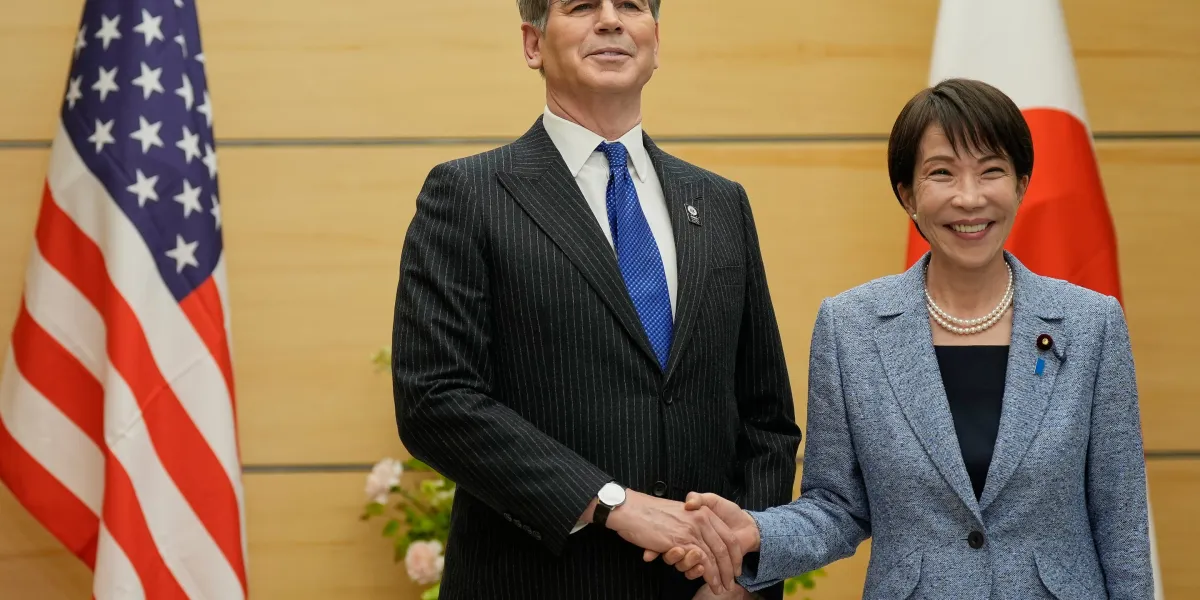
Nearly three decades later, sitting in the Treasury Secretary’s chair, the former hedge fund manager is watching the Japanese yen wobble again, and this time it’s his job to stop it rather than trade off it. It may be why he surprised the market with such a quick and bold move — the U.S. government’s first joint currency intervention with Japan since 2011 that helped the yen rise on Monday.
“The fact that he clearly understands the yen in a way most Treasury Secretaries or Fed chairmen would not definitely is part of the reason why you saw the reaction you did,” said RSM’s chief economist Joe Brusuelas, who has analyzed U.S. monetary policy and international finance for two decades. “At least for now,” Brusuelas told Fortune, “investors are willing to cut him some slack when he takes risks that other Treasury Secretaries over the past two generations wouldn’t.”