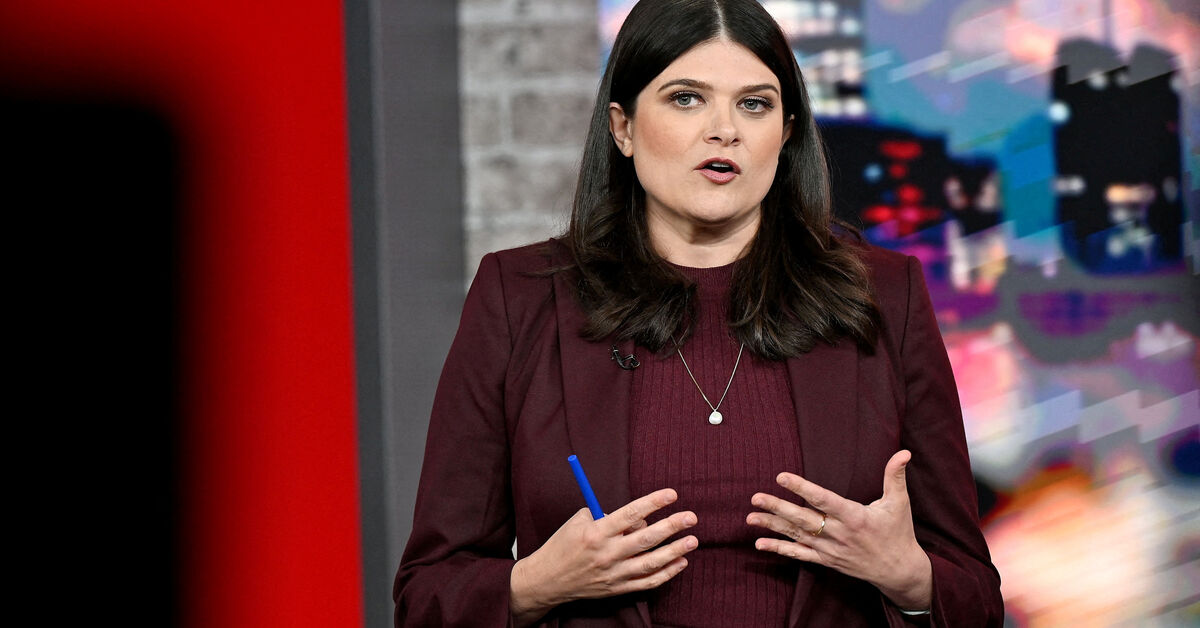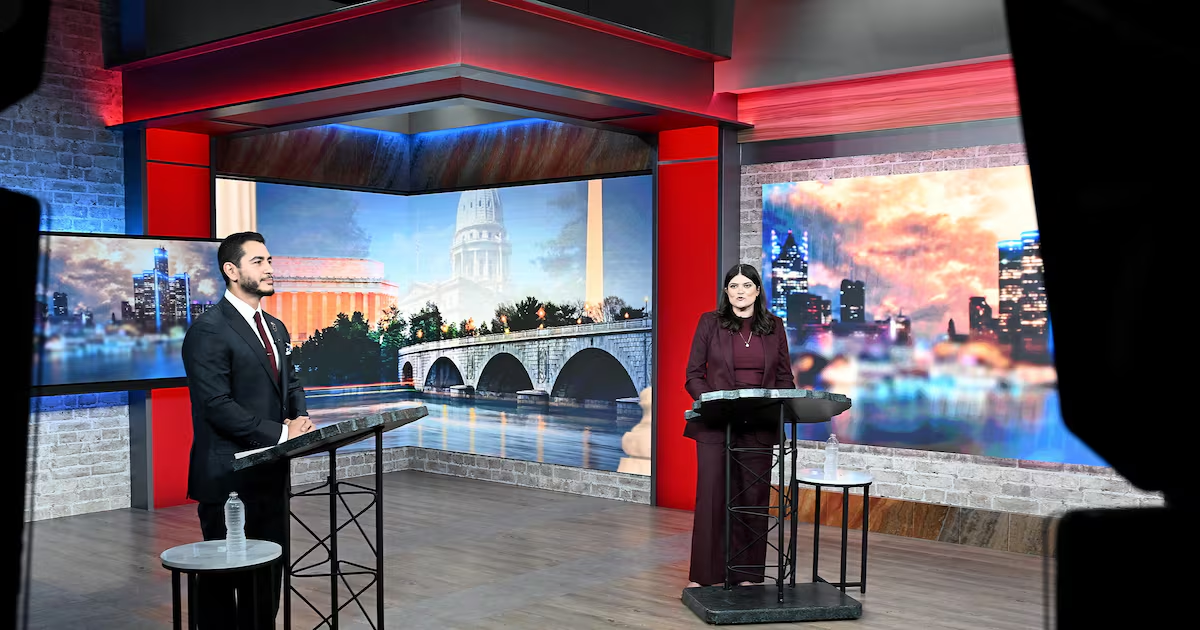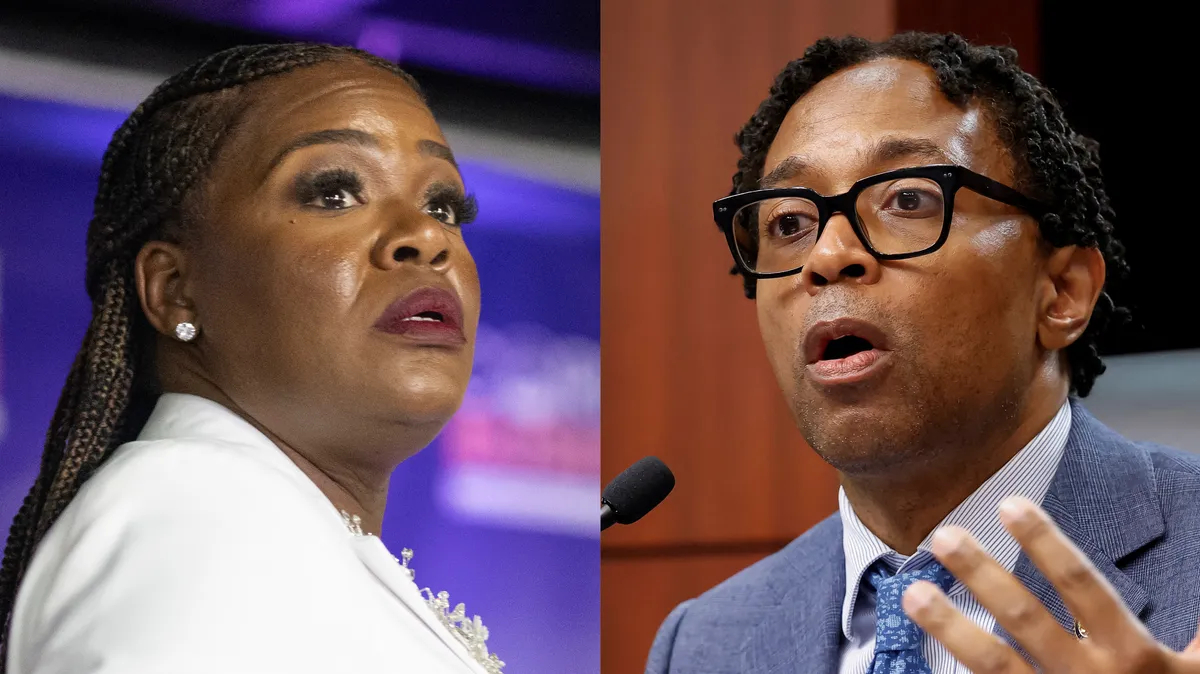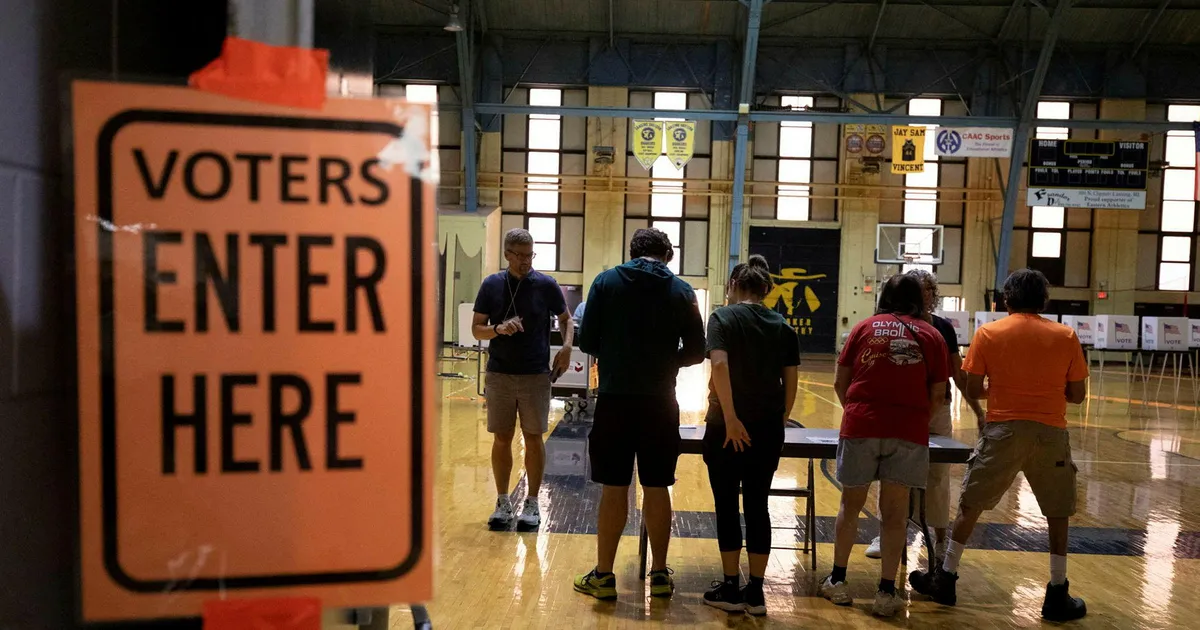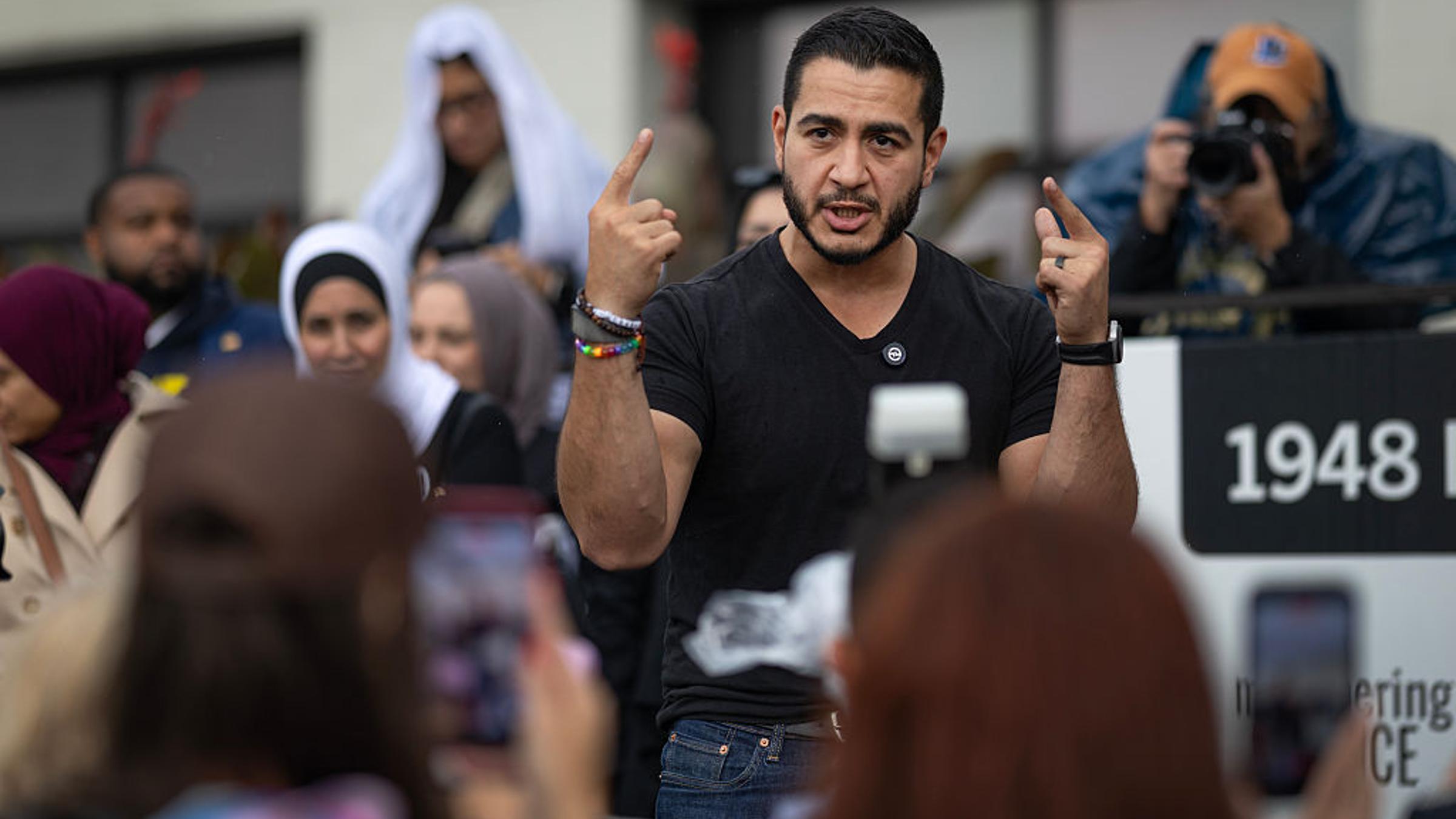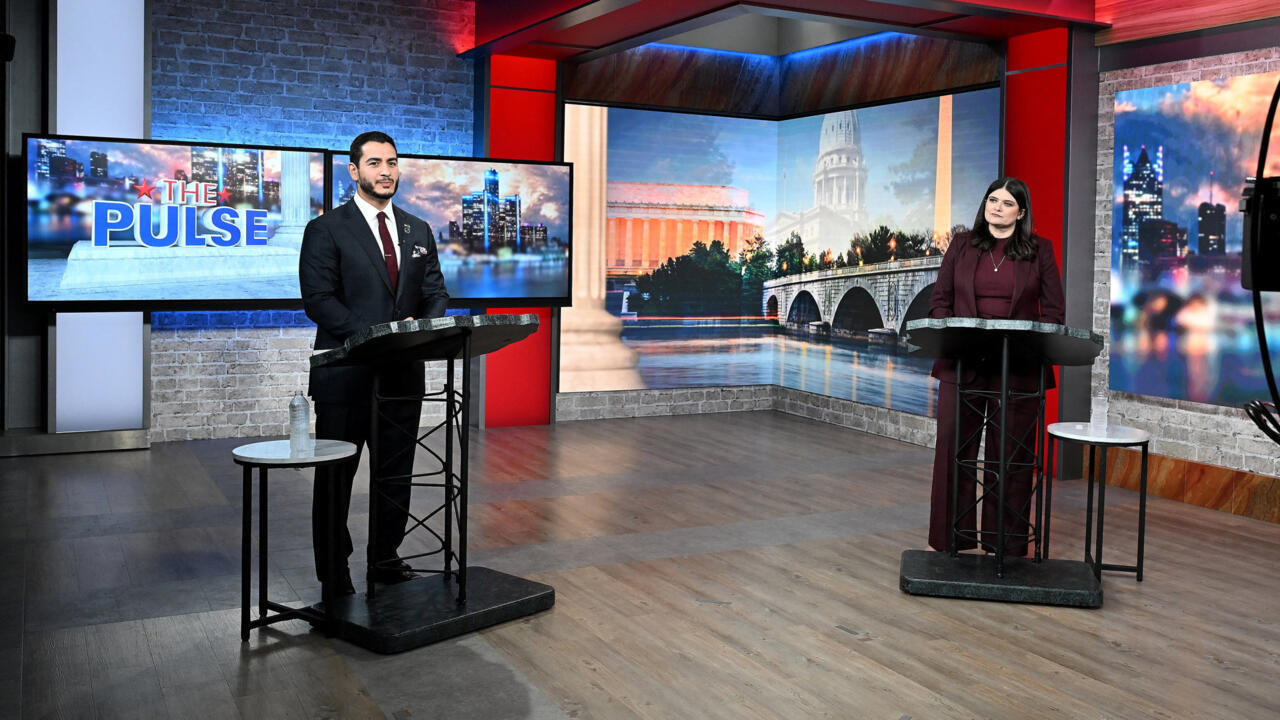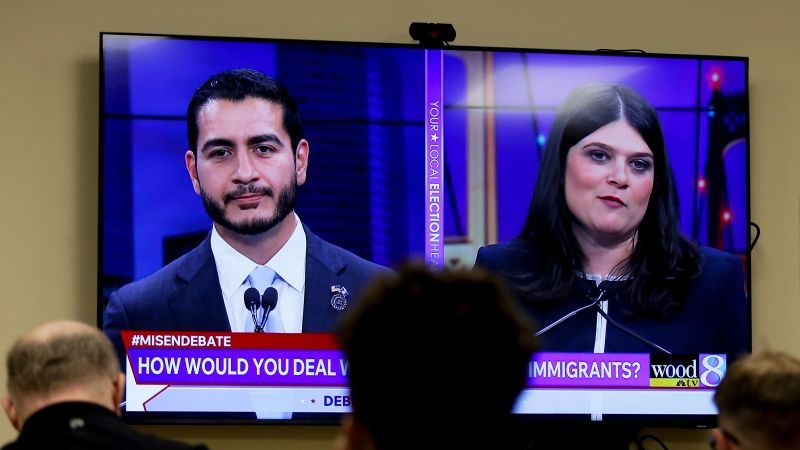
ByIDAN KWELLERAUGUST 4, 2026 21:39In Michigan, Abdul El-Sayed is campaigning to end unconditional US military aid to Israel as he faces Rep. Haley Stevens, backed by the Democratic establishment and pro-Israel groups. In Missouri, former Rep. Cori Bush is seeking a political comeback against Rep. Wesley Bell, who unseated her two years ago with significant support from AIPAC. The results could offer an early indication of whether criticism of Israel has evolved from a progressive cause into a broader electoral force within the Democratic Party.Democratic voters in Michigan and Missouri head to the polls on Tuesday in two primary contests that, while local in nature, could have implications far beyond state borders. From an Israeli perspective, both races center on the same fundamental question: Has criticism of Israel, opposition to continued US military assistance, and alignment with the Democratic Party’s progressive wing become a political asset, or does the party’s traditional pro-Israel establishment still hold the upper hand?The highest-profile contest is taking place in Michigan, where Abdul El-Sayed and Rep. Haley Stevens are competing for the Democratic nomination for the US Senate. Michigan remains a key battleground state, one that President Donald Trump narrowly carried in 2024. The Democratic nominee will face Republican Mike Rogers in November, making the race critical for Democrats’ hopes of regaining control of the Senate.El-Sayed, a leading progressive endorsed by Sen. Bernie Sanders and Rep. Alexandria Ocasio-Cortez, has called for ending unconditional US military aid to Israel and has accused Israel of committing genocide in Gaza. He has also linked US support for Israel to domestic economic concerns, arguing that taxpayer money should be directed toward healthcare, education, and infrastructure instead of financing the war in Gaza. In an interview with Reuters, he described Israel and Gaza as a “cost-of-living issue” for American voters.From an Israeli perspective, an El-Sayed victory would carry significance well beyond Michigan. It would elevate to the national stage a Democratic Senate candidate openly challenging the traditional bipartisan consensus on military assistance to Israel while signaling to other Democratic politicians that a tougher stance toward Jerusalem can be politically successful in a major swing state, not only in heavily progressive districts. El-Sayed has also declined to explicitly recognize Israel as the nation-state of the Jewish people.US Senate candidate Abdul El-Sayed speaks in Detroit as part of a ‘Fighting Oligarchy’ campaign, May 3, 2026. (credit: Jim West/UCG/Universal Images Group via Getty Images)His opponent, Haley Stevens, represents a more moderate wing of the Democratic Party.Backed by Michigan Gov. Gretchen Whitmer, Senate Democratic Leader Chuck Schumer, and major pro-Israel organizations, Stevens has benefited from an estimated more than $30 million in outside spending from groups affiliated with AIPAC, highlighting the strategic importance the pro-Israel camp places on the race.Stevens has maintained that no outside organization dictates her positions and that she represents the interests of Michigan voters. At the same time, she has made clear that her support for Israel is not unconditional. During a July debate, she argued that Prime Minister Benjamin Netanyahu’s policies had neither advanced peace nor strengthened security for Jewish communities in the United States and abroad.For that reason, the Michigan race is not a straightforward contest between a “pro-Israel” and an “anti-Israel” candidate. Stevens supports the US-Israel strategic alliance while remaining willing to criticize the Israeli government. El-Sayed represents a broader ideological shift: challenging military assistance to Israel, questioning long-standing Democratic foreign policy assumptions, and arguing that support for Israel should no longer be treated as a default position within the party.Polling underscores why the race has attracted so much attention. According to a Reuters/Ipsos survey, favorable views of Israel among Democrats declined from 59% in 2018 to just 22% in May 2026. Michigan is also home to one of the largest Arab American communities in the United States, many of whom have strongly opposed Israeli policy since the outbreak of the war in Gaza.A similar, though far more personal, contest is unfolding in Missouri. Former Representative Cori Bush, a member of the progressive “Squad,” is attempting a political comeback against Representative Wesley Bell, who defeated her in the 2024 Democratic primary.Bush emerged as one of Israel’s fiercest critics in Congress following the October 7 Hamas massacre and the subsequent war in Gaza. During the 2024 campaign, AIPAC and allied organizations spent millions of dollars supporting Bell. This year, according to public estimates, pro-Israel groups have invested more than $3 million to prevent Bush’s return to Congress.Bell, now the incumbent congressman, continues to enjoy strong support from AIPAC and is generally regarded as the more pro-Israel candidate. Given that the St. Louis-area district is heavily Democratic, Tuesday’s primary is widely expected to determine who will ultimately represent the district in Congress.Bush believes the Democratic electorate has shifted since her defeat. She has reason for optimism: an AP-NORC survey found that 58% of Democrats now believe the United States is too supportive of Israel, up from 45% at the beginning of 2024. Progressive and socialist activists from across the country have traveled to Missouri to assist her campaign, making the race another test of the organizational strength of the Democratic left.The elections also represent an important test for AIPAC itself. Supporters argue that the organization helps elect candidates committed to the US-Israel alliance and discourages positions they view as hostile to Israel. Critics counter that its massive financial involvement reflects excessive outside influence in local elections.Victories by Stevens and Bell would reinforce the argument that the pro-Israel establishment remains politically influential within the Democratic Party. Victories by El-Sayed or Bush, however, would suggest that financial resources alone may no longer be enough to halt the ideological transformation taking place among Democratic primary voters.The broader political implications could extend well beyond 2026. Analysts believe the Michigan result, in particular, may shape how Democratic presidential hopefuls position themselves on Israel ahead of the 2028 election cycle.For Israel, Tuesday’s primaries may not determine the future of the US-Israel relationship, but they could provide one of the clearest indicators yet of where the Democratic Party is heading. The question is no longer whether Israel will remain an issue within Democratic politics, but rather which vision of the relationship is gaining momentum: one that views the US-Israel alliance as a strategic pillar to be preserved, or one that sees tougher policies toward Israel as an increasingly viable electoral strategy.Follow us on Google
Michigan, Missouri primaries test Democrats on Israel | The Jerusalem Post
Contests featuring Abdul El-Sayed and Cori Bush will test whether criticism of Israel has become a broader force among Democratic voters.
1,057 words~5 min read