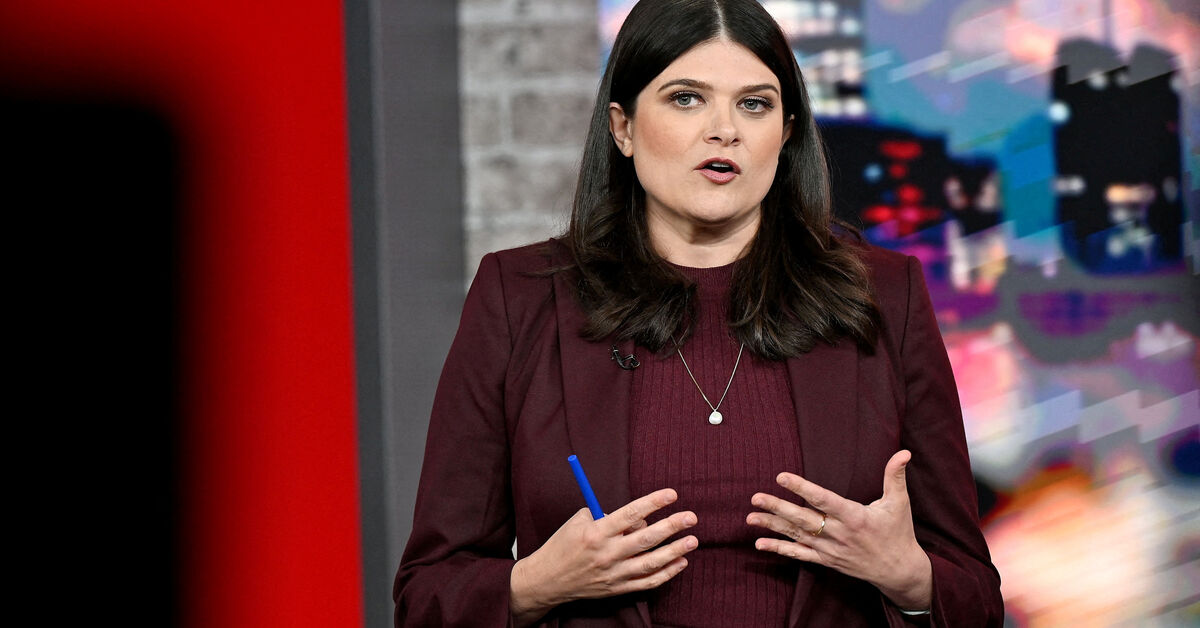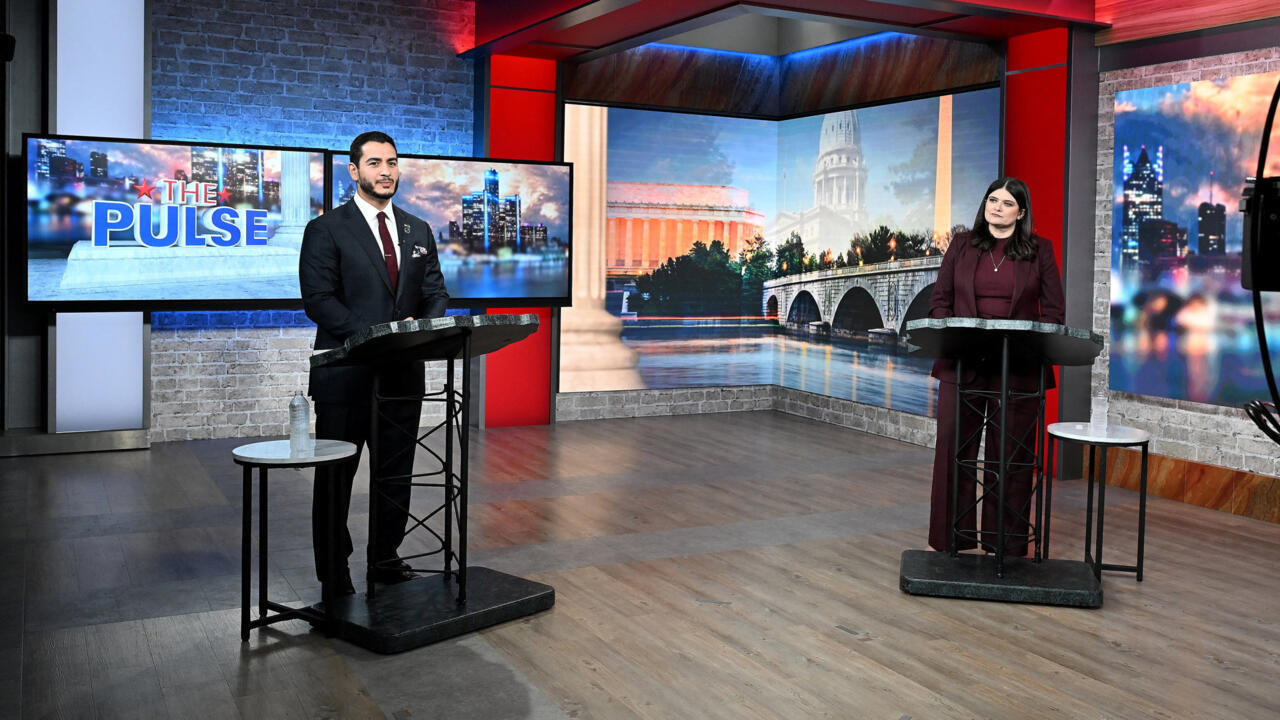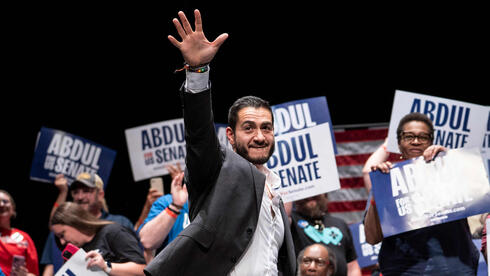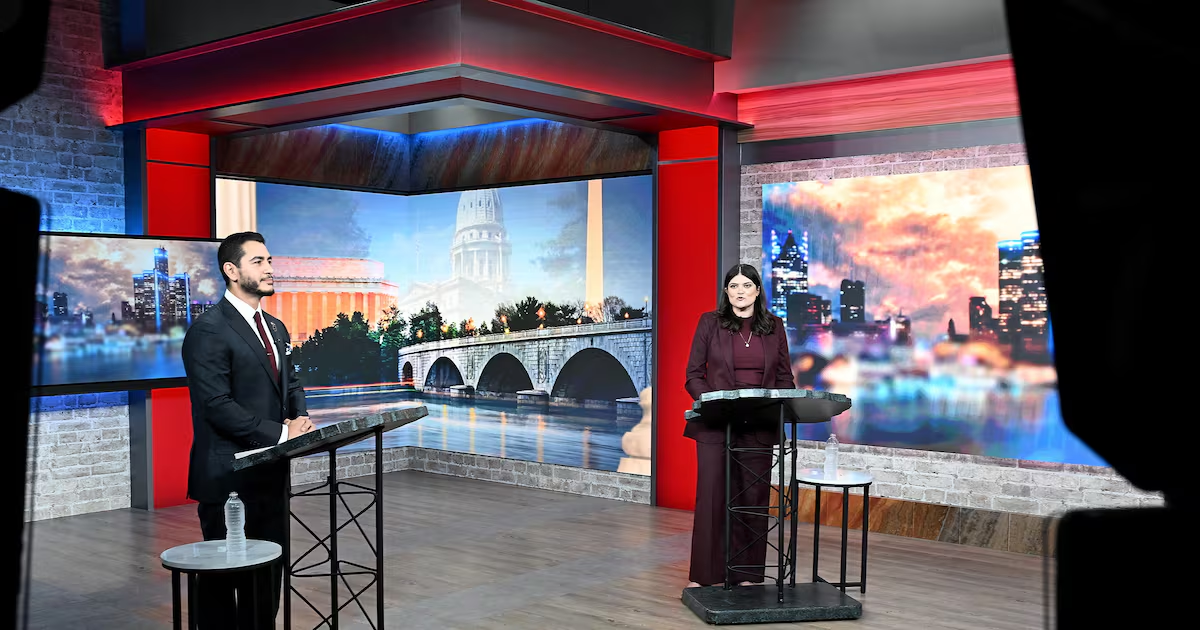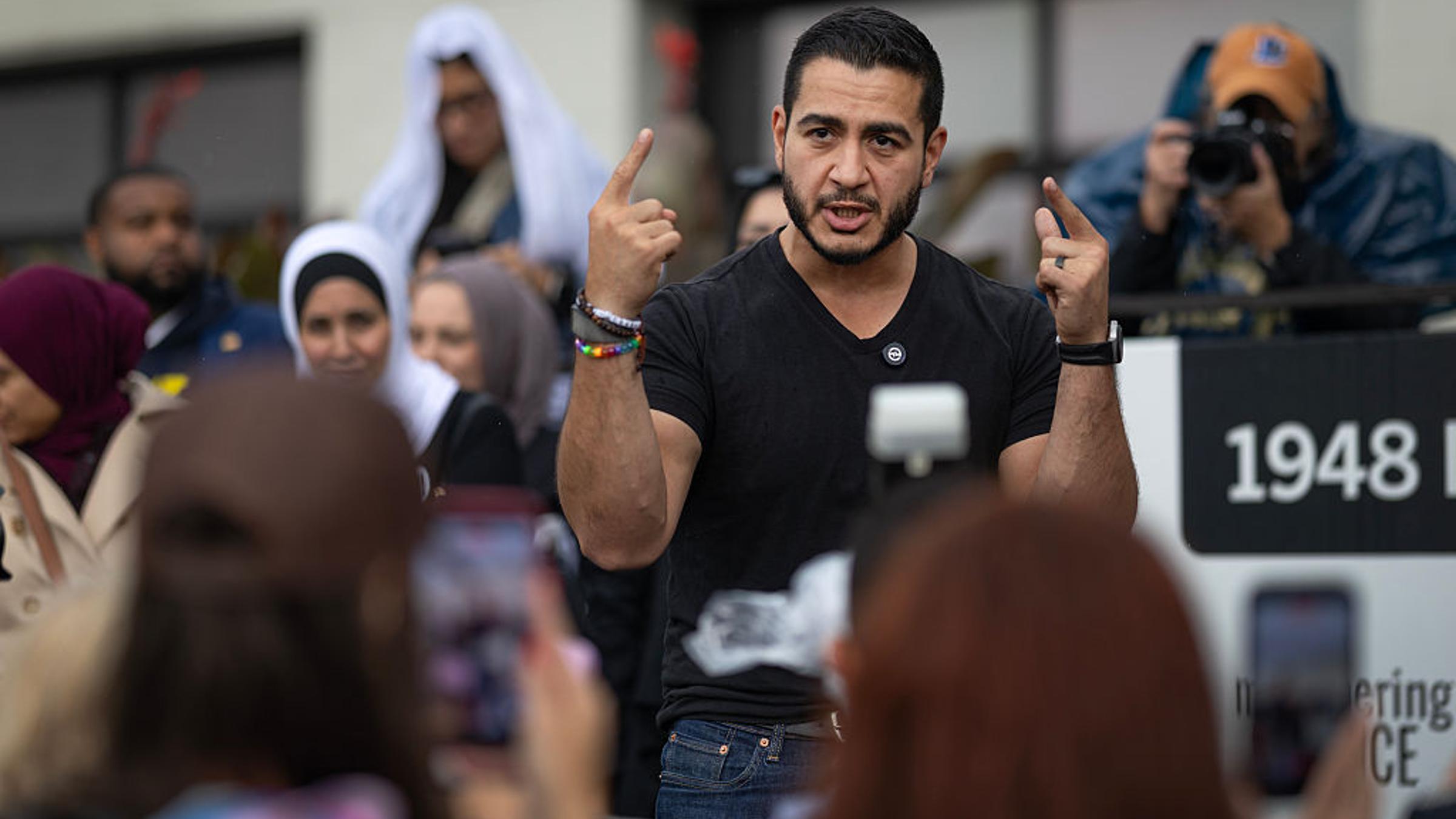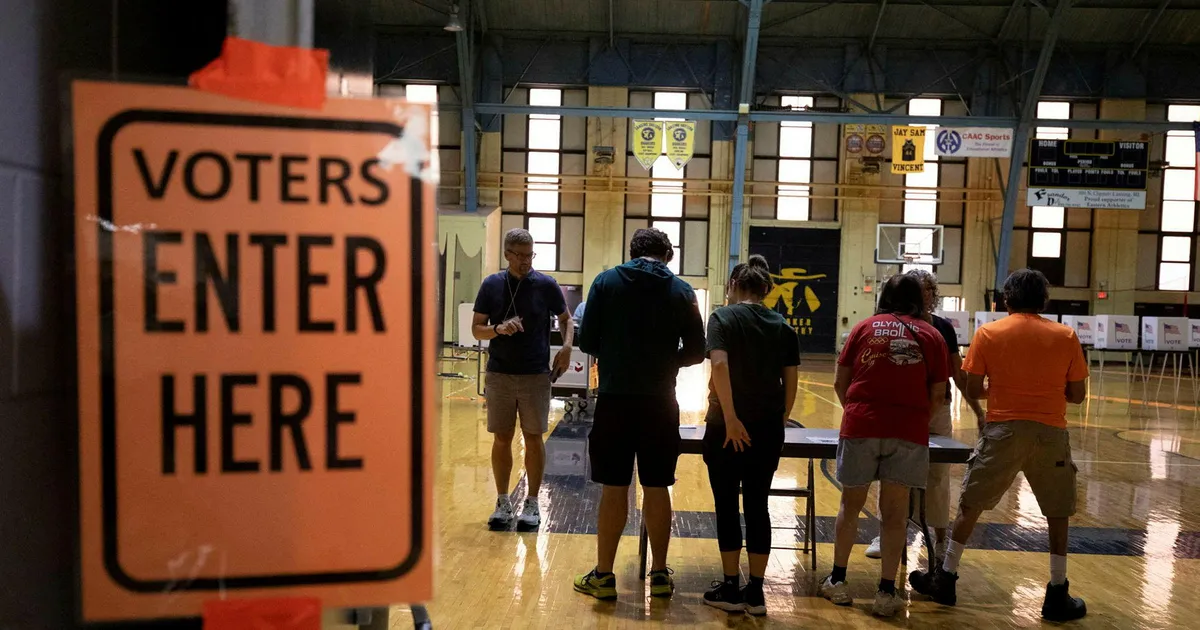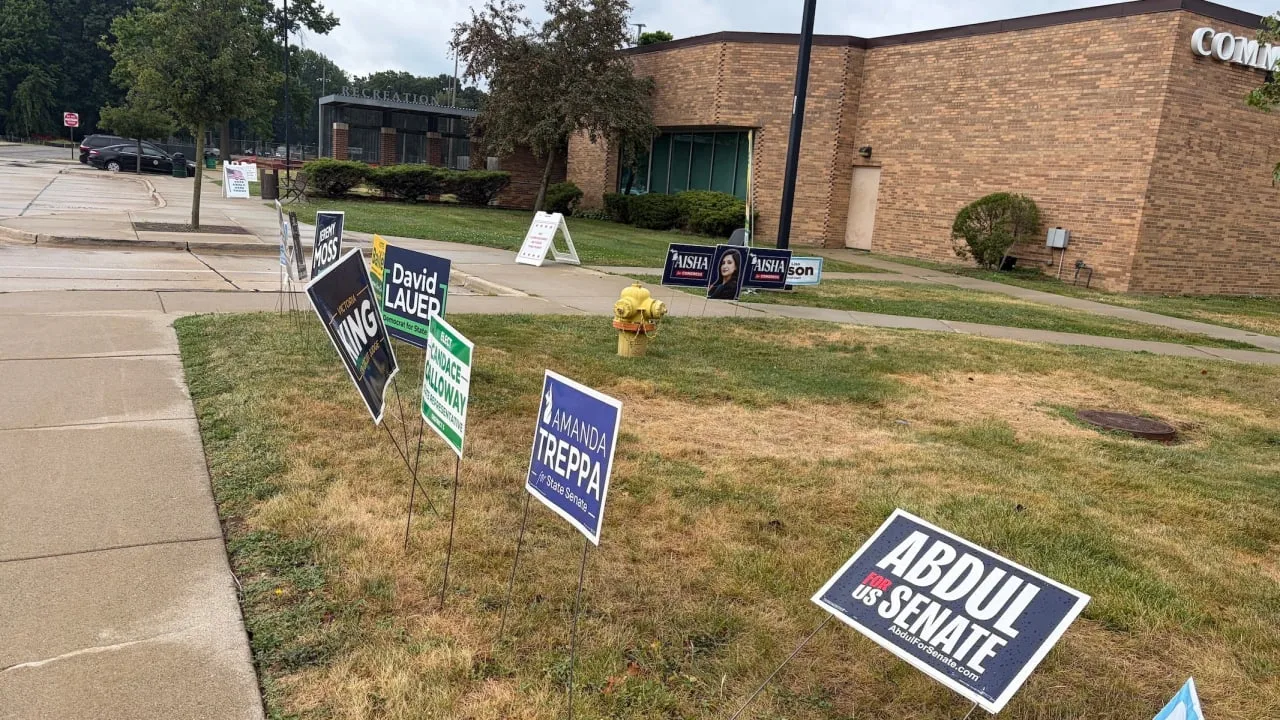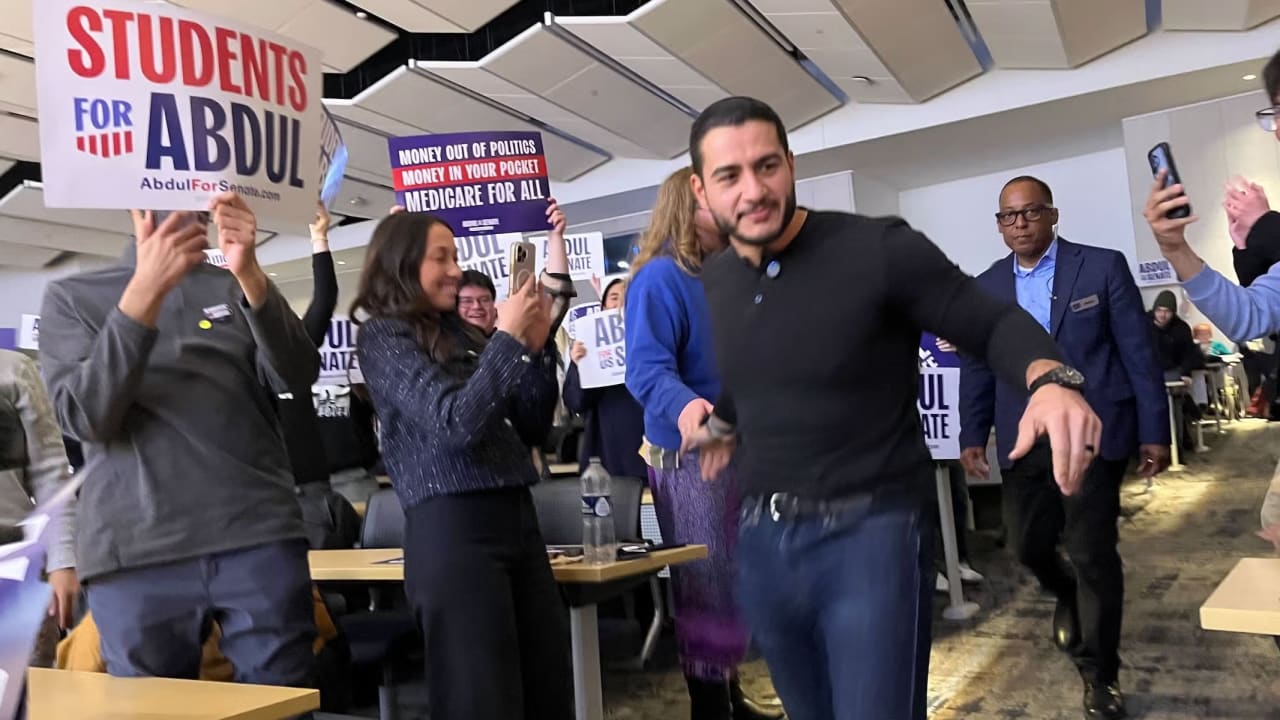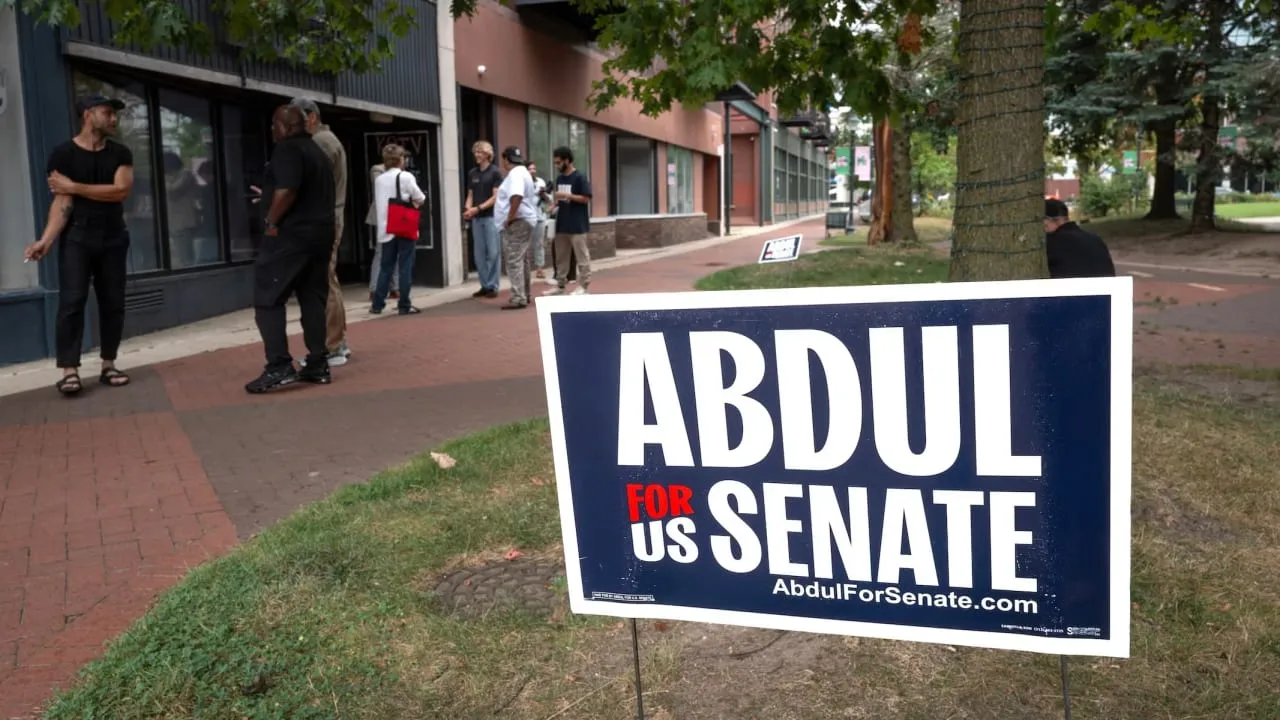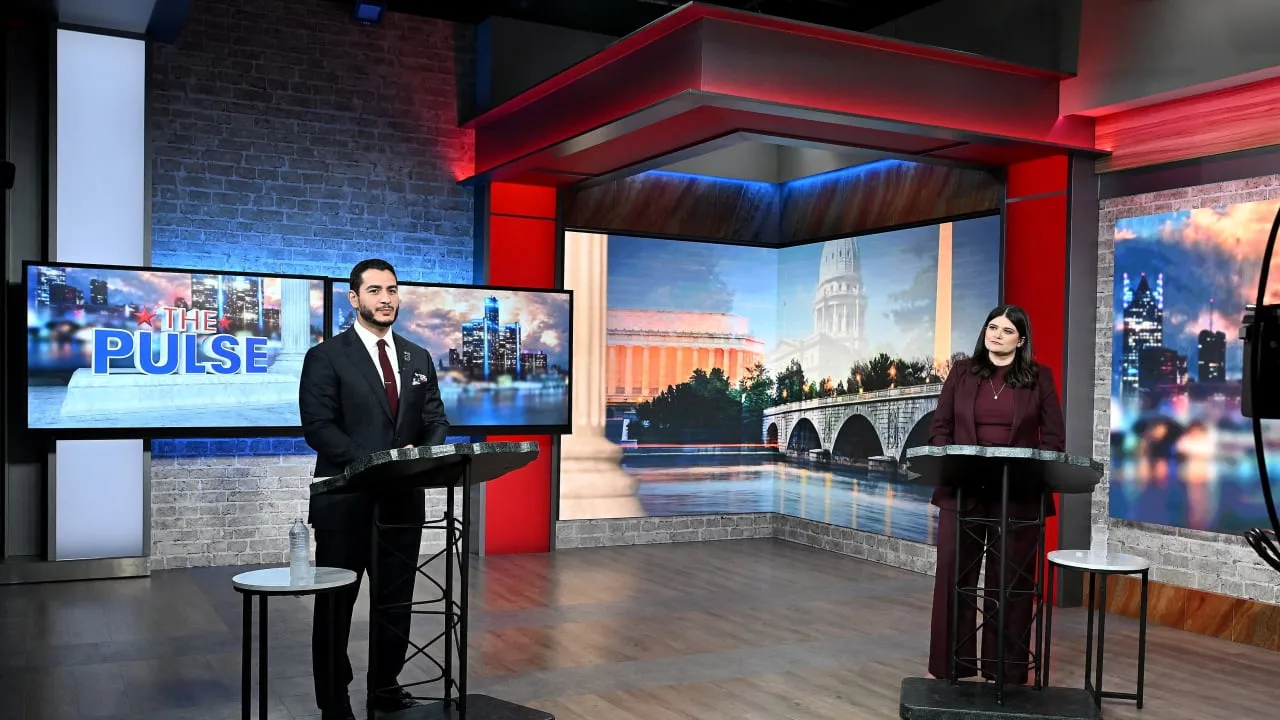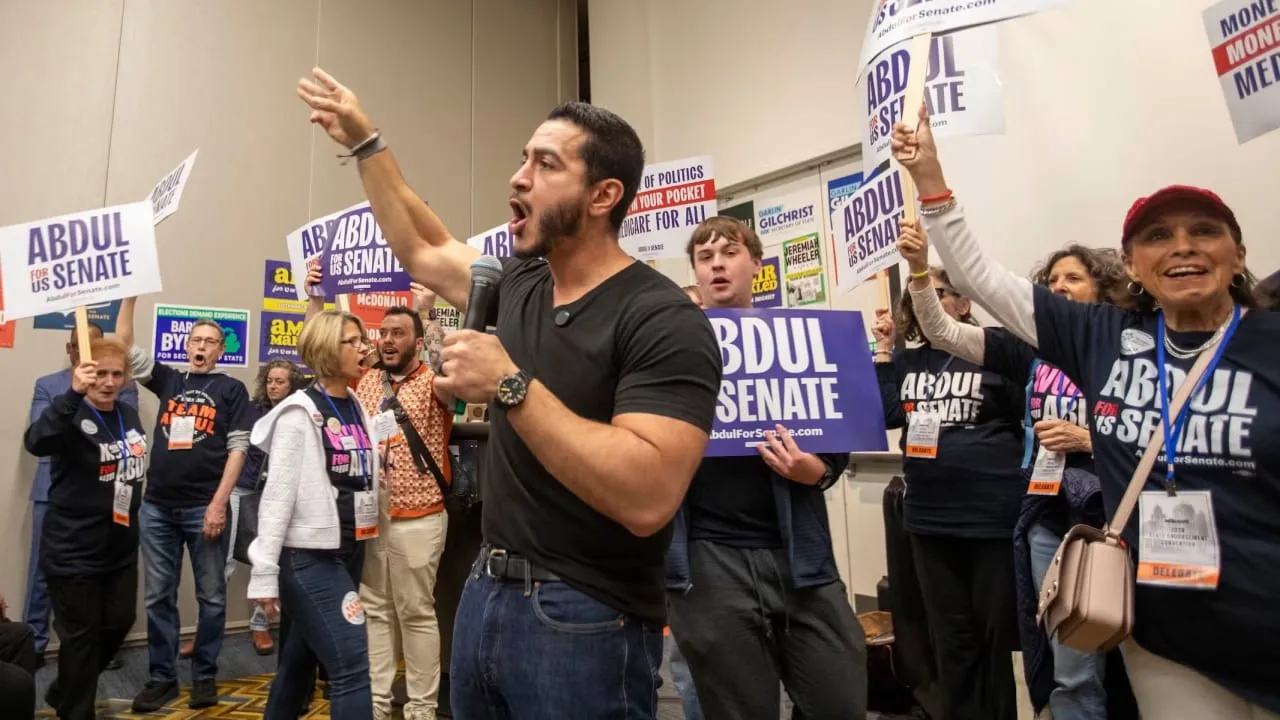
A highly competitive and bitter Democratic Senate primary playing out in Michigan this week is being viewed as a kind of proxy fight for big money in politics, the power of the pro-Israel lobby and the future of U.S.-Israel relations within the party.And while the four-term Congresswoman Haley Stevens and her challenger, Abdul El-Sayed — a more progressive public health official endorsed by the likes of Sen. Bernie Sanders — have traded jabs over health care and ICE, campaign finances and foreign policy have become major flashpoints. More than $60 million US has been spent on Stevens's behalf by various groups, according to Ad Impact. It's a record amount for a Democratic primary. Half of it — more than $30 million US — has come from the American Israel Public Affairs Committee (AIPAC) and its affiliated groups. "The image of AIPAC has changed in the Democratic Party; it's highly polarizing now," said Doug Rossinow, a history professor at Metro State University in Saint Paul, Minn.Spending by the group has become an issue elsewhere this election cycle, including in Minnesota, Rossinow said. There are still people in the party who see AIPAC's support as a seal of approval, he said, and those are the people supporting Stevens. But in the wake of the Israel-Hamas war in Gaza, there are large numbers of voters, "particularly in its liberal base," who now see it as a "black mark." AIPAC, which has said it is focused on strengthening the U.S.-Israel relationship, did not respond to a request for comment from CBC News. Neither did its affiliated super PAC, the United Democracy Project, which has been running ads in support of Stevens.Stevens, pictured during a campaign event on Monday, is a longtime supporter of Israel and once said 'Israel comes to me in my dreams.' (Paul Sancya/The Associated Press)The Michigan primaryThe issue has come to a head in Michigan in part because of the candidates themselves and their starkly different views on what the U.S.-Israel relationship should look like. Stevens is a longtime supporter of Israel and once said "Israel comes to me in my dreams." She has said that she does not think Israel has committed genocide in Gaza and recently voted to continue funding Israel's military without conditions, though she said such a measure would also hinder humanitarian and peacekeeping aid. El-Sayed advocates for the end of unconditional U.S. military aid and weapons sales to the country. He has called Israel a "rogue state" and has accused it of committing a "horrific genocide" in Gaza. WATCH | Despite Trump's claims, Hamas maintains Israel must withdraw before it disarms:Hamas agrees to disarm only after Israel leaves Gaza, halts attacksJuly 31|Duration 2:00Despite U.S. President Donald Trump's claims of a major breakthrough on a Gaza peace deal, Hamas maintains it will only disarm after a complete Israeli withdrawal from the territory — something Israel has categorically refused to do unless Hamas disarms first.El-Sayed has also been linking U.S. foreign policy to affordability. "Maybe we should keep our money here instead of sending it there to drop bombs on people's schools or their hospitals. That's our money," he said in late July on a podcast with political analyst Anand Giridharadas. El-Sayed, like other left-leaning Democrats advocating for systemic economic and political change, has also been critical of any big money in politics, arguing it distorts the democratic process. So AIPAC checks two boxes in his platform. At a July 27 debate between the candidates, AIPAC came up repeatedly. "The difference between us is … AIPAC spending," El-Sayed said. "They've set a record in this race to help elect my opponent because they know that she'll be a reliable vote." El-Sayed, pictured during a campaign rally on Sunday, has called Israel a 'rogue state' and accused it of committing a 'horrific genocide' in Gaza. (Julia Demaree Nikhinson/The Associated Press)Stevens says she supports two-state solutionStevens, on the other hand, often avoids talking about AIPAC directly, including during the debate. When the moderator asked whether voters should be concerned about the amount of money the organization is spending on her campaign, she said: "I want to see long-term peace. I want to see a two-state solution. I am deeply proud to represent one of the largest Jewish populations in a congressional district in the country." PodcastThe U.S. Senate is in turmoil. What does it mean for upcoming midterm elections?What to expect in Michigan's state primaryIn other moments, like in a recent post on X, she said El-Sayed wants to "blame all of your problems on Jewish Americans." That's a message that worries many voters, says Jordan Acker, who backs Stevens and serves as one of eight elected regents at the University of Michigan. "What is terrifying to a lot of Jews here, is that there is a campaign running a race that if you don't have health care, if there's something wrong in your home, there's something wrong in society, it's because of Israel, it's because of AIPAC, and that's simply not true," he said. Lack of big-name Democratic candidates at pro-Israel conference confirms for some voters the party has changedIs debate over pro-Israel lobby group swaying voters?Political strategists, including Adrian Hemond of Michigan's Grassroots Midwest, aren't so convinced the issue is moving voters amid a tight race. "AIPAC is not a top-of-mind issue for most voters in Michigan, even voters in the Democratic primary in Michigan, partly because our state is in such dire economic straits right now," he said.Matt Duss, executive vice-president at the Center for International Policy and a former foreign policy advisor to Sanders, disagrees. While it's not the "defining issue," he said, how the U.S. government responded to Gaza "connects to a broader sense of the establishment having failed." Whether it's the economy, jobs, medical care or foreign policy, Duss said, "they see a corrupt, ineffective establishment." Trump touts tariffs while in Michigan despite rising costs. Even some supporters are worriedHow is AIPAC's money playing out in other races? Michigan is fertile ground for this debate since it is home to an established Jewish population and a large Arab population, particularly in Dearborn, a suburb of Detroit. But the controversy over AIPAC spending has played out in other races. In New York, Democrat Brad Lander ran an explicitly anti-AIPAC campaign, defeating pro-Israel incumbent Dan Goldman in June. That same month in Maryland, AIPAC poured millions into the campaign of Adrian Boafo, who won. Another primary race heading to a vote Tuesday where AIPAC has been prominent is Missouri, where AIPAC is spending a reported $2 million US to block the candidacy of Democrat Cori Bush. What is the future of the Democratic Party?Rossinow, the history professor, noted that AIPAC has been the "leading lobby" in Washington, D.C., working to advocate for Israel on both sides of the aisle since its inception in 1954. While there have been recent critics in the Republican Party — AIPAC spent millions to defeat Thomas Massie in the Republican congressional primary in May — Rossinow says the sea change of attitudes toward Israel has been primarily within the Democratic Party.AnalysisWhat the Graham Platner scandal says about Democratic Party's troublesEarlier this month, for example, more than 100 House Democrats — nearly half the caucus — voted for an amendment that would have eliminated $3.3 billion US in military aid to Israel. It did not pass, but, Rossinow said, how the primary in Michigan plays out could be a harbinger of where the party goes from here. If El-Sayed wins the Democratic primary in Michigan but loses the seat to Republican Senate candidate Mike Rogers, pictured speaking on July 27, it would be a setback for the progressive moment, says Doug Rossinow, a history professor at Metro State University in Saint Paul, Minn. (Paul Sancya/The Associated Press)If El-Sayed wins the primary Tuesday and then wins the Senate seat in November, he would bring a highly critical of Israel perspective, "more forceful and explicit than anything we have seen so far in the U.S. Senate," Rossinow said.But if he wins the primary and loses the key Michigan Senate seat in the November midterm to Republican Mike Rogers, it will be a setback to the progressive movement, says Rossinow, in part because losing Michigan would be a major impediment to gaining back a Democratic majority.And, in the case of El-Sayed versus Rogers, Rossinow anticipates AIPAC spending would lean heavily in favour of the Republican. "The outcome of this highly visible race, I think, will have implications and consequences greater than your average Senate contest."
A primary in Michigan puts big money and a pro-Israel lobby in the spotlight | CBC News
A highly competitive and bitter Democratic Senate primary playing out in Michigan this week is being viewed as a kind of proxy fight for big money in politics, the power of the pro-Israel lobby and the future of U.S.-Israel relations within the party.
1,420 words~6 min read