ToplineMcDonald’s posted mixed results at its quarterly earnings call on Tuesday, beating expectations for earnings per share but missing expectations for revenue growth, and an analyst from Consumer Edge noted that recent affordability concerns could be driving customers to avoid eating out at the fast food mainstay.The fast food giant missed expectations for revenue growth during the second quarter, the company reported Tuesday.Getty ImagesKey FactsMcDonald’s is “meaningfully overindexed to lower income households,” Michael Gunther, senior vice president for research and market intelligence, told Forbes on Tuesday, adding “recent cost of living concerns could be impacting its customer base.”Gunther also noted his firm’s data suggested lower income customers were “particularly responsive to McDonald's promotional periods”—specifically over the holidays last year.Data shared by Consumer Edge shows McDonald’s holiday promotional periods in November and December drove what Gunther called “broad-based and robust share gains,” but that momentum weakened in the following months.Gunther also said his firm, which tracks consumer spending behavior across multiple sectors, saw spending at “limited-service restaurants” weaken in July—which he said was driven both by ongoing affordability concerns and the cyclospora outbreak that caused customers to avoid Taco Bell and salad chains last month.What to Watch ForGunther noted analysts should watch sales for McDonald’s new lineup of specialty beverages. McDonald’s touted the new lineup during the earnings call, reporting sales were “ahead of plan” in the U.S. after launching in May. “Within the restaurant sectors we track, beverages/snacks is the clear outperformer, supported by frequency and affordability, as consumers substitute full meals out with coffee, refreshers, and snacks,” Gunther said. The analyst said this might indicate diners are opting for a “trade-down, not trade-out” decision when faced with current economic conditions. “Consumers may be shifting dining dollars toward in-home eating but are leaving room in the budget for daily drink habits.”Key BackgroundPolling consistently shows consumers believe America is facing an affordability crisis. A Gallup poll published in April found 31% of Americans believed the high cost of living was their biggest financial problem in 2026, above concerns like energy costs, housing costs and health care costs. President Donald Trump’s approval rating on handling the economy has also fallen this year, with a recent Reuters/Ipsos poll finding the president had a -47% net approval rating on cost of living, as he has repeatedly derided affordability concerns as a “hoax” and touted the U.S. as having the “hottest” economy in the world. That same poll found more Americans trusted Democrats over Republicans on handling the economy, for the first time in almost a decade.Further ReadingForbesTaco Bell Visits Dropped Over 30%—More Than Initially Reported—Amid OutbreakBy Mary Whitfill RoeloffsForbesTaco Bell Parent Company Says Sales Already Recovering After Cyclospora Outbreak Hit Foot TrafficBy Mary Whitfill Roeloffs
McDonald’s Is Suffering From Americans’ Affordability Concerns
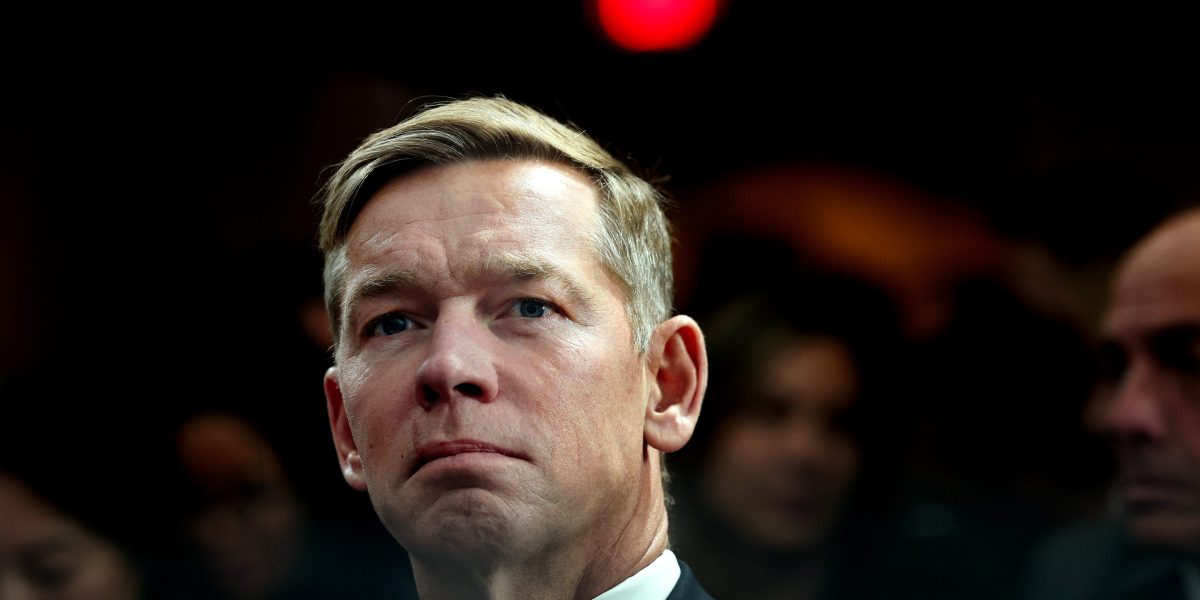
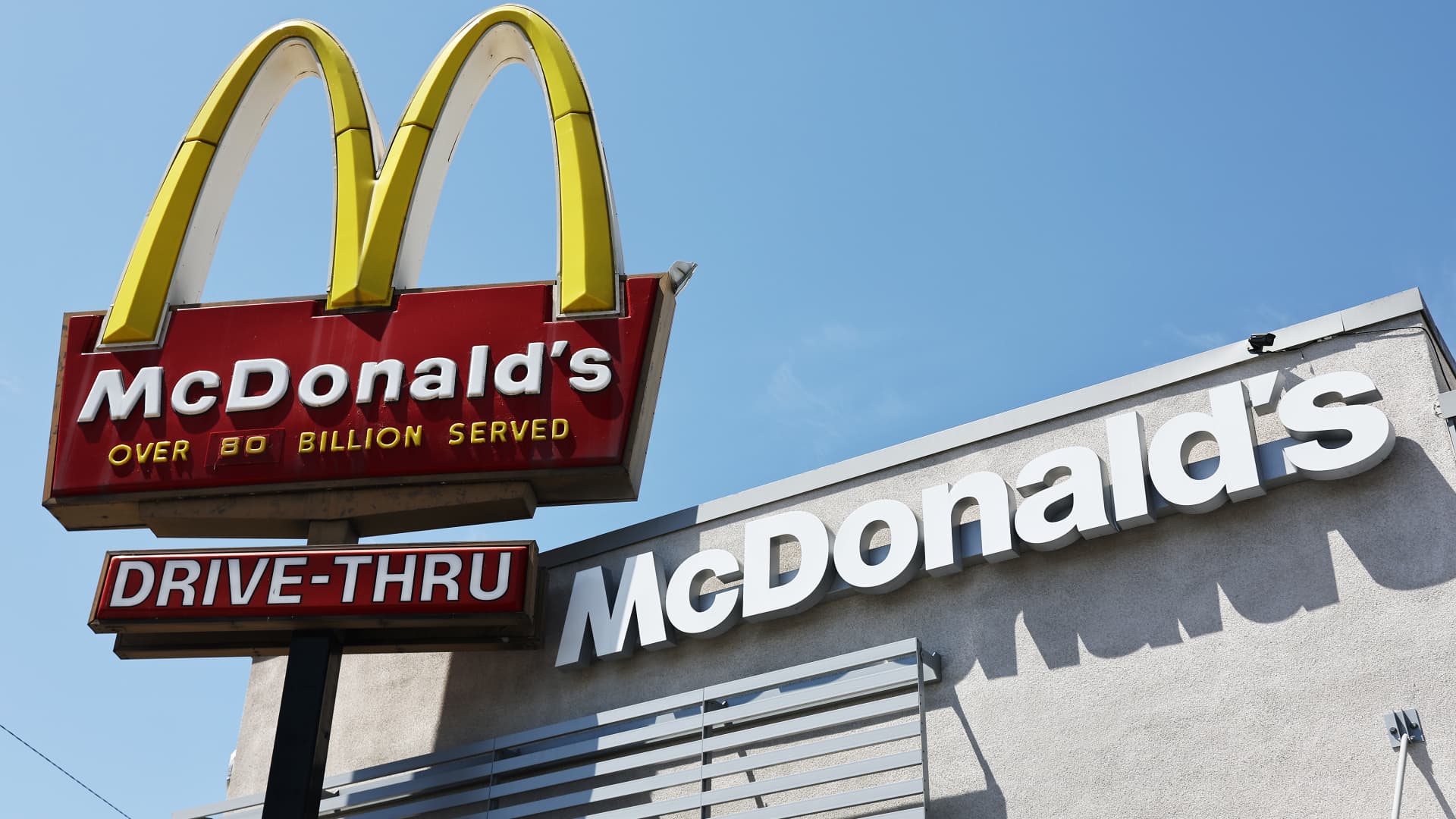
The fast food giant missed expectations for revenue growth during the second quarter, the company reported Tuesday.
451 words~2 min read