Support CleanTechnica's work through a Substack subscription, on Patreon, or on Stripe. Help us produce all of the high-quality, original content we publish week after week despite the challenges of content-scraping AI, antisocial media, inflation, and other hurdles.
South Africa went through a rough patch a couple of years ago when the country’s available electricity generation capacity was not sufficient to meet demand. This resulted in South Africa’s electric utility company, Eskom, implementing an electricity rationing schedule, infamously known as load shedding. This led to many homes and businesses rushing to install solar and battery backup systems to cushion themselves from load shedding.
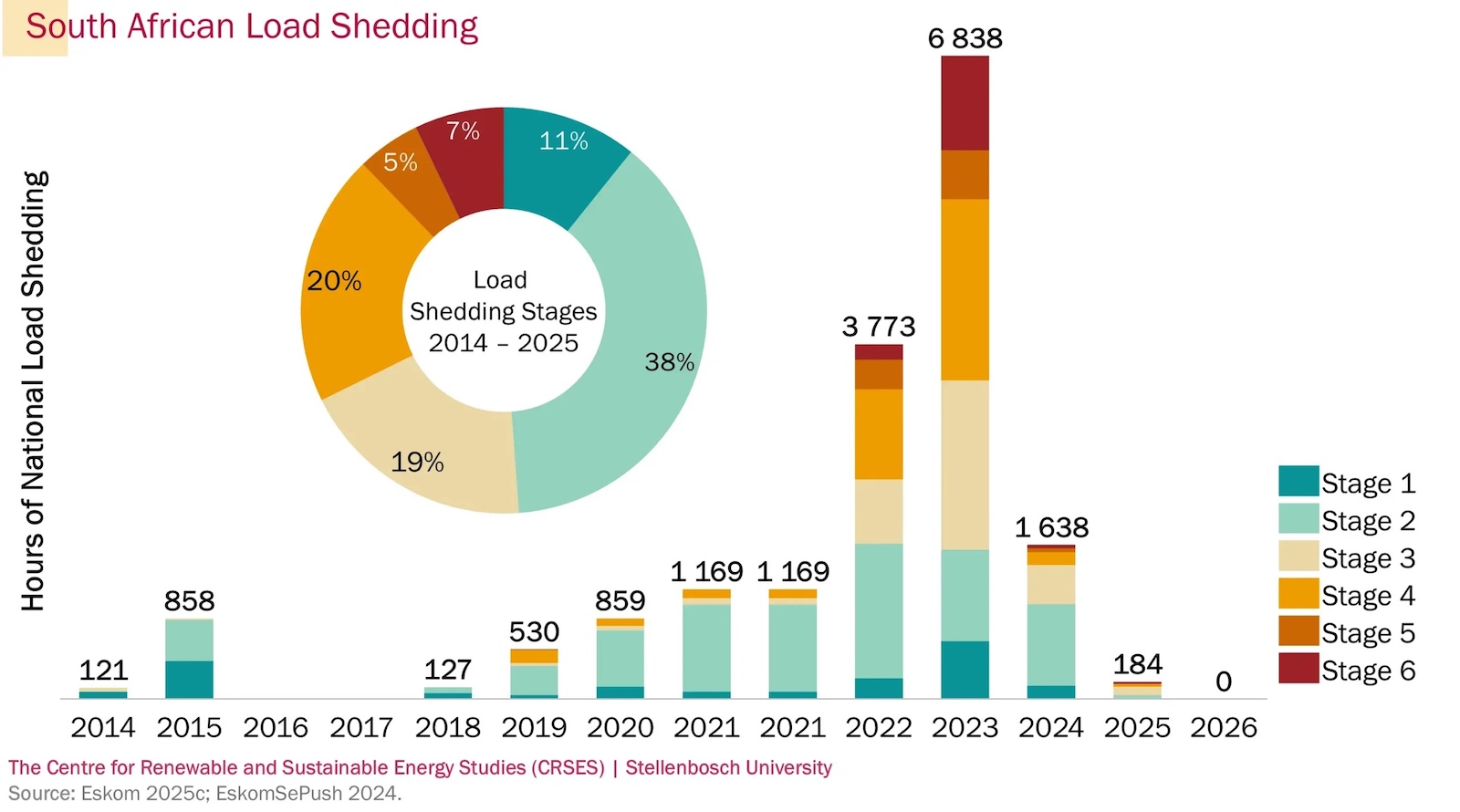
A snapshot of South Africa’s load shedding dark days. 2026 has been a good year so far, with no load shedding at all. Image courtesy of the Centre For Renewable & Sustainable Energy Studies (CRSES).
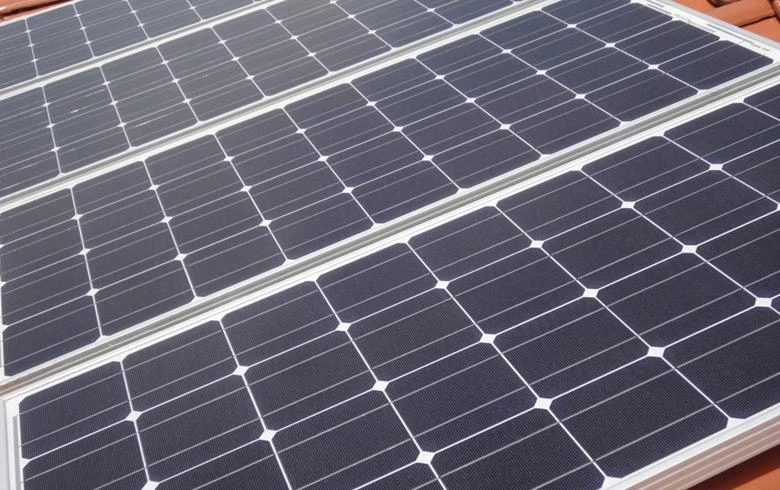
South Africans went solar in a big way, resulting in over 8.3 GW of solar PV being installed by homes and businesses. On the utility solar side of things, installed solar PV capacity increased to 2.8 GW. So homes and businesses did the heavy lifting in terms of accelerating the adoption of solar in South Africa. That means several hundreds of thousands of solar systems are playing a crucial role in South Africa’s energy mix.