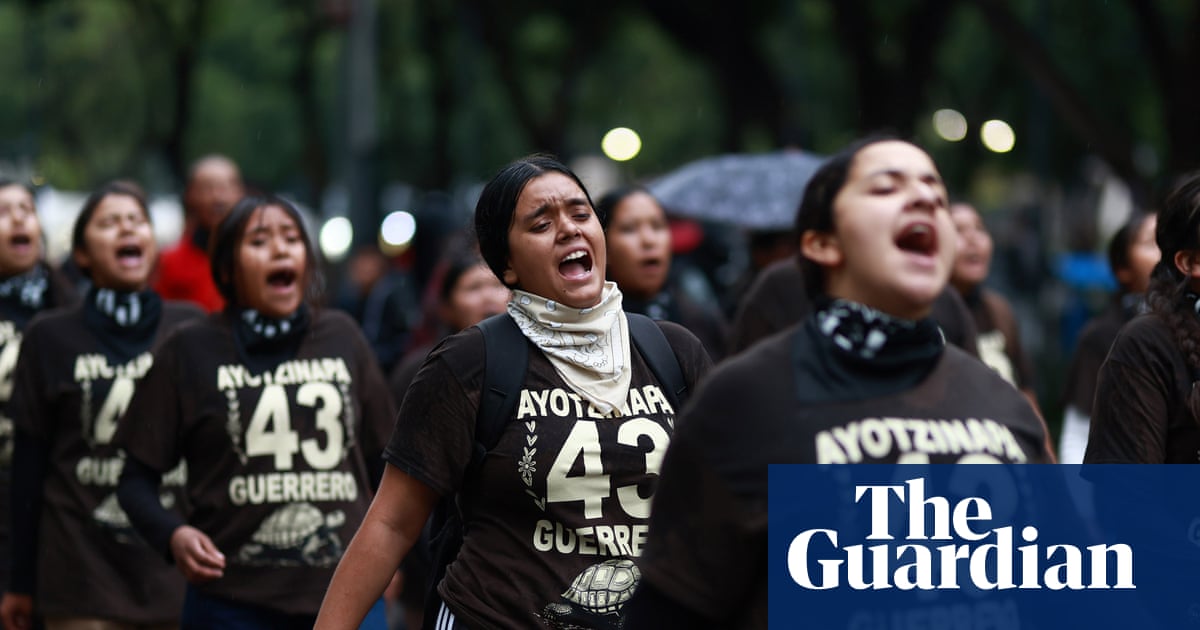
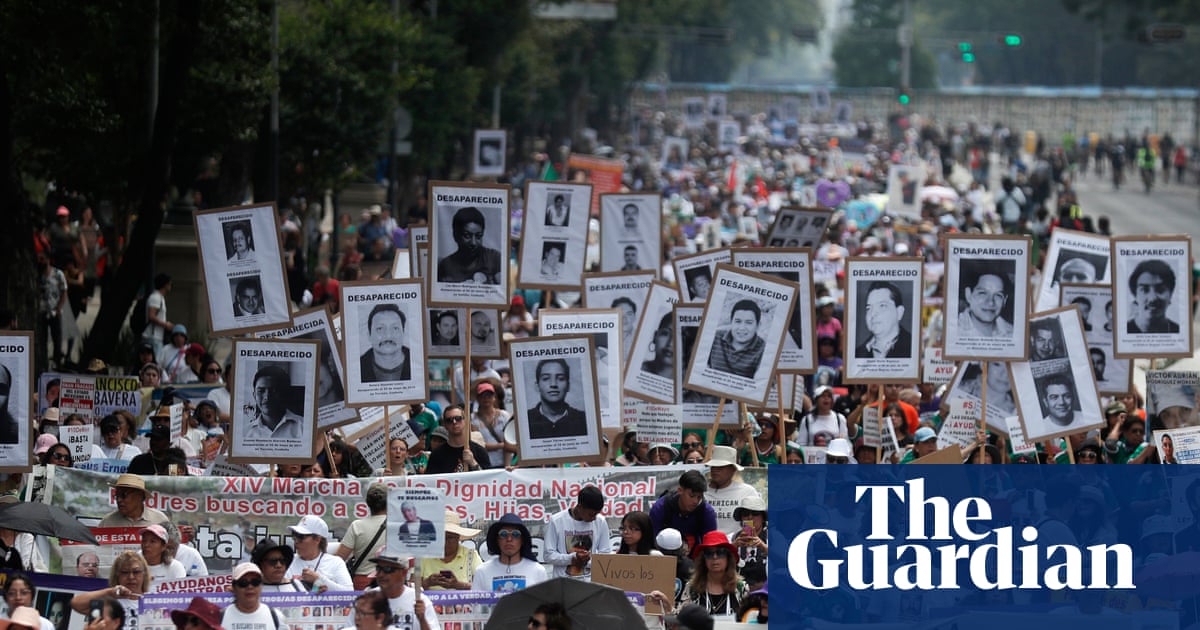
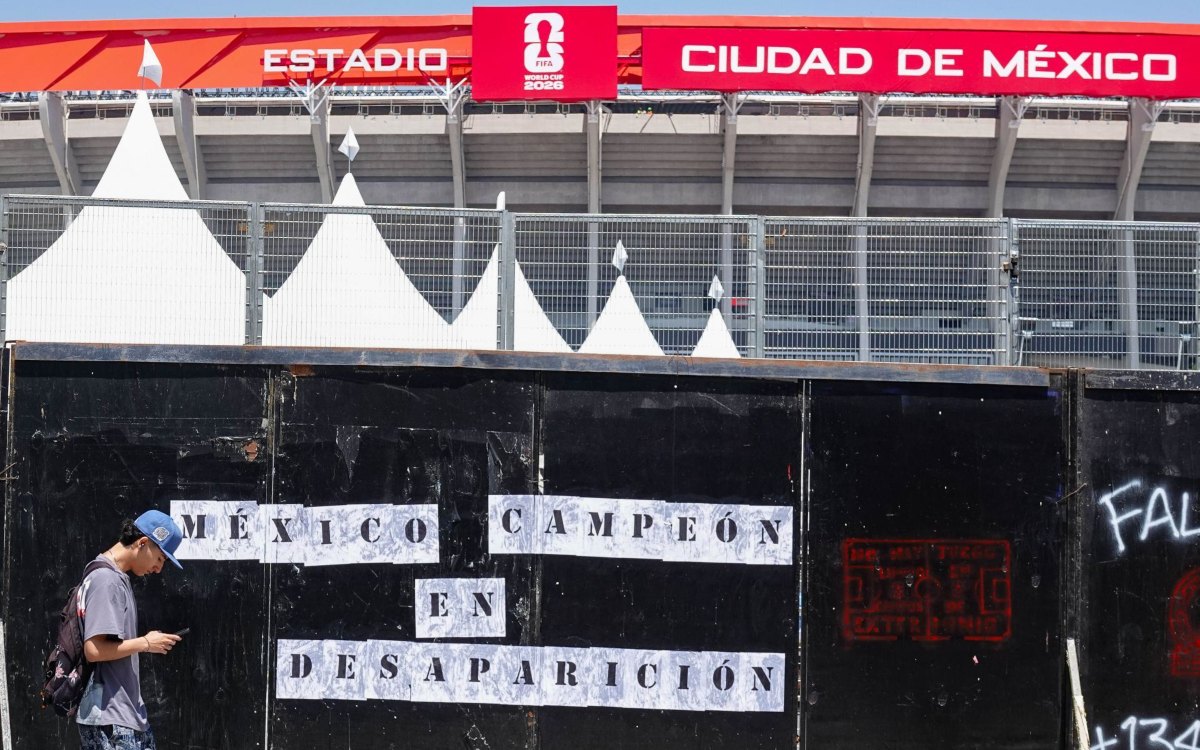
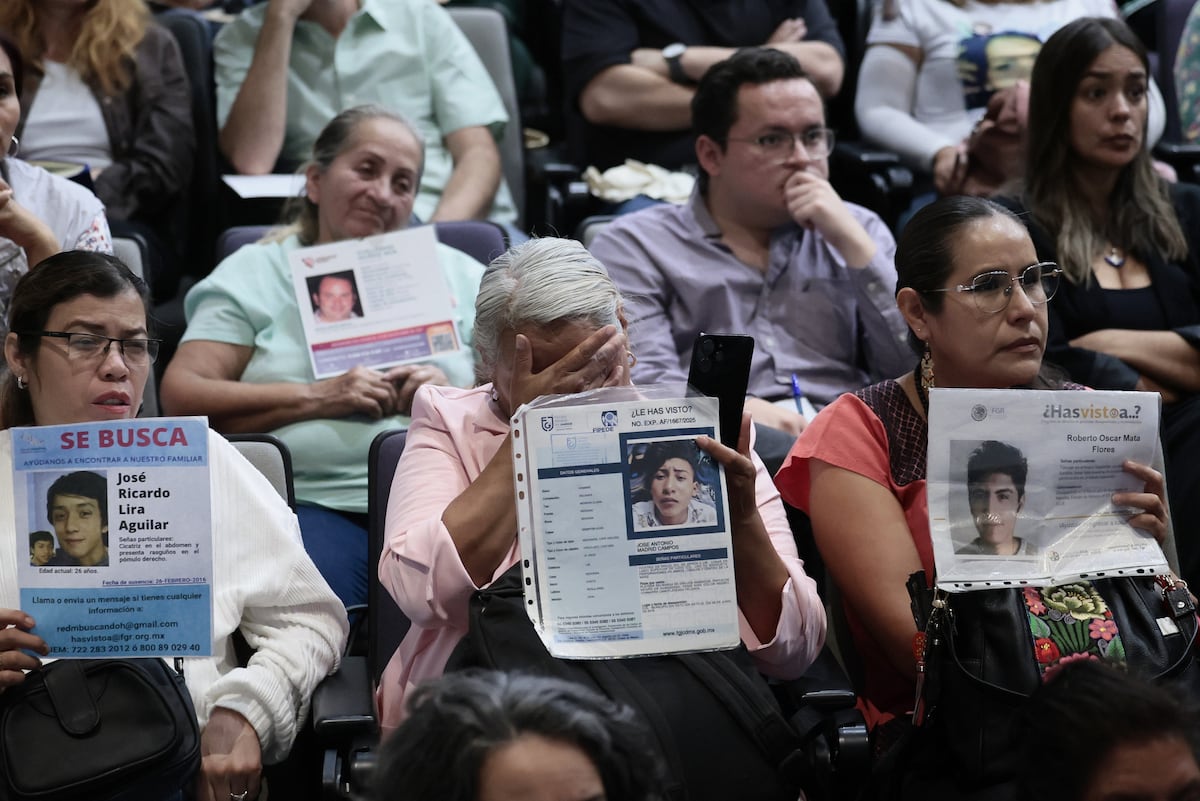
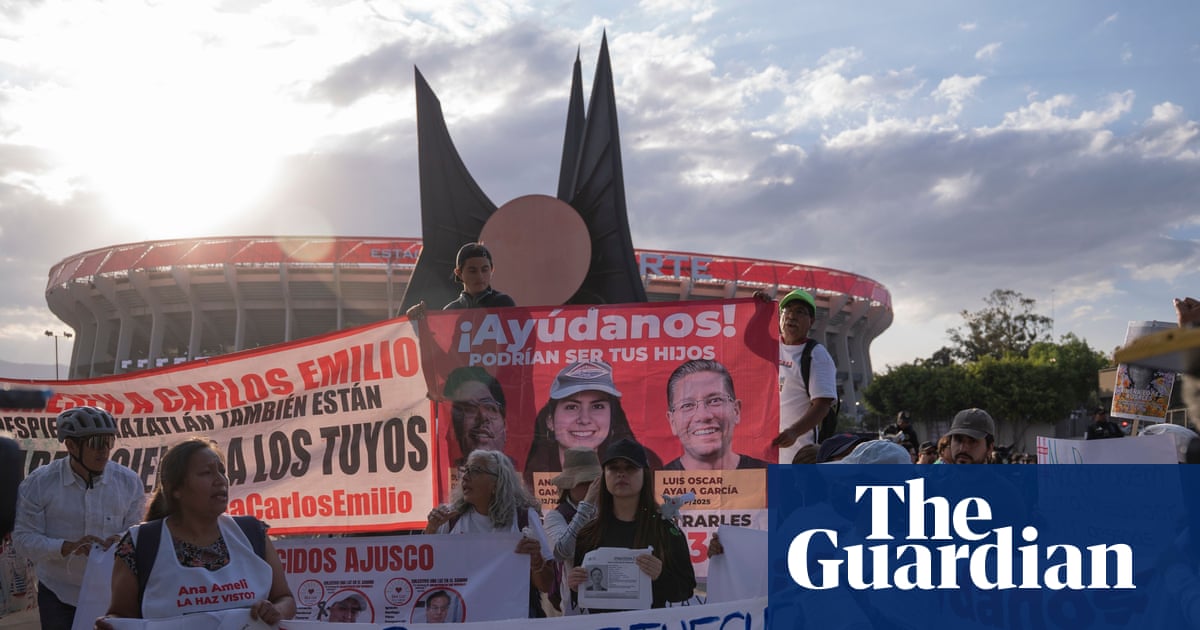
Forced disappearances have plagued Mexico for decades. In 2019, something remarkable happened: Twenty-one disappeared people were found, alive. They had been toiling in narco-slavery camps, an under-covered aspect of Mexico’s illicit drug trade. But there wasn’t a happy ending. (This story was originally published in Spanish by Quinto Elemento Lab):
Freedom had not been kind to the captives. Few had been able to regain even the wretched standard of living that had pushed them into the arms of the cartels in the first place. Many were scarred by paranoia, trapped in addiction or suffering mental illnesses. Some had been abandoned by their partners or families. More than one, we learned, died after being rescued, some by their own hand. We came to feel that these men had been triply betrayed: first by the narcos who had lured them into the mountains, then by the government that failed to look for them, and finally by a society that refused to welcome them back into its fold.
We are telling their stories not because we hope to secure justice, but simply to establish the truth. This was a modest ambition shared by one of our interlocutors, Andrés. He told us that many of the survivors’ accounts had been doubted. He’d even read criticisms on social media: That’s what they deserve for being shiftless and lazy. “Those people should try thinking before they speak, because they don’t know when they might suddenly find themselves in a similar situation,” Andrés said. “They might be lucky enough to be rescued, or unlucky enough to die out there. I decided to give this interview because this situation’s not going to change. In Mexico, there’s sexual slavery, human trafficking, forced labour. This didn’t start yesterday; it’s been going on for many years.”