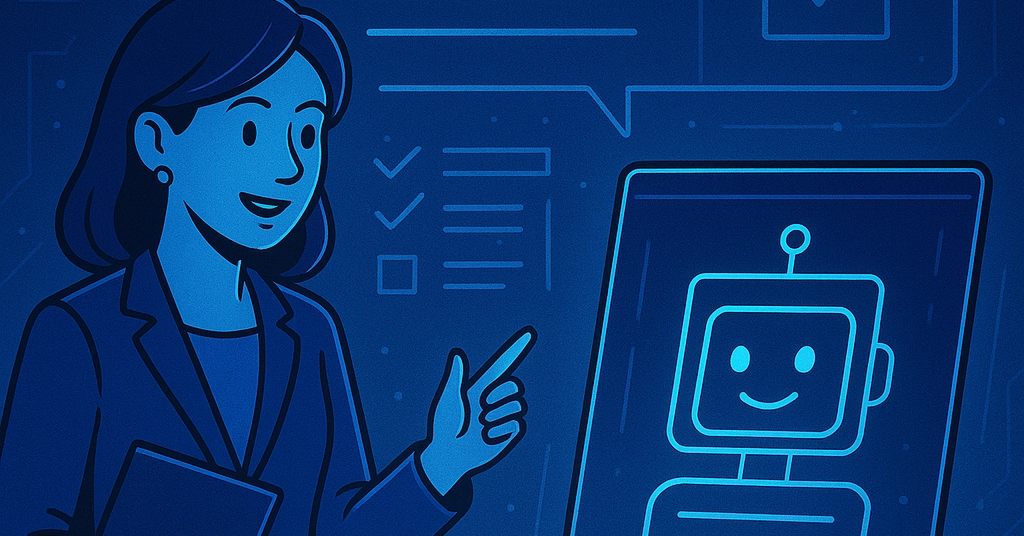
I find it helpful to think of an AI agent like an enthusiastic intern. On the plus side, this AI intern is incredibly fast, has access to virtually all the world's information, will work 24x7, and is eager to please. This is why I am working with it. On the negative side, this AI intern needs guidance and frequent check-ins/feedback, sometimes fabricates information when it doesn't know the answer, and makes rookie mistakes.
If my smart, well-educated, motivated intern isn't producing great results, before firing them, I need to ask myself how I can improve my management skills. We've all had the boss whose approach to management is: "Guess what I am thinking and then perform magic". That is too often how we approach AI. In reality, the better work a good manager does, the better work his/her employees can do.
The analogy is just an analogy—AI isn't a person with feelings or career aspirations. But the management skills that work with interns translate remarkably well to managing AI.
Learn to manage earlier in your career
AI is accelerating the need for management skills earlier in careers. The idea of turning a rock into a statue captures this well -- the sculpting skill is what matters, not the raw material. Traditionally, professionals worked as individual contributors through their twenties, then transition to managing teams in their thirties. You structure and do your own work, then eventually learn to structure others' work.