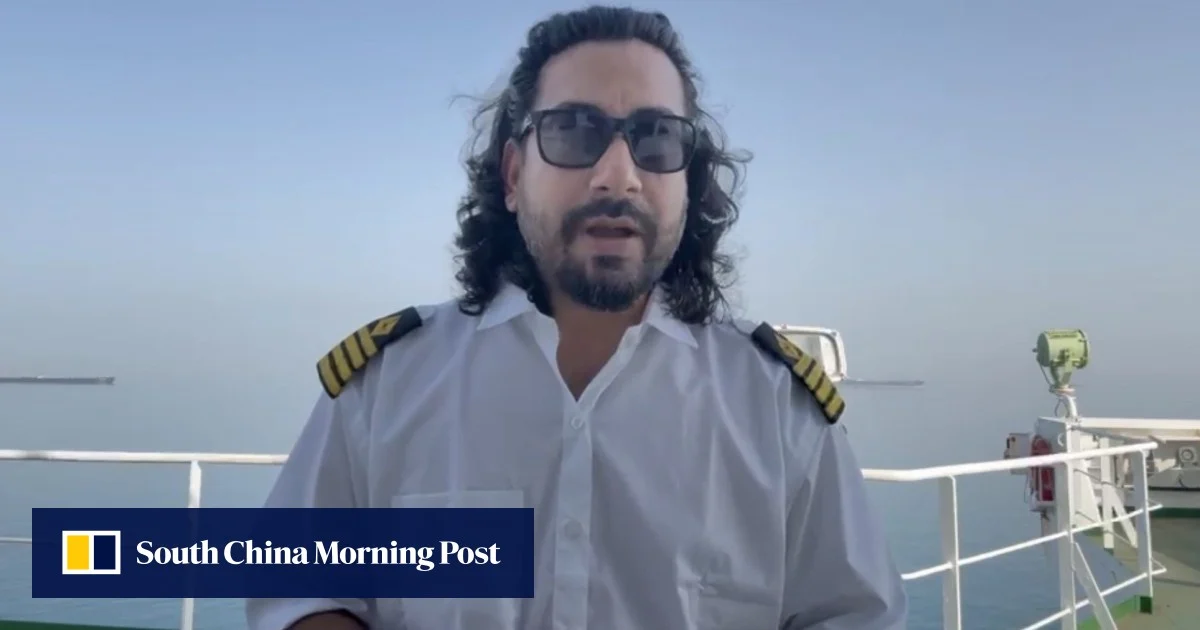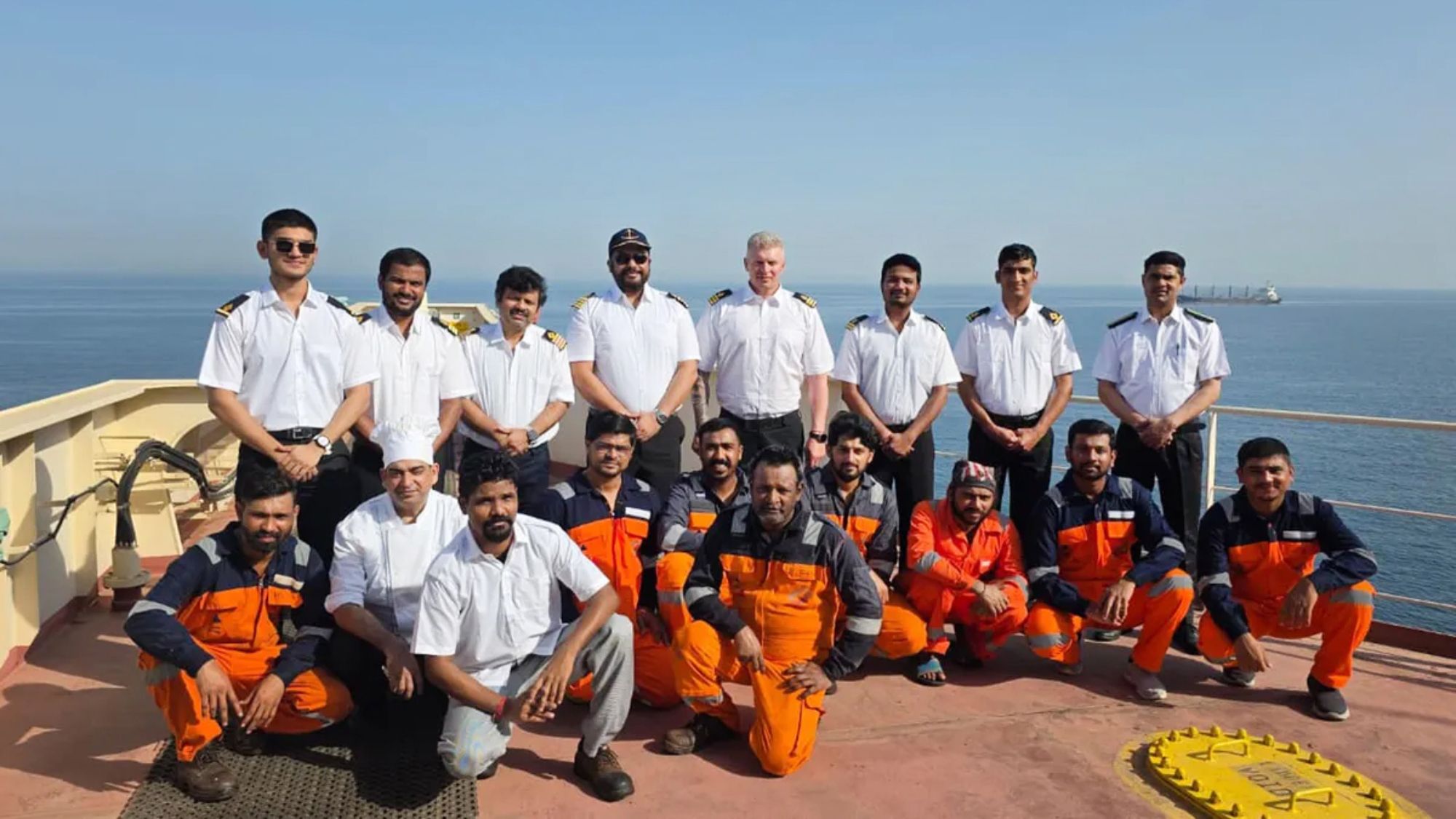
For 115 days, Captain Mohammad Shafiqul Islam was stranded afloat in the Persian Gulf, watching missiles light up the night sky and rationing food and water for his crew.“I tried to stay calm because I was responsible for 31 lives, a ship worth US$40 million, and cargo valued at US$8.2 million,” the 51-year-old Bangladeshi mariner said in an interview, back home after the ordeal.Islam was the captain of the Banglar Joyjatra a bulk carrier that had arrived in the Gulf a month before the US and Israel launched attacks on Iran in February.
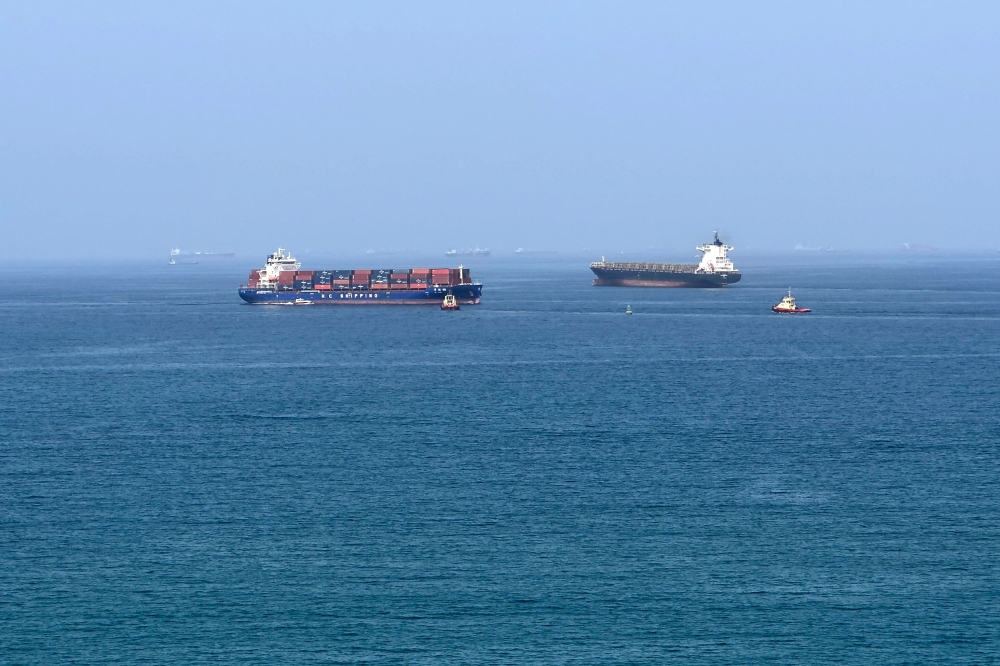
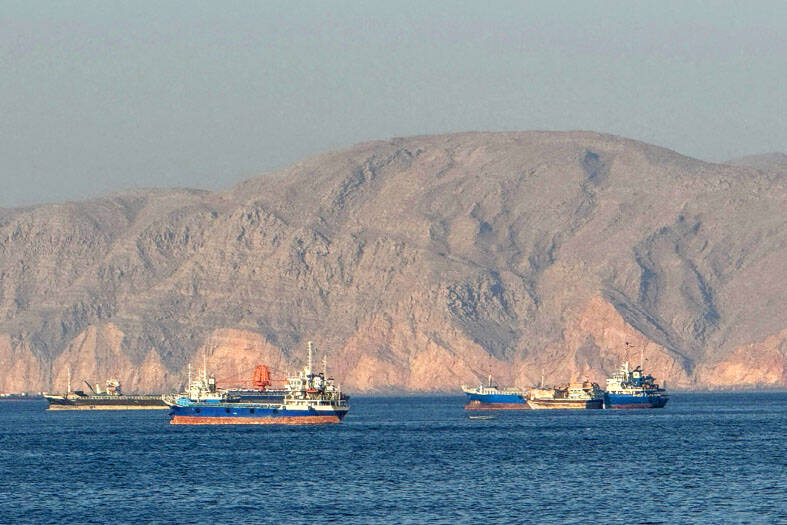
Vessels are anchored in the Strait of Hormuz, off the port city of Khasab, Oman on May 17, stranded there by the US-Israeli war on Iran.
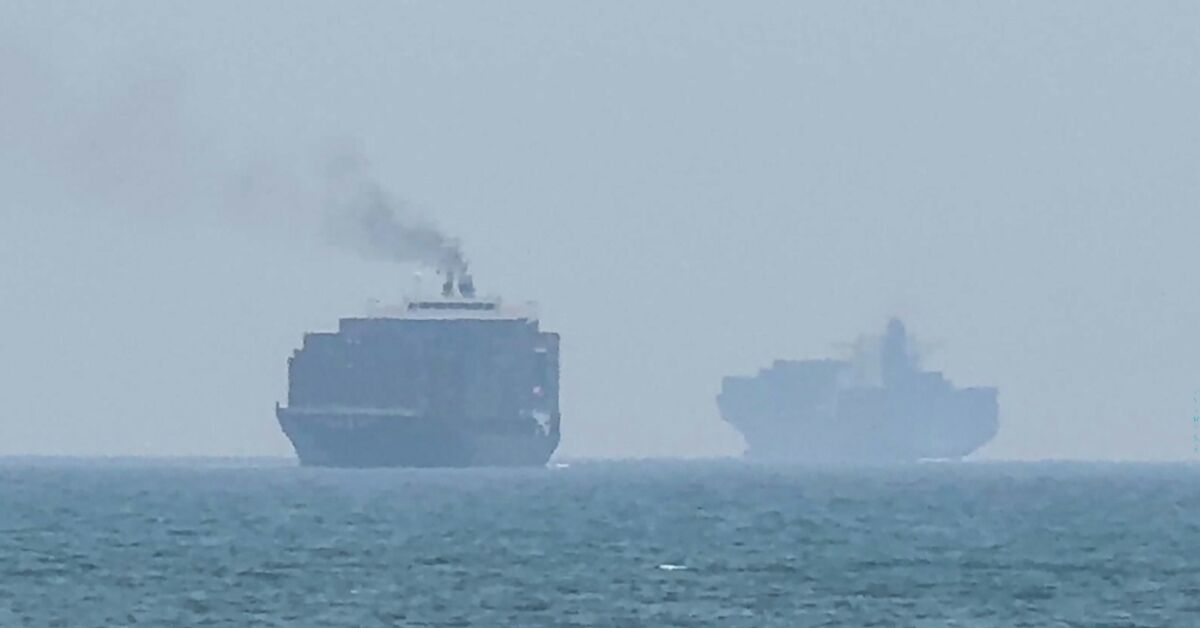
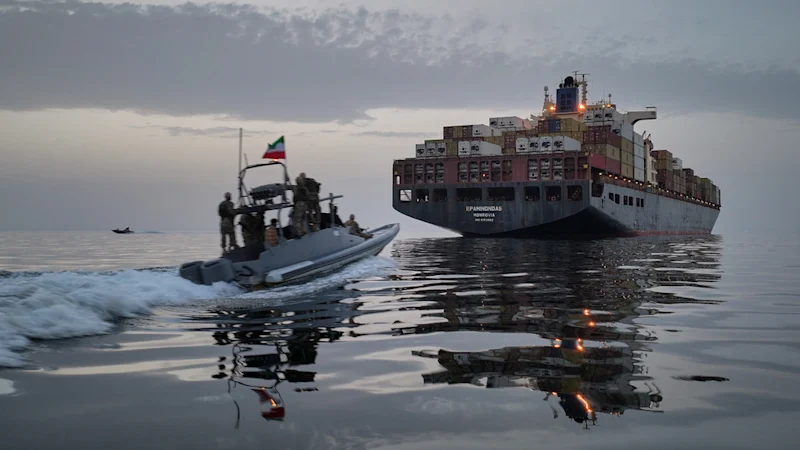
The ensuing war saw the economically vital Strait of Hormuz paralyzed and commercial shipping in the Gulf repeatedly targeted by Iranian strikes.The Joyjatra, chartered by a Singapore-based company, was stranded for almost four months.
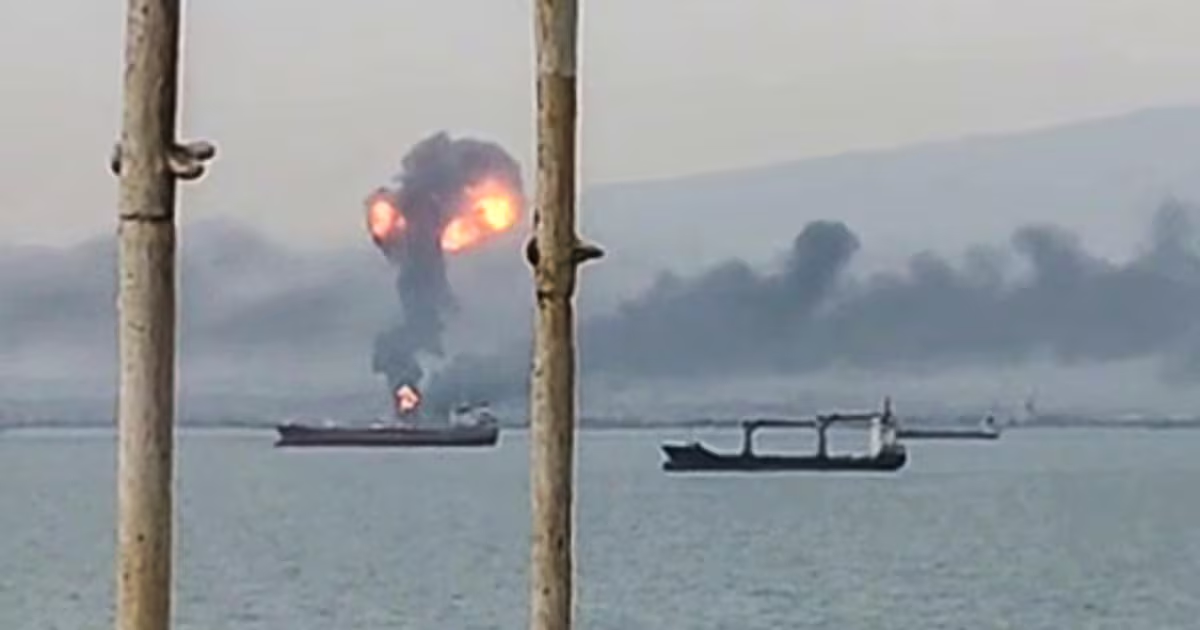
“We loaded 39,000 tonnes of steel coils at [Qatar’s] Mesaieed Port and reached the outer port limits of Jebel Ali in the United Arab Emirates on February 26,” Islam said in a phone interview from his home in Bangladesh’s eastern city of Cumilla. “Something was in the air. There was an ominous atmosphere.”“In the early hours of February 28, we saw a missile strike an oil storage facility just 200 meters away,” he said. “The facility burst into flames.”The sailors anxiously watched as tugboats battled the blaze that had engulfed storage tanks.Bangladesh’s ambassador to the UAE urged Islam to evacuate, but the captain chose to stay aboard, hoping the situation would stabilize.Instead, more strikes followed.Over the following days, explosions rang in the air while the ship’s navigation system stopped working.“After many years, I found myself navigating manually again, searching for lighthouses to make sure we stayed on course,” Islam said.KORAN AND TIKTOKWhen the attacks eased slightly a few days later, the vessel unloaded its cargo and was instructed to sail eastwards via the Strait of Hormuz.Iran had effectively blockaded the waterway, and just 25 nautical miles (46km) from Hormuz, the Islamic Revolutionary Guard Corps denied permission for the vessel to transit.Repeated attempts to cross the strait during the following days met a similar result.At one point, fresh water supplies dwindled and food became scarce, prompting Islam to mandate rationing.He said some crew members were young sailors on their first voyages who appeared traumatized by what was unfolding.“I tried to comfort them. Some spent the whole day reciting the Koran, others passed the time on TikTok. I just wanted everyone to stay calm,” he said.After a ceasefire was announced in April, Islam again tried to cross the chokepoint, only to be turned away once more.The Joyjatra eventually received permission to cross Hormuz on June 23, but it was only after clearing the waterway that the crew was finally able to relax.“We breathed a sigh of relief. God guided us,” Islam said. “As the captain, I had to keep reassuring my crew, along with my wife and children back home, who spent many sleepless nights worrying about us.”“Every time I return home, my family tells me enough is enough, it’s time to leave the sea,” he said. “But I have decided to keep sailing for many more years.”