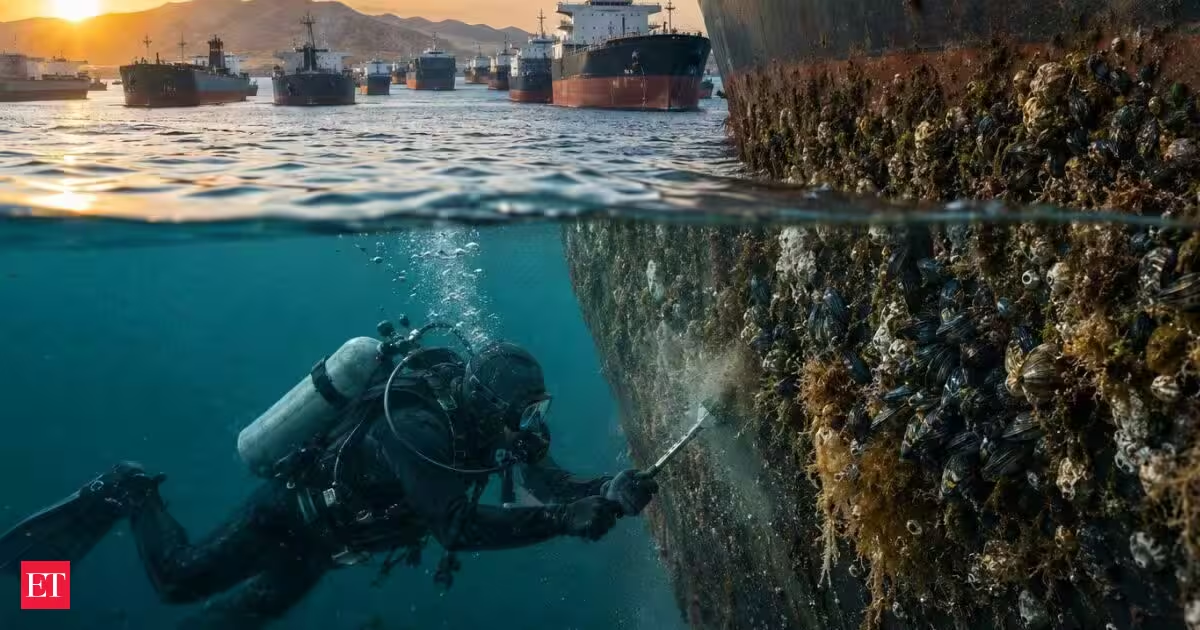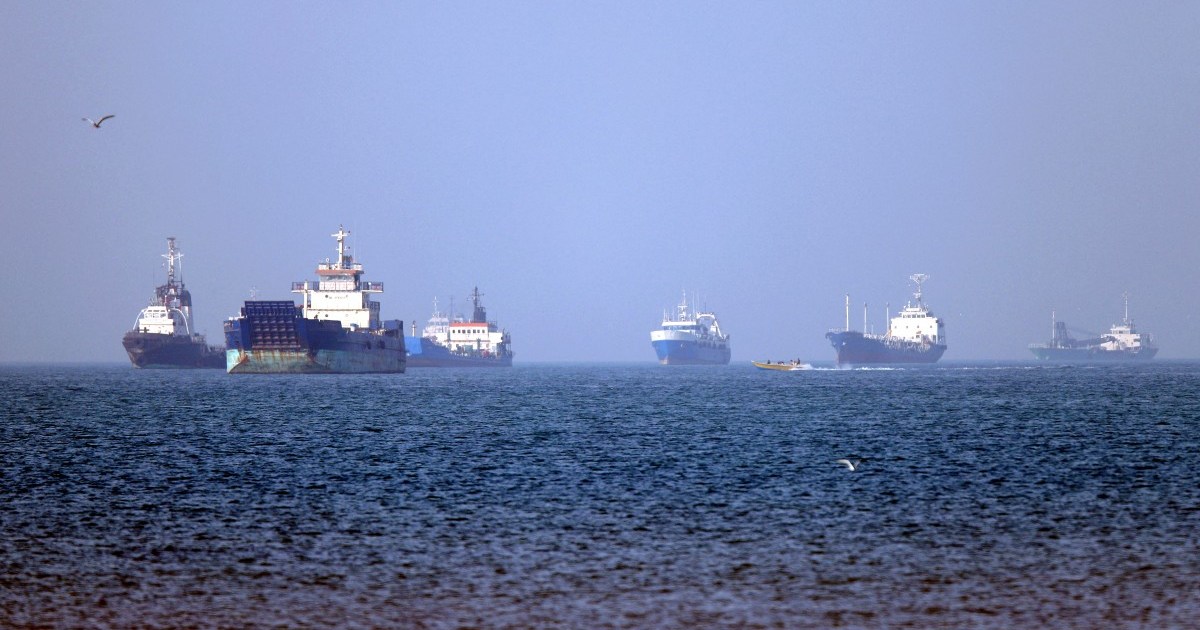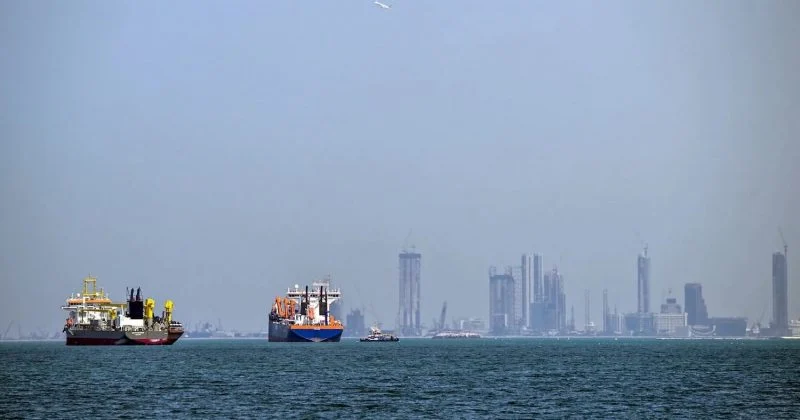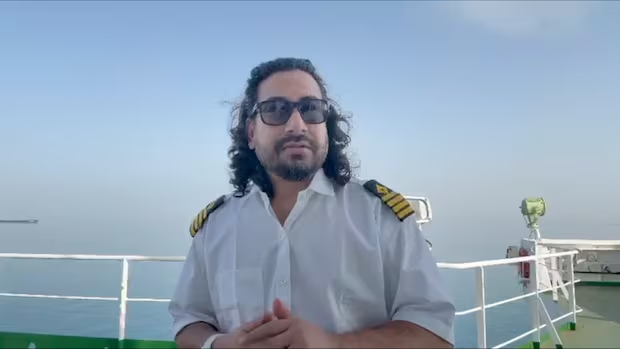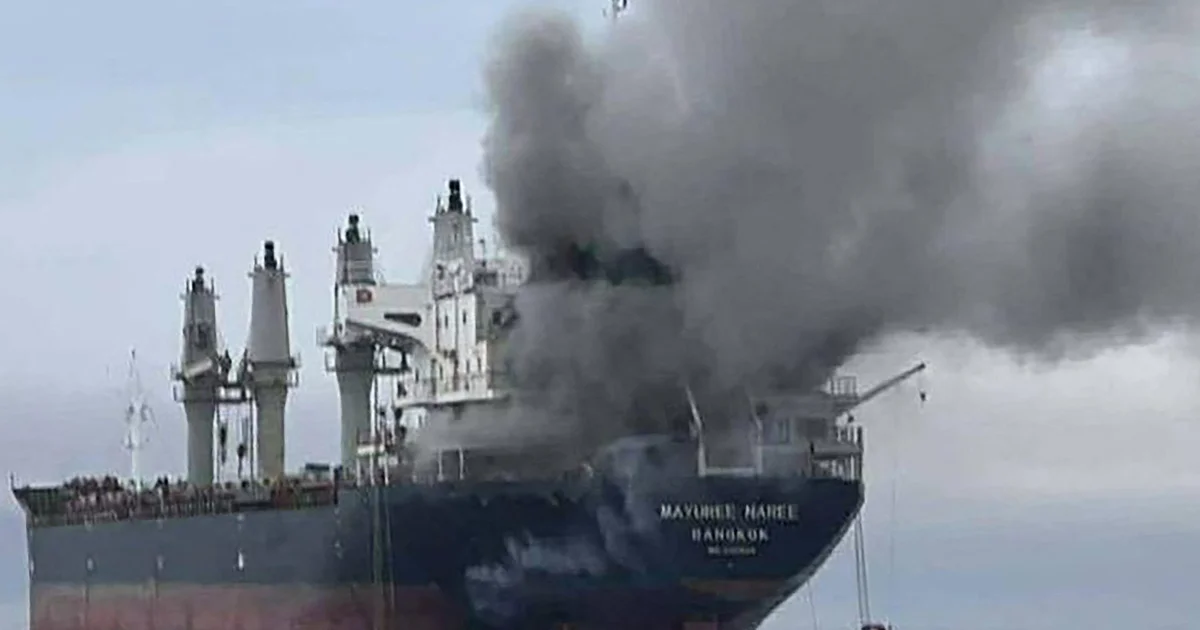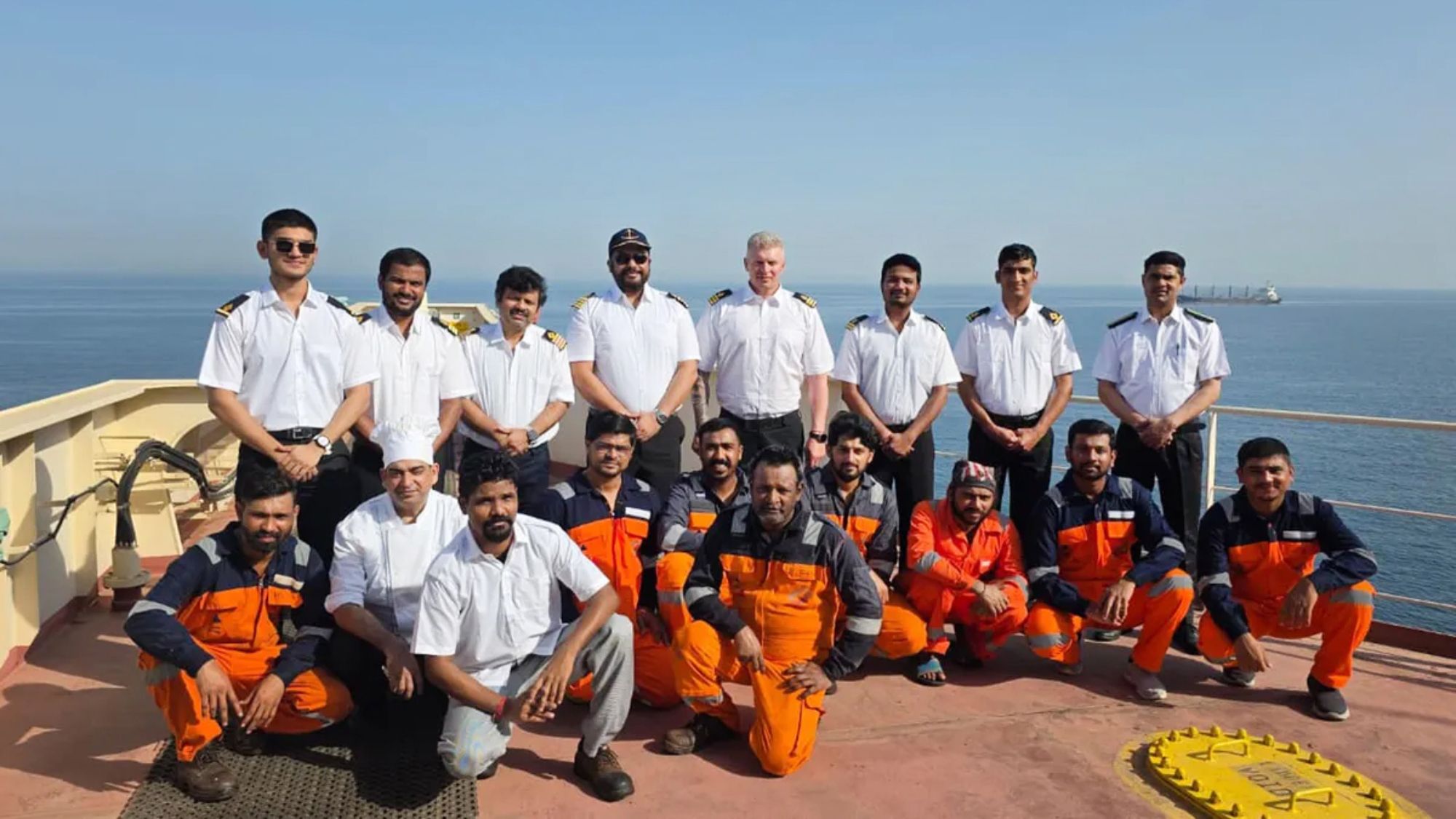
How many sailors are in the Gulf?About 6,000 seafarers are stuck onboard several hundred tankers and cargo ships, many of which have been stranded in the Gulf since the U.S.-Israeli war with Iran erupted in late February. “It’s as if we are trapped in a pond,” Shafiqul Islam, captain of a ship carrying some 37,000 tons of fertilizer bound for South Africa, told the BBC last month. “There’s only one way out.” That’s via the Strait of Hormuz, the narrow waterway between Iran and Oman through which 20% of the world’s oil and liquefied natural gas—as well as shipments of crucial commodities including fertilizer, aluminum, and helium—once flowed from Saudi Arabia, Kuwait, Bahrain, Qatar, Iraq, and Iran to global markets. Before the war, more than 100 ships a day transited the strait, which is 21 miles wide at its tightest point. After hostilities began, Iran declared the waterway closed and launched missiles and drones at vessels trying to sail through, grinding traffic to a halt. At one point, up to 20,000 mariners and 2,000 ships were stuck in the Gulf, with only a few vessels squeezing through the strait each day.
The Week
Escape your echo chamber. Get the facts behind the news, plus analysis from multiple perspectives.