Stranded seafarers remain trapped as Hormuz shipping stalls
Addressing the UN Security Council on Thursday, UN Secretary-General António Guterres lamented the escalation of strikes and counterstrikes by the United States and Iran this month, warning of “devastating consequences in the region and across the globe” if there is no reversal.“The situation is getting out of control. It is teetering on the edge of [the] unimaginable,” he told a meeting on dispute resolution.
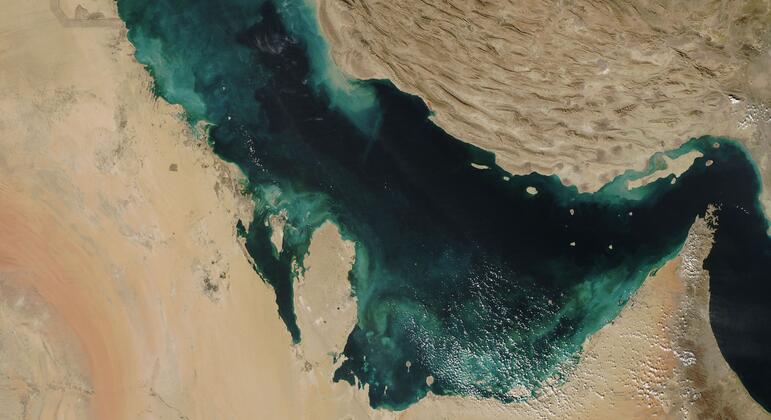
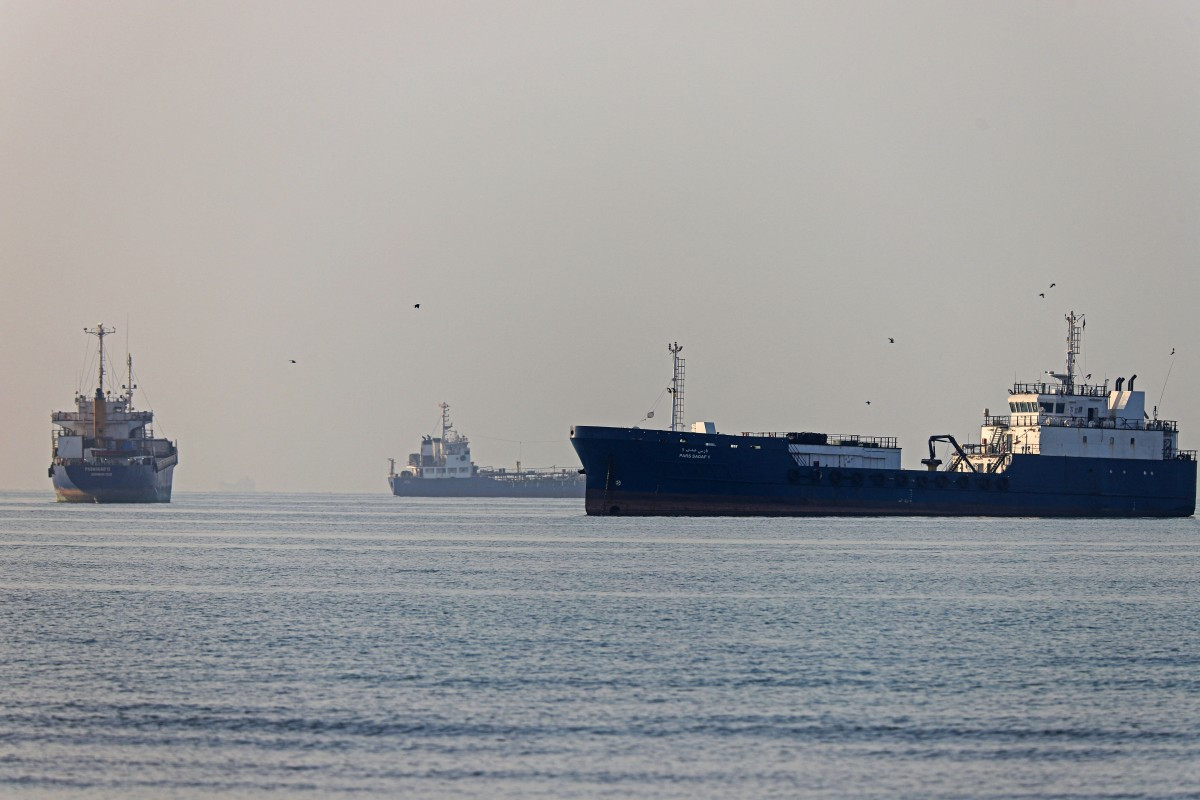
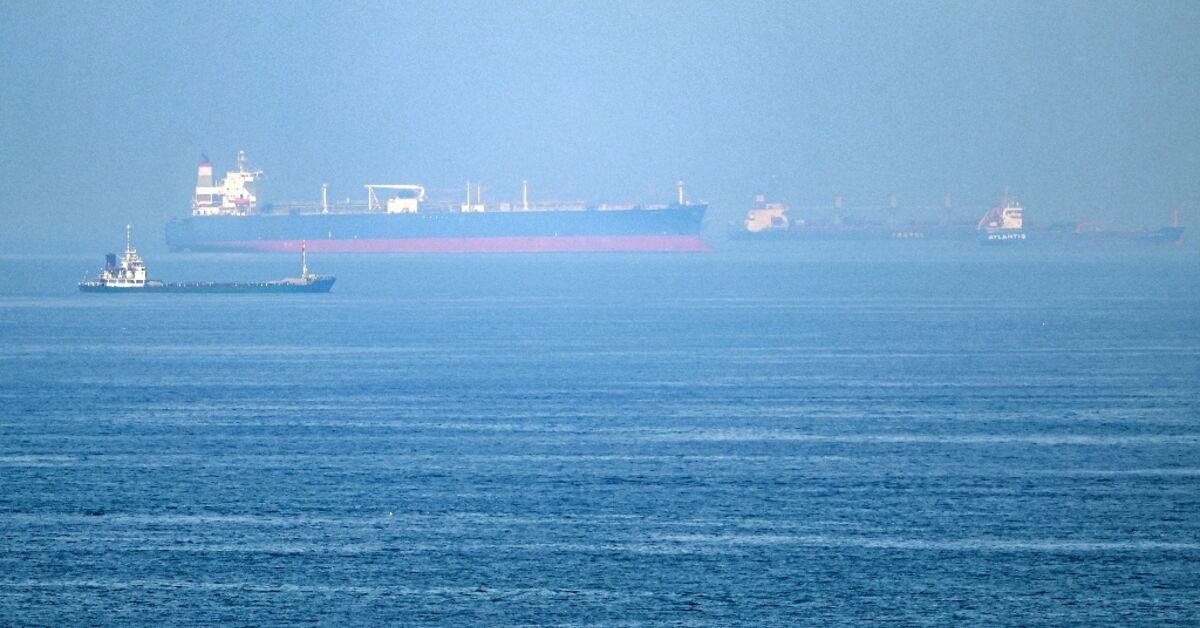
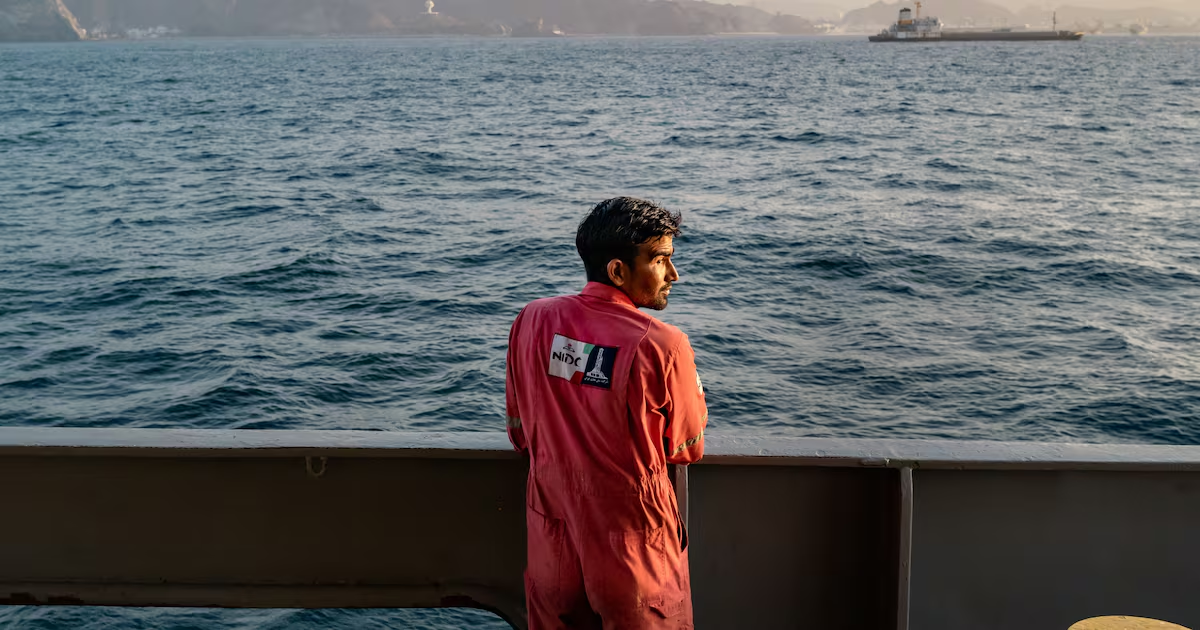
“One crisis feeds another. One escalation triggers the next. As this dynamic spreads, the political objectives are becoming increasingly obscured by the confrontation itself. It is time to step back.”Few ships on the moveIn an update, the UN International Maritime Organization – IMO – has told UN News that “very few ships, if any” are actually sailing across the narrow waterway, following renewed attacks on vessels since hostilities resumed on 12-13 July.IMO Secretary-General Arsenio Dominguez expressed deep concern for the 6,000 seafarers still trapped on around 500 ships moored in the Persian Gulf behind the strait. “We need to remember that these are innocent people who are trained to do the work, that they are not trained for combat, and the vessels are not prepared to defend themselves against missiles and drones,” he said. Seafarers play a crucial role in global trade all around the world and without them, “shipping will not operate”, the IMO chief insisted. “Without them, 90 per cent of goods that are transported by ships will not be able to reach their final destinations and all of us are going to be impacted.”Mr. Dominguez also warned that shipping has been “taken to the limit” in recent years, citing disruption in the Black Sea caused by Russia’s full-scale attack on Ukraine and uncertainty in the Red Sea, where Houthi separatists in Yemen have said they attacked two Saudi oil tankers and closed Bab al-Mandab Strait, threatening to effectively bar shipping to and from the Suez Canal.“We've been taken to the limit,” he insisted. “Because one thing that we cannot replace is those essential cargoes and essential goods that either come from the regions where the conflicts are taking place or that are required for the communities in the countries that are at war.”Houthi attacks widen the crisisThe Bab al-Mandab Strait, the Red Sea's southern gateway, has become a second front, as Houthi forces step up attacks on commercial shipping there.IMO chief Dominguez condemned the latest attacks late on Thursday as “indefensible”, warning they endanger seafarers' lives and threaten shipping security, the marine environment and global supply chains.The humanitarian consequences of the escalation – around both the Bab al-Mandab and Hormuz straits – continue to grow, the UN Spokesperson's office said, warning of mounting needs and costs for aid operations already overstretched.