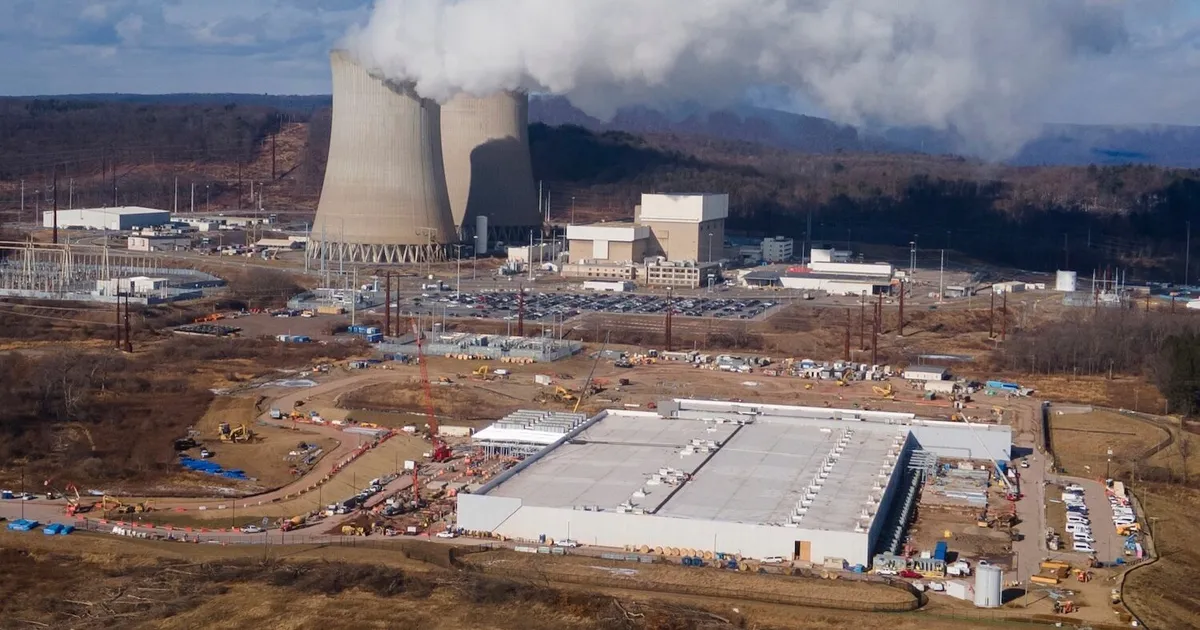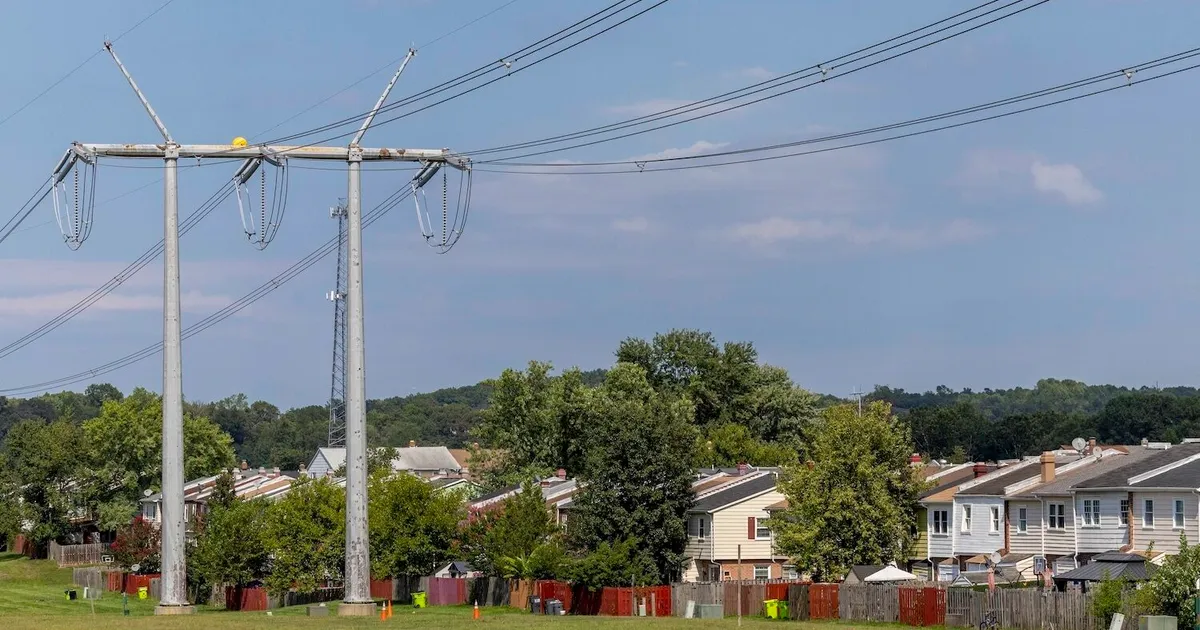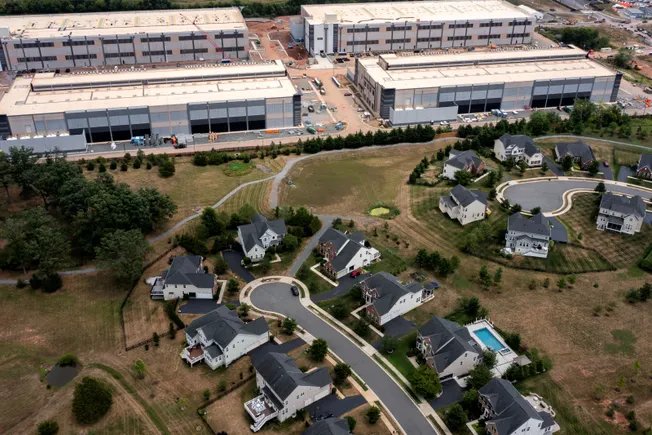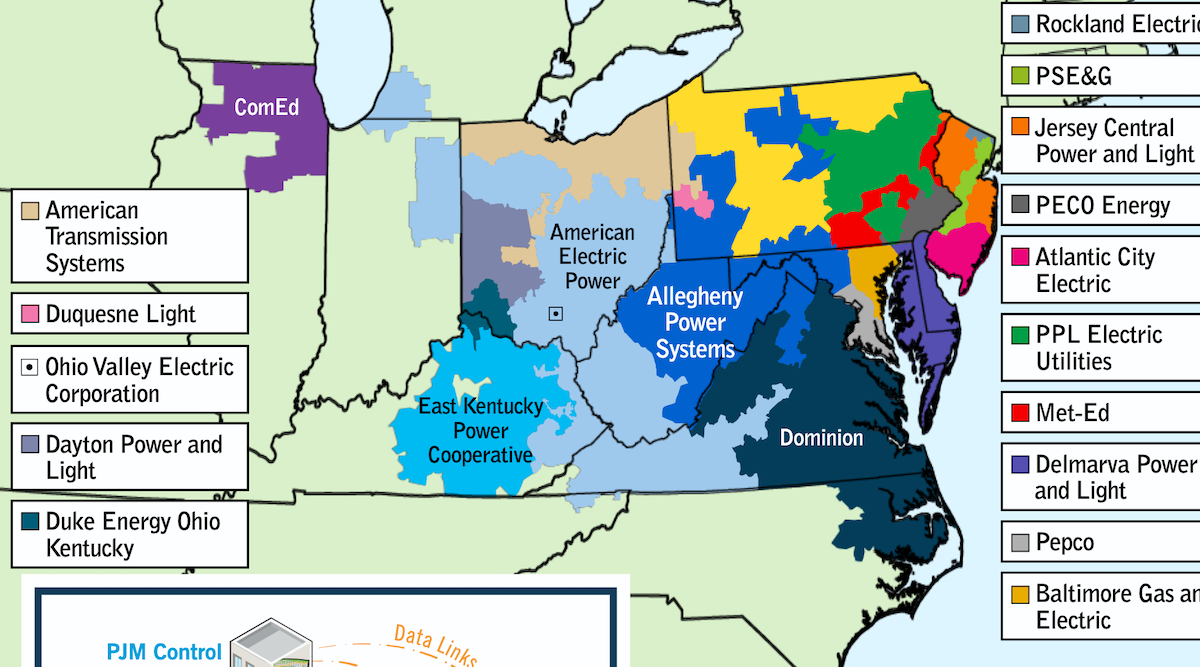
We have more details on how PJM plans to manage the 70 gigawatts of large load growth barrelling its way between now and 2038.
Following months of back and forth over how to run an emergency auction for data centers and whether the RTO is “too big to function,” PJM last week rolled out a multi-part plan for data centers that want to secure their own power supply, as well as a demand response requirement for loads that don’t.
The proposed framework is largely in line with previous proposals and stakeholder expectations. First, as the RTO detailed in plans filed to FERC on Friday, PJM will look to spend up to $20 billion to secure new capacity for data center load growth. That includes a bilateral matchmaking phase to pair up new large loads with new generation; any capacity shortfall that’s left over will be addressed by a one-time auction in phase two.
In total, PJM seeks to procure only the 6.8 gigawatts of capacity that the latest capacity auction failed to secure (as opposed to the full 24 GW shortfall the region anticipates by 2030).
The second part of PJM’s plan includes requiring data centers that don’t bring their own supply to shut off during times of grid stress, starting in 2027. Both parts of the plan rely on the creation of a large load registry, which will track sites greater than 50 megawatts, with information like location, size, and any onsite generation.