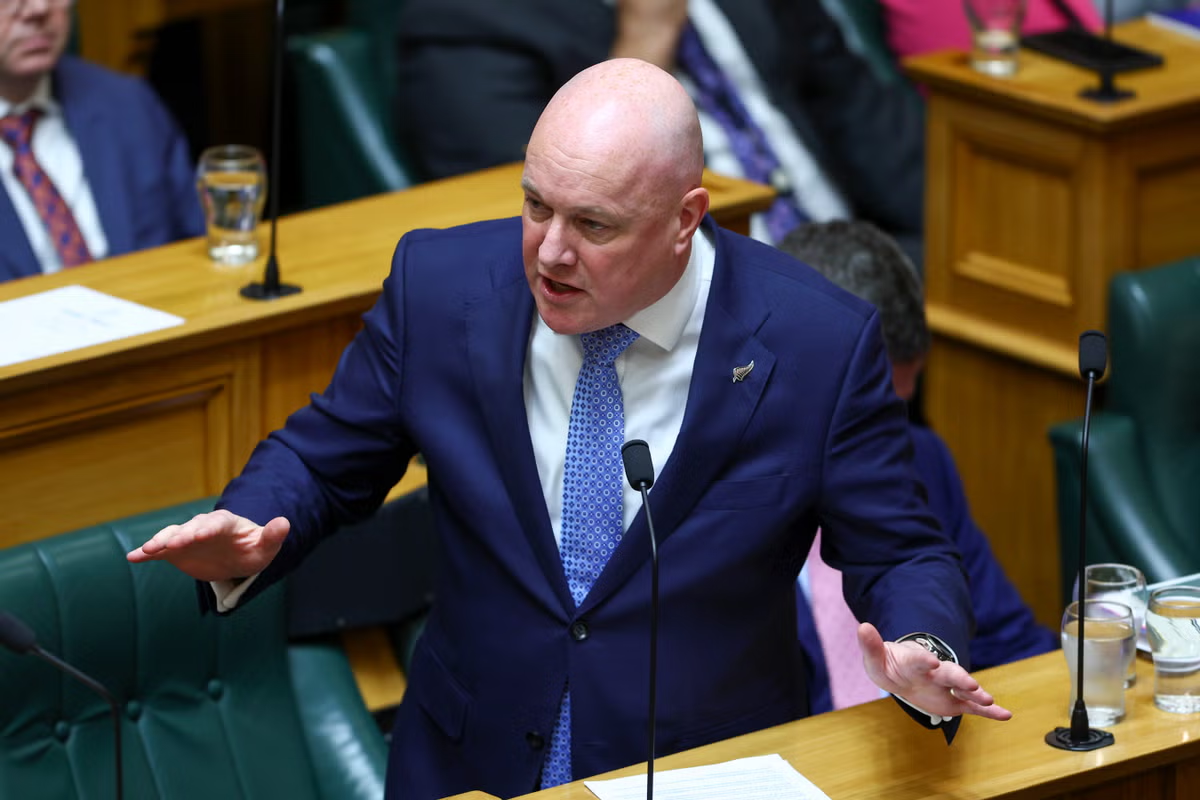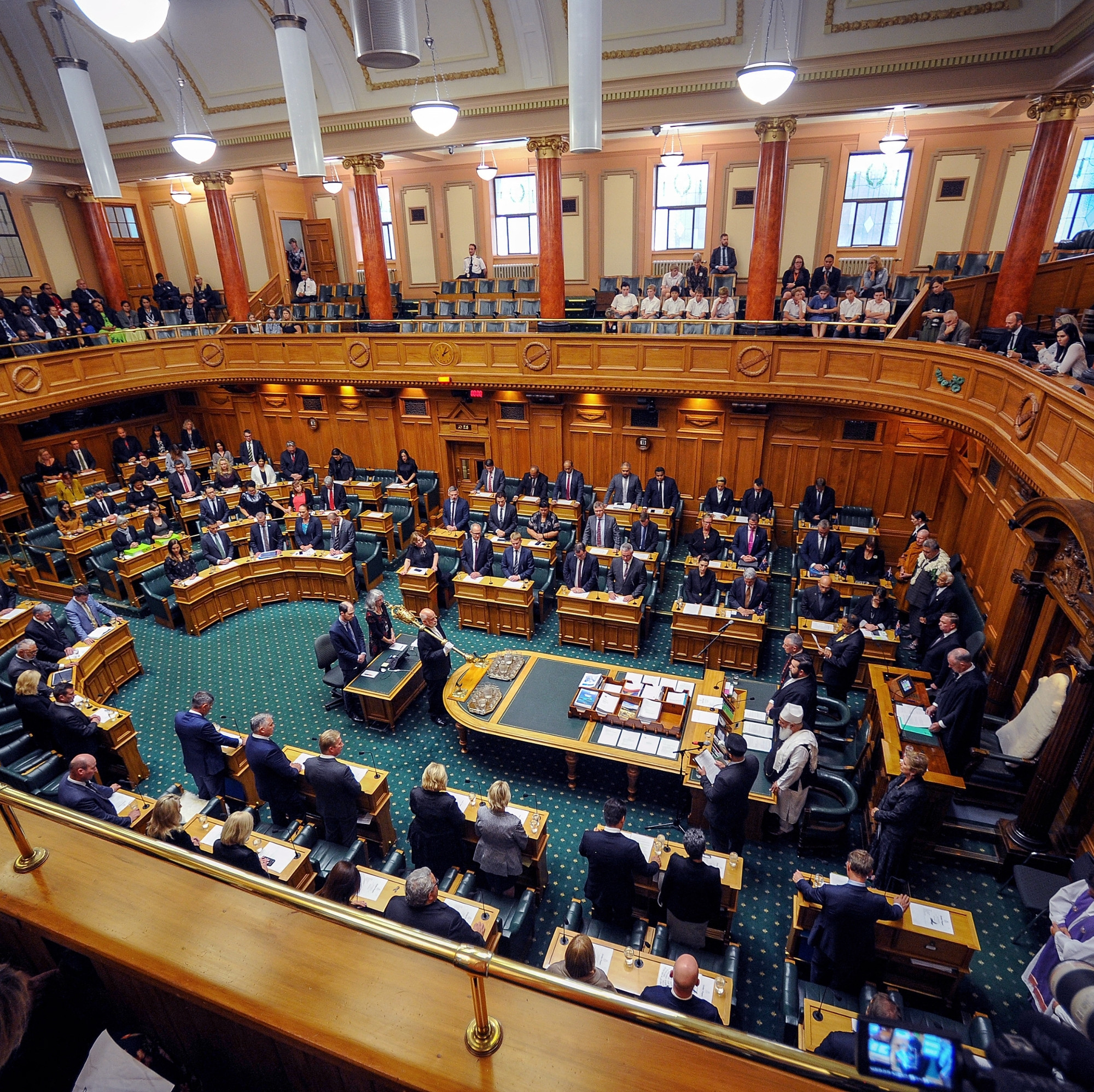
Jump to contentThank you for registeringPlease refresh the page or navigate to another page on the site to be automatically logged inPlease refresh your browser to be logged inAllNewsSportCultureLifestyleNew Zealand lawmakers have passed a bill to make English an official language of the country, effective from 30 July. This move places English on equal footing with the Māori language and New Zealand Sign Language, which were already official. The legislation, championed by the nationalist New Zealand First party and the centre-right National Party, was supported by the coalition government and Labour, but opposed by the Greens and Te Pāti Māori. Critics, including Green MP Tamatha Paul and linguistic experts, condemned the bill as ”virtue signalling and a waste of parliamentary time and money”, arguing English is not under threat and the move risks marginalising te reo Māori. Despite widespread opposition from nearly two-thirds of public submissions, proponents argued it was a practical measure to align the statute book with existing practice. In fullNew Zealand’s decision to recognise a new official language draws sharp criticism: ‘Embarrassing waste of time’More bulletinsThank you for registeringPlease refresh the page or navigate to another page on the site to be automatically logged inPlease refresh your browser to be logged in
Lawmakers in New Zealand pass bill to make English an official language
Jump to contentThank you for registeringPlease refresh the page or navigate to another page on the site to be automatically logged inPlease refresh your browser to be logged inAllNewsSportCultureLifestyleNew Zealand lawmakers have passed a bill to make English an official language of the country, effective from 30 July. This move places English on equal footing with the Māori language and New Zealand Sign Language, which were already official. The legislation, championed by the nationalist New Zealand First party and the centre-right National Party, was supported by the coalition government and Labour, but opposed by the Greens and Te Pāti Māori. Critics, including Green MP Tamatha Paul and linguistic experts, condemned the bill as ”virtue signalling and a waste of parliamentary time and money”, arguing English is not under threat and the move risks marginalising te reo Māori. Despite widespread opposition from nearly two-thirds of public submissions, proponents argued it was a practical measure to align the statute book with existing practice. In fullNew Zealand’s decision to recognise a new official language draws sharp criticism: ‘Embarrassing waste of time’More bulletinsThank you for registeringPlease refresh the page or navigate to another page on the site to be automatically logged inPlease refresh your browser to be logged in