Surging AI demands are driving the need for massive datasets and context windows that burst past the confines of system memory.
But rising needs aren’t met by simply adding more storage capacity. What’s needed is useful, grounded insights from AI factories and efficient, secure storage architectures that enable those insights.
At this week’s Future of Memory and Storage (FMS) conference, NVIDIA is unveiling new storage advancements and showcasing how the next leap in AI depends as much on the storage infrastructure feeding accelerated computing as on the computing power itself.
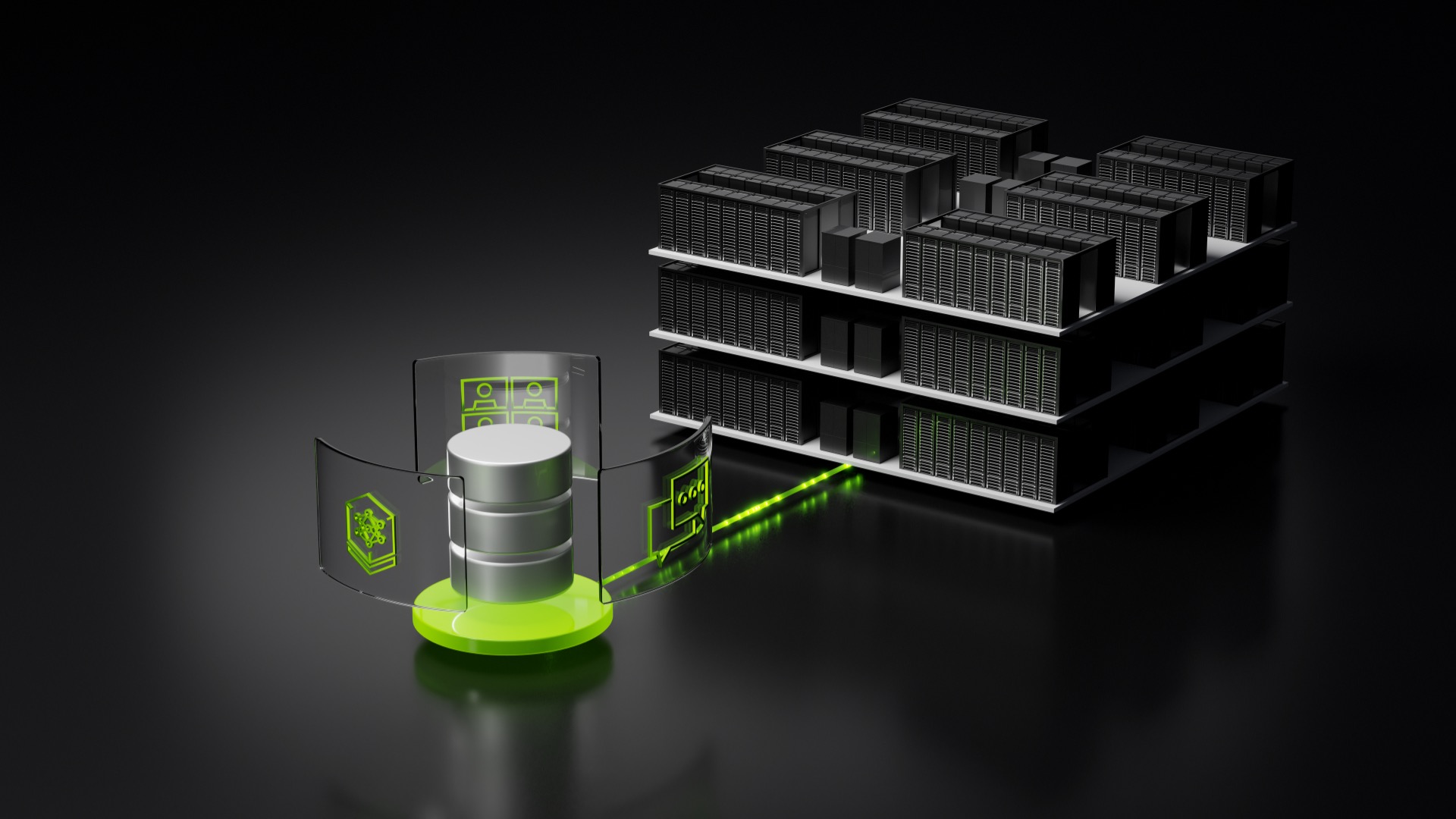
The pressure on that infrastructure is intensifying as AI agents consume massive amounts of data — and GPUs can now initiate storage requests directly, generating thousands of concurrent operations.
To serve those requests, storage systems must continuously encrypt, compress, verify and reconstruct data. These critical data services can become bottlenecks when thousands of agents access storage simultaneously.