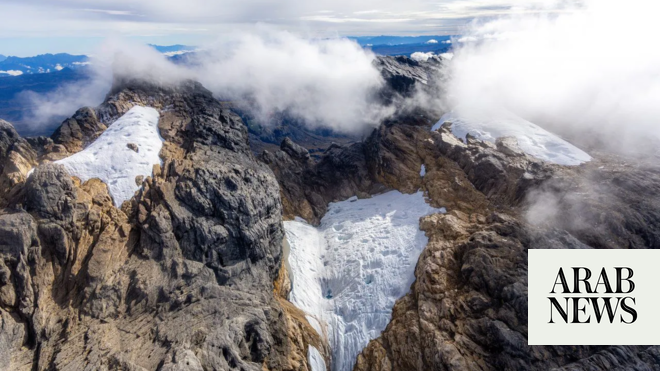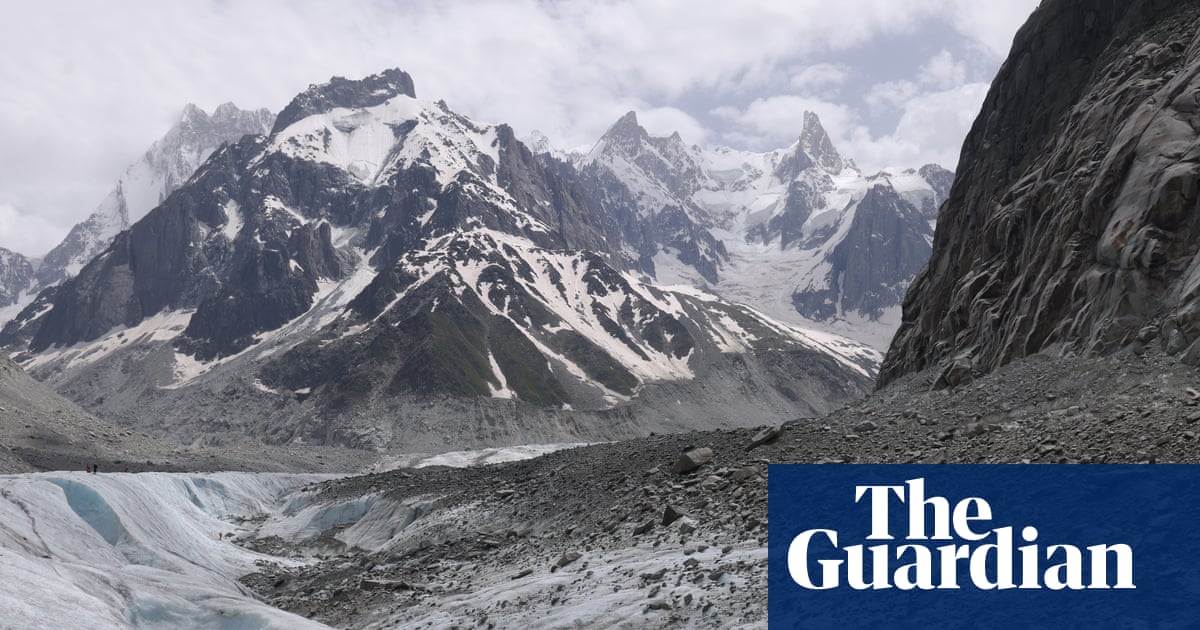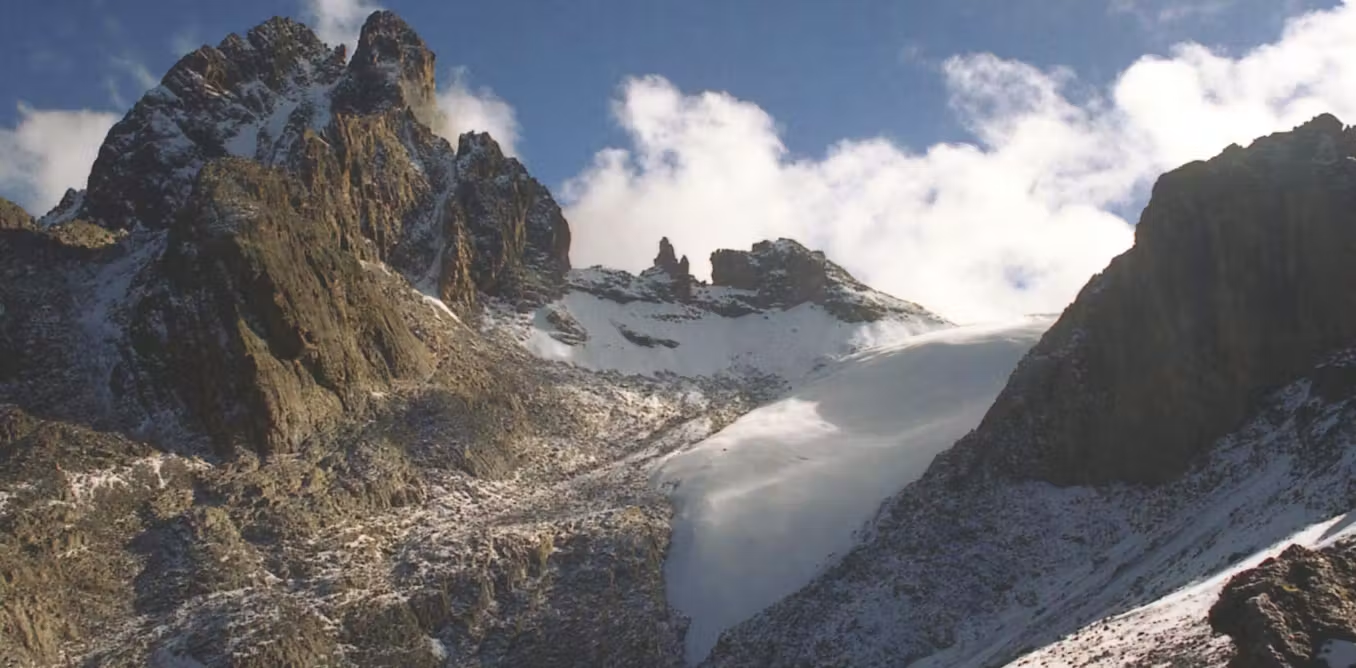
East Africa’s shrinking mountain glaciers on three peaks in Kenya, Uganda and Tanzania will soon be no more. The 2025 State of the Climate in Africa report (page 13) estimates that the ice areas on Mt Kenya, the continent’s second-highest peak, have shrunk 96% in the past 115 years. The ice cap will cease to exist in three to five years, says the report. Rainer Prinz, who studies climate-glacier relationships, explains the intricate processes behind the retreat and what the consequences will be.
What makes up the ice caps?
Glacier ice consists of snow accumulated over decades and centuries. Some snow may melt during summer or warm seasons. But some remains and is covered by more snow falling during the wet seasons. Glacier ice, which makes up the bulk of the white mountain tops, is formed by this process.
There are glaciers on Mt Kenya, Kilimanjaro in northern Tanzania and Rwenzori, on the border between Uganda and the Democratic Republic of Congo.
These glaciers have increased and decreased in size during the past centuries and millennia following wetter and drier climatic conditions. The glaciers as features might be as old as 10,000 years, but the ice itself is considerably younger.