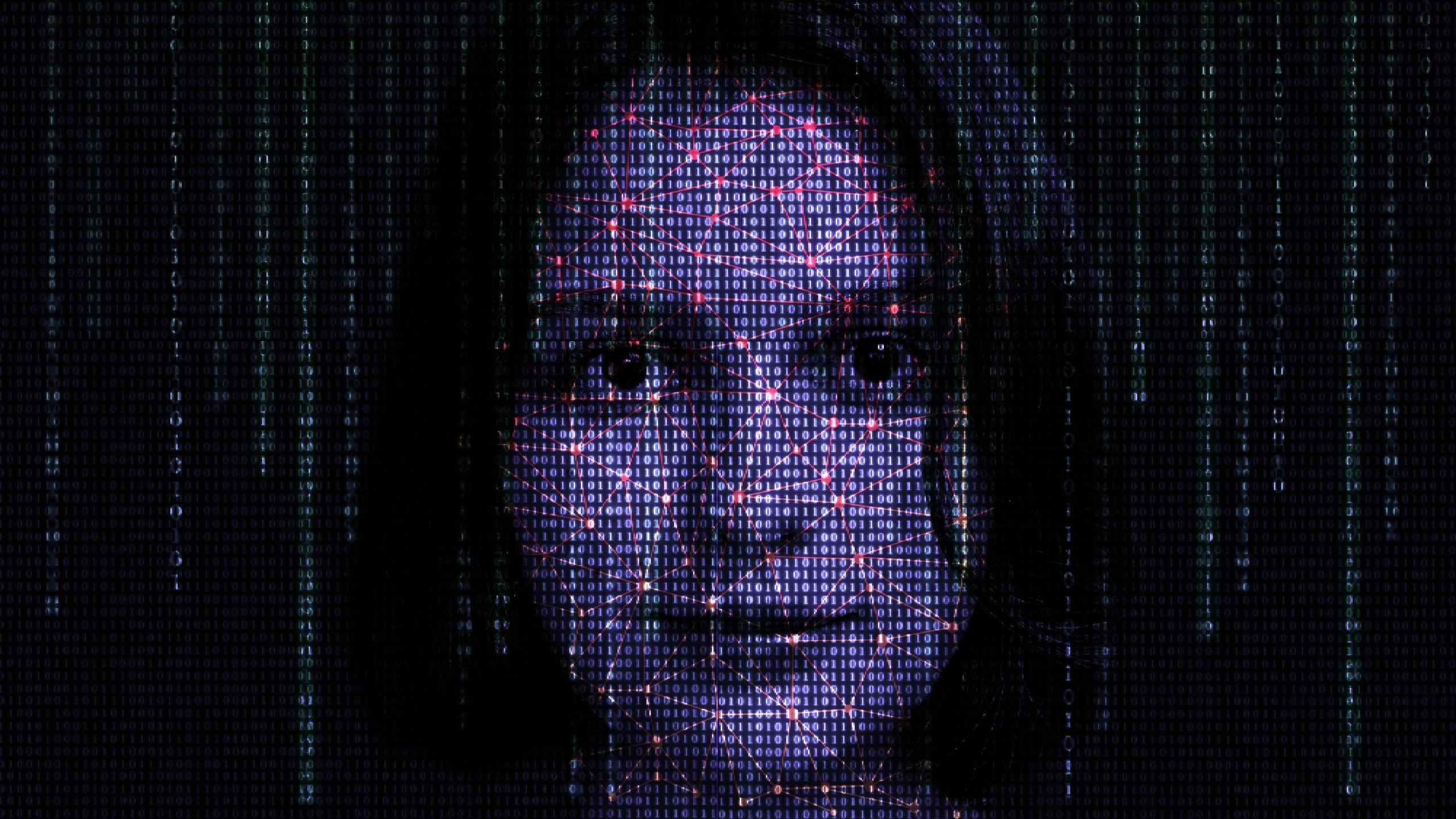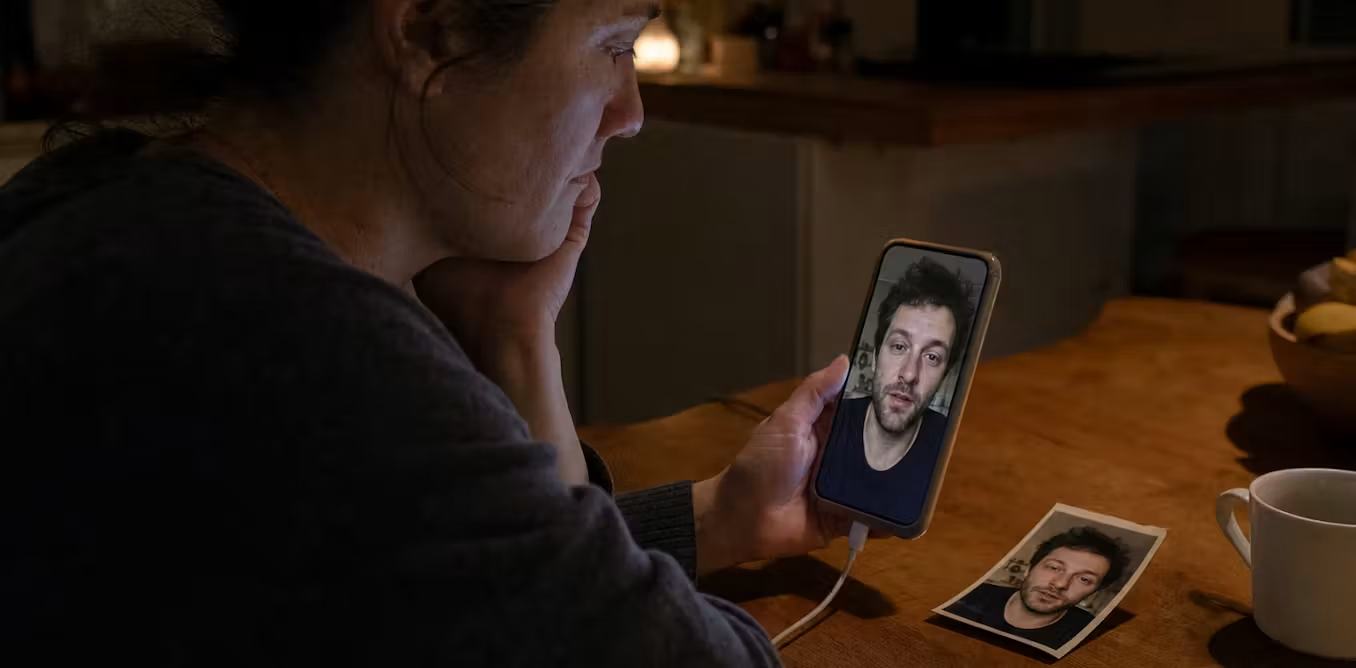
Interactive digital clones of deceased people feed off a person’s digital footprint which is comprised of messages, photos, videos, voice recordings and social media, enabling the living to simulate conversations with the dead.
These mind-bending subscription services are becoming part of a burgeoning commercial “digital afterlife” industry that raises emotional and ethical concerns about how we process grief.
This article offers food for thought on who has the final say on how the deceased’s identity should be represented, who has access to these services and how companies make money from them.
Thanabots (or griefbots), artificial intelligence (AI) trained based on the deceased’s social media and other personal data, turn these traces of a human being’s life into an eerie speaking identity shaped by families, algorithms, and companies.
A phone lights up. A dead friend answers. A dead son remembers our birthday.