The Pulse | Environment | South Asia
Most climate finance goes where it is easiest to lend. Embankments, water systems, shade, and shelters that save lives and livelihoods in villages struggle to find funding.
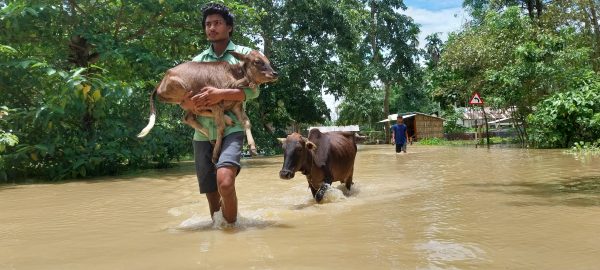
A man carries a calf through flood waters in Assam’s Dibrugarh district, India, July 2024.
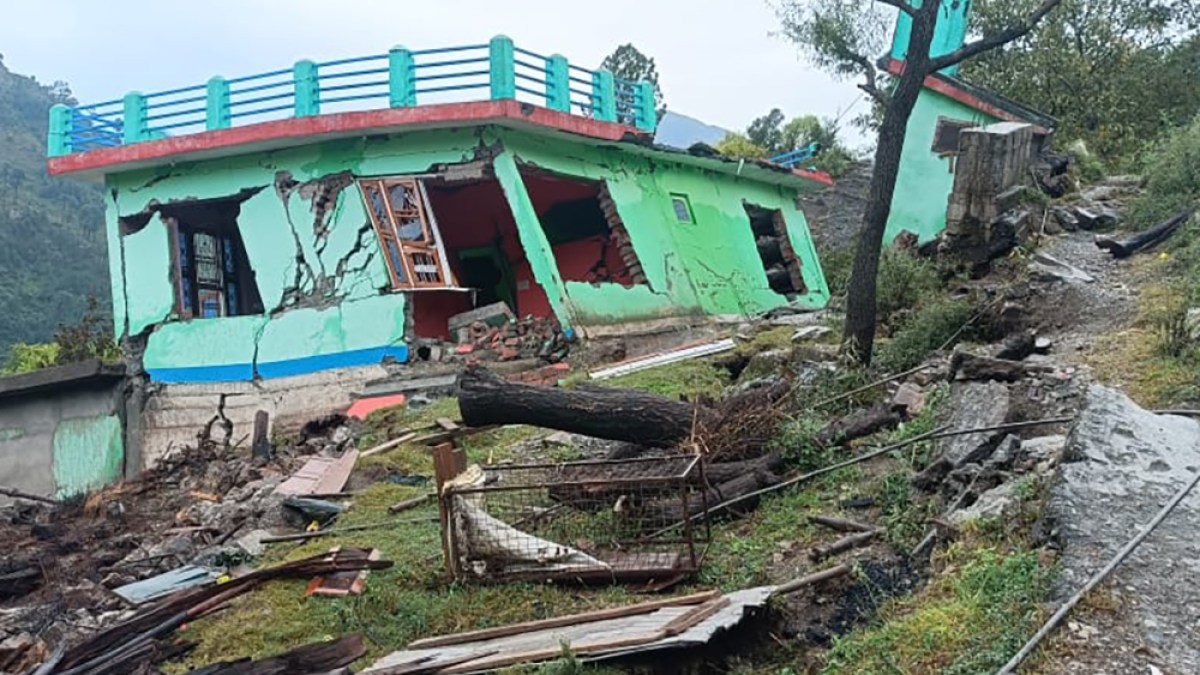
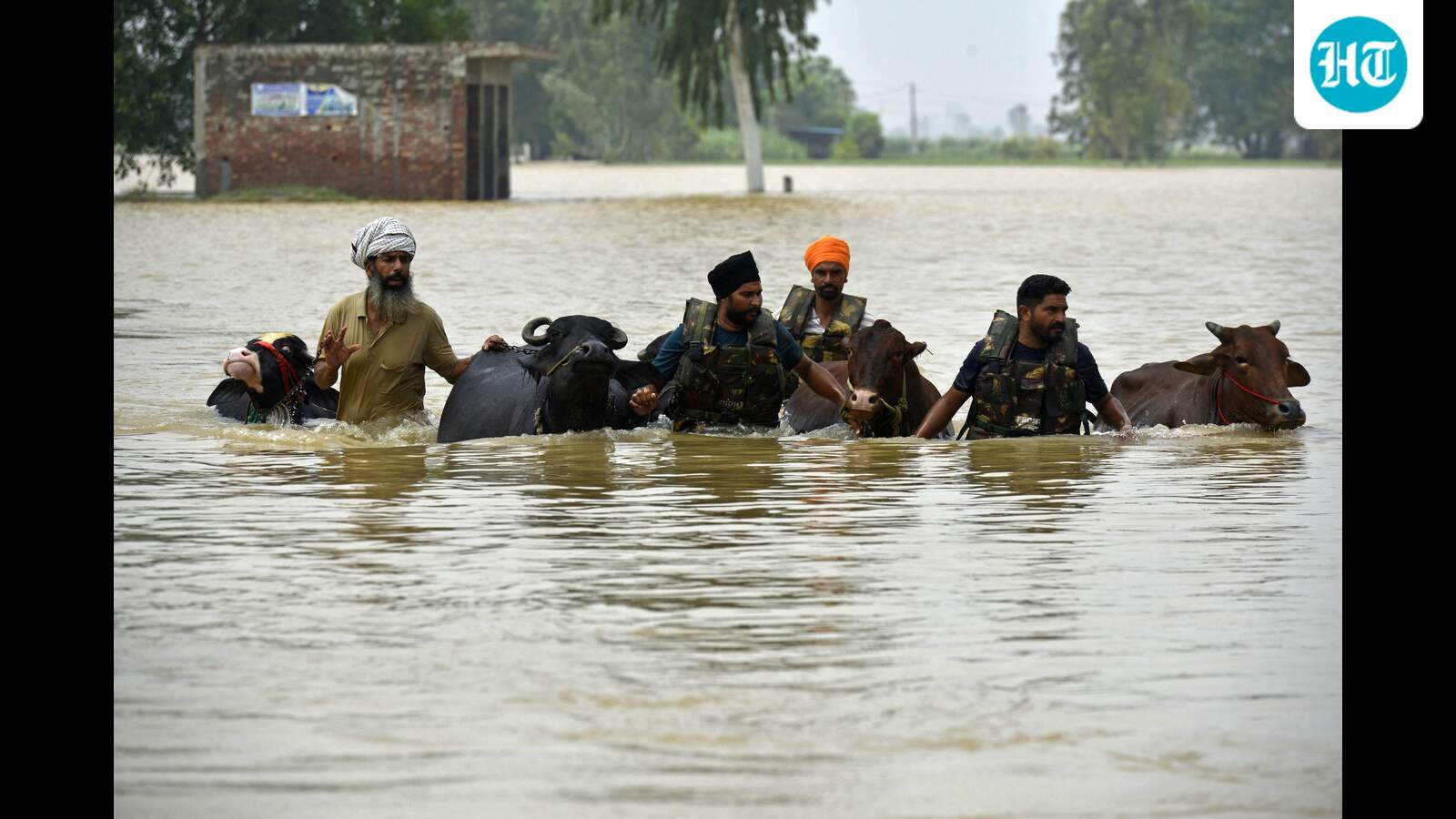
More than 80 percent of India’s population lives in districts highly vulnerable to floods, droughts, and cyclones, according to the Climate Vulnerability Index developed by the Council on Energy, Environment and Water. In states such as Assam, Andhra Pradesh, Maharashtra, Karnataka, and Bihar, that vulnerability is already visible in damaged roads, disrupted farming, and recurring displacement. Local officials know what is needed — higher roads, stronger embankments, safer shelters, and simple early-warning systems. However, the problem is not knowledge, but funding.
Just as these districts need more protection from rising heat and encroaching water, the World Bank has ended its 45 percent climate finance target, a change that could weaken accountability for where money goes. This decision will widen the gap between where climate money is easiest to spend and where it is actually needed. For India’s poorest, most climate‑exposed districts, especially marginalized rural communities, dropping a binding target weakens accountability and makes it easier to bury real adaptation needs under vague “outcomes.”