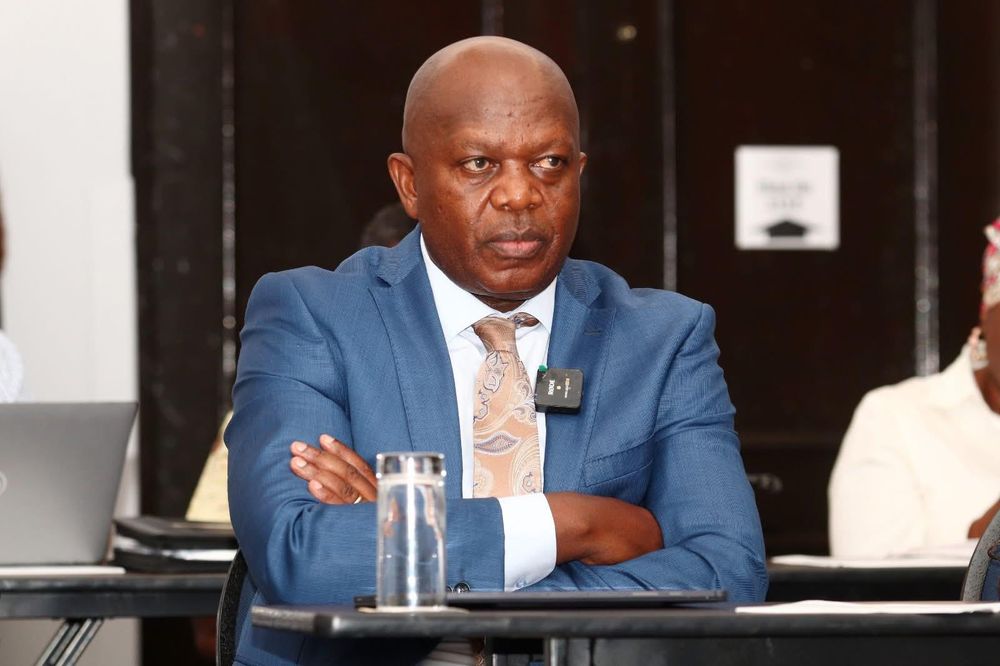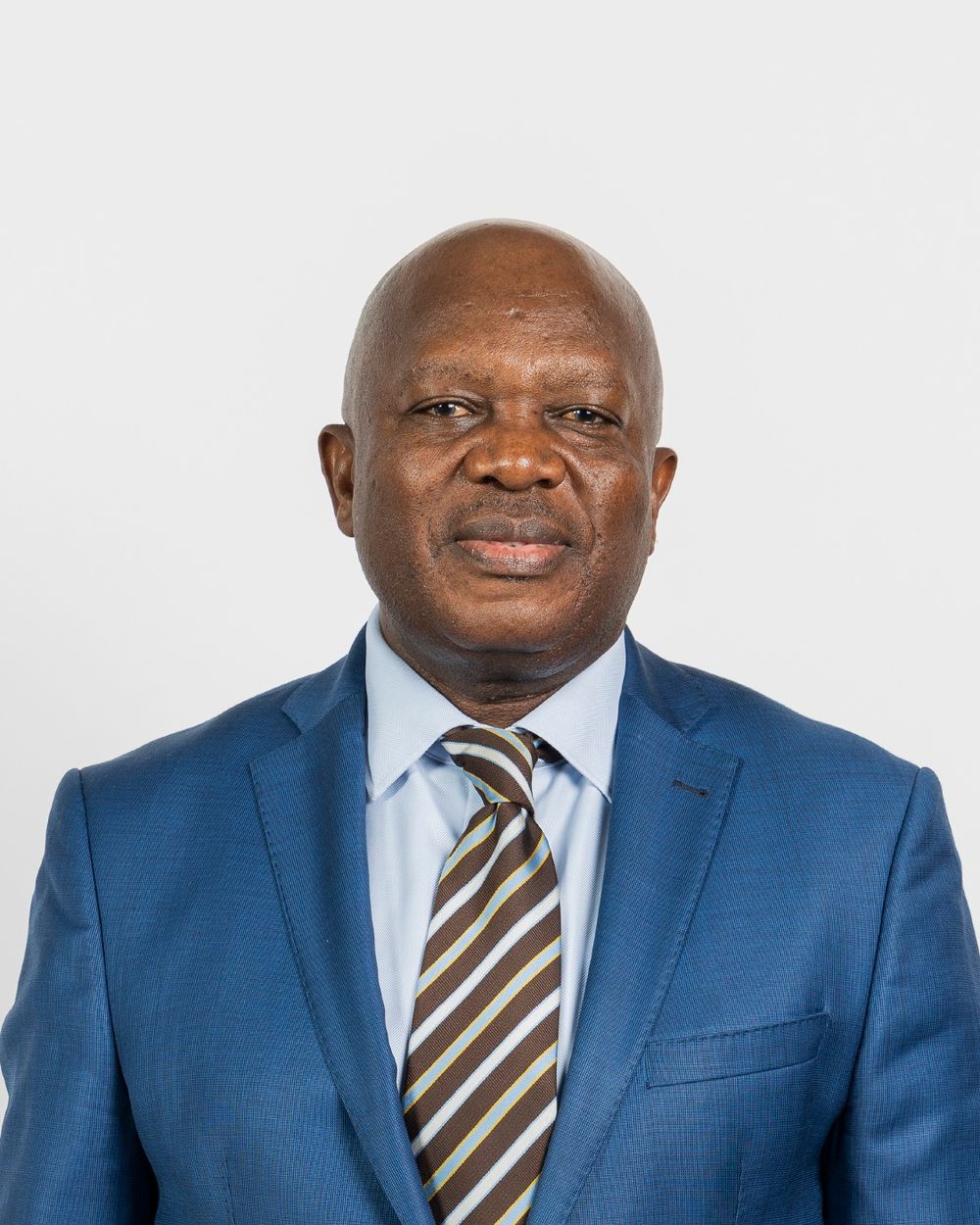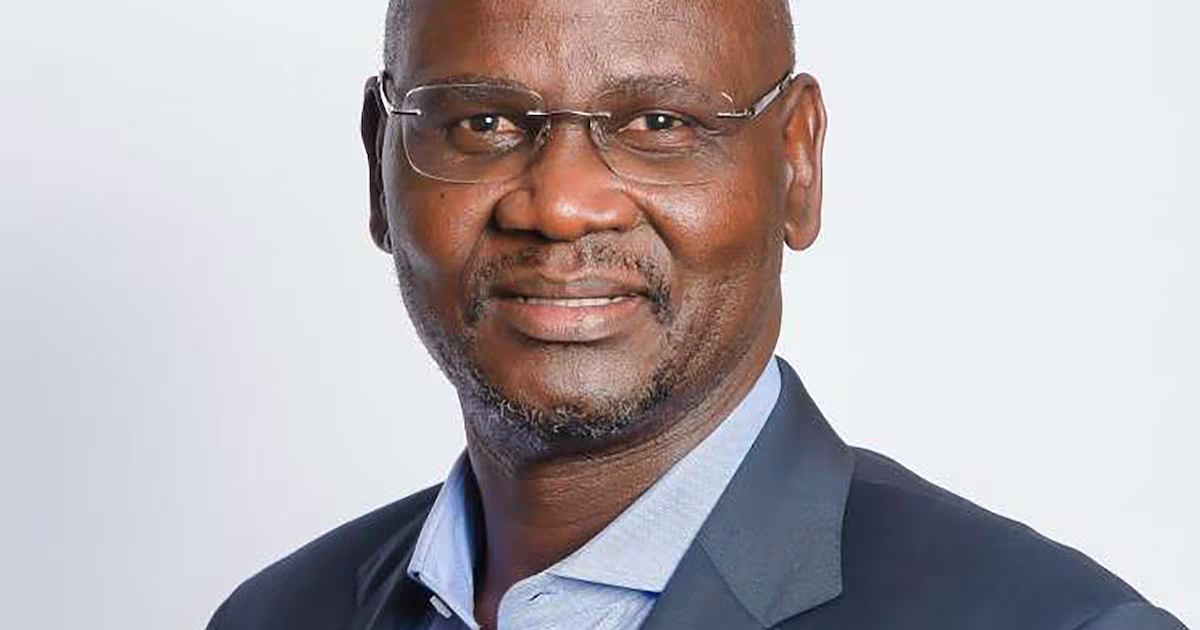
By Kabelo KhumaloSuspended PIC CEO Patrick Dlamini scored a big victory on Tuesday when the high court in Pretoria set aside his suspension — a ruling that brings an element of leadership stability to the asset manager engulfed in a turf war.The court found that the decision of the erstwhile PIC board to suspend Dlamini last month did not hold water.Judge Nathan Mbongwe said the suspension breached the PIC Act, which provides that the minister of finance must appoint the CEO in consultation with the cabinet.“The role of the board in this regard is limited to the selection and recommendation of a suitable candidate. The delegations of authority require that suspension of the CEO be recommended by the human resource & remuneration committee, initiated by the chairperson and approved by the minister in consultation with the cabinet,” the judgement reads.“None of these prerequisites were met. The board acted unlawfully, without ministerial approval, and in disregard of its own policies.” The suspension of Dlamini in mid-July, just over a year into the role, led to a board exodus, which culminated in the appointment of a new board last week, headed by Seiso Mohai.The previous board was chaired by deputy minister of finance David Masondo, who eventually ended up not seeing eye to eye with minister of finance Enoch Godongwana on the PIC matters, including on Dlamini.Dlamini was suspended following a whistle-blower report that alleged wrongdoing on his part, particularly in the transaction that saw the company pay R430m to an outfit called Acapulco in a transaction gone wrong.The transaction had been well advanced when Dlamini was appointed as PIC CEO a year ago.Acapulco in 2013 received a R333.2m loan from the PIC to buy a 25% stake in Lanseria International Airport.Under the terms of the deal, Acapulco was expected to use reasonable commercial endeavours during the term to raise funds to refinance a portion of the capital loan amount.The final repayment of the capital loan amount was to fall on the 10th anniversary of the first advance date, which came in the latter part of 2023.Acapulco defaulted on the loan, which had ballooned to about R600m, including interest. The PIC then moved to seize Acapulco’s shares, setting the scene for what will be telling of the company’s culture.The issue of the valuation of the stake then came into play. The PIC and Acapulco hired the professional services firm BDO to conduct the valuation. BDO’s valuation of Acapulco’s stake was about R330m, which meant the outfit would have walked away with nothing based on what it owed the PIC.The asset manager, however, exhibited extraordinary grace to a defaulting company and allowed Acapulco to do away with BDO and introduce to it the accounting firm Crowe, whose valuation of Acapulco’s stake eventually came in at about R1bn.Crowe’s valuation opened the door for it to be paid R430m, which is essentially the difference of the R600m it owed the PIC and Crowe’s valuation of its stake.A PwC investigation commissioned by Dlamini found that the PIC, which on paper rejected Crowe’s valuation, put up a weak defence at the arbitration, to the ultimate benefit of Acapulco.The FSCA is investigating the matter. To have a better grasp and accountability of investment decisions, Dlamini had, before his suspension, initiated a process to split the chief investment officer role (CIO) into three distinct roles responsible for listed investments, unlisted investments, properties and infrastructure.
BREAKING | Court overturns Dlamini suspension in blow to former PIC board
Ruling restores PIC chief as court faults board over unlawful suspension process
565 words~3 min read