As the urgency to respond to climate change intensifies across Southeast Asia, central banks could make a vital difference. Their traditional mandates to maintain price and financial stability are increasingly having to reckon with climate-induced macroeconomic shocks. Under their core mandates, regional central banks are already monitoring the price and financial risks of climate scenarios, an important reactive function.
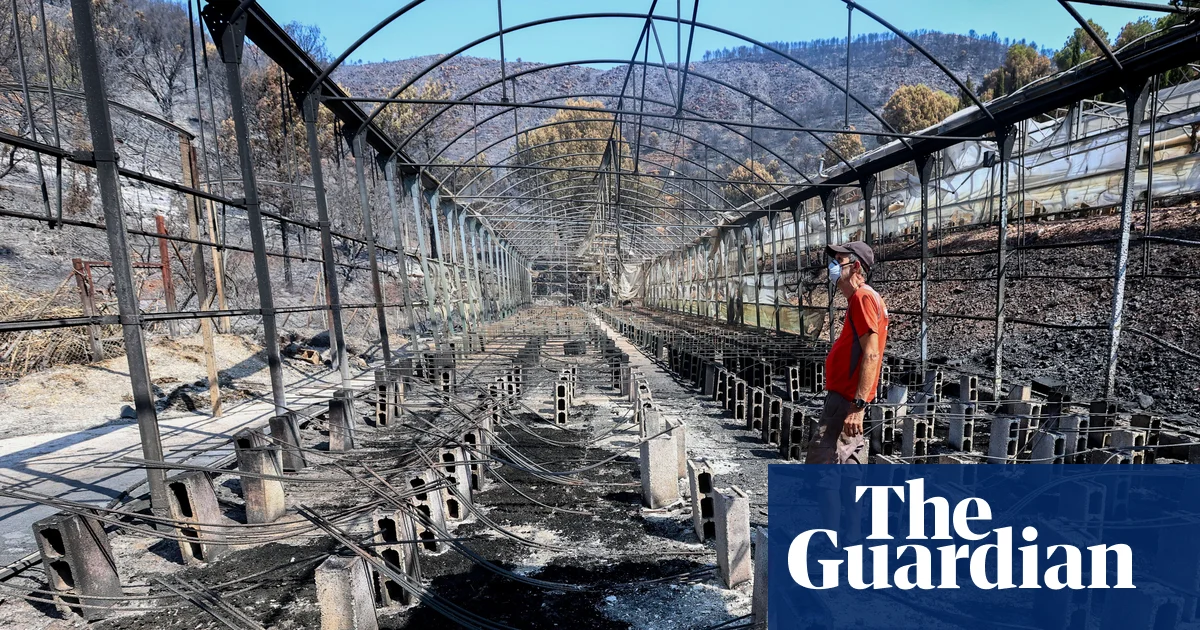
But as extreme weather events become more frequent, systematically causing price hikes by disrupting supply chains and production processes, eroding the value of loan collateral and increasing default risks, central banks should more proactively set monetary policy. During a single week in 2025, three typhoons tore across the region, killing more than 1300 people and displacing 1.2 million, while a one per cent rise in temperature could hike regional food production costs by 0.5–0.8 per cent, stressing the price stability mandates of central banks.
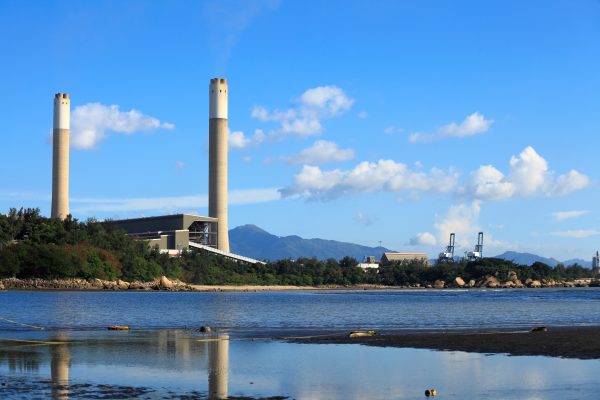
The rationale for an anticipatory policy role is further buttressed by the sheer scope of the market failure associated with climate change, especially given the region is a leading carbon emitter. Fossil fuels make up four-fifths of ASEAN’s energy and their use is still growing on the back of the region’s projected economic growth and energy demand — among the highest in the world — with emissions projected to rise 35 per cent by 2050.