The unprecedented joint US-Saudi strikes on Iran-linked militias in Iraq last week have done more than raise the prospect of retaliation.
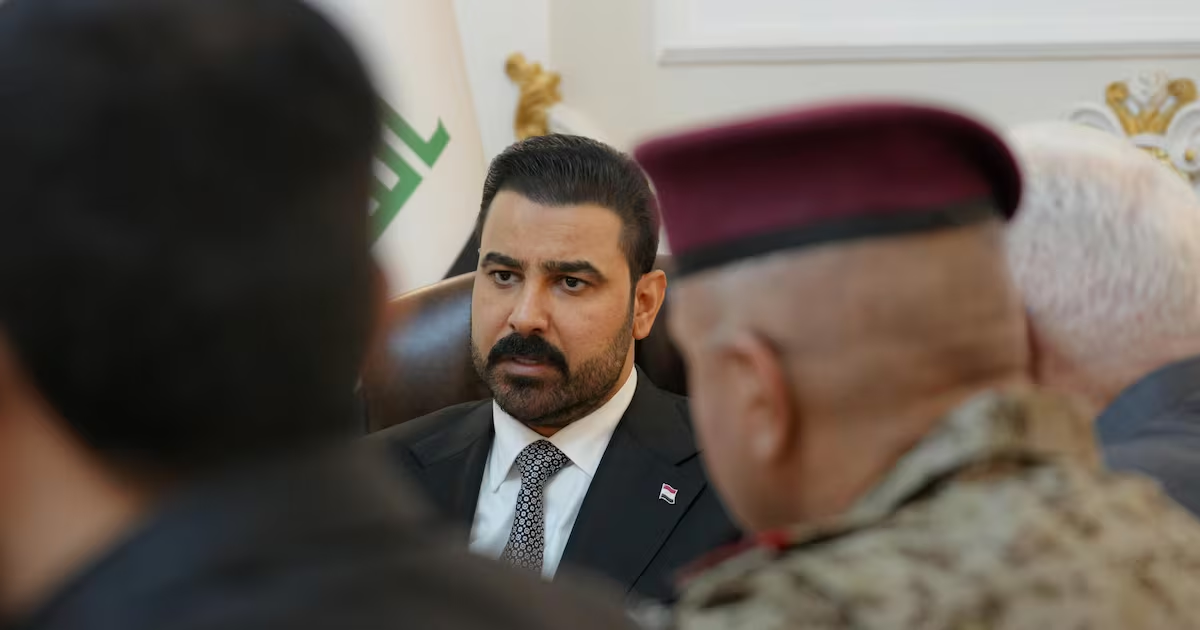
They have exposed the fragile foundations of Baghdad's effort to balance closer ties with Riyadh and Washington while containing powerful armed groups aligned with Tehran, potentially forcing Iraq to make difficult choices that it has long sought to avoid.
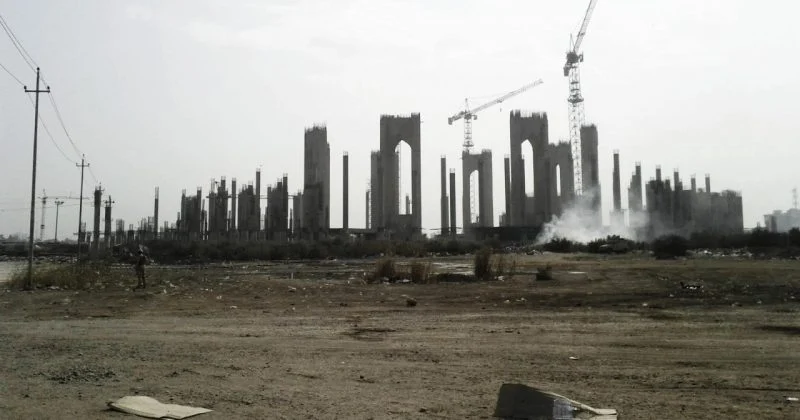
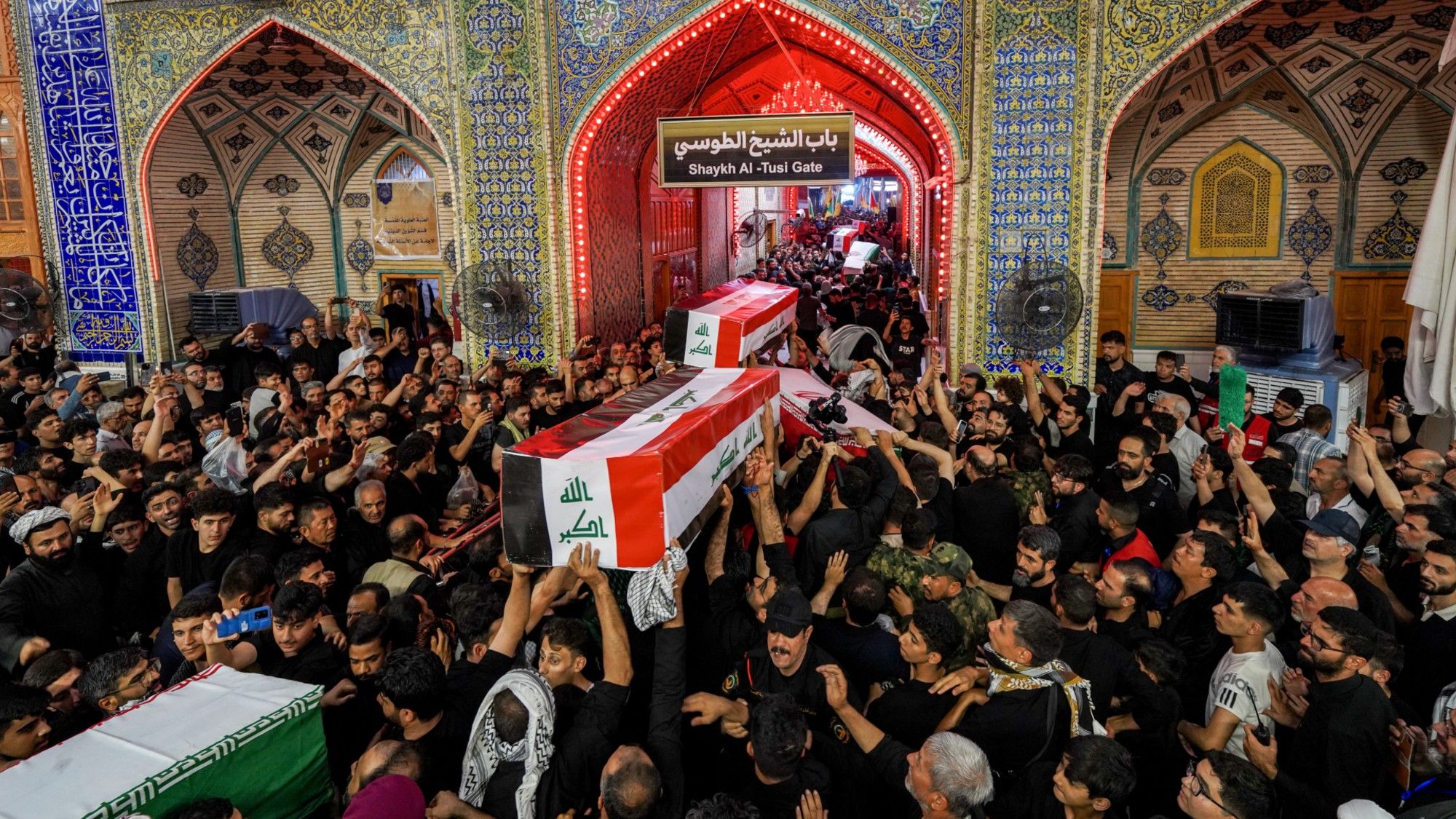
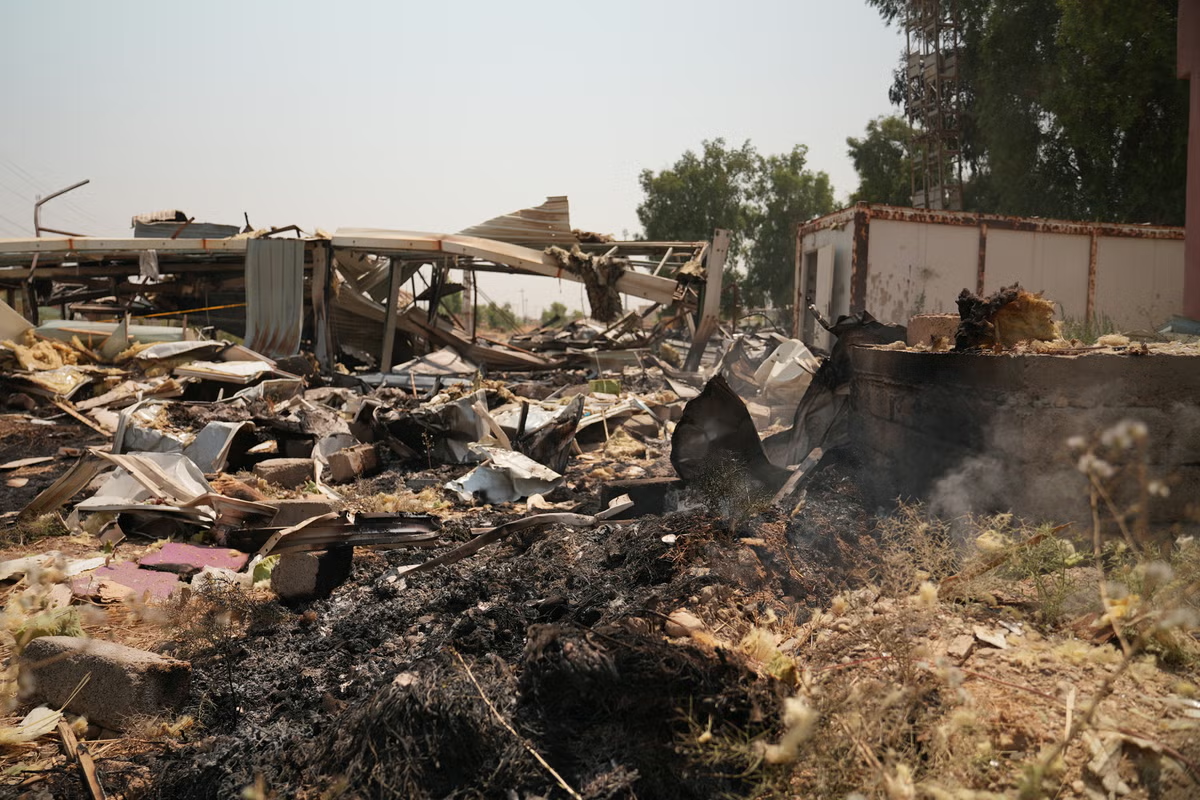
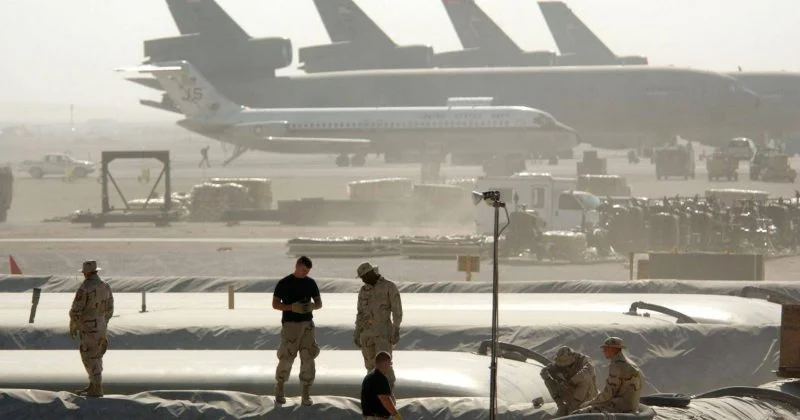
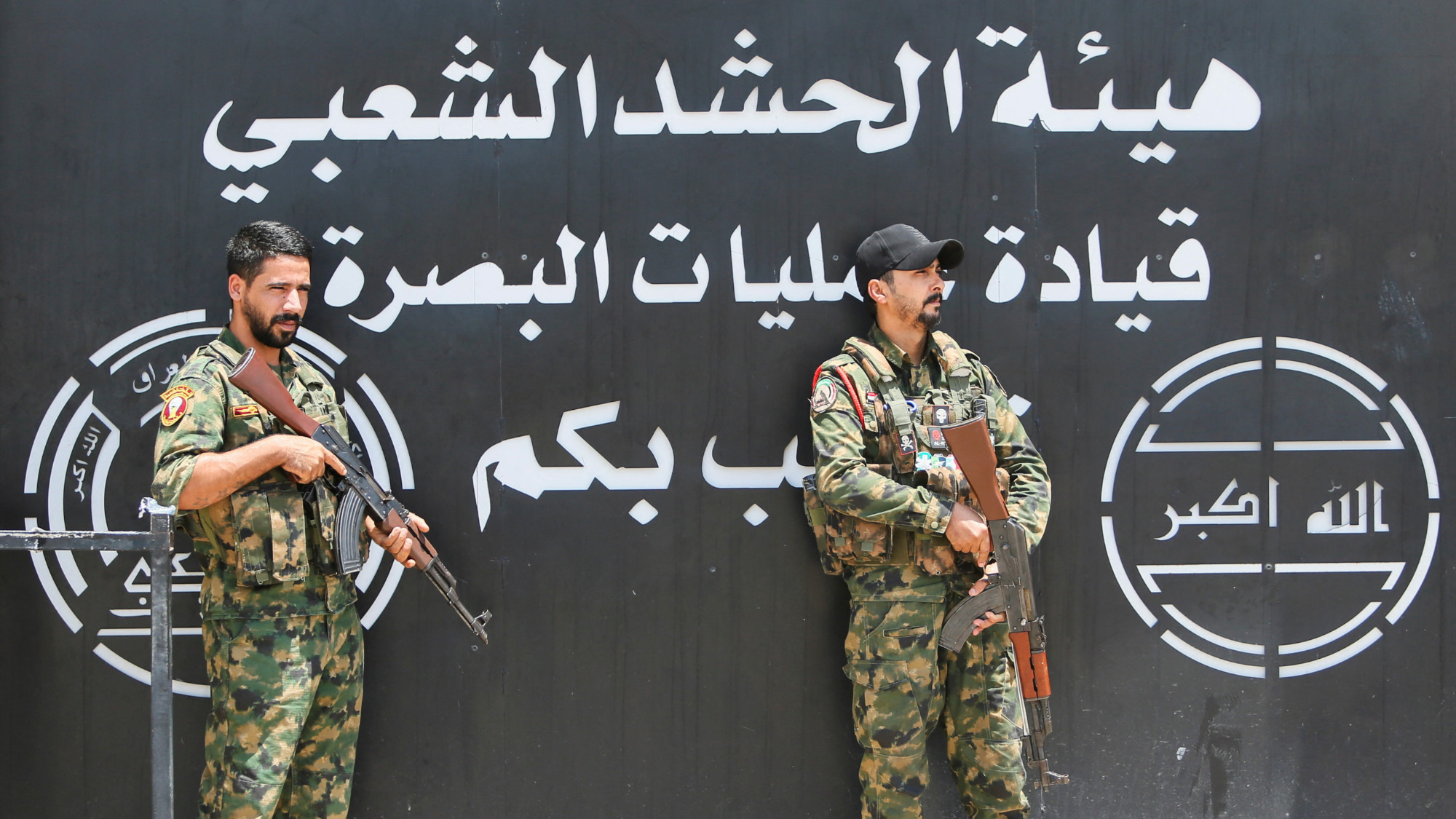
On 29 July, US and Saudi forces launched joint strikes on bases belonging to Iraq's Popular Mobilisation Forces (PMF), killing at least 20 members of the paramilitary and four advisers from Iran's Islamic Revolutionary Guard Corps, according to Iraqi and Iranian media.
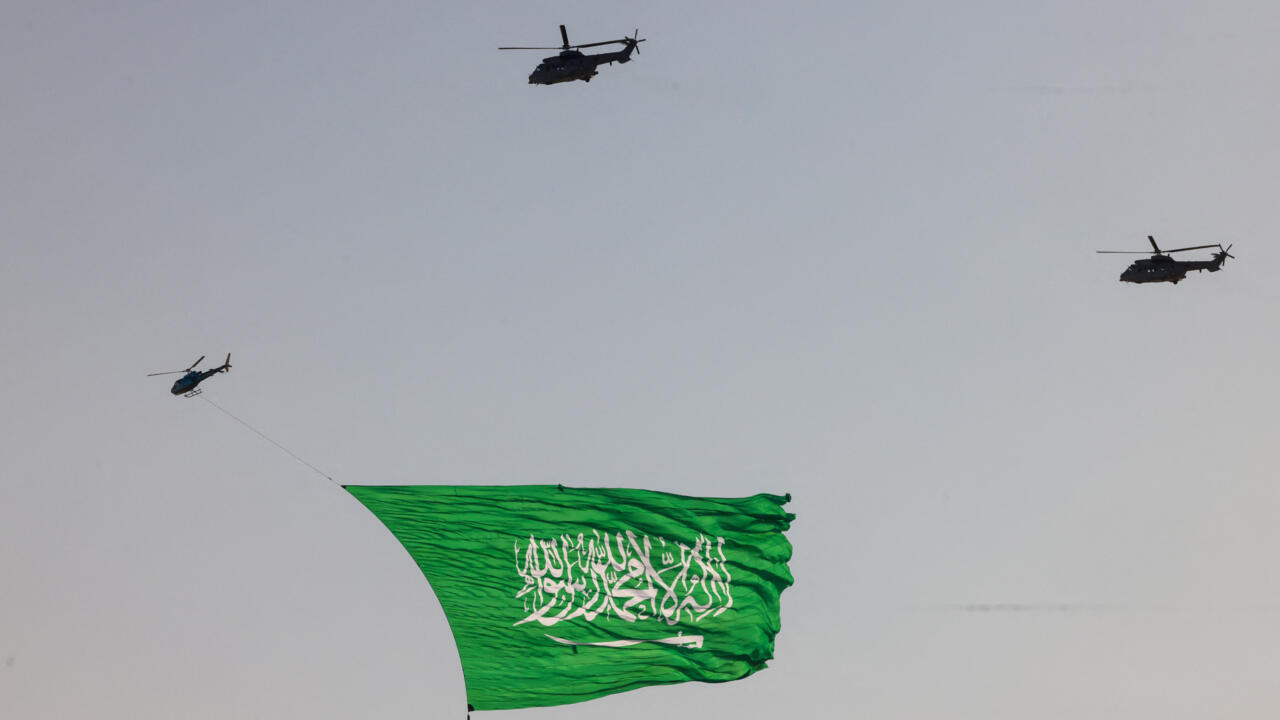
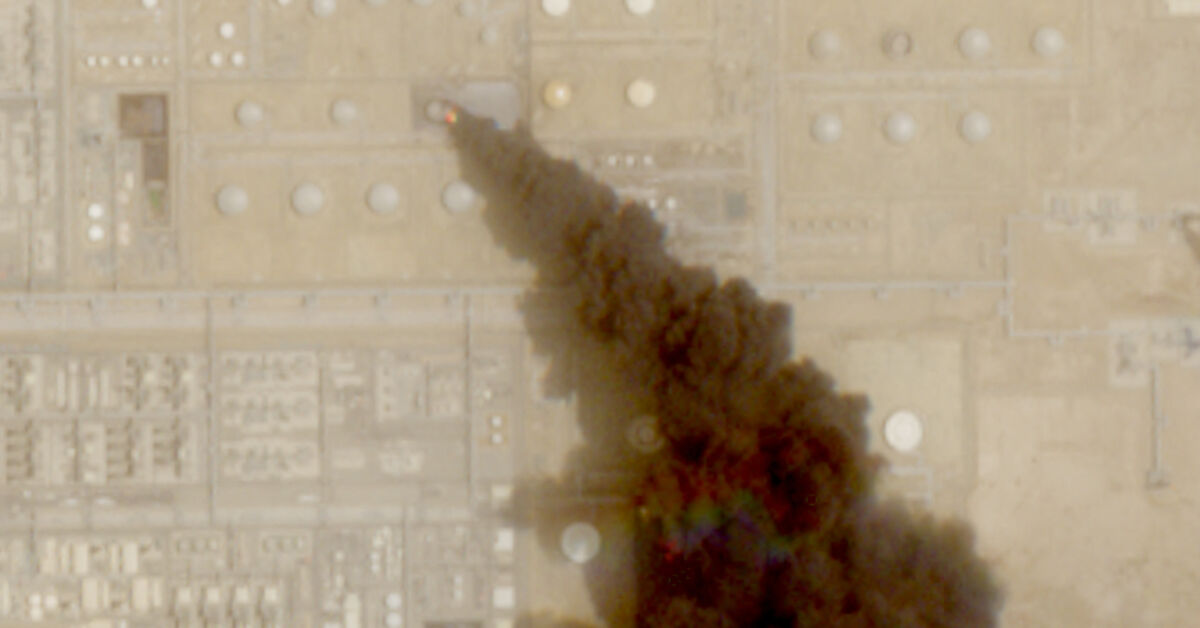
The strikes, which marked the first time Riyadh has publicly joined strikes alongside the US, were in retaliation for drone attacks on Saudi oil facilities launched from Iraqi territory.
However, neither Riyadh nor Iraq's Iran-linked militias currently appear to want a sustained military confrontation. Saudi Arabia's foreign ministry described the joint attacks as an act of "self-defence" while signalling that the kingdom would carry out further strikes if attacks on its soil resumed.