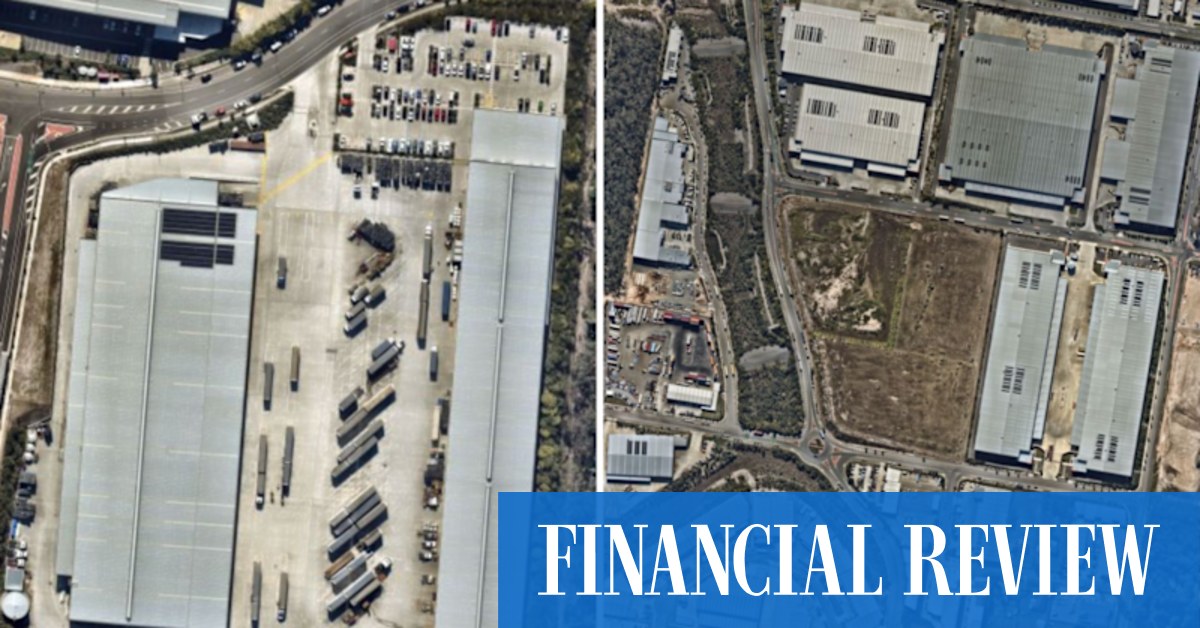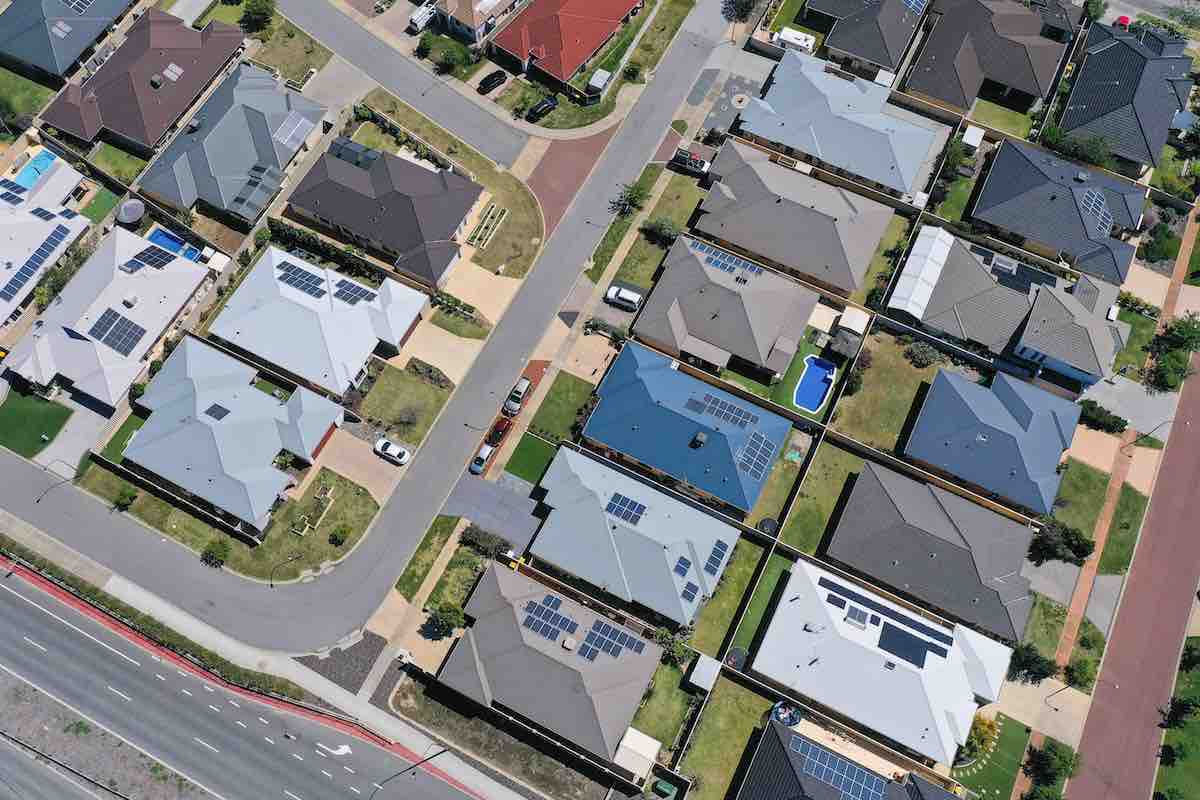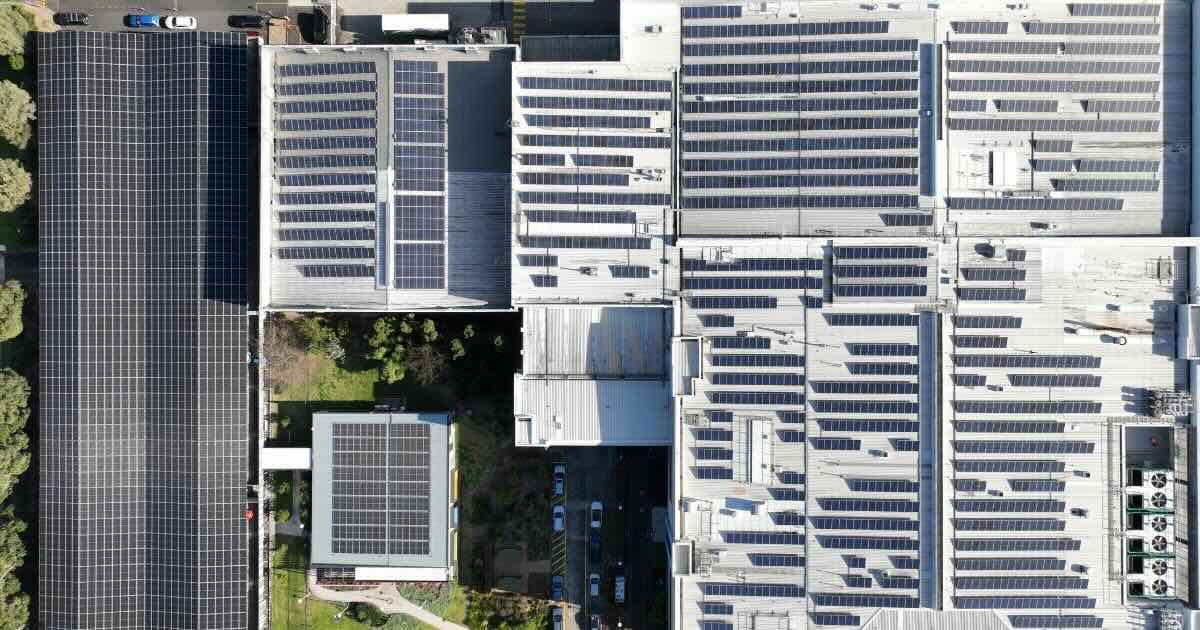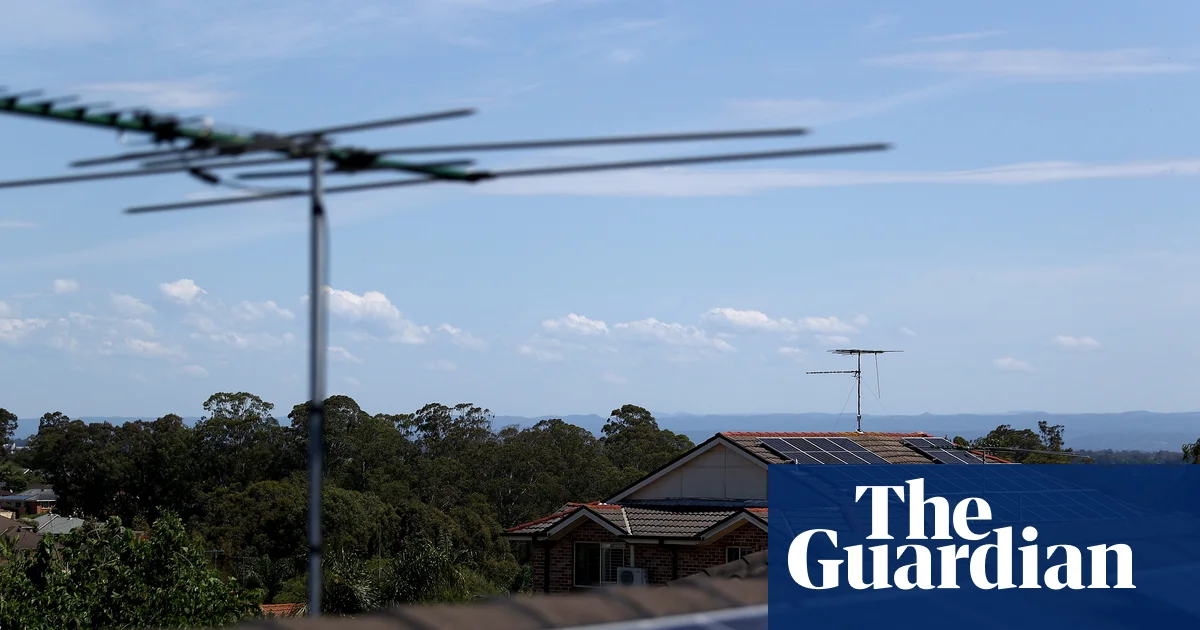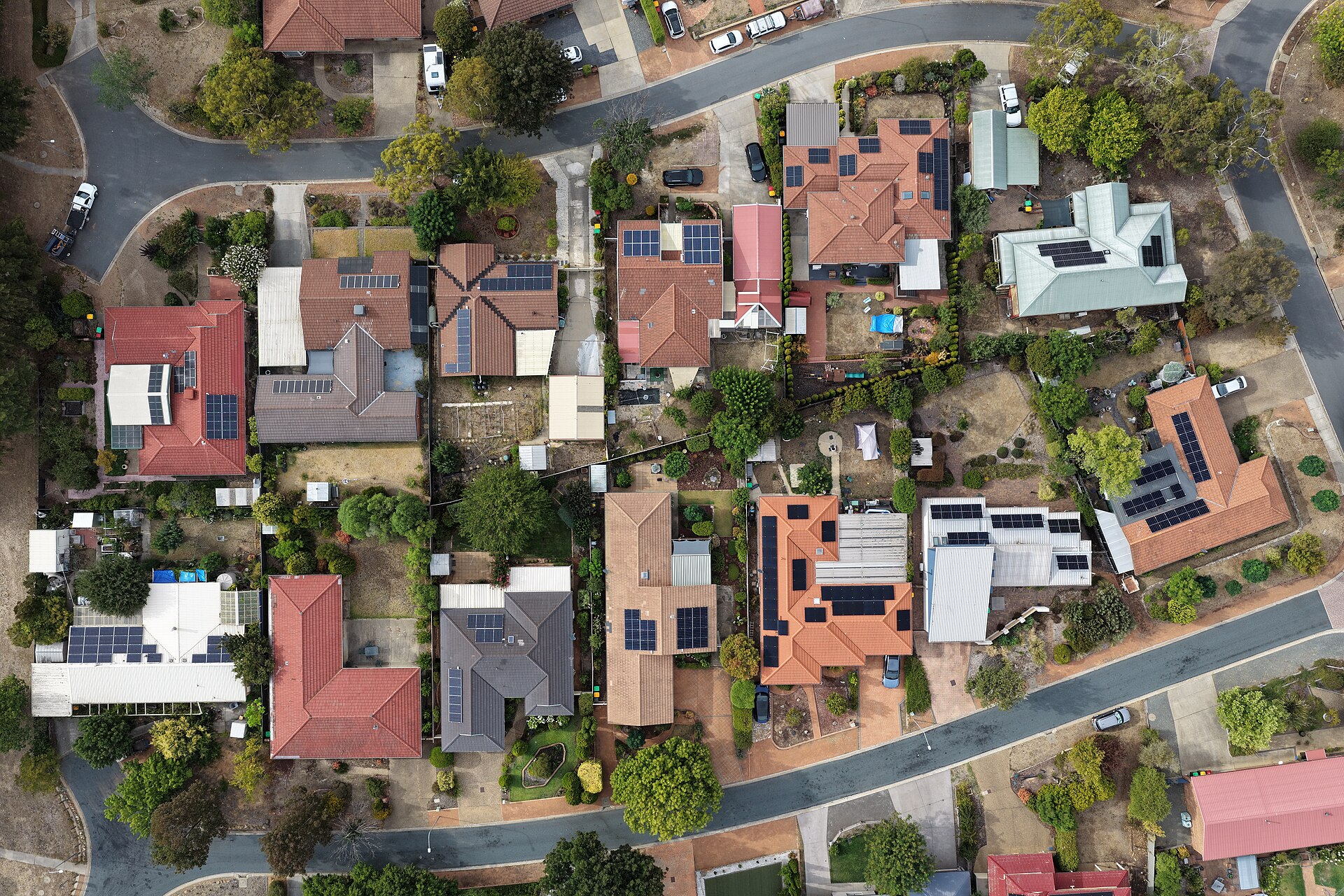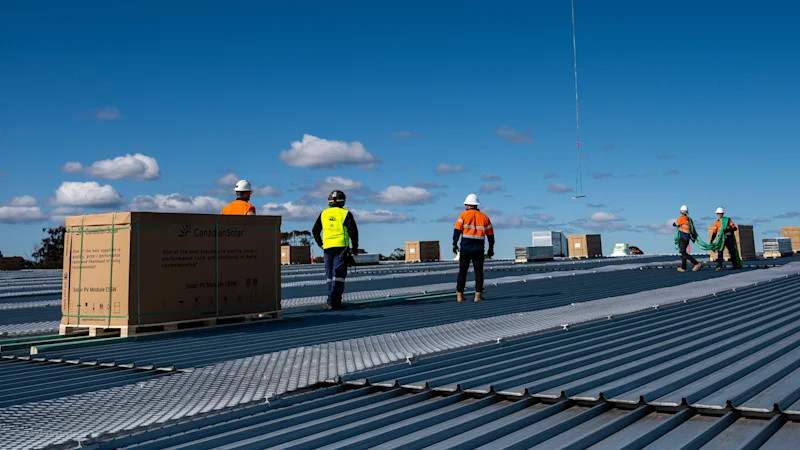
August 4, 2026 — 10:30pmThe Albanese government plans to push solar power to the rooftops of large businesses, factories and warehouses across Australia’s largest cities, as Labor struggles to fill what Energy Minister Chris Bowen calls the “missing middle” of its renewable energy target in the power grid.Australia has more household rooftop solar than any other nation, and large-scale solar farms, but commercial roof space in cities has been largely left out of the race due to the cost of establishing medium-sized systems and the difficulty of having them connected to the grid.A solar installation at the Moorebank Logistics terminal in western Sydney. Bowen will announce in a speech at the National Press Club on Wednesday that the rebate scheme that helped households install solar will be expanded to include systems of up to 1 megawatt. It is currently capped at 100-kilowatt systems. Bowen will also ask the Australian Energy Market Commission to consider a rule change requiring the network providers – companies that own the poles and wires – to approve and connect commercial and industrial solar faster.“Many of you in this room have to spend plenty of time on aeroplanes for work,” Bowen will say, according to a draft of his speech.“You might have noticed when you come in to land the prevalence of solar on residential rooftops – you’d see more solar panels than backyard pools. But have you also noticed that many warehouse and factory roofs are devoid of solar panels, or only have panels covering a fairly small percentage of the roof space?“The missing middle is mid-scale solar. Factories, warehouses, farming sheds and large industrial premises – big empty roof space ripe for solar generation.”While 22 gigawatts of energy is generated from solar on Australian residential properties, businesses have installed only about 5.6 gigawatts.Bowen will say the potential for solar on commercial rooftops could exceed 80 gigawatts. He estimates the added incentives, to start in October, will cut the cost of installing a medium-sized solar system by about 20 per cent.“Take, for example, the installation of a 250kW solar system on a medium-sized enterprise, like a retailer. Upfront they could save about $68,000 on installation,” Bowen will say.“But going forward they’d be generating about 345 megawatt hours of electricity each year, a potential saving of $50,000 in annual electricity costs.Bowen will also make it a priority to get solar installations for businesses moving more quickly.“While I understand these can be complex questions that need to be worked through, many of the delays I have heard about are unacceptable and simply make it so hard for businesses to install solar that they just give up,” he will say.On Monday, renewables sector peak body the Smart Energy Council released a report saying costs and the difficulty of connecting systems on commercial buildings to the grid were the leading barriers to businesses deciding to invest.The council’s head of policy, Robert Potter, said there was enough idle rooftop space to generate as much power as 10 coal-fired power plants.Australia has more household rooftop solar panels than any other nation.Eamon Gallagher“For a small or medium business, the difference between an upfront, certain incentive and a progressively priced one can be the difference between a project stacking up and one that doesn’t,” Potter said.The acting chief executive of Energy Networks Australia, Dominic Adams, said the group welcomed the widening of the incentive.“Networks are continually improving connection processes to make them clearer, faster and more consistent for customers,” he said.The Albanese government is struggling in its race towards 82 per cent renewables in the grid by 2030, amid growing resistance from the Coalition and some community groups to large renewable projects and associated transmission lines.But even leading opponents of renewables, like One Nation’s Barnaby Joyce, have voiced support for rooftop solar.The Australian Conservation Foundation welcomed the policy as part of the government’s efforts to reduce emissions.“The Albanese government isn’t nailing it when it comes to fossil fuel exports, but on the domestic renewables front – it’s just about bang on,” the foundation’s national climate policy adviser, Annika Reynolds, said.“ACF has long championed the expansion of federal schemes to better unlock rooftop solar for commercial premises. Rooftop solar is a win-win – it’s good for nature, and good for people.”Get to the heart of what’s happening with climate change and the environment. Sign up for our fortnightly Environment newsletter.Nick O'Malley is National Environment and Climate Editor for The Sydney Morning Herald and The Age. He is also a senior writer and a former US correspondent.Connect via email.From our partners
Australia leads the world in rooftop solar, but only on certain roofs. Until now
An Albanese government plan to use idle roof space on factories and warehouses for solar panels tackles the “missing middle” in Labor’s quest to push more renewables into the power grid.
756 words~3 min read