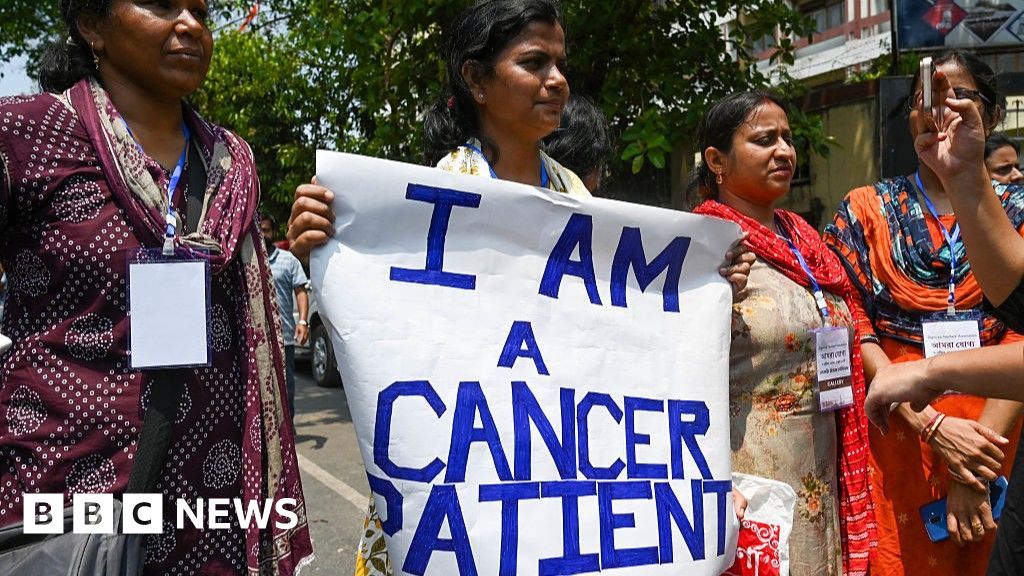
India’s cancer burden is rising fast, and the response has largely followed a one-size-fits-all model: build more cancer centres, expand insurance schemes, push early detection campaigns. What this approach often misses is a simple but consequential fact - cancer does not affect men and women equally, and the paths they take to diagnosis, treatment, and recovery are shaped as much by gender as by biology. This is the gap that ‘gender-intelligent oncology’ tries to close.
Cancer knows no boundaries; nor should cancer care
Same disease, different journeys
Consider breast and cervical cancer, which together account for nearly 40% of all cancers among Indian women, breast cancer alone making up roughly 27% of female cancer cases and cervical cancer adding over 1,27,000 new diagnoses a year. Despite being highly treatable when caught early, both are frequently diagnosed at advanced stages. The reasons are rarely medical. Women in many households do not prioritise their own health, often delaying symptoms until they interfere with caregiving duties. Modesty concerns around breast and pelvic examinations, lack of decision-making autonomy over their own healthcare spending, limited mobility and dependence on male family members to approve or fund a hospital visit all add friction to a journey that should start the moment a symptom appears.