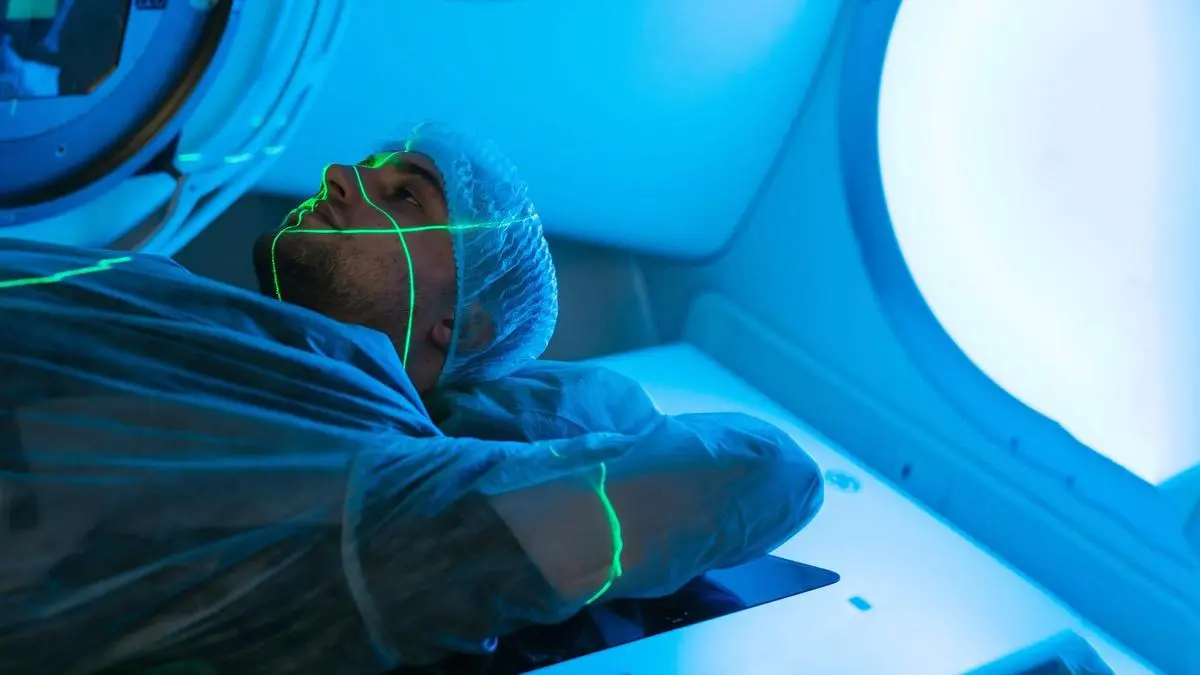
Cancer: The state must play a bigger role in treatment
| Photo Credit:
Panuwat Dangsungnoen
India is staring at a cancer crisis of catastrophic proportions. ICMR’s National Cancer Registry Programme estimates nearly 15.7 lakh new cancer cases in 2025, a number projected by the International Agency for Research on Cancer to rise to over 22.2 lakh by 2040. As incidence climbs with toxic air and food, lifestyle changes and ageing population, cancer has become a huge public health challenge — as well as an exceptionally lucrative business.An analysis by this newspaper of the revenues of India’s largest hospital chains showed that between 17 and 25 per cent of hospital revenues now come from oncology. At Max Healthcare, cancer care accounted for over 25 per cent of inpatient revenues in the first nine months of FY26, generating roughly ₹1,560 crore. Apollo Hospitals derived around 17 per cent of its hospital revenues, nearly ₹1,900 crore, from oncology in FY25. Unsurprisingly, smaller hospital groups are racing to establish oncology centres. The rush reflects not merely rising demand but the realisation that cancer care has become one of the most profitable segments in private healthcare. Significantly, doctors believe that despite proliferation of large and small dedicated hospitals, the demand is still under-served.For patients, however, the economics is devastating. A rough estimate of routine treatment comes at a steep price with one chemotherapy cycle in a private hospital costing ₹30,000 to ₹2 lakh, radiation therapy ₹2-5 lakh, cancer surgery ₹ 3-10 lakh, targeted therapies and immunotherapy ₹1-4 lakh and bone marrow transplants ₹15-40 lakh. Over 70 per cent of patients require more than one type of treatment so even with insurance, families increasingly find their cover exhausted during a single episode of treatment. Public healthcare urgently needs to step up. The reality is that — taking the example of Delhi alone — even premier institutions like AIIMS are overwhelmed.Global experience suggests that unless healthcare is taken up as the state’s responsibility, a vast majority suffers for lack of access and resources. The government claims that between 2013-14 and 2022-23, the share of Out of Pocket Expenditure in total health expense has gone down from 64.2 per cent to 43.4 per cent. Analysts have observed that Centre and States spend less than 2 per cent of GDP on health. The National Health Policy 2017 had aimed at raising spending on public health to 2.5 per cent of GDP. With commercialisation of critical care, people are being pushed into poverty, indebtedness and most crucially, preventable deaths. India’s growing cancer burden requires a policy shift that treats cancer care as a public responsibility. The state must step in, not merely as an insurer, but as a provider of accessible, affordable and high-quality healthcare. Meanwhile, private insurance packages for cancer, a mushrooming sector, must be monitored for premiums charged and reimbursement — even as complaints on this score abound.Published on July 19, 2026