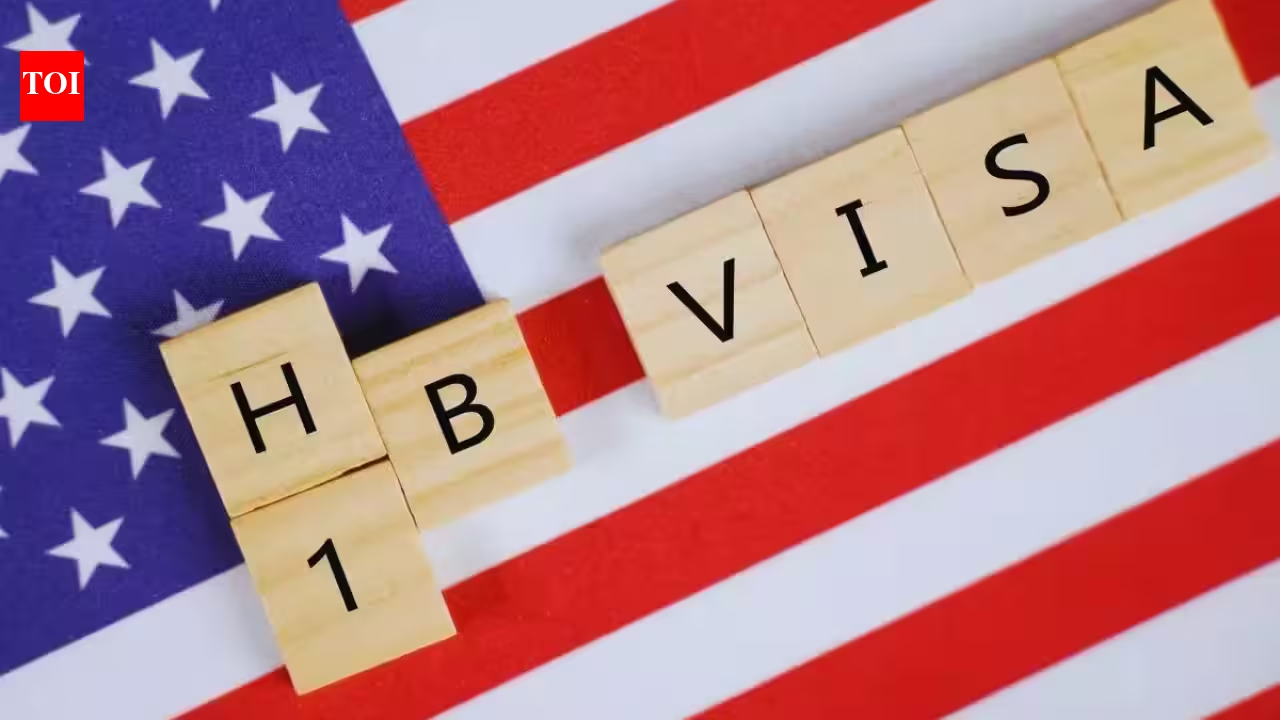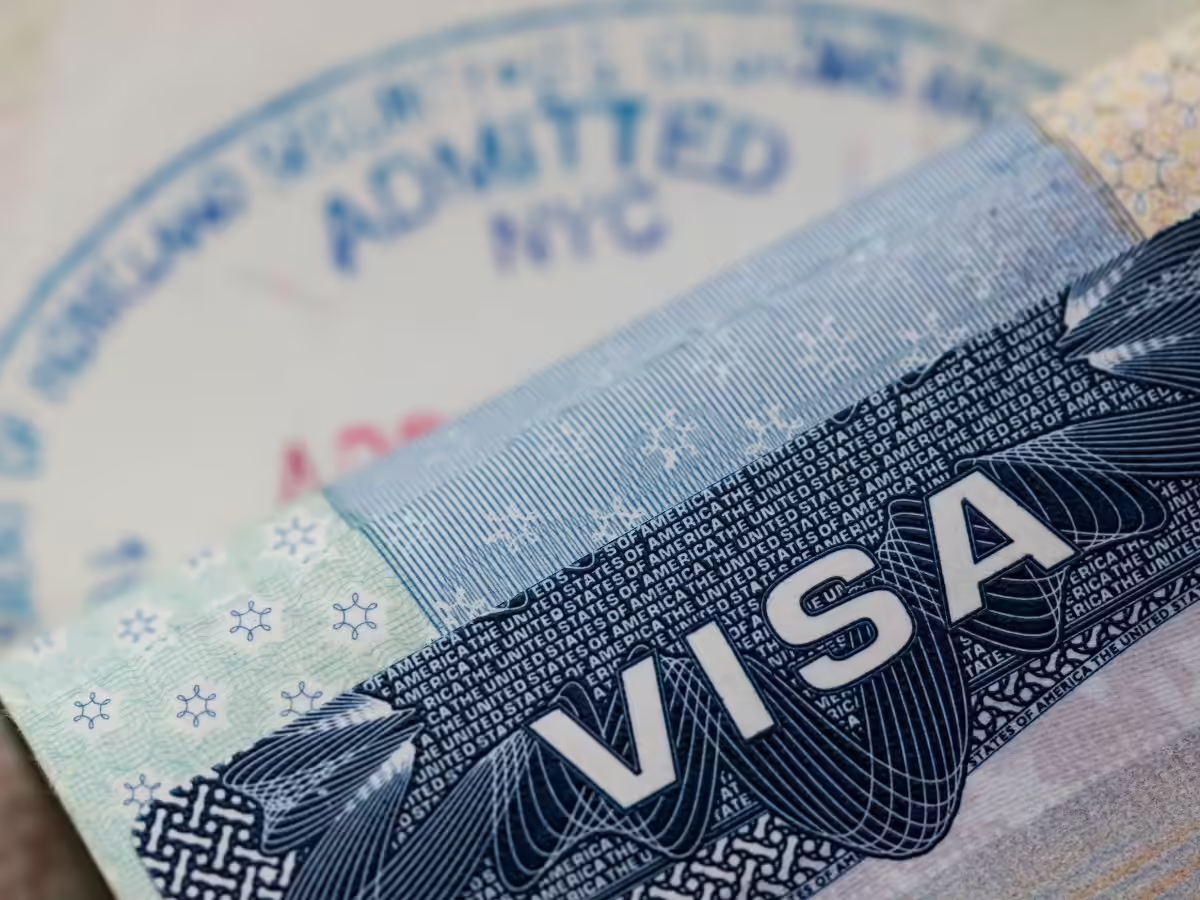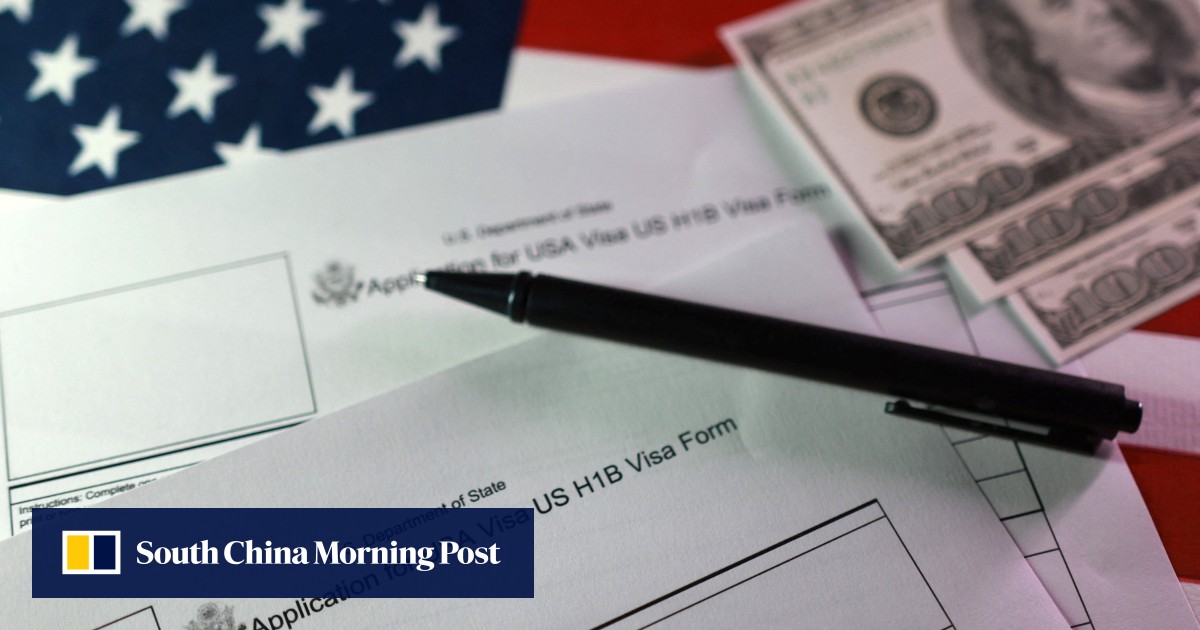
The Trump administration is preparing to widen the scope of an existing fee on H-1B and L-1 visas, a move that could significantly increase costs for large employers that depend on foreign workers. Under a proposed rule, companies meeting certain workforce thresholds may have to pay the additional fee not only for new visa petitions and job transfers, but also when extending the stay of existing employees.Also Read| Indian students, H-1B workers may face uncertainty as US plans tighter visa rulesThe proposal, outlined in the regulatory agendas published by the US Department of Homeland Security (DHS), Department of Labor (DOL) and Department of State (DOS) in early July, is expected to be finalised in the coming weeks.Currently, employers with more than 50 employees in the US, where over half the workforce holds H-1B or L-1 visas, pay an additional $4,000 for eligible H-1B petitions and $4,500 for eligible L-1 petitions only when sponsoring a worker for an initial period of stay or when an employee changes employers.The proposed rule would extend the "9-11 Response and Biometric Entry-Exit Fee" to petitions seeking extensions of stay, increasing costs each time these companies renew visas for existing employees. The change is expected to particularly affect large technology and IT services companies that employ sizeable numbers of H-1B and L-1 workers.US Citizenship and Immigration Services (USCIS) data shows why the proposal could have a broad impact. Of the 406,000 H-1B petitions approved in fiscal 2025, nearly 291,500, or 71%, were for continuing employment rather than first-time entrants to the programme.Also Read| Indians remain the face of America's H-1B workforce, dominating visas, tech jobs and payIndian professionals account for the overwhelming majority of these extensions. In fiscal 2025, 226,359 Indians received H-1B extensions, representing 77.6% of all H-1B approvals for continuing employment. Chinese nationals accounted for 31,581 extensions (10.8%), followed by the Philippines (2,506), Canada (2,186), South Korea (1,913) and Mexico (1,631).The proposal could therefore have a significant financial impact on employers of Indian professionals, as retaining workers beyond their initial three-year H-1B term would become more expensive.According to the National Foundation for American Policy (NFAP), Amazon recorded the highest number of approved H-1B petitions for continuing employment in fiscal 2025 at 14,532, followed by TCS (5,293), Microsoft (4,863), Meta Platforms (4,740), Apple (4,610) and Google (4,509).NFAP noted that these figures do not represent individual employees, as the same H-1B worker may receive multiple approvals for continuing employment within a fiscal year, such as after changing work locations.with inputs from TOI
H-1B visa extensions could soon come with a hefty new price tag under new Trump plan - The Economic Times
The Trump administration is preparing to expand an existing fee on H-1B and L-1 visas by applying it to extension petitions, not just new applications and job changes. The move would raise costs for employers that rely heavily on foreign workers, with Indian professionals expected to be among the most affected.
416 words~2 min read