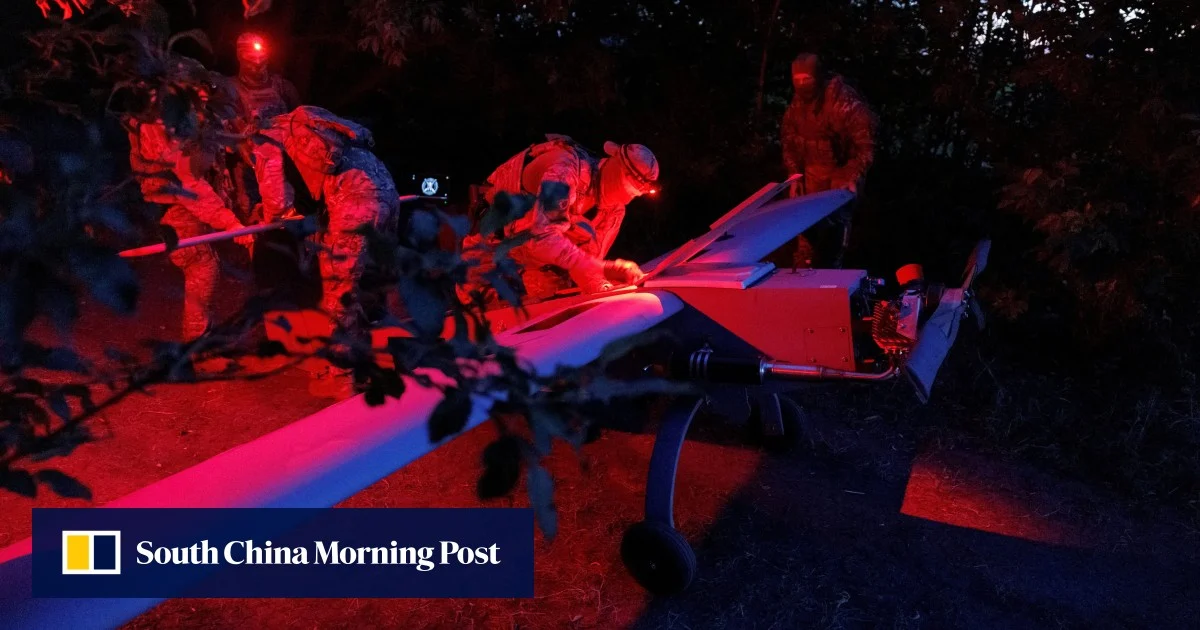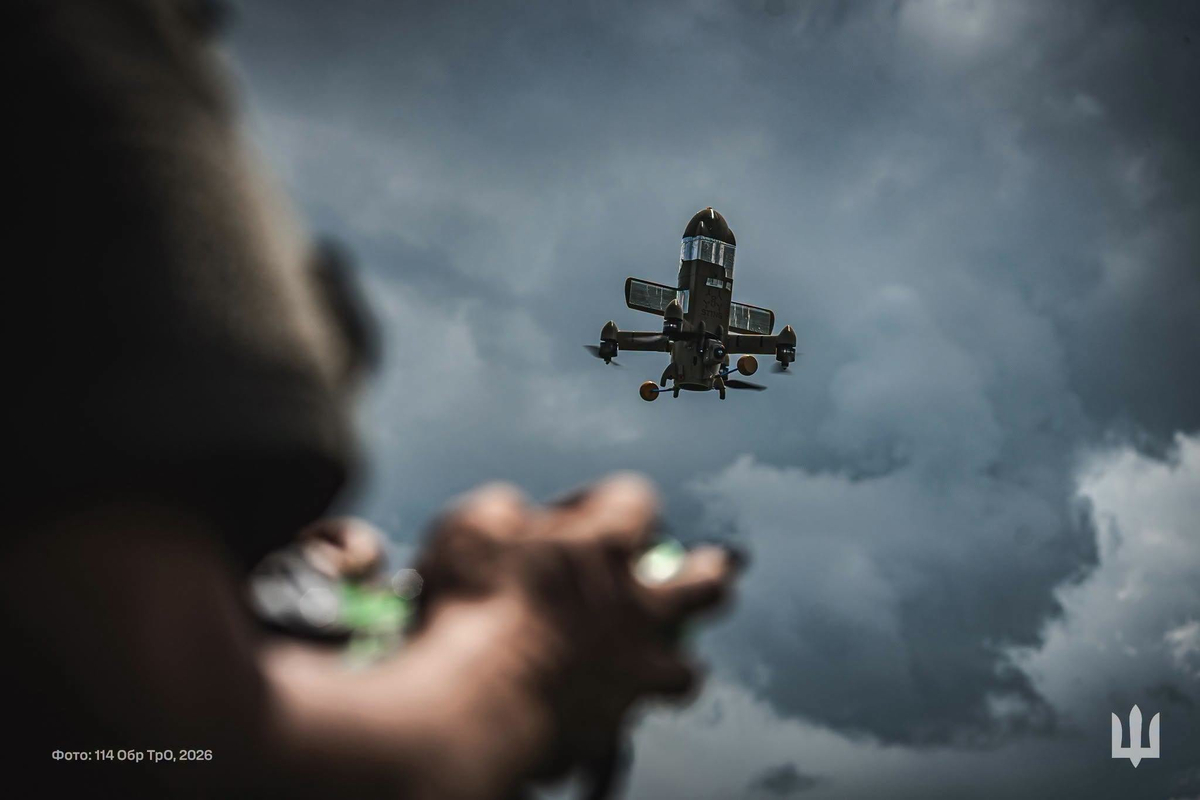
Electronic warfare can make Ukraine's pilots lose control of their drones, but technology means the drones can often still continue on and strike their targets.
Dmytro Smolienko/Ukrinform/NurPhoto
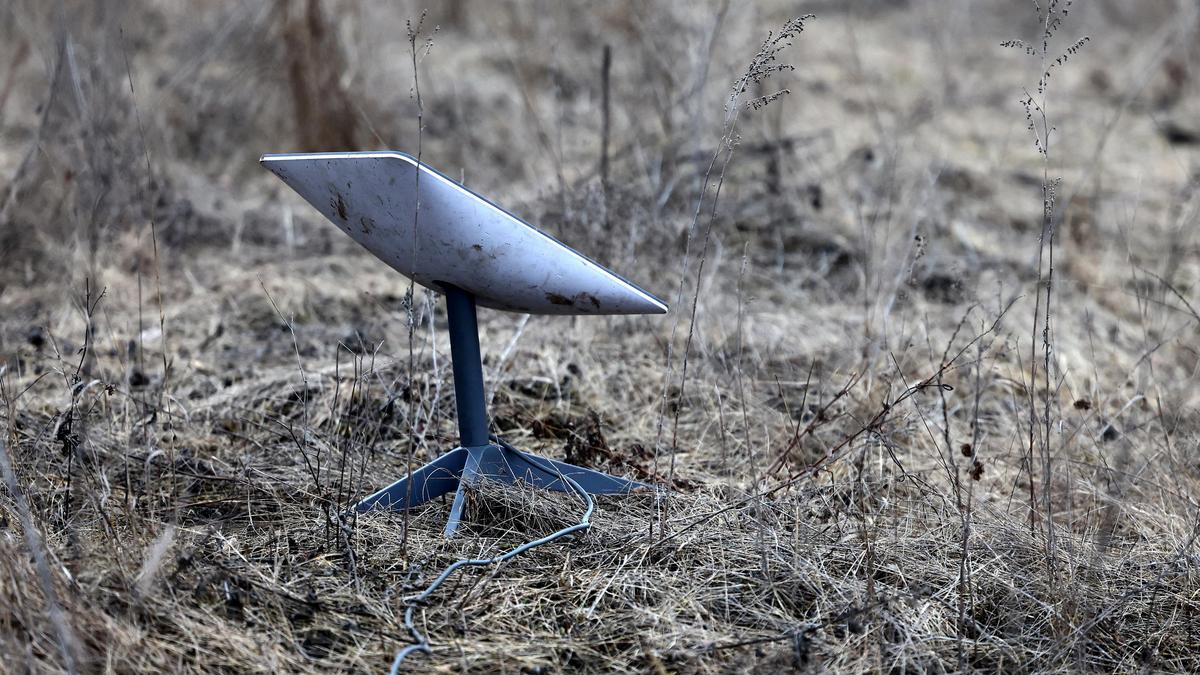
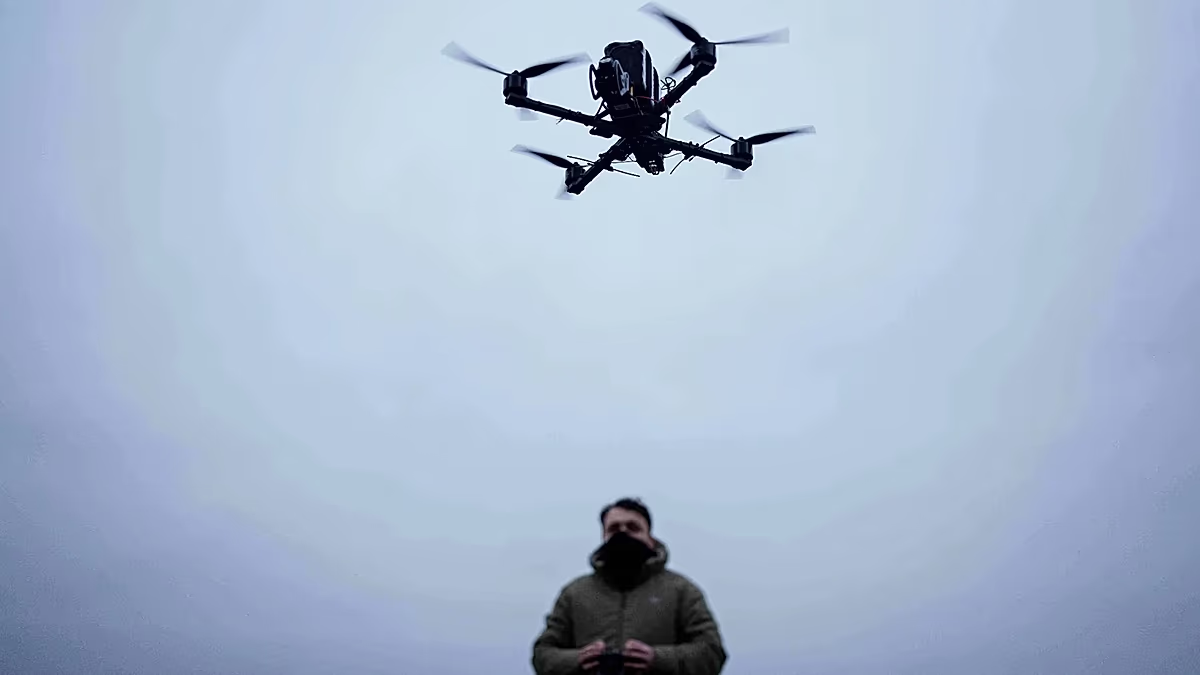
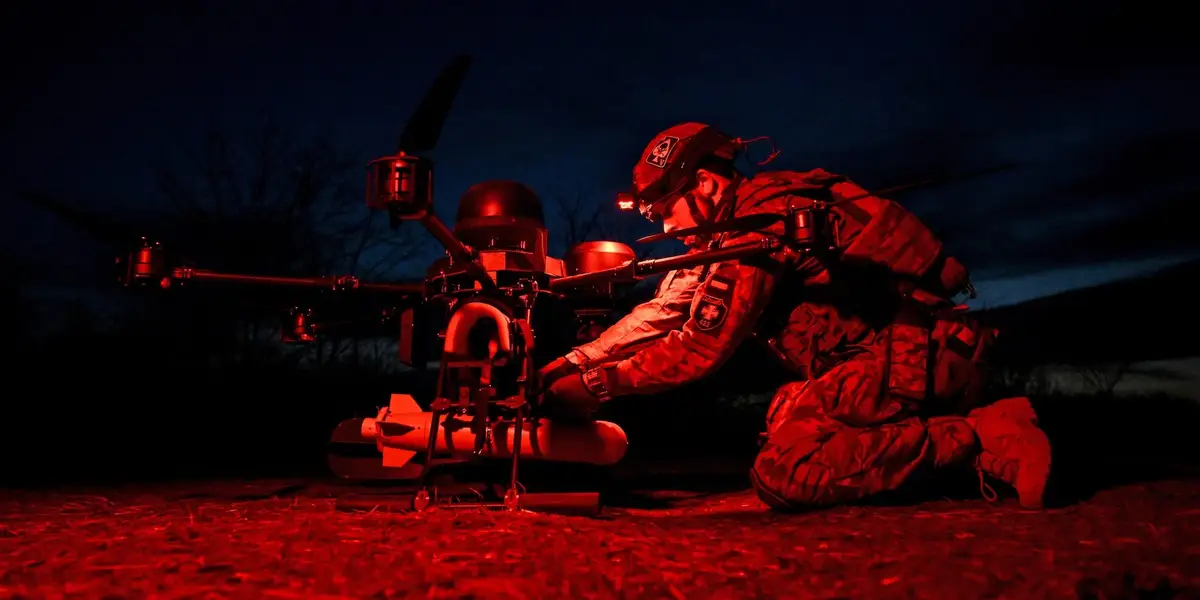
Ukraine is fighting with drones that lock onto their targets when they lose connection with their human operators.Dmytro "Liber" Zhluktenko, a former drone operator who is now a lessons-learned analyst with Ukraine's 413th Unmanned Systems Regiment "RAID," told Business Insider that many of the country's drones use what he called "target lock," which allows drones to continue on to find and hit their targets even when their operators lose control.It's "quite useful," he said, especially considering that Ukrainian operators frequently experience signal loss before they hit their targets due to Russian electronic warfare and also because of the ways many drones are designed.The "target lock" capability is used on systems such as Perennial Autonomy's Hornet mid-range strike drone. The drone communicates with its operator through a SpaceX-made Starlink terminal mounted onboard, Zhluktenko said. However, deep dives and aggressive maneuvers sometimes interrupt the Starlink connection, causing the antenna to lose the satellite lock, he said.Giving drones that kind of target lock, allowing operators to "have the autonomy to do the rest of the work, is just great," Zhluktenko said.Ukraine isn't fighting with fully automated weaponry. Humans remain largely in control and responsible for selecting targets. That creates challenges as Russia's electronic warfare affects operations by disrupting GPS and cutting the command and video links connecting drones to their operators. That's where the limited but useful autonomy comes into play.