NORTHEASTERN SYRIA—At a former U.S. military base outside of the Syrian city of Hasakeh, Samir Asso—better known by his nom de guerre, Sipan Hamo—sat down for a conversation with Foreign Policy in early July. Until last January, Hamo was a commander in the Syrian Democratic Forces, the Kurdish-led military group that worked with Washington to defeat the Islamic State. Now Hamo is Syria’s deputy defense minister for the eastern region, the first Kurdish commander to hold a senior military post in Syrian President Ahmed al-Sharaa’s government. The room where we spoke featured a large desk, which Hamo sat casually in front of, and several signs bearing the green eagle emblem of the Syrian regime.
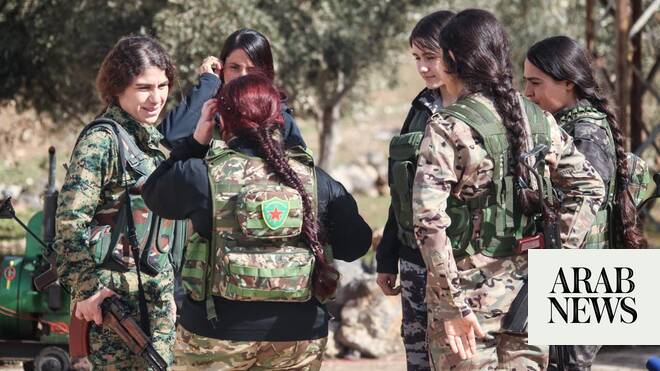
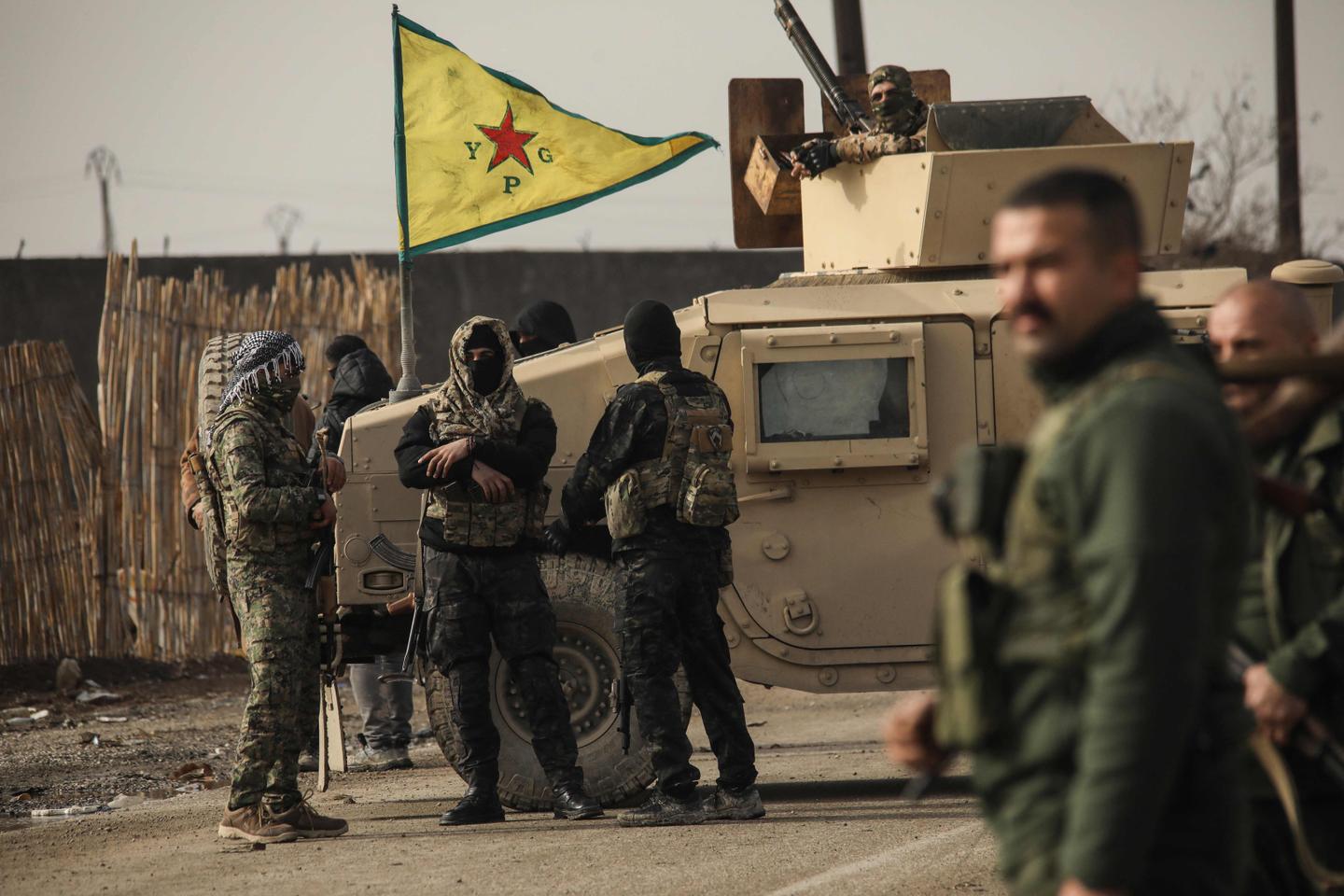
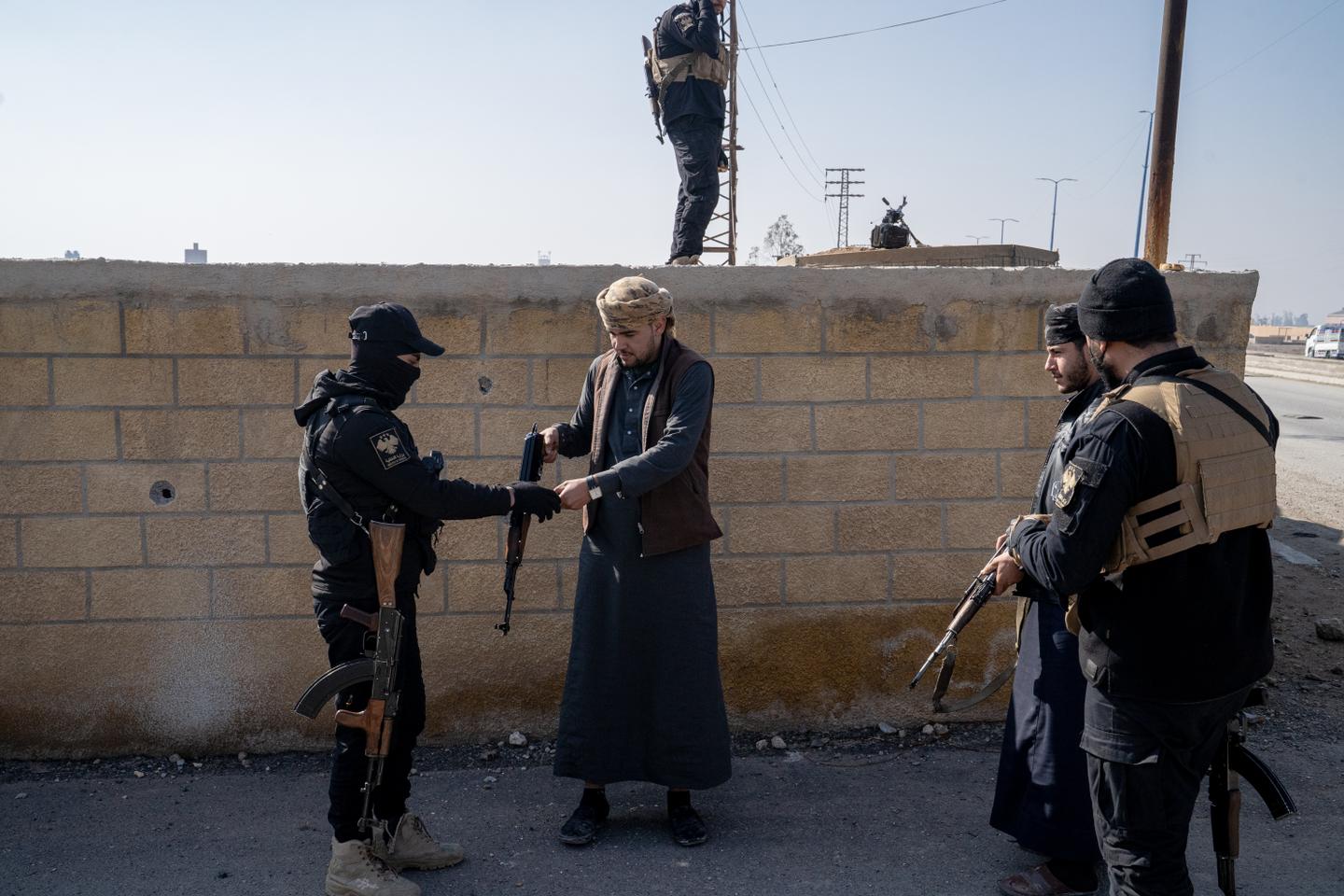
Hamo’s new role reflects the latest stage in an ongoing confrontation between Damascus and the Kurdish-led autonomous administration that ruled northeast Syria for the past decade. After 10 months of stalled talks, during which Washington’s support decisively shifted from the Kurds to the Syrian government, clashes erupted in January. Within 24 hours, Syrian forces defeated the SDF and captured 80 percent of Kurdish-held territory. A broader agreement at the end of January laid out a phased plan to incorporate the region’s security, military, and administrative institutions into the Syrian state. But as the last six months show, folding the Kurds’ vision of autonomous, left-wing rule under the authority of a predominantly Arab, Islamist-dominated regime remains a fraught, rocky process.