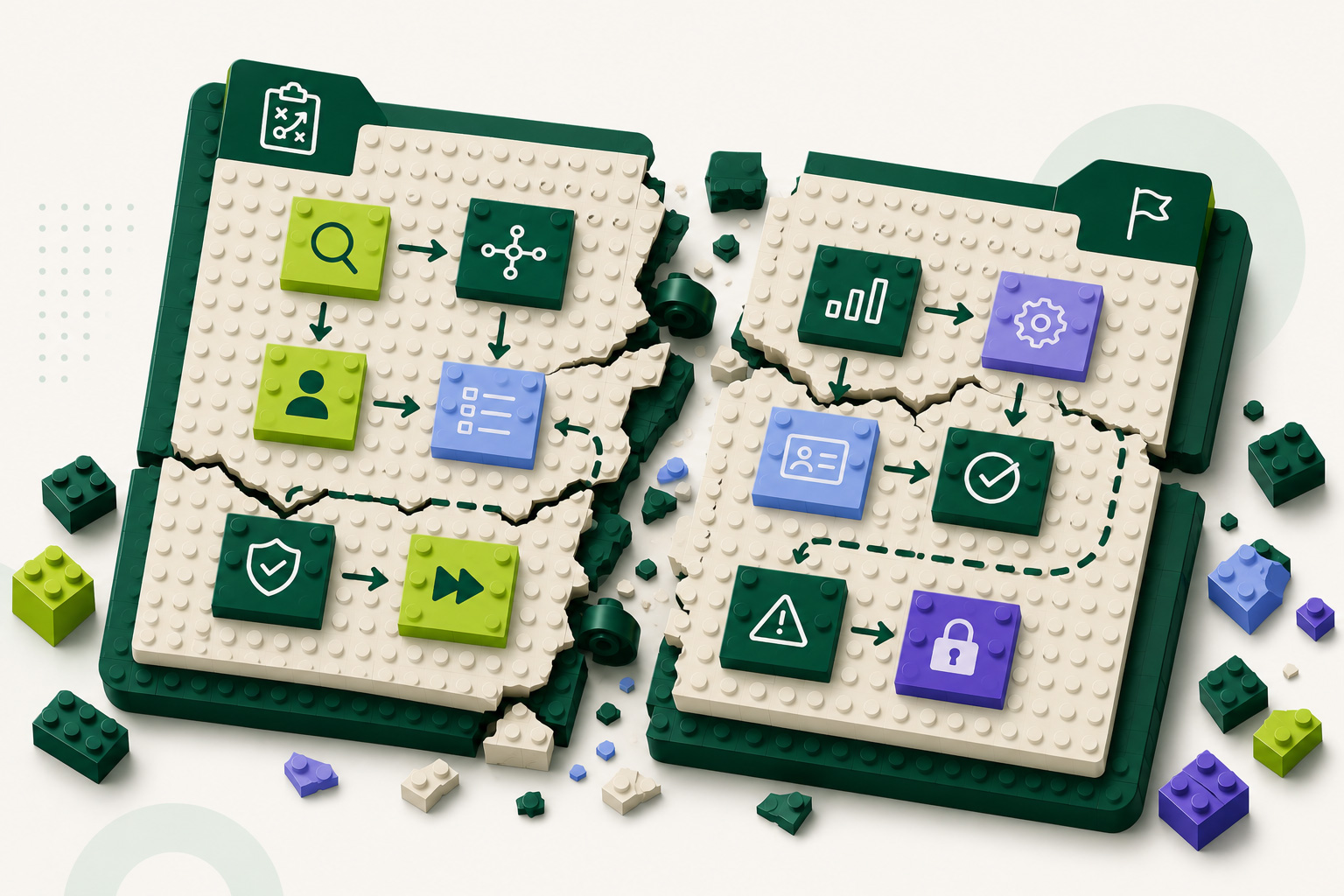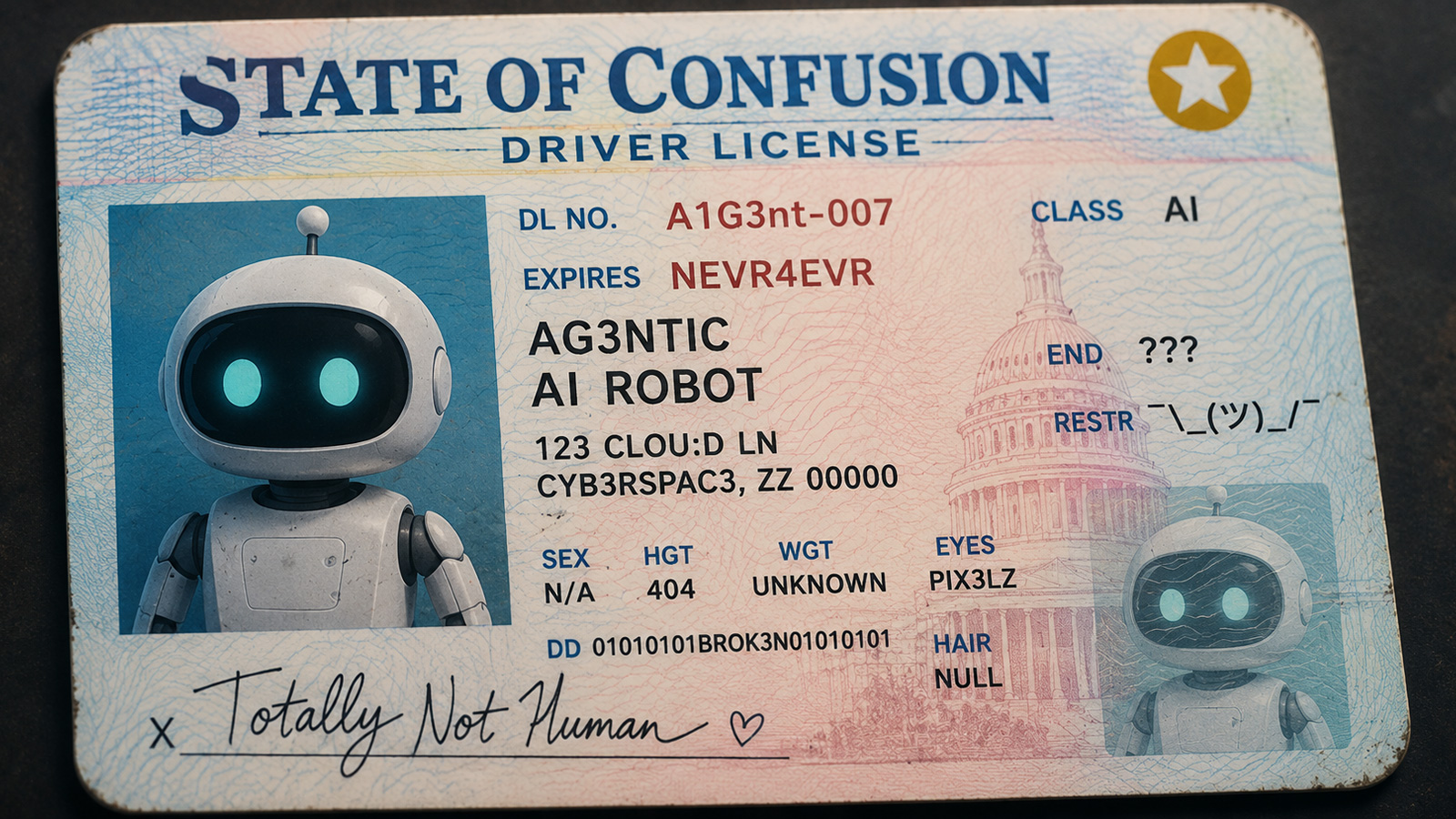
Oded Hareven, CEO and Co-Founder, Akeyless Security.gettyFor years, identity security has rested on a single assumption: that identities behave predictably. A user logs in, gets access and operates within a defined set of permissions. The actions are logged and analyzed after the event ends. Even machine identities like service accounts stayed relatively fixed and acted in expected ways. Autonomous AI agents, however, break that assumption: their behavior is shaped in the moment by prompts, context and the systems they touch, and a correctly authenticated agent can still take an action no one anticipated. AI agents are starting to operate independently. They make decisions, trigger workflows and even coordinate with other agents without human involvement. Unlike traditional software, they don’t wait for instructions; they initiate actions on their own.Most identity systems in use today were built for a simpler world of predictable tasks, fixed permissions and static or rotated credentials. The inherited design of these systems is starting to show its limits. That gap between how autonomous systems behave and how identity security still works is becoming a serious risk. Eighty-three percent of organizations in my company's research reported that a single compromised AI agent credential could impact multiple major systems.Furthermore, these agents don’t just perform simple tasks; they initiate chains of actions. One agent can call another, trigger a new process or interact with multiple systems in rapid succession. The deeper shift is that access decisions are no longer tied to predictable behavior. As identities multiply, each one can now act in ways the system was never designed to anticipate. Gaining traceability of actions performed by those agents and tying them to the person/process that initiated them and to a defined purpose is very challenging.When Authentication Is No Longer EnoughMost security systems are still focused on a simple question: who has access to what? That worked when access and action were tightly linked. With autonomous agents, the real risk shifts from access itself to what happens after that access is granted.Consider, for example, an AI agent with legitimate access to a production database, doing exactly the job it was deployed for. A single ambiguous instruction leads it to issue a destructive command. The agent is fully authenticated. It already has valid access to the environment. To the database, the request appears legitimate because it is coming from a trusted identity. Such was the case with PocketOS; every traditional access check passed, yet the database was gone in seconds.Traditional IAM systems can verify the agent's credentials, but they cannot evaluate whether the action itself aligns with the agent's intended purpose. That is the fundamental problem with autonomous systems. A valid identity can still take actions that are unexpected, unsafe or simply outside the intent of the organization. These concerns are becoming significant enough that OWASP introduced its Top 10 Risks for Agentic AI, highlighting issues such as prompt injection, excessive agency and unintended actions performed by autonomous systems. My company's research found that 67% of organizations already suspect AI agents have accessed data beyond their intended scope. The challenge becomes even harder because AI agents rarely operate within a single environment. They move across cloud services, SaaS applications, internal databases and legacy systems simultaneously, often chaining actions across multiple protocols and trust boundaries. Security teams may see the activity itself, but not the reasoning, context or sequence of decisions behind it.Moreover, because these systems operate at machine speed, those actions can scale very quickly. The PocketOS incident happened so fast that the database was gone before anyone had a chance to intervene.The problem is compounded by the fact that many AI systems still rely on persistent credentials like API keys, OAuth tokens and service accounts. Those credentials often live inside prompts, configuration files, logs or orchestration layers where they can be exposed through prompt manipulation or other unintended behaviors.Why Traditional Identity Models Break DownWhat we are witnessing is more than a new attack surface. It is the breakdown of several assumptions that identity security has relied on for decades.Identity governance assumes identities persist long enough to be discovered, reviewed and managed. Autonomous agents can be created, modified and retired faster than traditional governance processes can track them.Access management assumes authentication establishes trust. With autonomous systems, authentication only establishes identity. It says nothing about whether a requested action is appropriate.Privileged access management assumes privileged activity can be monitored through sessions, approvals and after-the-fact investigation. Autonomous agents execute actions in milliseconds, often through APIs and workflows that never resemble a traditional user session.At the core of the issue is a mismatch between how identity systems are built and how autonomous systems behave. Traditional identity systems were built for deterministic behavior, where actions and workflows could be predicted in advance. Autonomous agents are fundamentally different. Their behavior is non-deterministic, shaped dynamically by prompts, context, retrieved data and interactions with other systems.Trying to force them into traditional models is like trying to manage cloud infrastructure with tools built for on-prem environments. It may work for a while, but it doesn't scale.Rethinking Identity For Autonomous SystemsIdentity security isn't disappearing. What is changing is its structure: the walls that have historically separated governance, access management and privileged access are eroding under the pressure of autonomous systems. Organizations are discovering that controls designed around static identities, standing permissions and predictable behavior often struggle when software begins acting independently.Autonomous agents are already here. They're connecting systems, executing workflows and taking on responsibilities that used to belong to humans. The organizations that work toward adapting their identity security to this shift will be best positioned to put autonomous systems to work safely.A new model is emerging that moves identity, authorization and governance closer to the moment actions occur. In my next article, I'll explore why many security leaders are starting to think of this shift as "runtime authority."Forbes Technology Council is an invitation-only community for world-class CIOs, CTOs and technology executives. Do I qualify?
Why Identity Walls Are Falling In The Age Of AI Agents
For years, identity security has rested on the assumption that identities behave predictably, but autonomous AI agents break that assumption.
984 words~4 min read