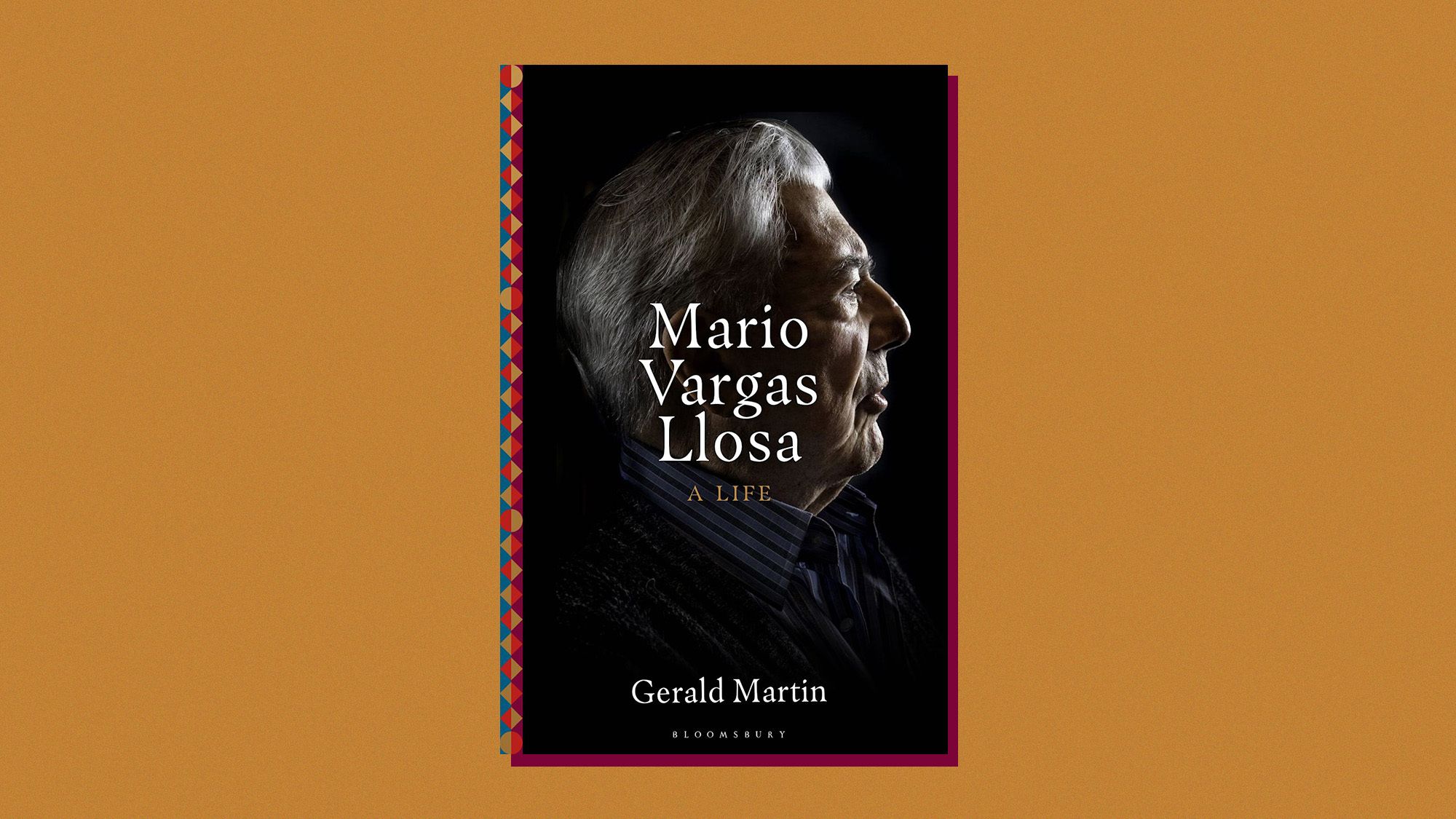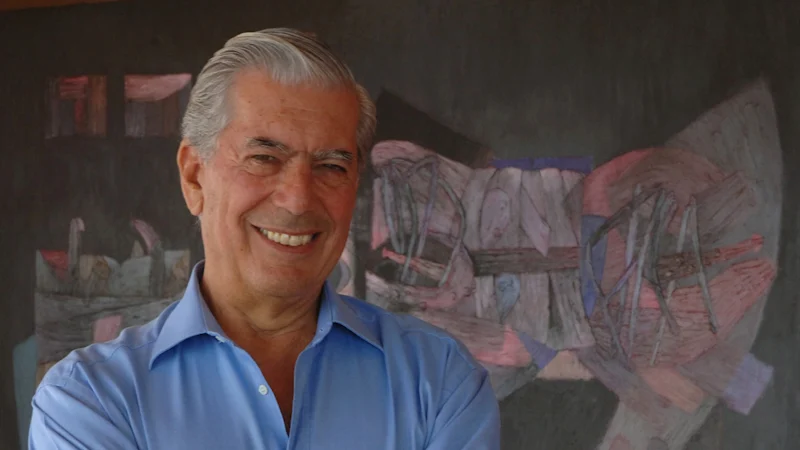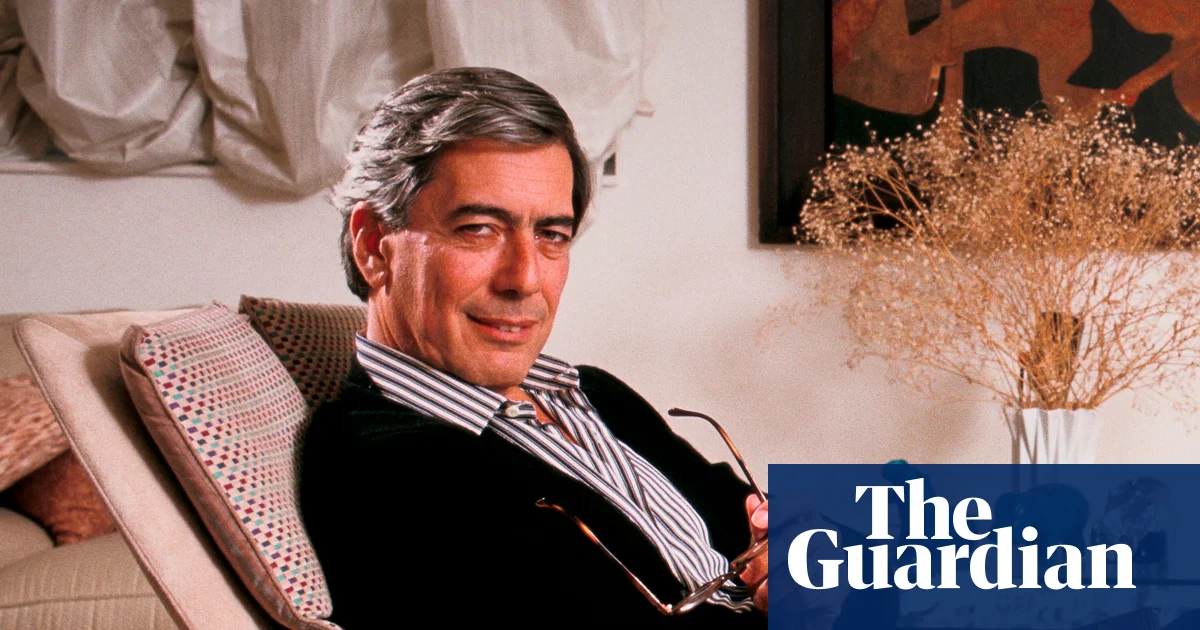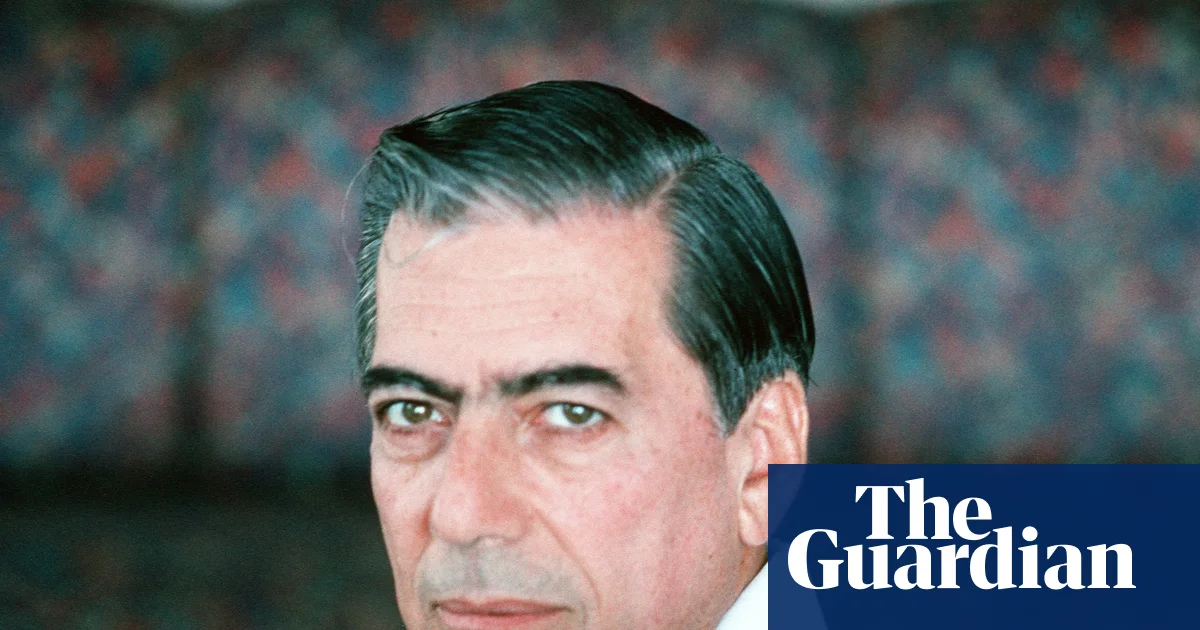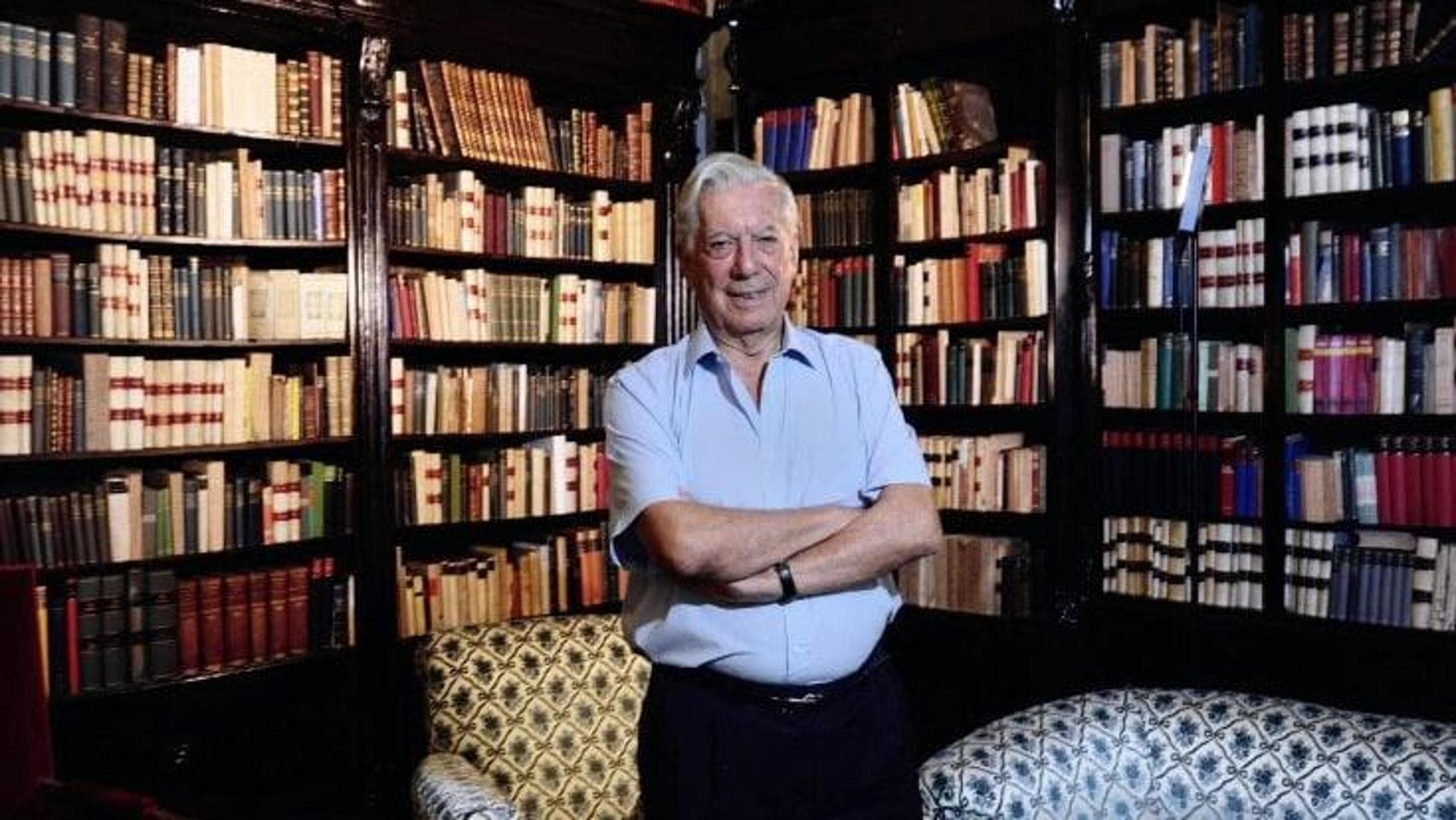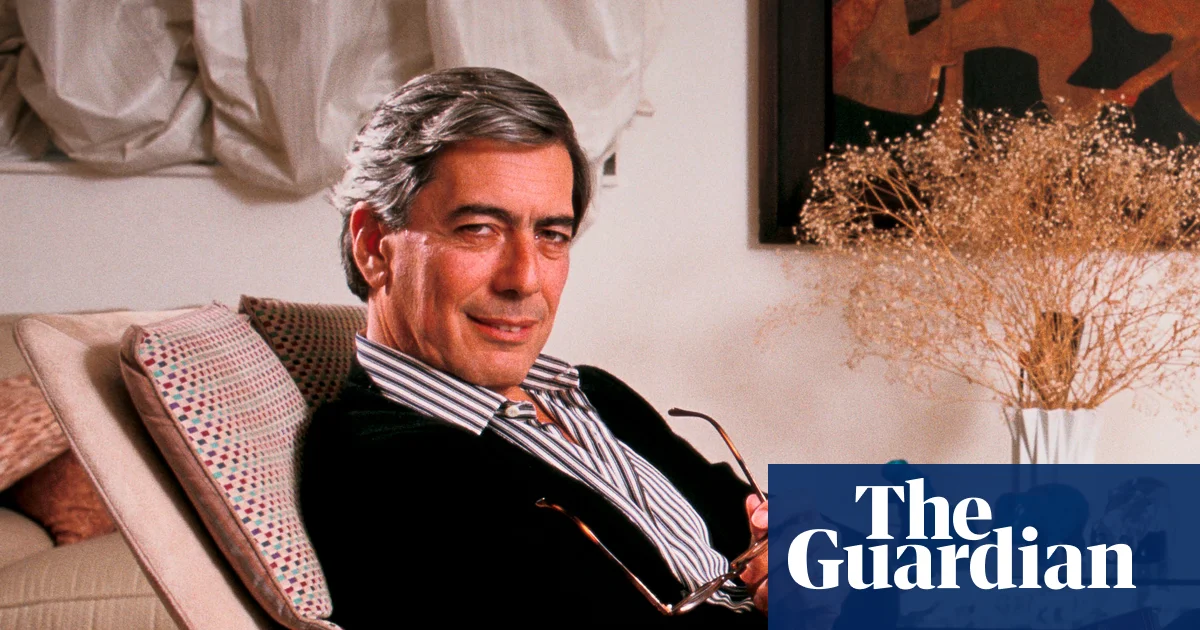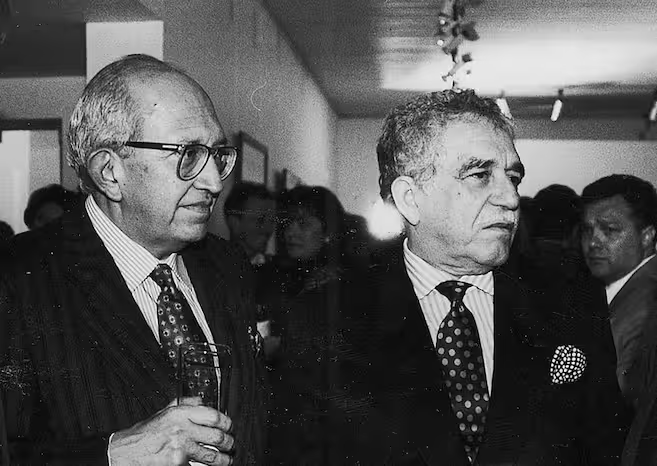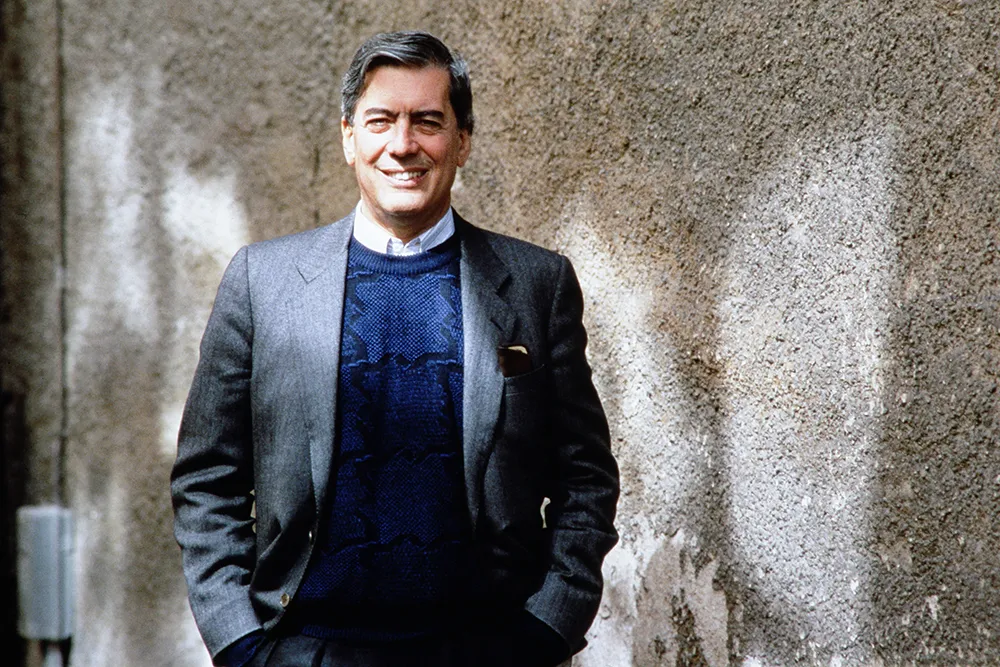
In October 2010, when Gabriel García Márquez, by then suffering from dementia, was told that his former friend and rival had won the Nobel Prize for Literature, he enquired: ‘Who is Mario Vargas Llosa?’ This tottering, always compulsive biography of the writer who died last year and which has taken 15 years to write (‘I completely miscalculated its complications’) is Gerald Martin’s valiant answer. ‘Is there a life quite like this one anywhere in the western world in the second half of the 20th century?’ In Martin’s breathless judgment ‘this literary adventurer, politician, diplomat and warrior all rolled into one’ was a single-minded workhorse whose sheer intensity, quality and variety of life was ‘almost literally incredible’.
Listeners to Vargas Llosa’s Nobel lecture in 2010 knew his reputation as ‘the Julio Iglesias of contemporary fiction’, who had defined headlines for 60 years, winning numerous literary prizes for a novel or an essay (‘or for mere “famousness”’, in one critic’s phrase); who had veered politically from left to right – from the plebeian communist student ‘Comrade Alberto’, championing the Cuban revolution, to the aristocratic ‘Marquis de Vargas Llosa’, confidant of the disgraced King of Spain, plus reverential supporter of Mrs Thatcher and Ronald Reagan, who in 1990 had come within touching distance of being elected Peru’s president.