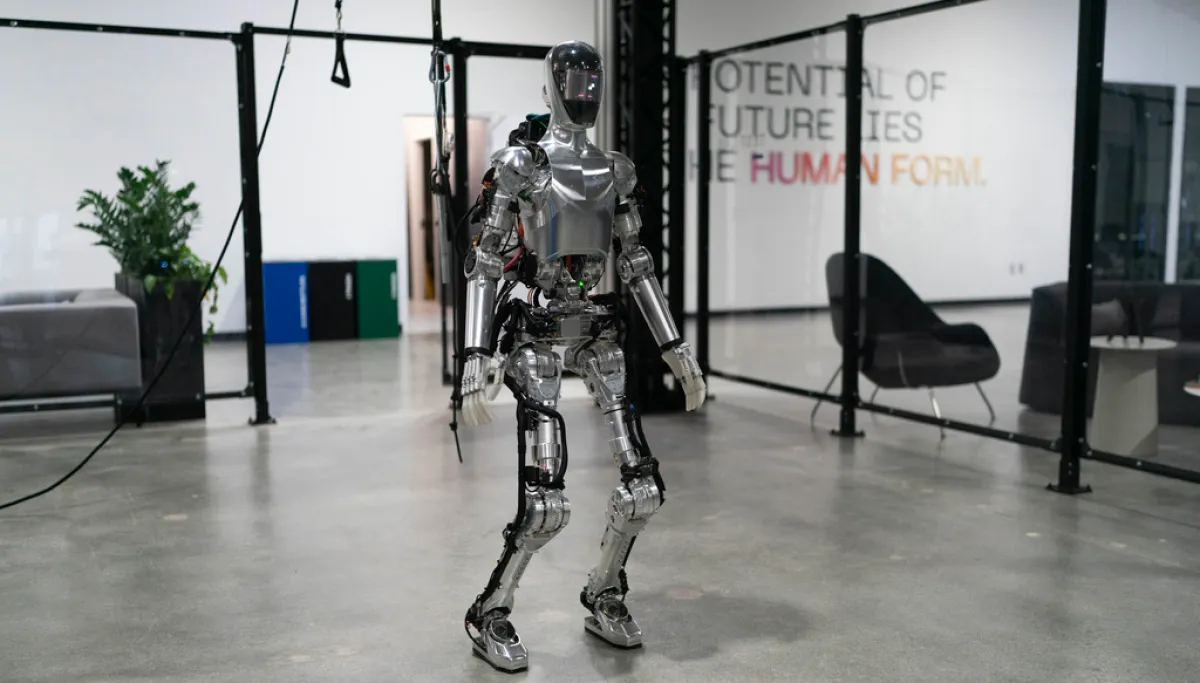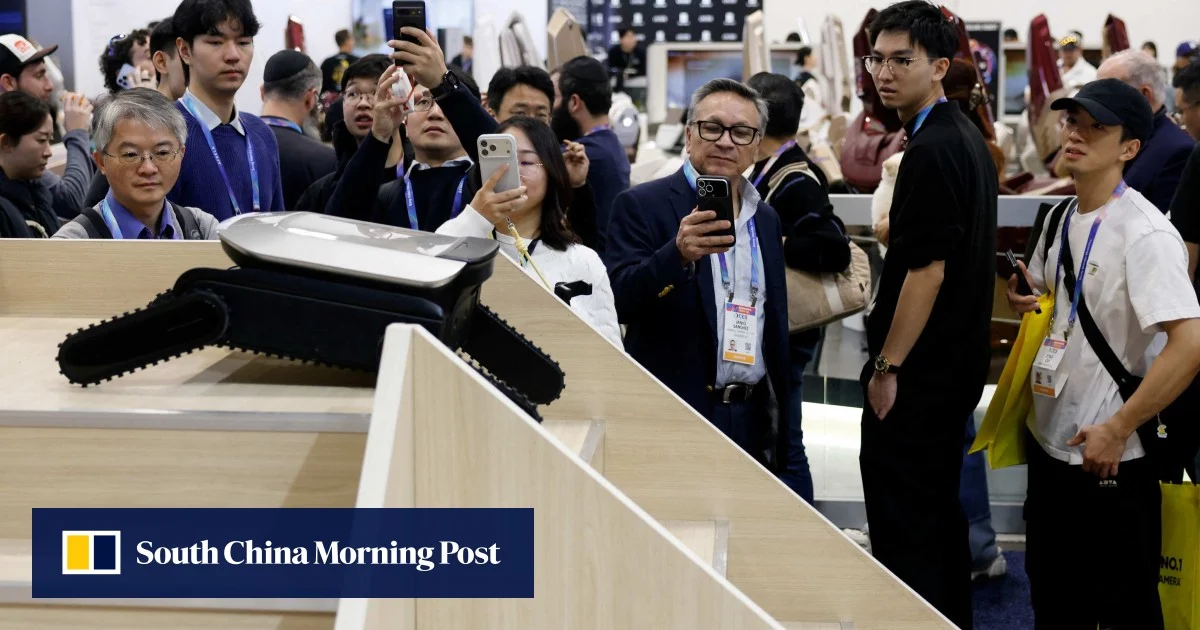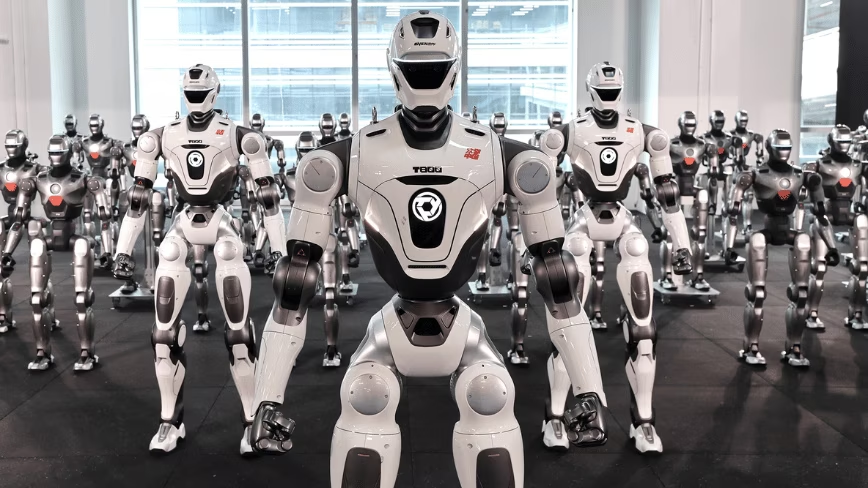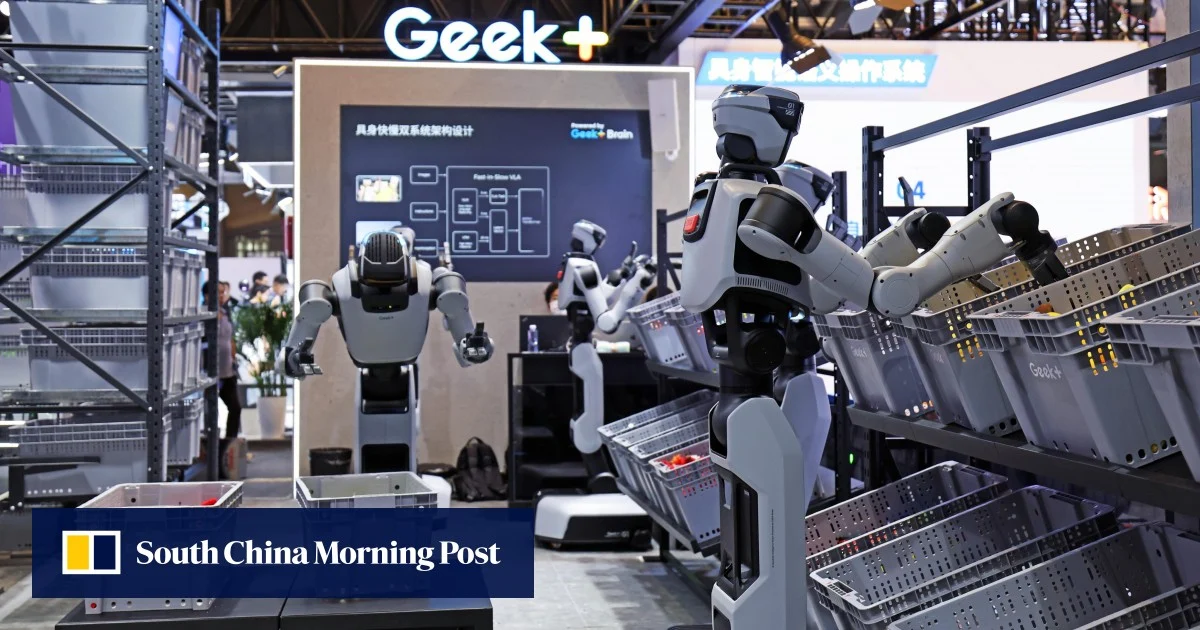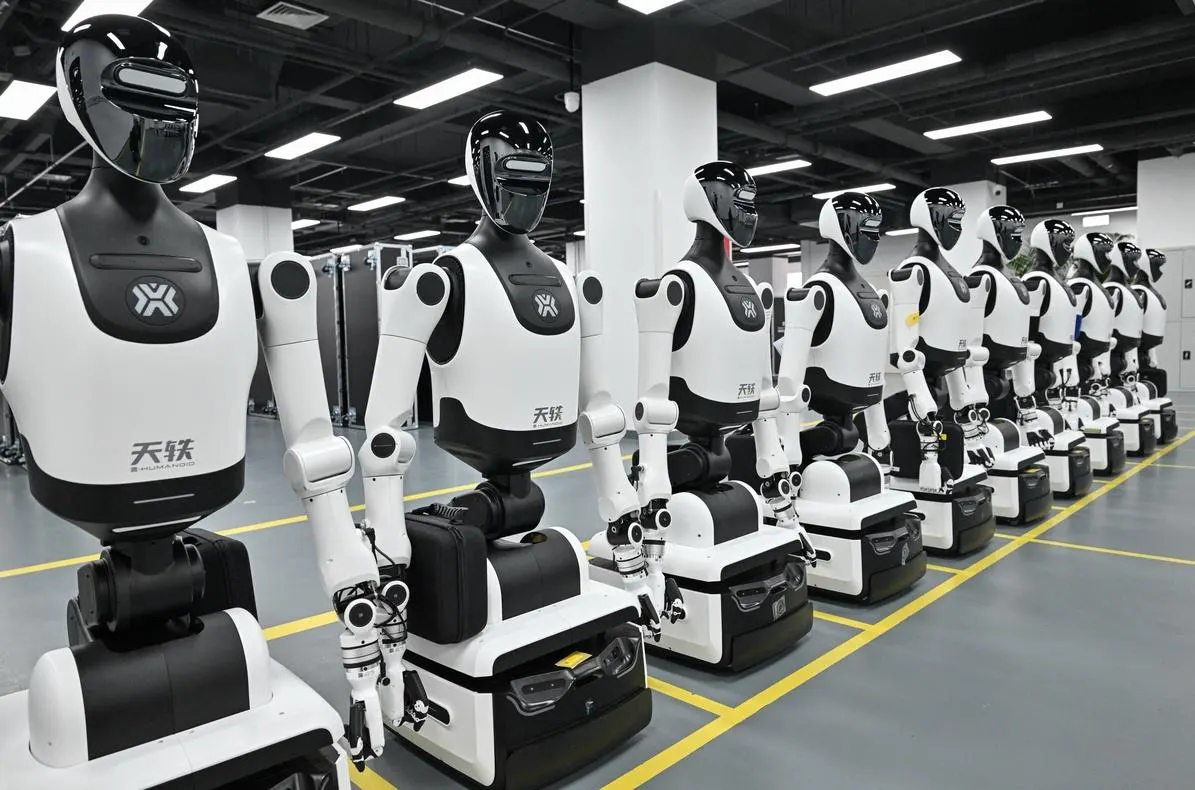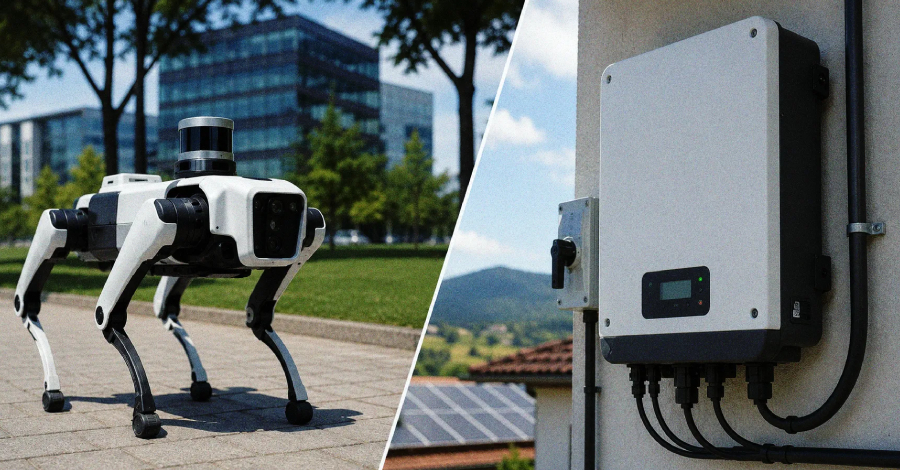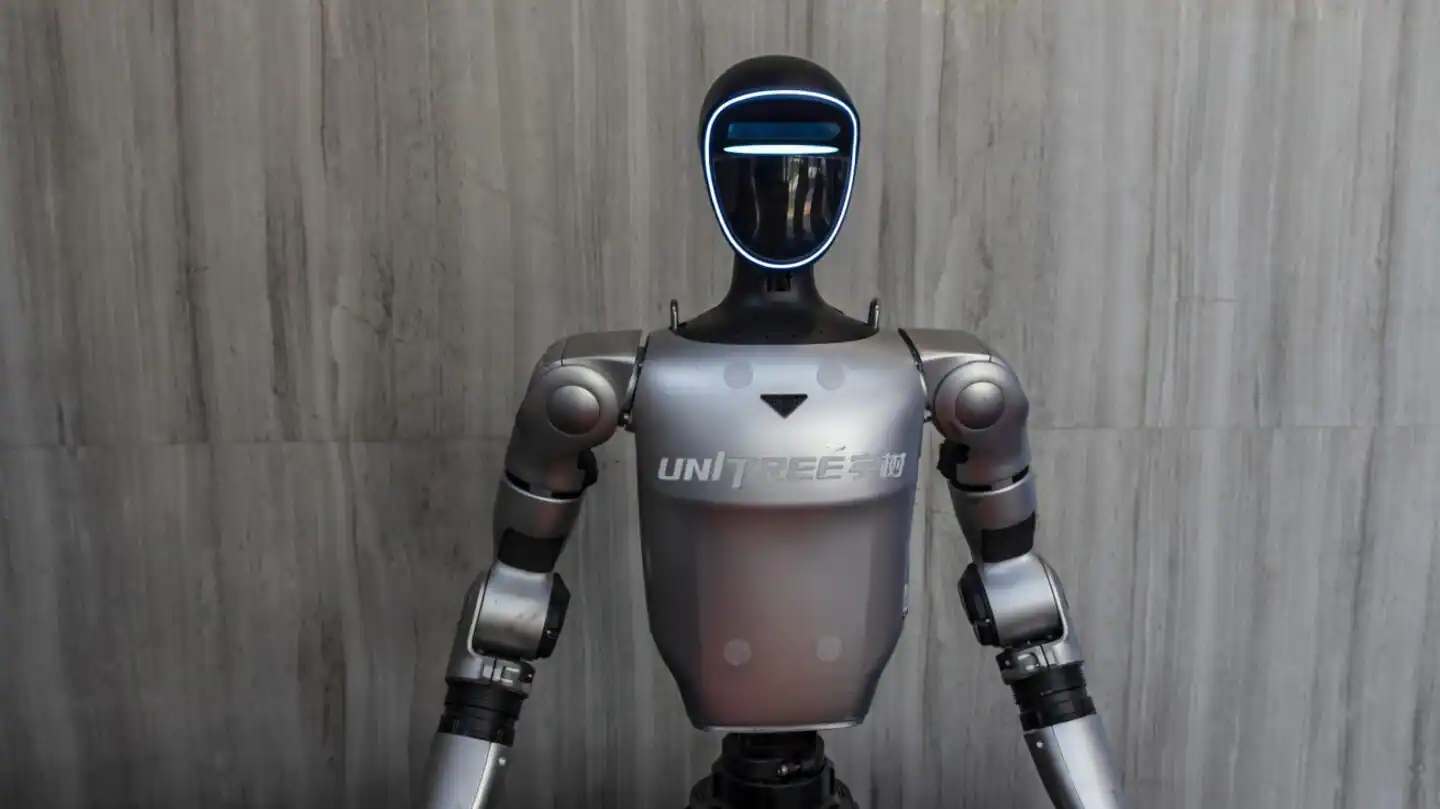
The U.S. Federal Communications Commission (FCC) “Covered List,” originally published in 2021, identifies communications equipment and services that it says pose a threat to national security. On 28 July, the FCC added mobile, communicating robots weighing more than 2 kilograms and power inverters commonly used in solar panels to the list, meaning that new products from any foreign country in these categories are no longer eligible for import.The move is a Department of Defense (DOD)-driven expansion of scattered federal efforts to further limit U.S. exposure to potentially sensitive Chinese technology, but it may impose major changes on the robotics industry in allied countries, too. The FCC’s announcement says that: All foreign-produced advanced robotic devices pose an unacceptable risk to the national security of the United States and to the safety and security of U.S. persons… unless the [Department of Defense determines that] a given foreign-produced advanced robotic device, or a class of such devices, does not pose such risks.There are two important definitions here. The first is what an “advanced robotic device” is, and the second is what “unacceptable risk” means. Drones already went through their own round of this sort of regulation, so they’re exempt from this particular restriction, as are connected vehicles and medical devices. As far as the FCC is concerned, “advanced robotic devices” are mobile systems that incorporate on-board sensing and communications and have some amount of autonomy. There are a couple of loopholes, including systems weighing under 2 kg and any system that communicates at less than 200 kilobits per second, which opens up some creative possibilities. It’s important to note that this applies to new devices; those already certified are not restricted for sale or use.As to the risks, the U.S. government says that foreign advanced robotic devices represent: “a cybersecurity risk that threatens the security of critical infrastructure and thus the safety and security of U.S. persons.” There seem to be two main points to the justification, found in Appendix C. The first is that mobile robots are important to both the economy and the military, so the United States needs its own supply chain and industrial base rather than relying on foreign manufacturers. And second, mobile robots monitor critical infrastructure in sensitive locations, making them a security risk.The Country That Must Not Be NamedAs part of its justification for why foreign robots are a security risk, DOD cites IEEE Spectrum’s article on a critical vulnerability in robots from Unitree, based in Hangzhou, China, along with several other news articles and reports about Chinese robotics. And despite the FCC swearing up and down that this action is “country neutral” and “not targeted at any country or countries,” U.S. national security sources told Spectrum that the perceived threat is obviously China. That’s how China feels about it, too, per a Chinese Ministry of Commerce 29 July press conference (translation of the first quote here):On the surface, the FCC’s measures fly the banner of “non-discrimination,” but in substance they discriminate against and suppress Chinese enterprises and products…China firmly opposes the U.S. overstretching the concept of national security and going after Chinese companies. Protectionism does not make the U.S. more competitive and will only hurt the interests of U.S. companies and consumers. China will continue to do what is necessary to firmly defend the legitimate and lawful rights and interests of Chinese companies.It’s unclear what China is going to do about this—but how about the rest of the world? How can foreign companies that make advanced robotic devices get them cleared for FCC authorization? Among many, many other things, you’ll need to provide “a detailed, time-bound plan to establish or expand manufacturing in the United States for the advanced robotic device.” Because China also produces a large fraction of robot components, even for robots assembled in the United States, it will have strong leverage in any related negotiations until U.S. robotics companies further diversify their supply chains.RELATED: Proposed Chinese Robot Ban Is Latest U.S. Tech Sovereignty MoveApplicants must also submit their applications to the DOD and FCC by 1 January 2028, which is unfortunate for anyone who wants to develop an advanced robotic device after that point. Robotics Industry ReactionsThis is all very new, and reactions from the robotics community have been mixed. Some American robotics companies may benefit in the local market from the newfound lack of competition in the commercial market. Brendan Schulman, Boston Dynamics’ vice president of policy, wrote an enthusiastic endorsement of the ban on LinkedIn: “I sense that this is just the first round in a series of policies that will define the success and growth of the industry for decades to come.” On the other hand, third-country buyers may just stick to Chinese products, as they generally have for drones and electric cars. But not all companies expect major changes from the new regulation. American customers “need to know they can audit the technology, get support quickly, and keep the system operating without depending on a fragile overseas supply chain,” Nic Radford, the CEO of U.S. humanoid robotics company Persona, tells IEEE Spectrum. In other words, he figures some customers wouldn’t have wanted Chinese humanoids anyway.Philipp Frey, vice president of strategy for Swiss quadruped company ANYbotics, agrees. He says their enterprise customers in the United States “increasingly evaluate robots on long-term reliability, cybersecurity, software capability, safety certification, serviceability, and ecosystem integration, not on hardware cost alone.” ANYbotics also plans to apply for conditional approval of future products, Frey says. That will involve a national-security review by DOD or the Department of Homeland Security, disclosing company beneficial ownership, supply chain risks, and declaring a plan for establishing a significant manufacturing presence in the United States.U.S. quadruped company Ghost Robotic’s CEO Gaven Kenneally is more explicit about the risks Chinese robot strategy poses to the United States. “Active and purposeful spyware is deployed inside the U.S. on Chinese robots. Examples of predatory pricing abound. And this isn’t just a competition between U.S. and Chinese robotics companies; it’s between private U.S. companies and China’s coordinated national strategy,” Kenneally tells Spectrum. “If today’s announcement encourages stronger cybersecurity and a more level competitive environment, that’s good for customers and good for the robotics industry.”So is an industry-wide ban the best way to guard against threats? American approaches to Chinese technology security risks have been “ad hoc and fragmented,” wrote Brookings Institution sociologist Kyle Chan in a report published 9 July. Chan called for the Bureau of Industry and Security, part of the Department of Commerce, to centralize federal information gathering and decision-making on how to handle risky foreign devices. He also called for better public input mechanisms for these issues, and a continuous, proportionate process that tightened or relaxed targeted import restrictions in response to well-defined risks. That would allow American industry to continue benefiting from partnerships with Chinese manufacturers in less sensitive links of the supply chain, Chan argues. Those links will evolve over time, requiring continued assessment, but without those partnerships, crude bans “could make it more difficult for American startups and researchers to develop new software and end up slowing innovation across the U.S. robotics ecosystem,” he writes.
U.S. Bans New Foreign Mobile Robots
New rules further bifurcate U.S. and Chinese supply chains
1,186 words~5 min read