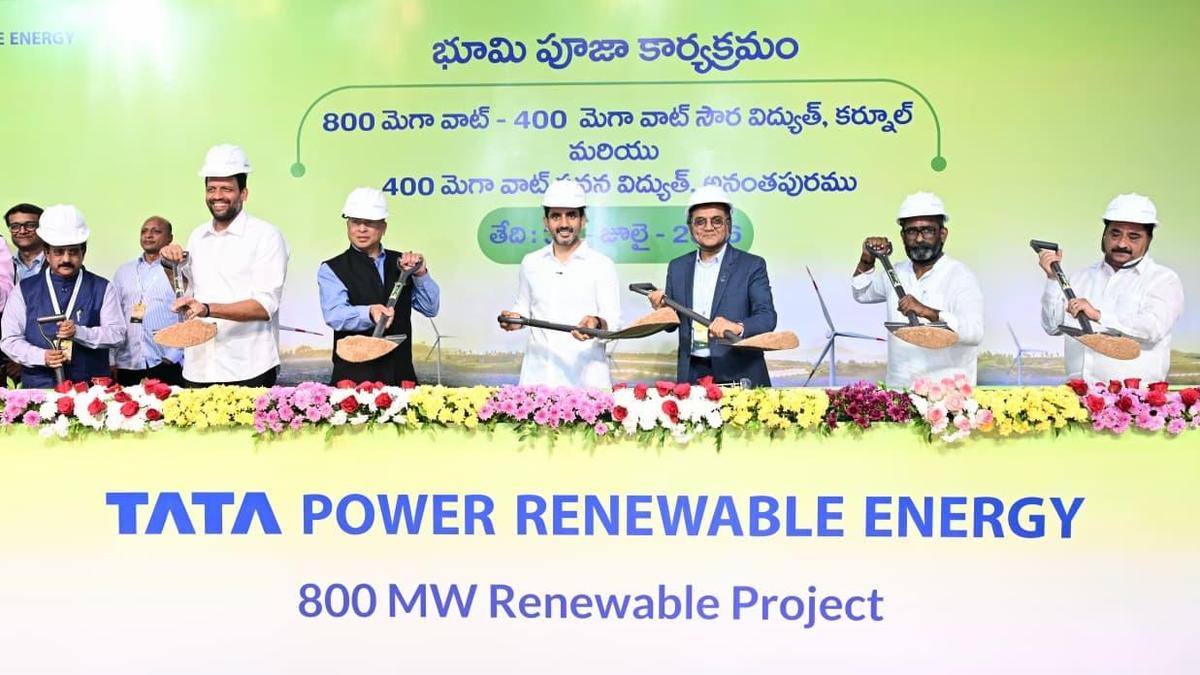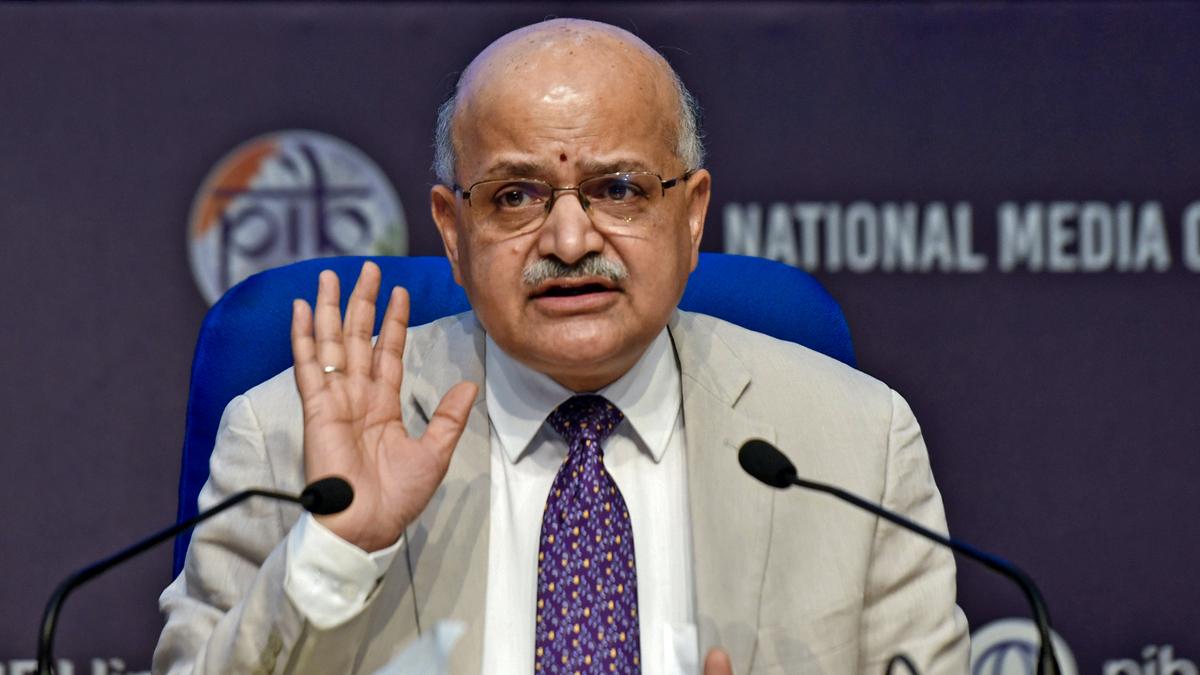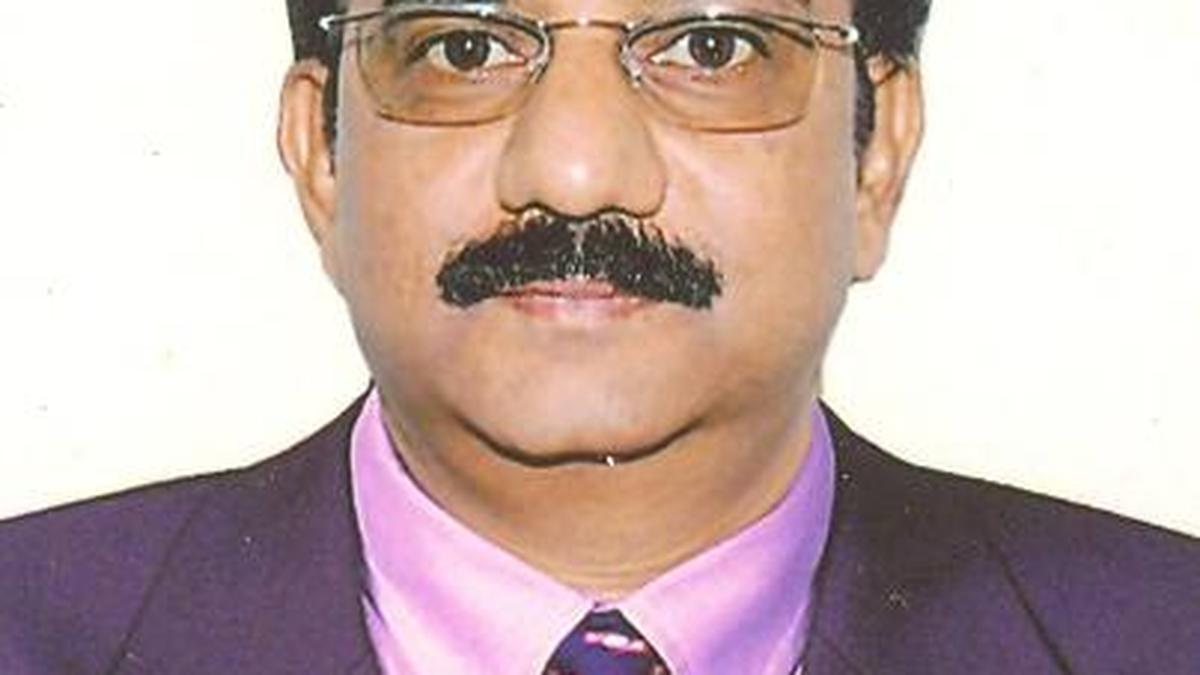
Andhra Pradesh is aggressively positioning itself as the epicenter of India’s renewable energy revolution. At the heart of this massive clean energy push is the New and Renewable Energy Development Corporation of Andhra Pradesh (NREDCAP).However, scaling up to meet these targets requires moving past boardroom MoUs and navigating the hard realities of land acquisition, grid stability and capital mobilisation. In conversation with businessline Kamalakar Babu, Vice Chairman & Managing Director at NREDCAP unpacks the execution blueprints behind these multibillion-rupee investments. Excerpts:NREDCAP recently executed high-profile MoUs, including a massive 7 GW clean energy pact with Tata Power and a ₹30,000 crore, 4 GW deal with Hero Future Energies. What is the realistic grounding and execution timeline for these massive investments?The focus of the Andhra Pradesh government aligns directly with the shifting dynamics of Bharat’s energy landscape. We have solar potential of nearly 240 GW in Andhra Pradesh, particularly in the Rayalaseema region and 125 - 129 GW of wind in the Rayalaseema region. Pumped Storage Power (PSP) potential is nearly 70,000 MW. To utilise this and more the State government came out with policy known as AP integrated renewable energy policy.Under the policy we have announced nearly 160 GW of potential, 100 GW of capacity to be done by 2030 and spread over in the remaining years — wind 35 GW, solar 78.5 GW and pump 22 GW. The policy envisages a timeline of up to two years for the projects — 18 months for the solar and two years for the wind. Meanwhile out of 160 GW, we have sanctioned nearly 112.545 GW from 2024 onwards. So far, we have commissioned 4.56 GW and under construction are 18.57 GW. All together eight stations across where districts would have nearly feed 70 GW.How will they directly impact consumer electricity tariffs across Andhra Pradesh?Tariff has come down. Of course, Andhra Pradesh government is not procuring any RE power, at present. But, as projects come up, RE will get flushed into the grid. A year down the line, definitely things will be different in the State, with more projects coming in. There are agreements being entered into for construction of the conducting lines and lines for transmission.Under the Andhra Pradesh Integrated Clean Energy (ICE) Policy, what concrete single-window mechanisms have you institutionalised to ensure these developers face zero administrative delays?The State government is facilitating land availability. As of now, 40,000 acres of government land have been handed over to the different developers. And 1 lakh acres of private land has been assigned.
‘AP’s Renewable Future: focussed approach on land, grid, storage, and execution’
Andhra Pradesh's NREDCAP drives renewable energy growth through strategic land use, grid stability, and innovative execution plans.
944 words~4 min read