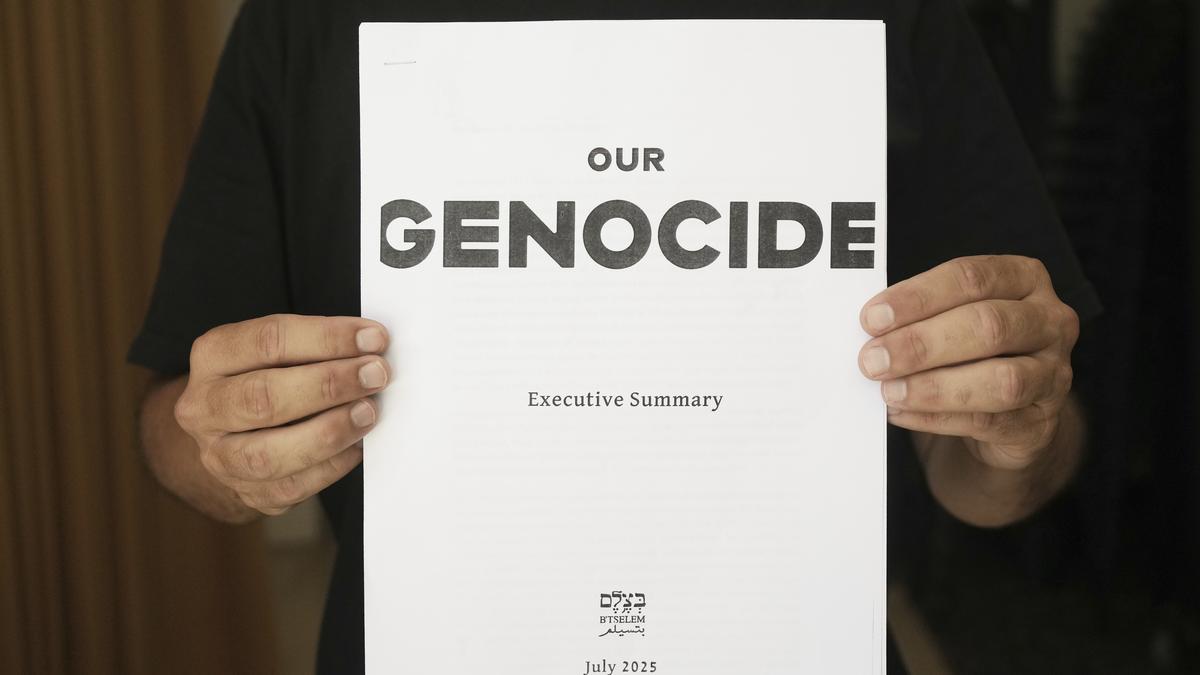
While many Americans believe that Israel has committed a genocide against Palestinians in Gaza over the past three years, attempts to understand what really happened there and hold Israel accountable have fallen short so far. The legal case at the International Court of Justice has been stalled by American and European opposition. The ferocious debate over the term itself has degenerated into partisan flamethrowing and definitional nitpicking. The campus protests that erupted in the spring of 2024 were violently repressed and have largely gone away.
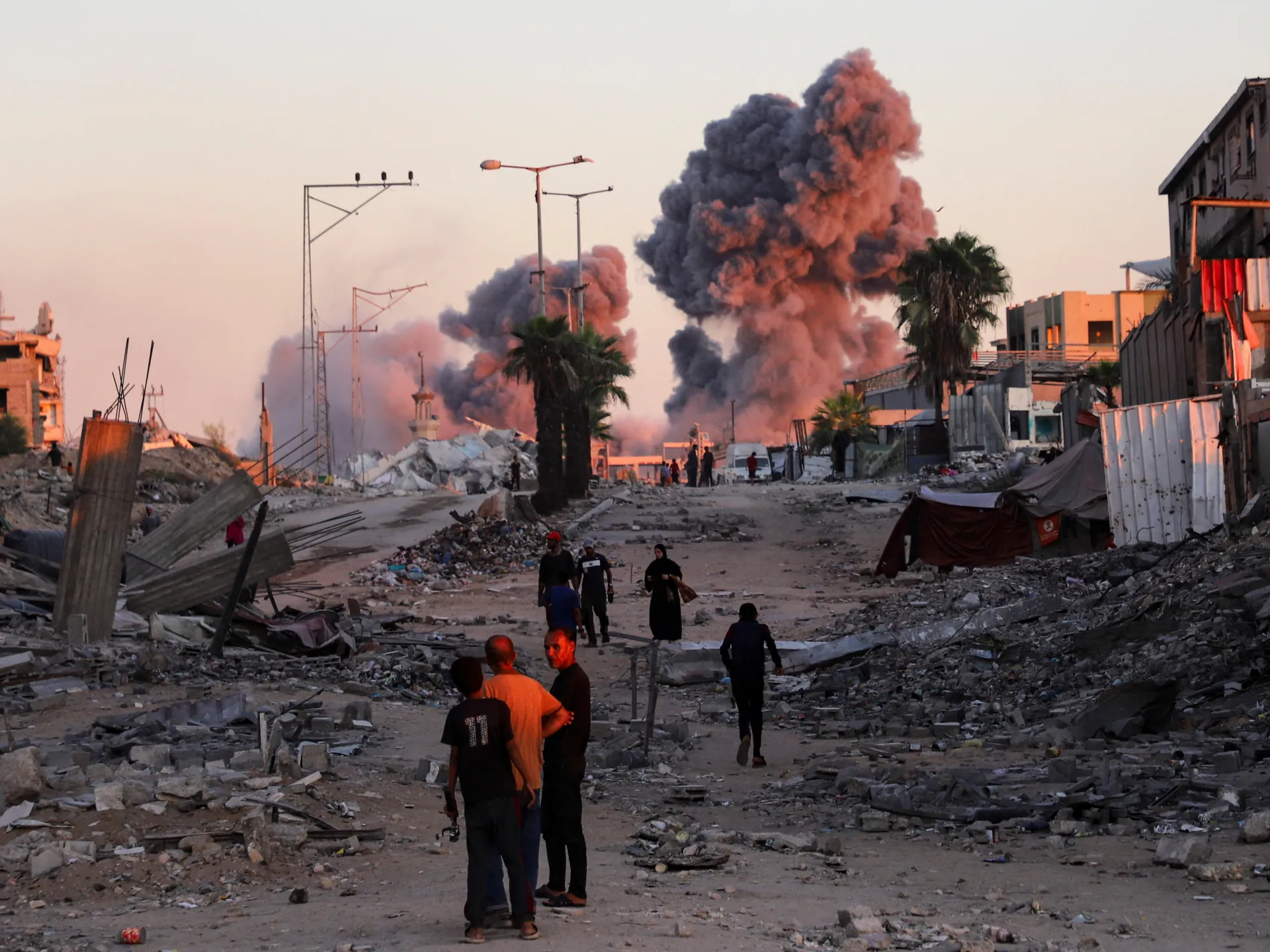
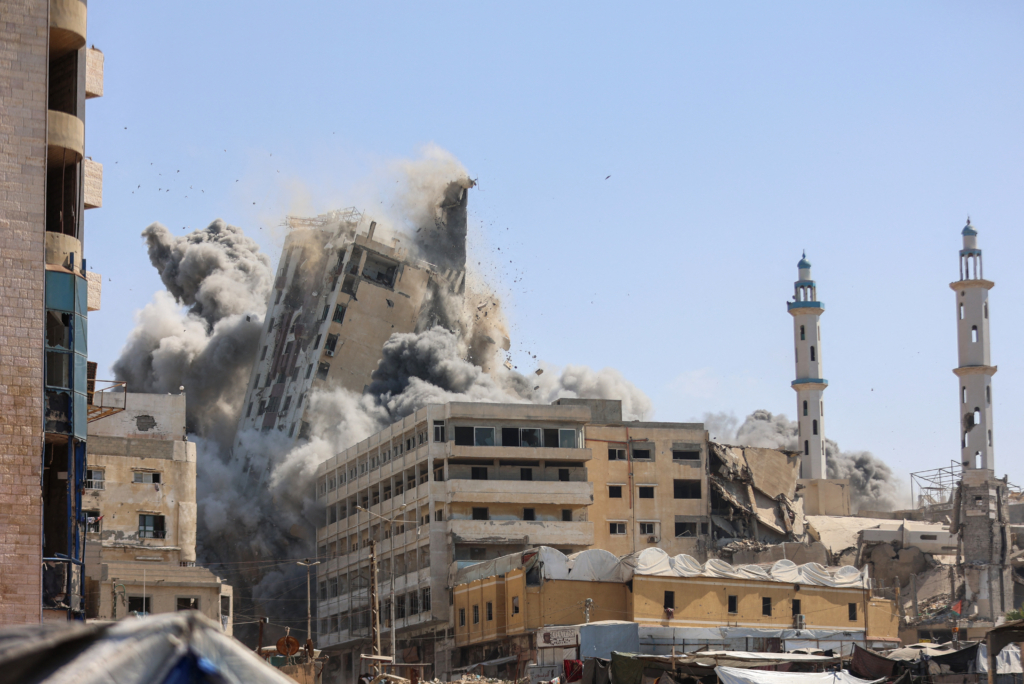
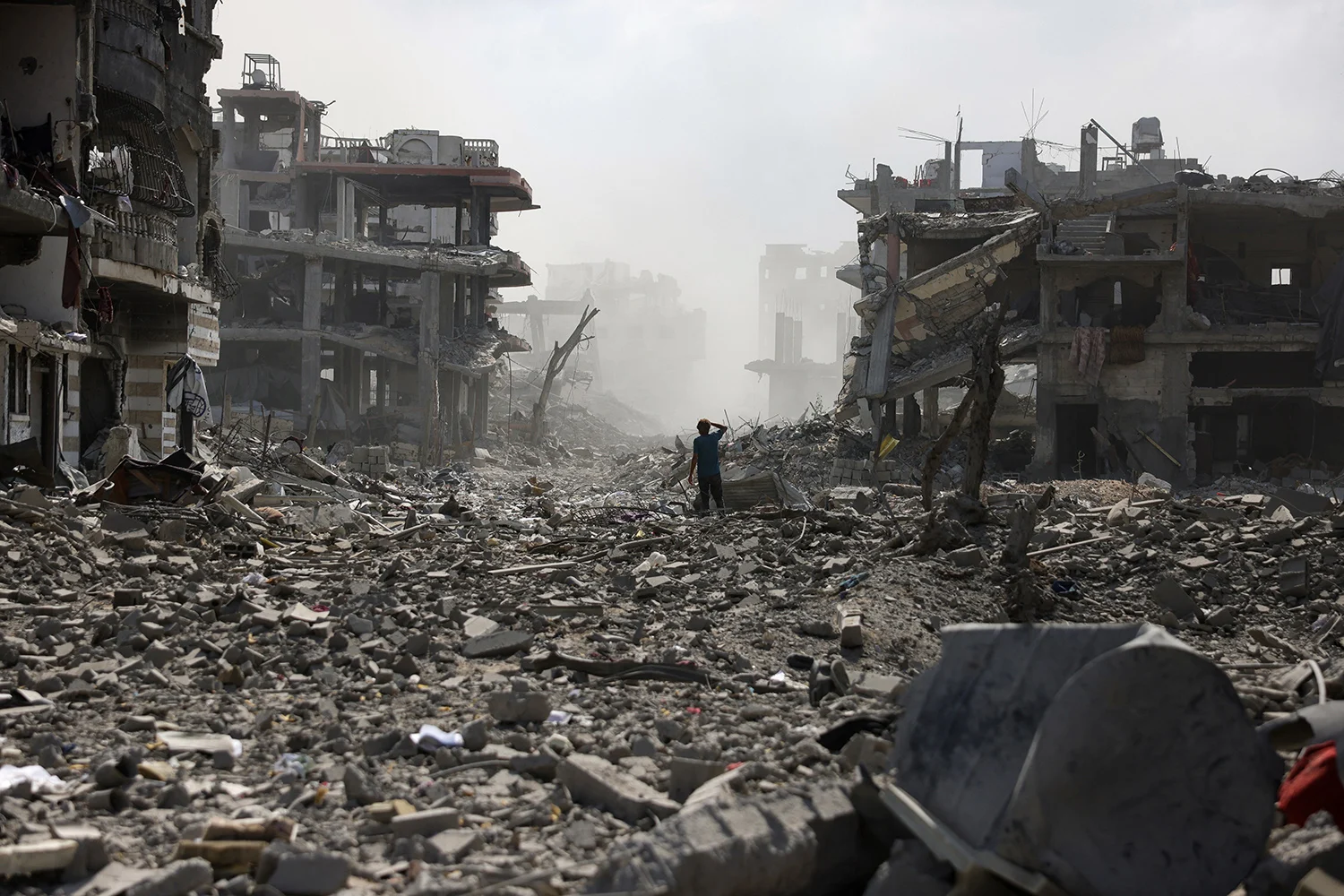
A new book by the British Israeli architect and political activist Eyal Weizman tries to fill that void by telling the story of Israel’s systematic destruction of Gaza street by street, farm by farm, and hospital by hospital. What sets Ungrounding: The Architecture of Genocide apart from this polarized discourse is its determined focus on the physical and its analytical tone. The evidence, collected by Weizman and his team from audios, videos, and interviews and subjected to rigorous analysis, is overwhelming. Their efforts produced the “Cartography of Genocide,” an interactive and constantly evolving digital map that details “an organized and designed campaign to destroy Palestinian life in Gaza.” By the end of the book, the question is less whether Israel’s actions should be regarded as genocide and more what to make of a genocidal process that seeks to not only remove a people but to fundamentally and permanently transform the land.