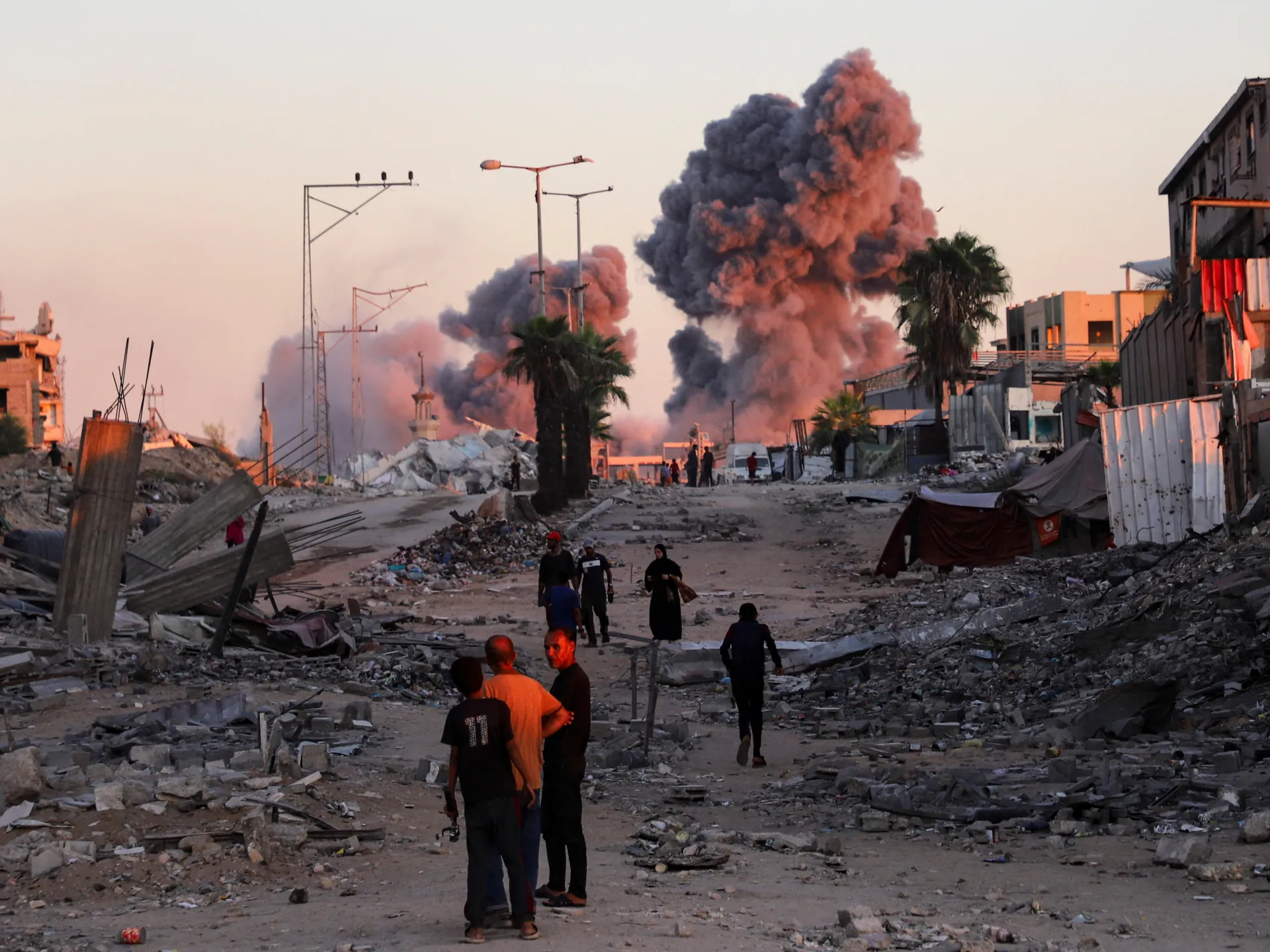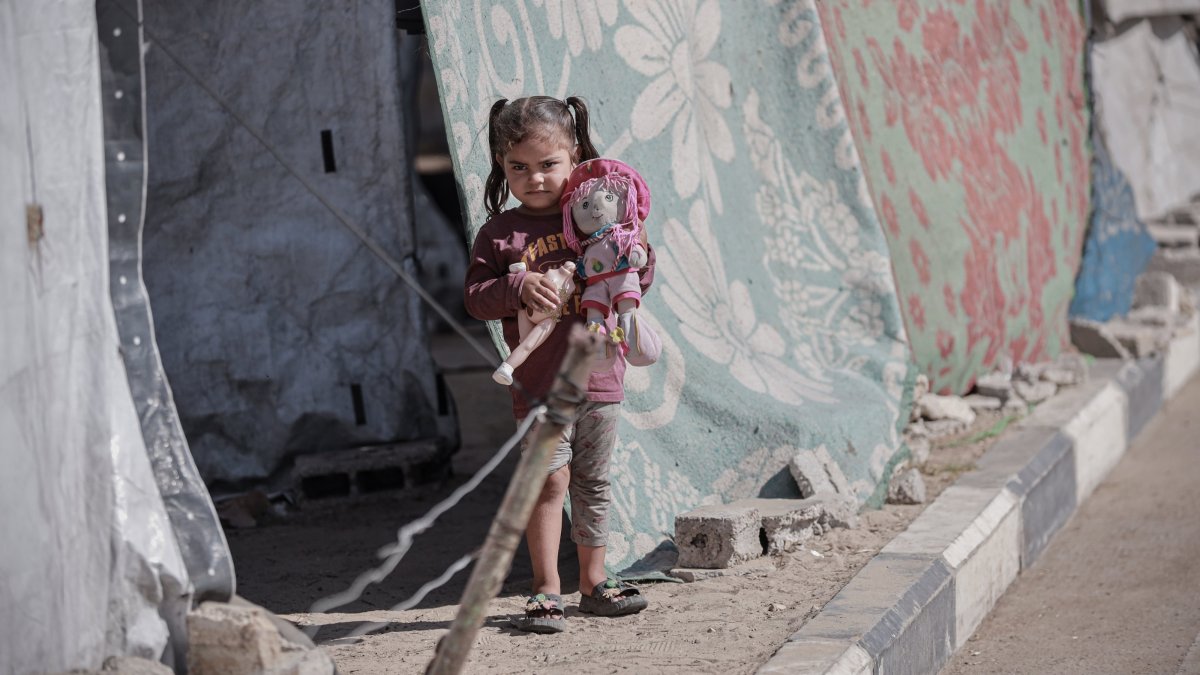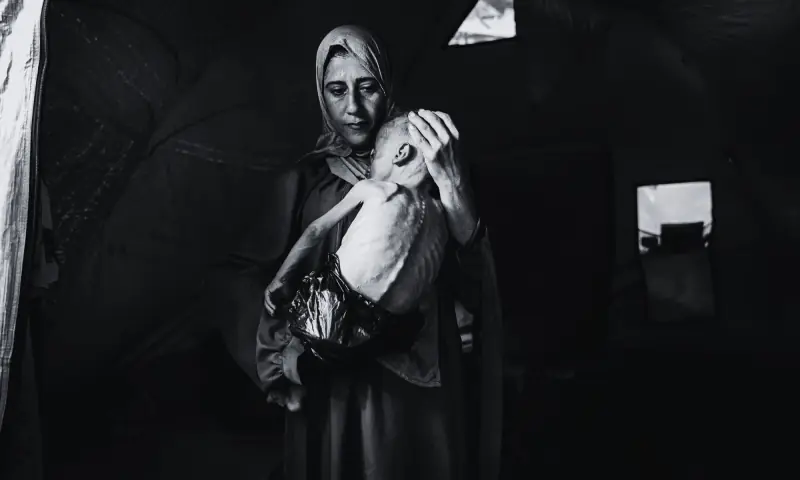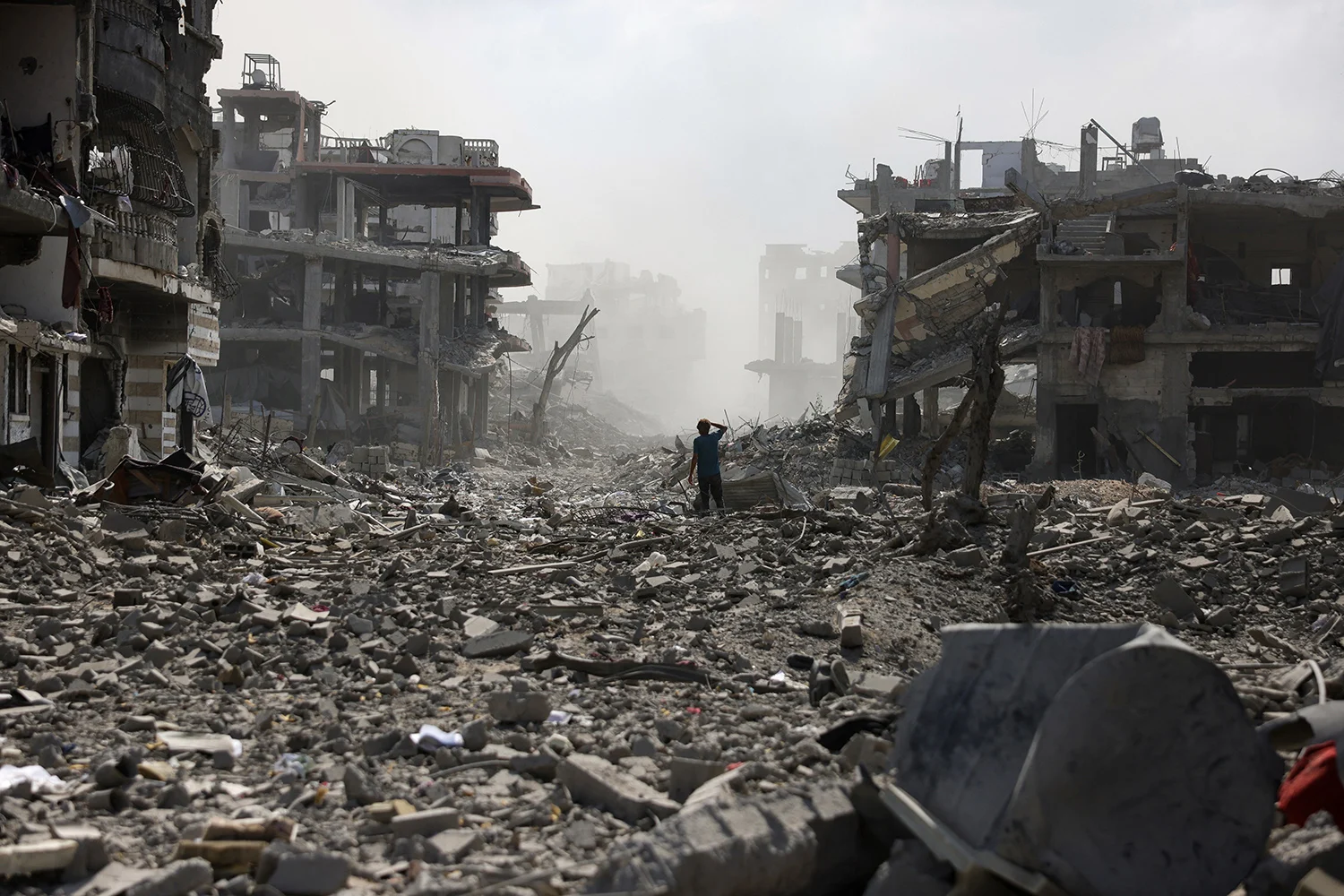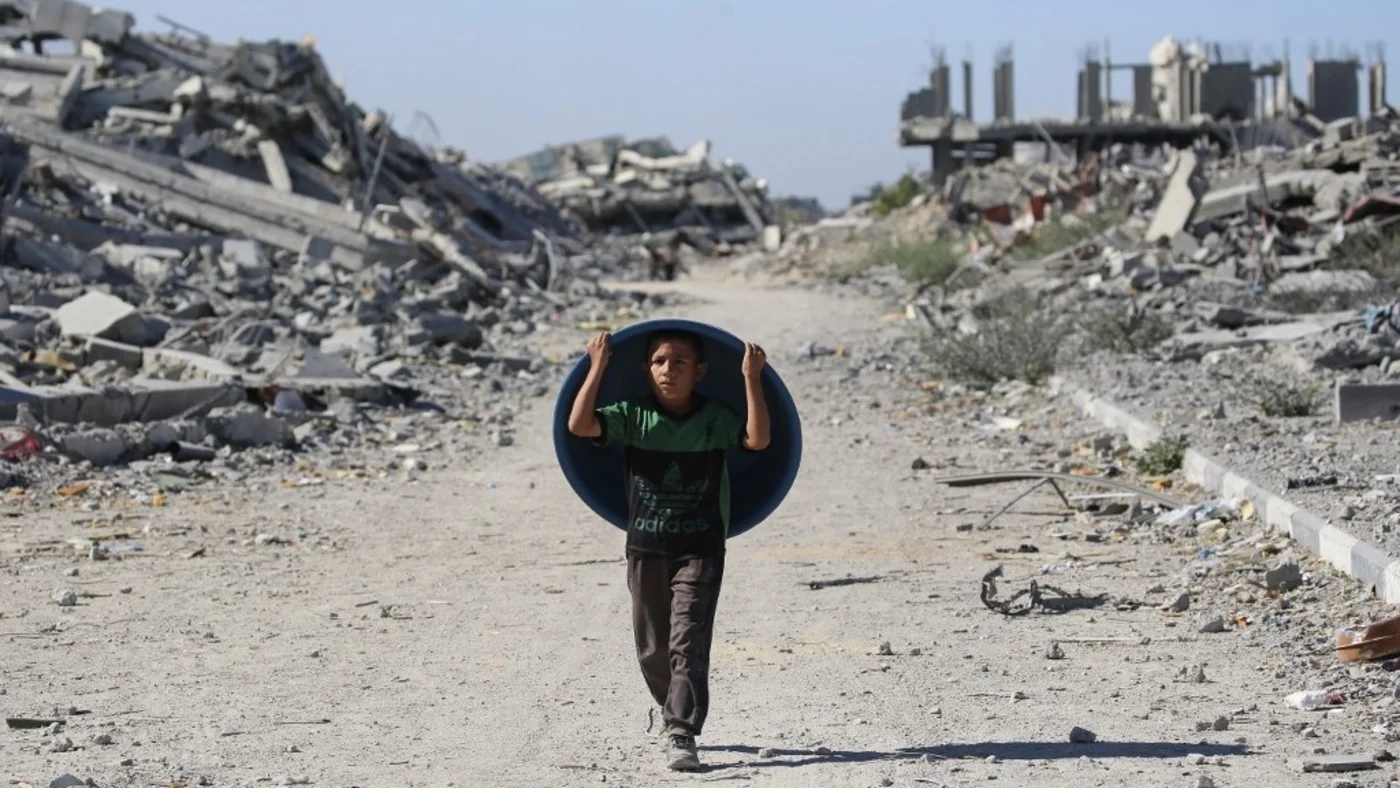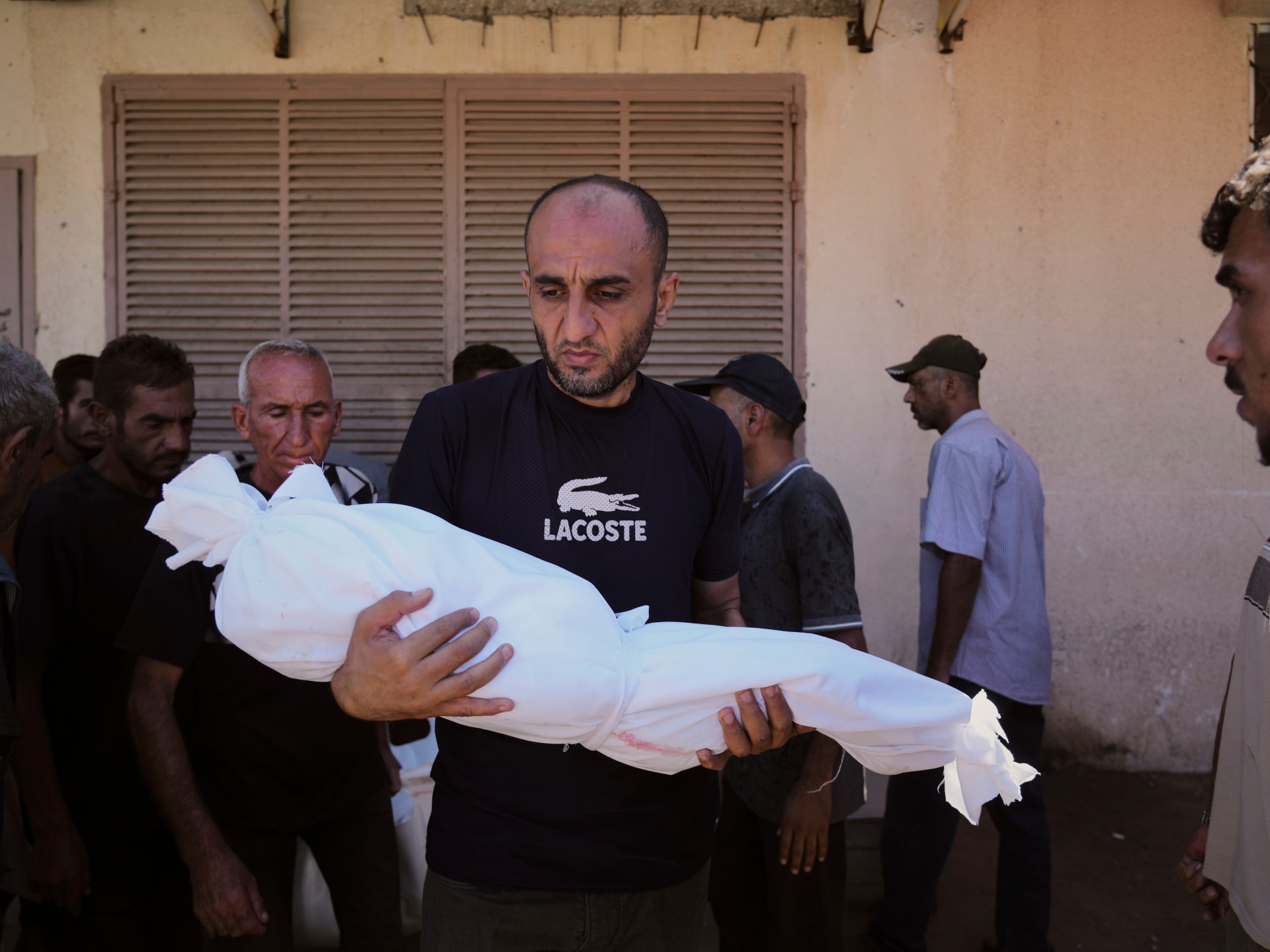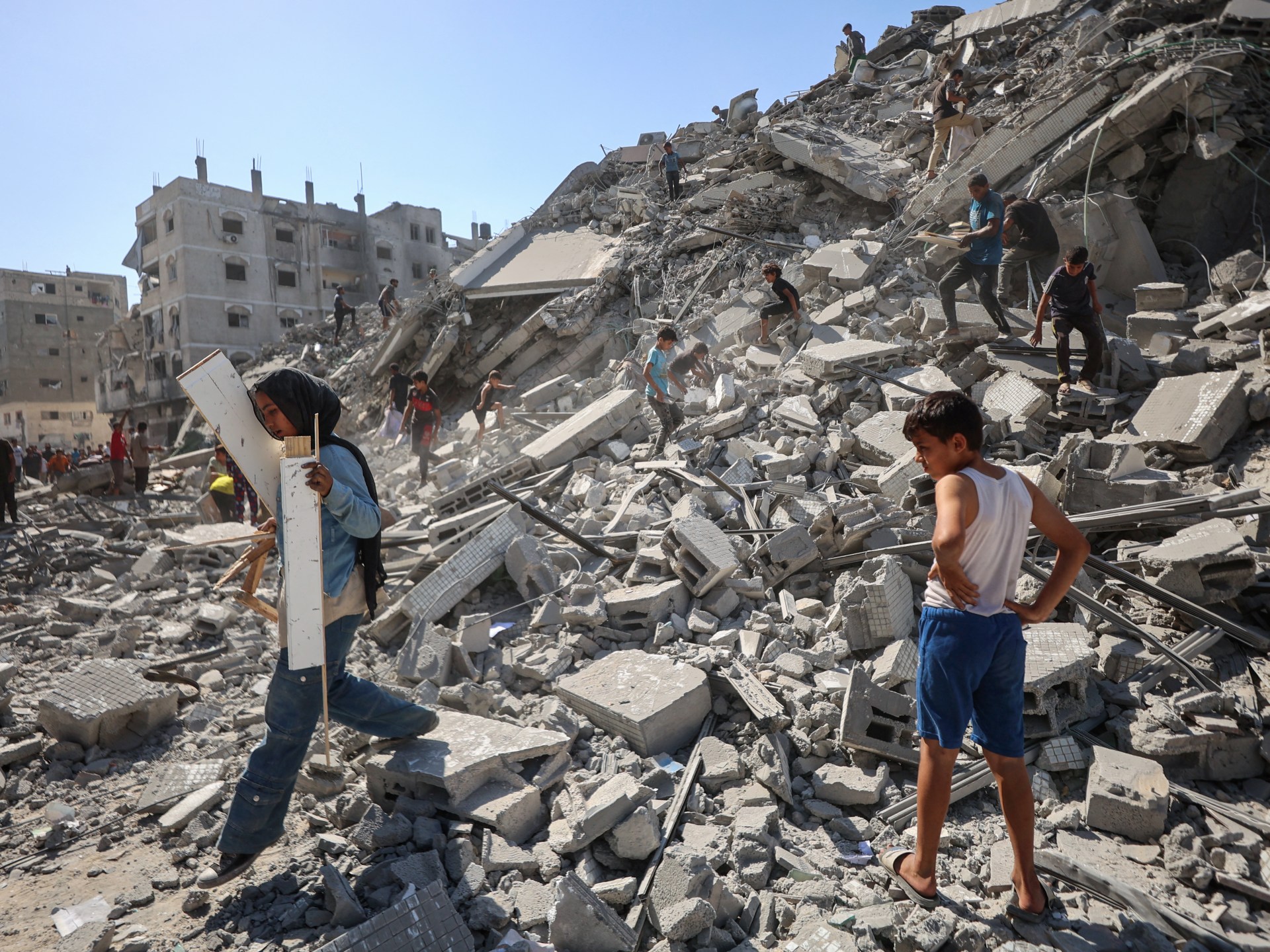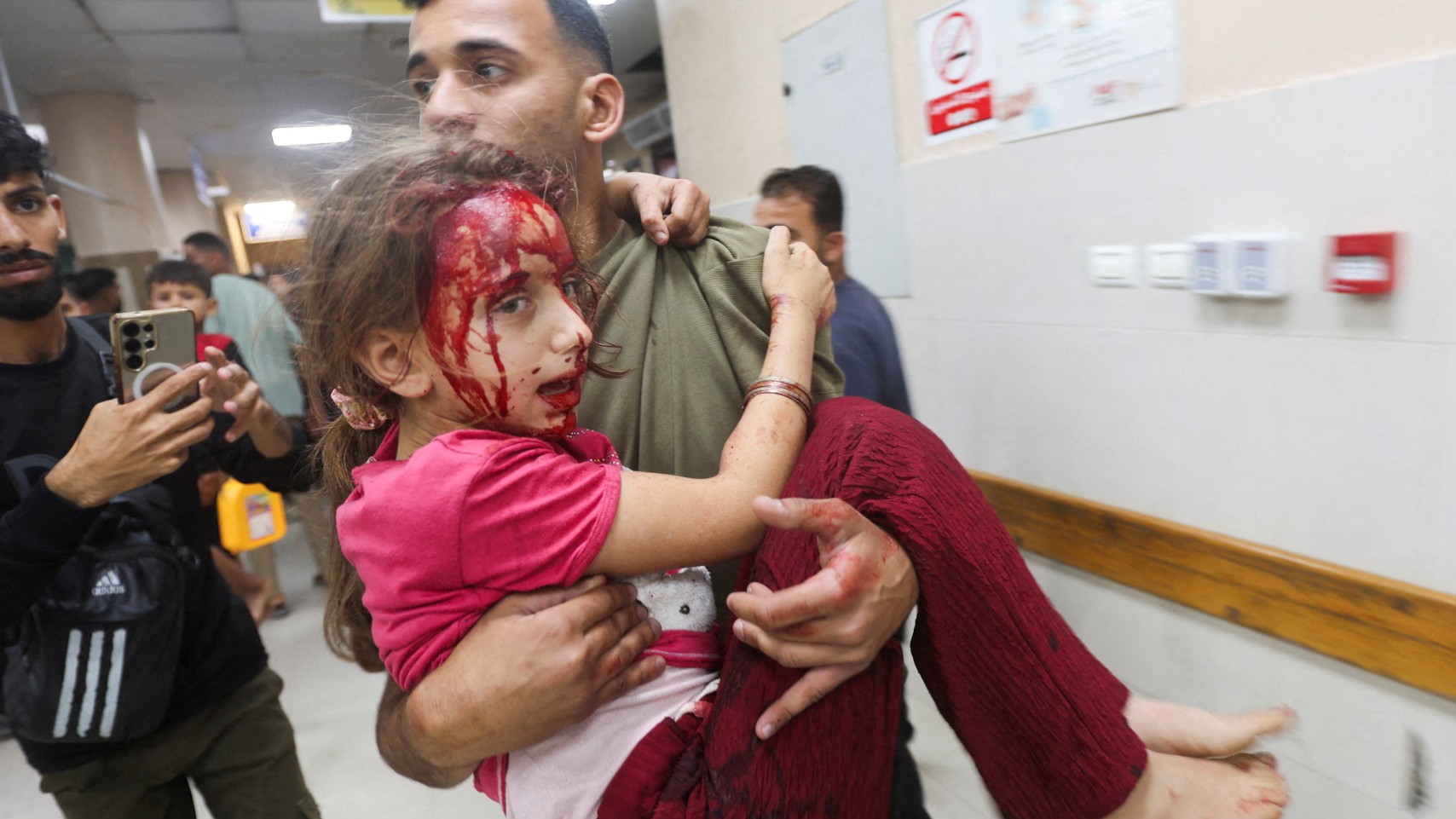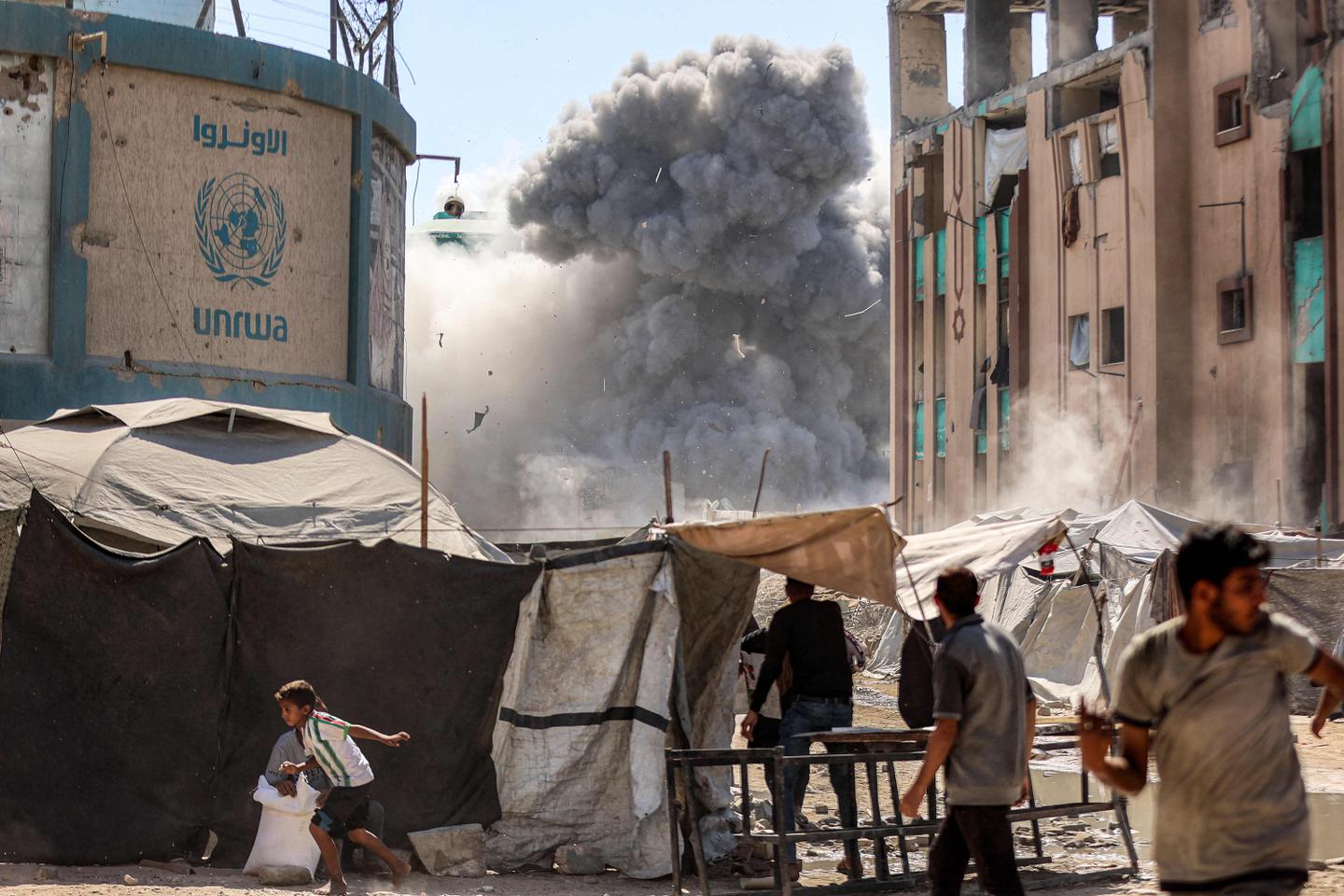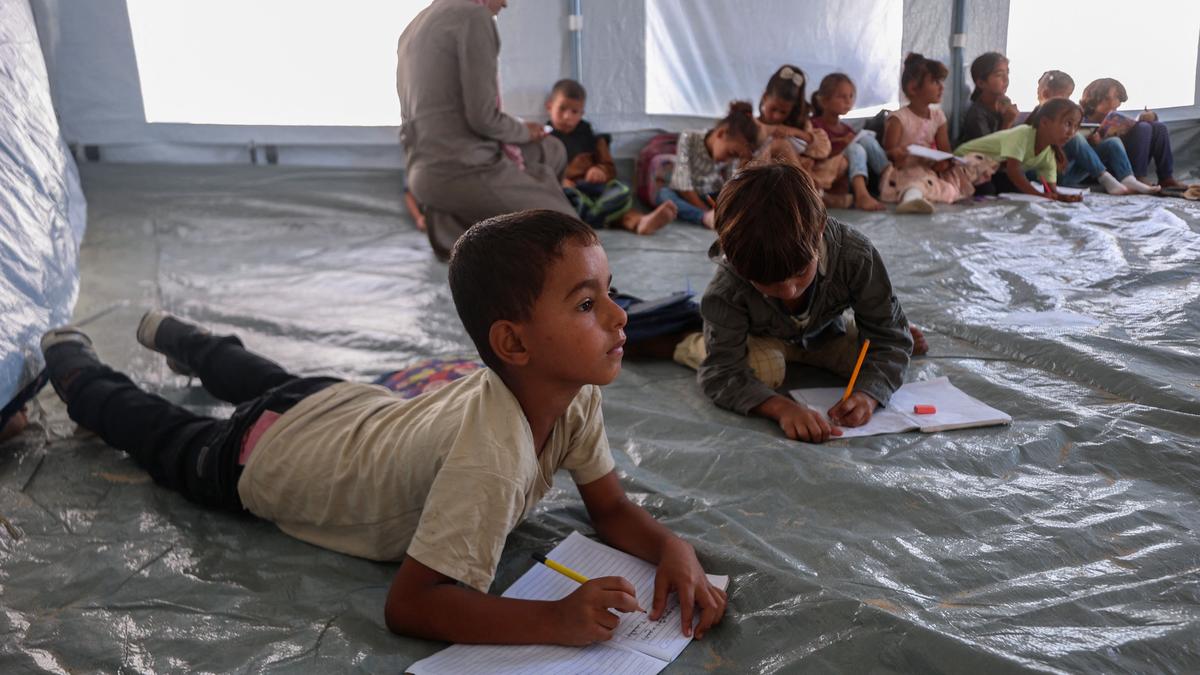
Months before a United Nations Commission of Inquiry concluded in September 2025 that Israel has committed genocide in Gaza, Fatima Bhutto and Sonia Faleiro had begun work to record the human toll of Israel’s relentless attack on the narrow strip since October 2023 following Hamas’ assault on Israel. In Gaza: The Story of a Genocide (Verso), a volume which both of them edited, they write in the Preface that the collection of testimonies is “a way to ensure that neither the violence nor its many victims are forgotten.” At least 65,000 Palestinians have been killed in Gaza in 23 months, many of them women and children.Established writers and new voices share their stories with writer and poet Mosab Abu Toha using the verb ‘genocided’ to describe the widespread destruction in his Introduction. “Whether or not we reported on each story, the killing machine never failed to find something to finish off,” he writes. Even as bombs fell, many in Gaza wrote stories, poems, posted videos and photos. Many of these chroniclers were killed — at least 230 journalists and scores of doctors and aid workers lost their lives targeted by drones and bombs — leading Mosab Abu Toha to ask: “How many stories do we need to write? How many poems? How many places? How many paintings? How many short movies? How many tears? What can we do to bring life to Gaza?”‘Once Upon a Time in Gaza’ movie review: A Fistful of Falasteen in GazawoodEven though Gazans have been broadcasting their destruction in real-time, why is it that the world has failed to act? The questions are impossible to answer in the face of gruesome facts like this: “Gaza now bears the grim distinction of having the largest population of child amputees,” as Yara Hawari notes in the essay, ‘On Israeli Settler Colonialism’, providing an overview on how things came to such a pass. Most of Gaza lies in ruins, with hospitals, schools, sewage systems, and desalination plants destroyed. The majority of homes have been levelled, displacing families in several waves, and hunger stalks Gaza with Israel reluctant to allow adequate aid and “everyone withering away from a lack of food.”Articles on Hamas (Tareq Baconi) and the footage of the death and destruction shared by Israeli defence forces (Mary Turfah) foreground historical and ground realities. Mariam Barghouti writes about what is going on parallely in the West Bank and how “Israel does not value Palestinian life.... For Palestinians, Israel’s message is clear: be displaced or die.”‘Cradle to grave’Dr. Tanya Haj-Hassan narrates her experience at Al-Aqsa Hospital to Bhutto, noting that the “diversity of patients and the sheer scale of suffering was overwhelming” with mass casualties bringing in dozens, sometimes hundreds, of patients. As a paediatric intensive care doctor, she primarily treated children, who seemed to make up a large proportion of the injured. The demographic was “cradle to grave,” including patients of all ages — infants, toddlers, children, adults and the elderly.In Voices of Resistance (Comma Press), four women, Batool Abu Akleen, Sondos Sabra, Nahil Mohana and Ala’a Obaid share their diaries written between October 7, 2023, the day of the Hamas attack, and March 2025. In her Foreword, Gillian Slovo underscores the horrific situation on the ground: “Their diaries take us to a place where the dropping off of Wi-Fi signal is a sign that tanks are closing in; where people have developed a whole new vocabulary for describing the sounds of different bombs; and where it becomes normal for an eight-year-old to casually ask her aunt how she would like to die.”For Gazan children, life has always been difficult, for as Sabra points out, alongside learning “the alphabet of letters, we learn the alphabet of wars.”With her own eyes, Sabra sees the remnants of missiles and bombs marked ‘Made in America’ and ‘Made in India’. “Has the entire world united to kill us?,” she wonders. During a brief ceasefire in March 2025, the main focus of discussion were the things Gazans will do once it comes into effect. “The list of overheard wishes is long,” writes Mohana, “We shall say goodbye to queues at the baker’s,” is one entry, another says this: “I will bury my son who remains under the rubble of the house.”History of oppressionIn A Short History of the Gaza Strip (Simon & Schuster), historian Anne Irfan explains the history of Gaza through six episodes from 1948 to the 2020s. Even before 2023, Gaza had “long been in a state of crisis,” — the majority of Palestinians in Gaza today are refugees who were expelled and displaced across the country in 1948, says Irfan.She highlights the point that for 75 years, Palestinian people had endured dispossession, displacement, occupation, impoverishment, collective punishment and ethnic cleansing — with those in Gaza often bearing the brunt of it. “After Hamas took over power in 2007, Israel imposed a total blockade on the Gaza Strip that made it near-impossible for anyone to get in or out. As a result, many from Gaza’s younger generations have never left its 141 square miles.”Faint hope?U.S. President Donald Trump recently announced a ceasefire plan but Israel is yet to end its bombardment of Gaza. “This war destroyed everything” has become a haunting refrain on the tongues of the Palestinians in Gaza, says Laila Al-Arian in her essay (Gaza: The Story of a Genocide). Omar Barghouti, human rights activist and co-founder of the Palestinian-led Boycott, Divestment and Sanctions Movement and a recipient of the 2017 Gandhi Peace Award, tells Bhutto that it is crucial to remember that Palestinians have never given up hope even in the face of “Israel’s ruthless regime of oppression.”In the meantime, poet and activist Refaat Alareer’s poem ‘If I Must Die’, written just weeks before his assassination in an Israeli airstrike, has become “a symbol of Palestinian resilience and resistance.” Recalling Emily Dickinson’s ‘If I Should Die’, his poem opens with the lines: If I must die,/ you must live/ to tell my story.
Anatomy of a genocide: how it feels to live amid death and ruins in Gaza
Discover the harrowing reality of life in Gaza through firsthand accounts and historical context in powerful literary works.
995 words~5 min read