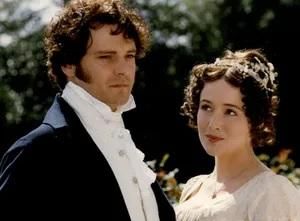
Colin Firth as Darcy and Jennifer Ehle as Elizabeth Bennet in the BBC TV miniseries Pride and Prejudice.
Christine Larson
When the heroine of Emily Henry’s “Beach Read” reveals to a brooding literary novelist named Gus that she writes romance, he responds with an arched eyebrow and a single, dismissive word: “Ah.”
Like most outsiders to the sprawling, high-spirited community of romance lovers, gloomy Gus embraces the judgy clichés about the genre that abound. “Predictable” and “slow-paced,” carps one internet critic. “Toxic and deeply problematic,” writes another. Even when the media promotes the category, there remains a whiff of condescension: Consider Cosmopolitan’s list of “non-cringy romance books.” And oh, the smut!
With the romance juggernaut going strong since the pandemic, you would think we readers would finally earn some respect. But even with some 63 million print and e-books sold last year (up from roughly 39 million in 2020), according to the research firm Circana; even with TV adaptations of the novel “Heated Rivalry” and the “Bridgerton” series burning up streaming services - still, the arched eyebrow persists.