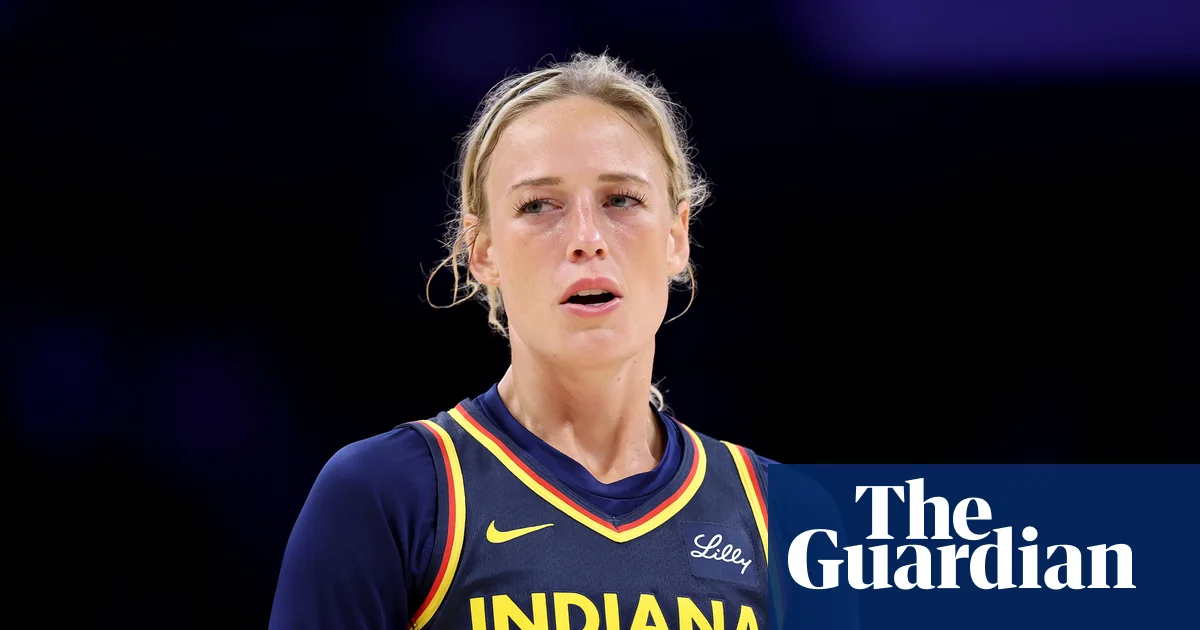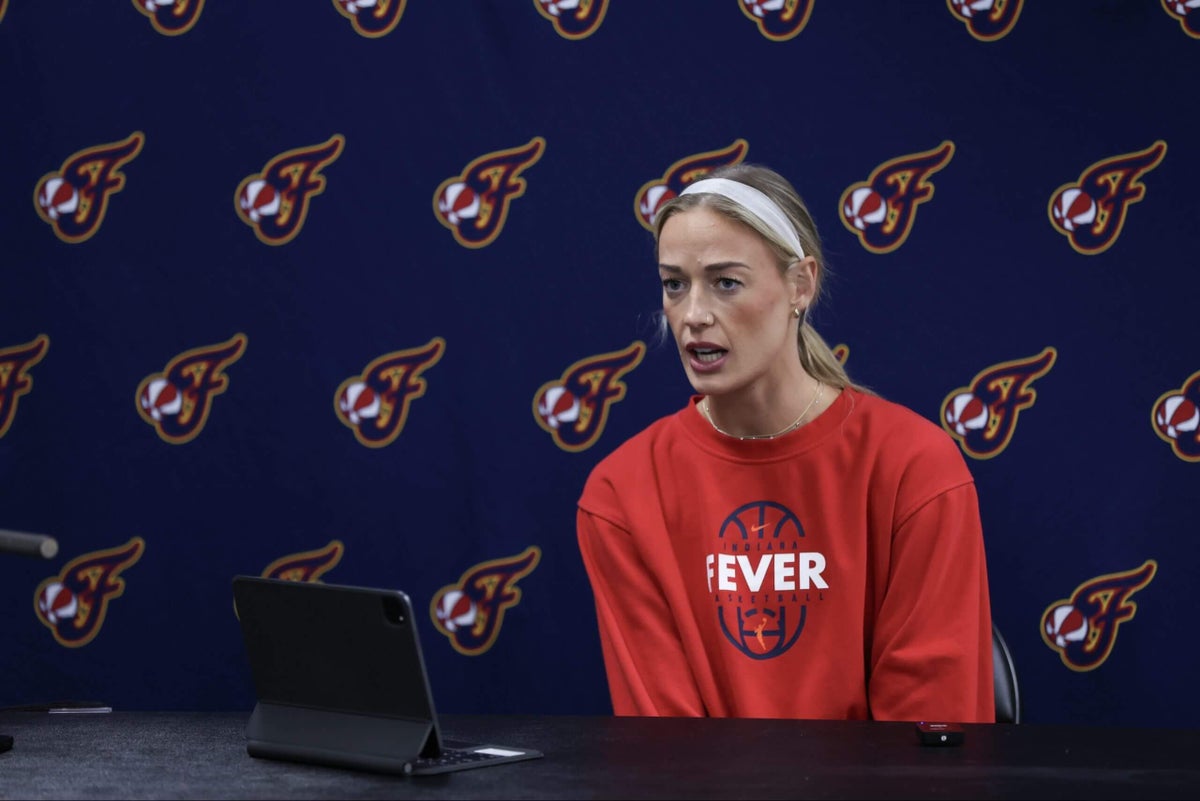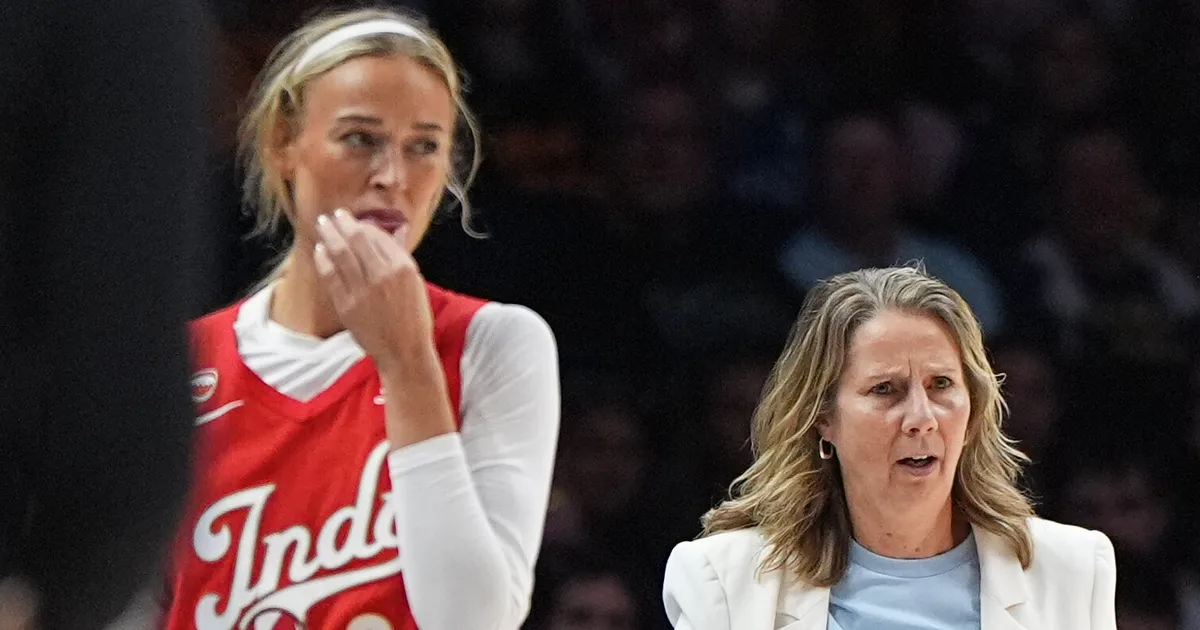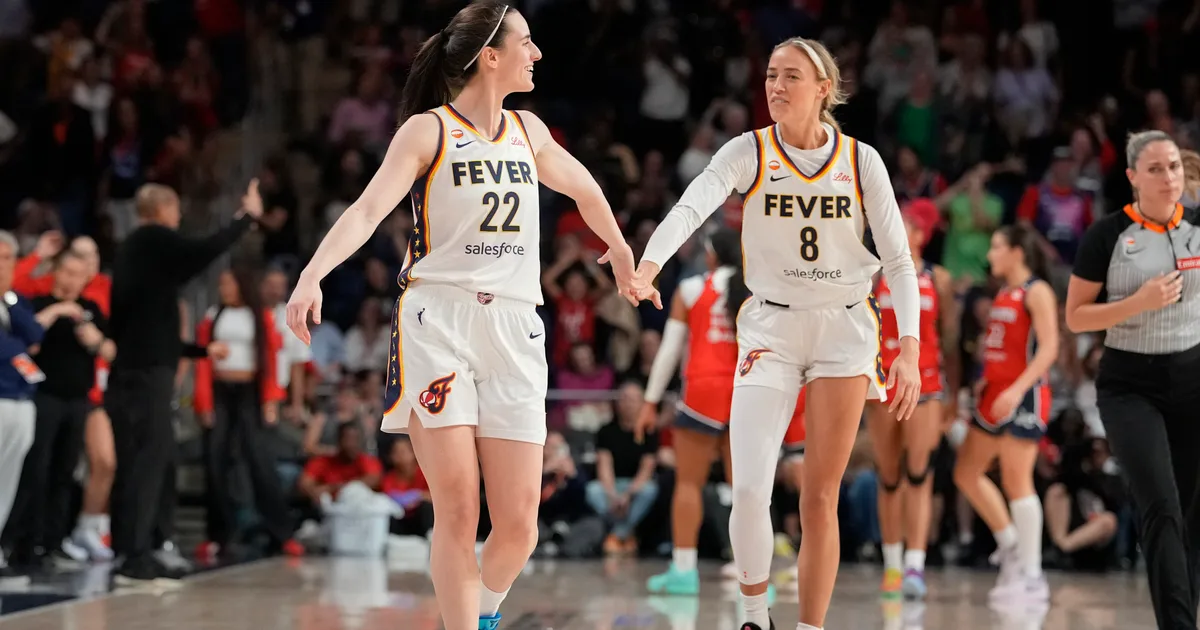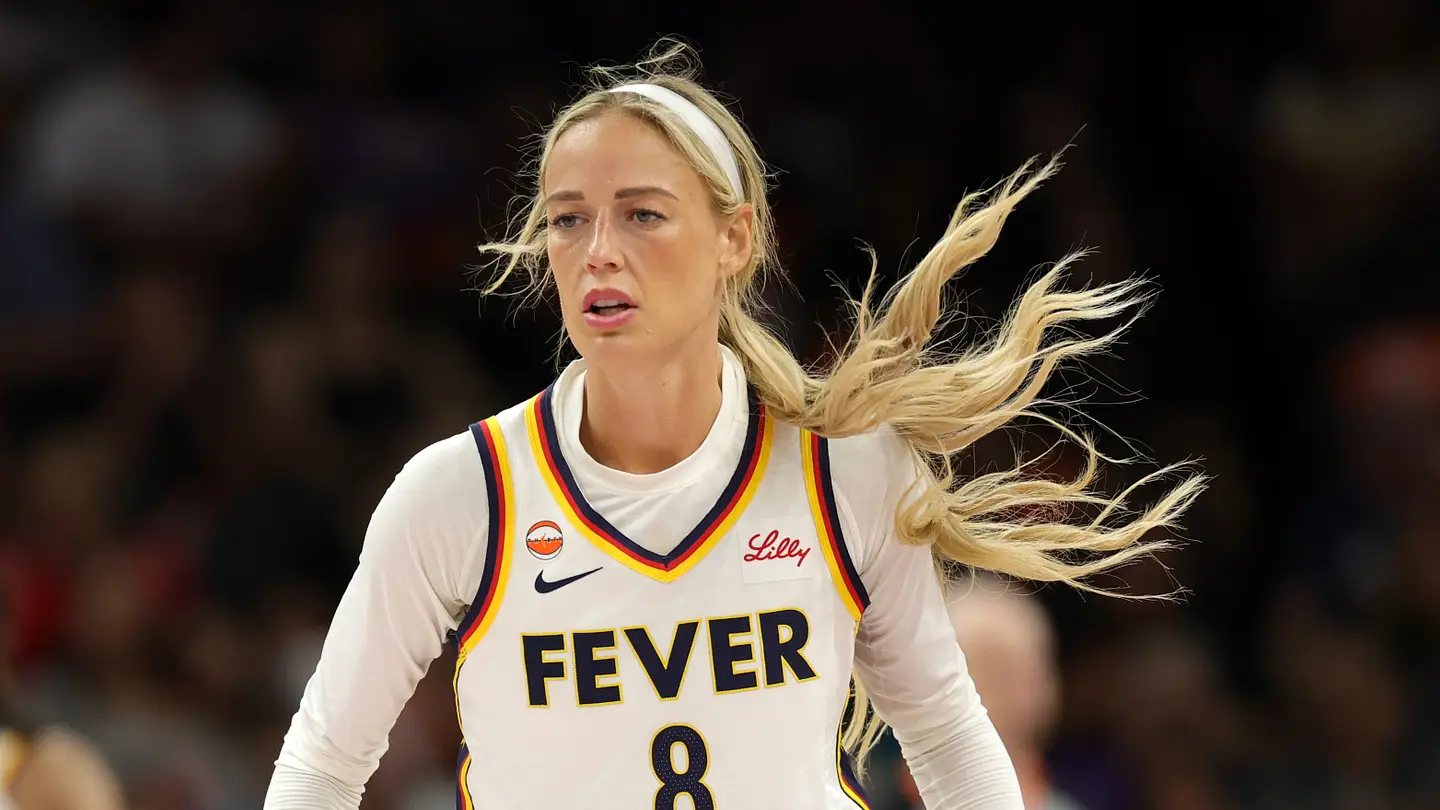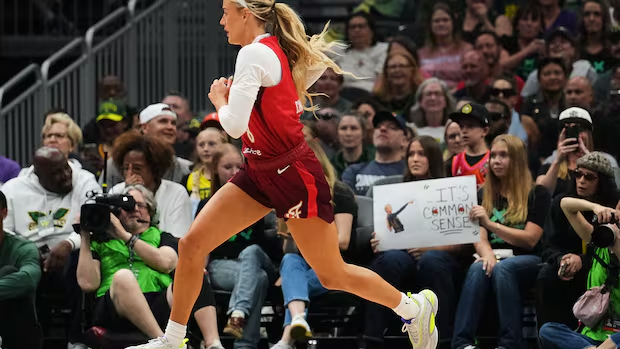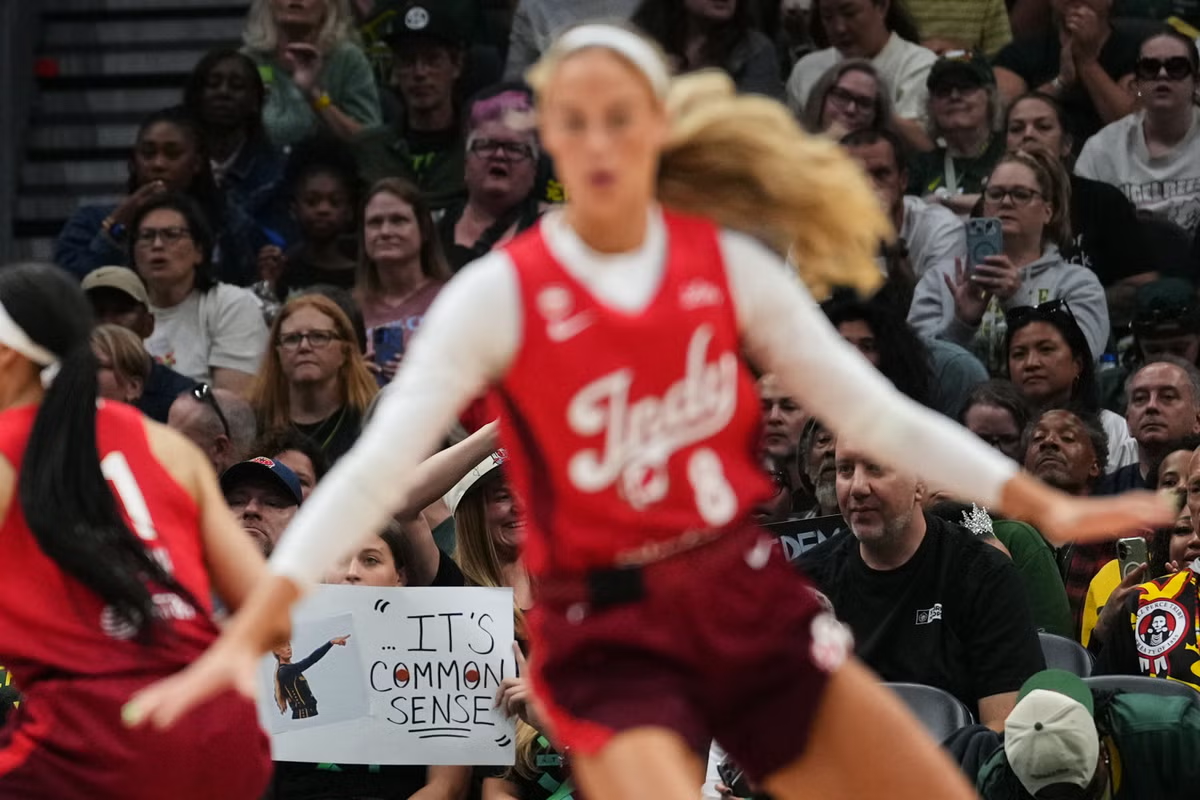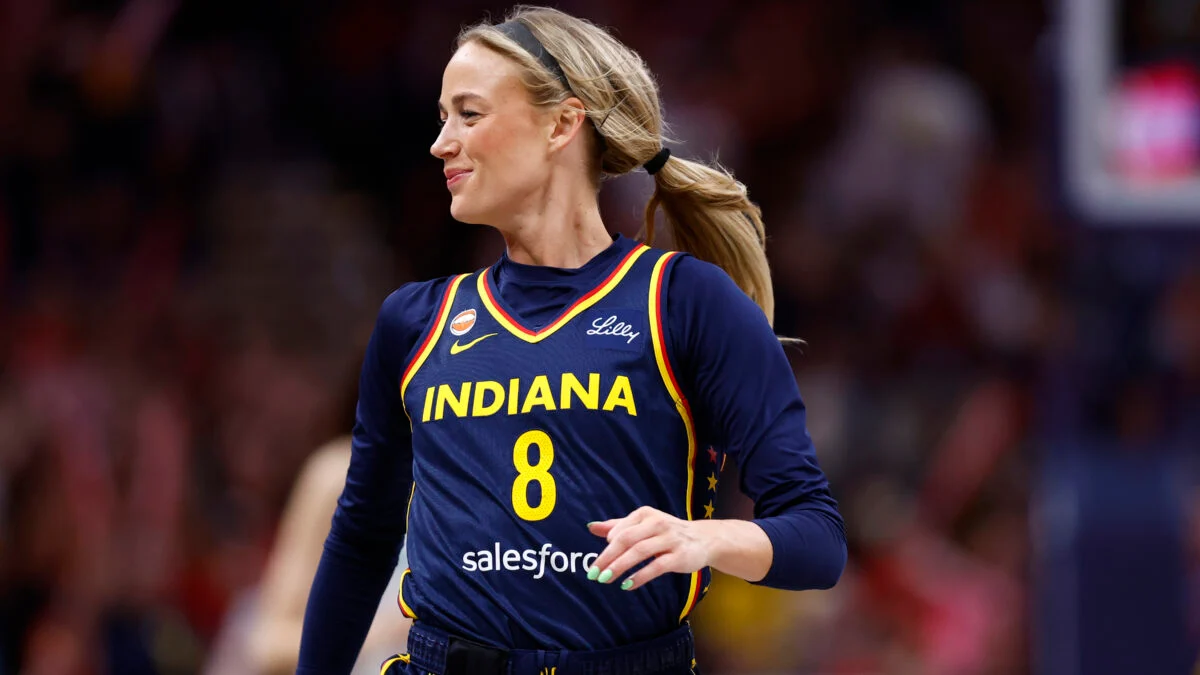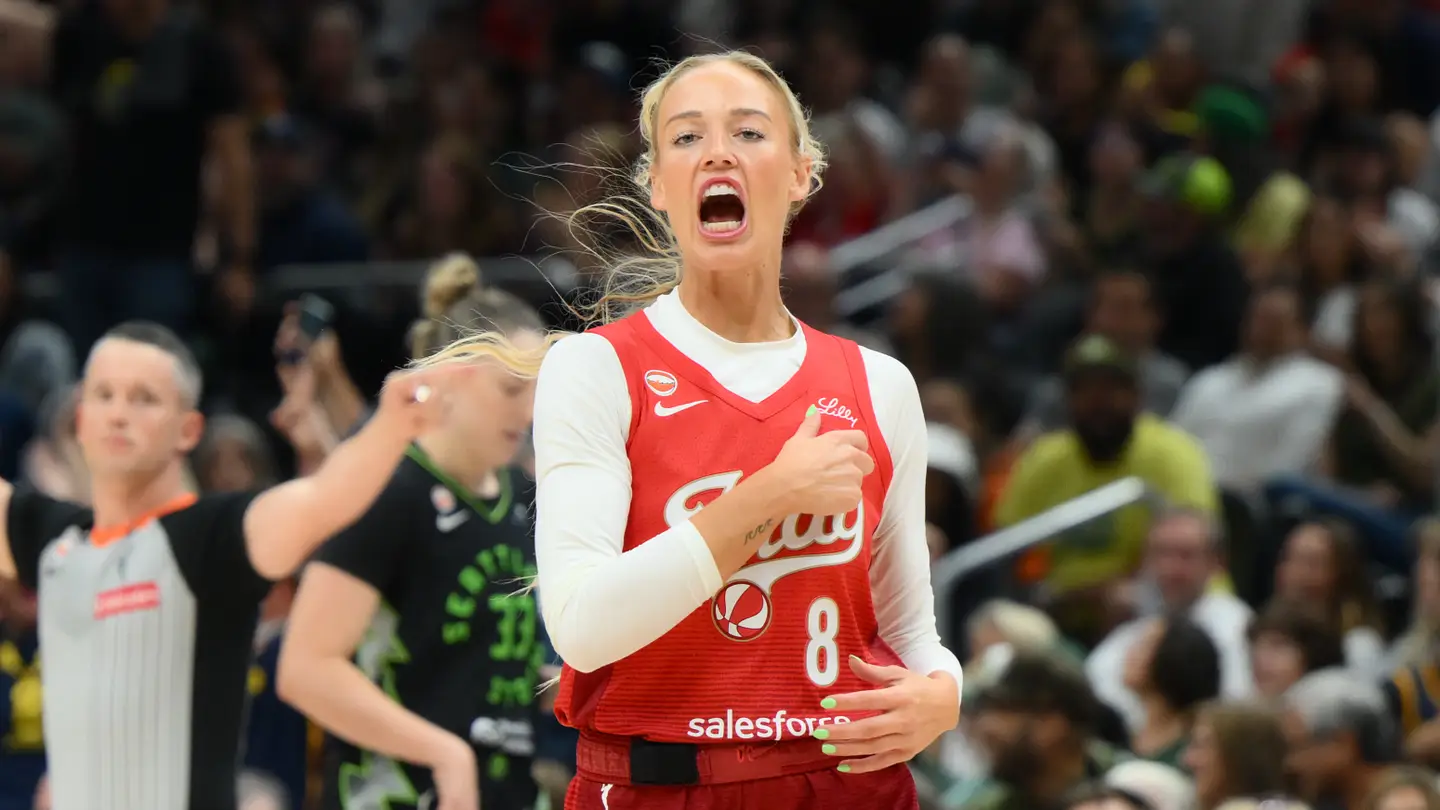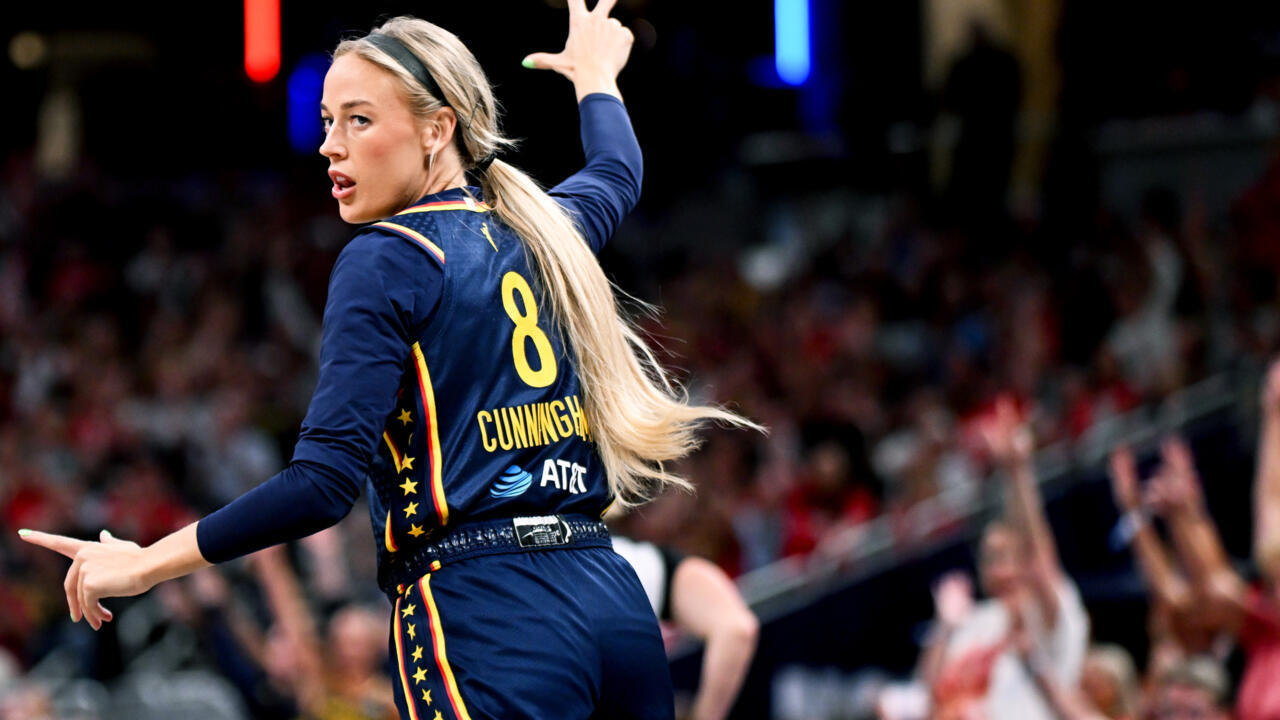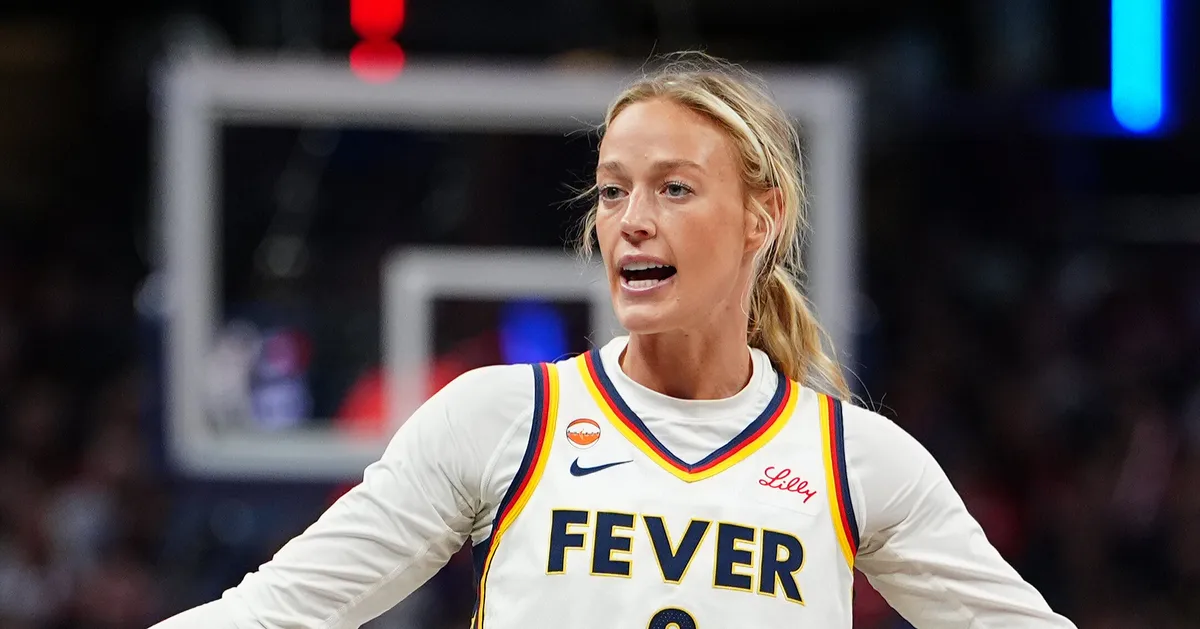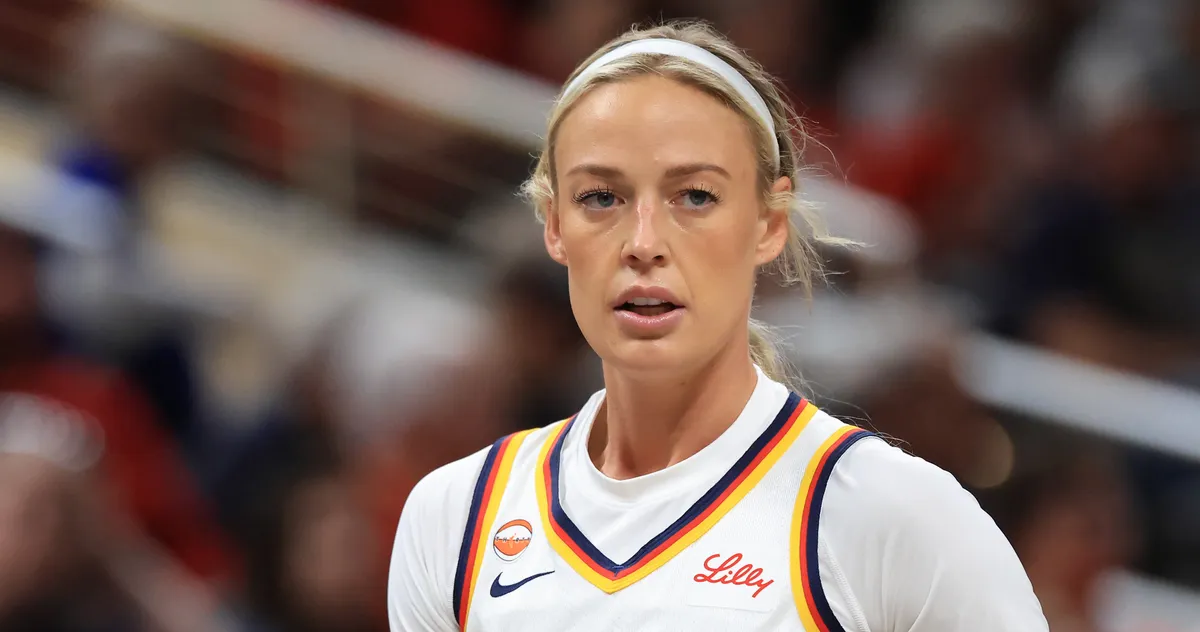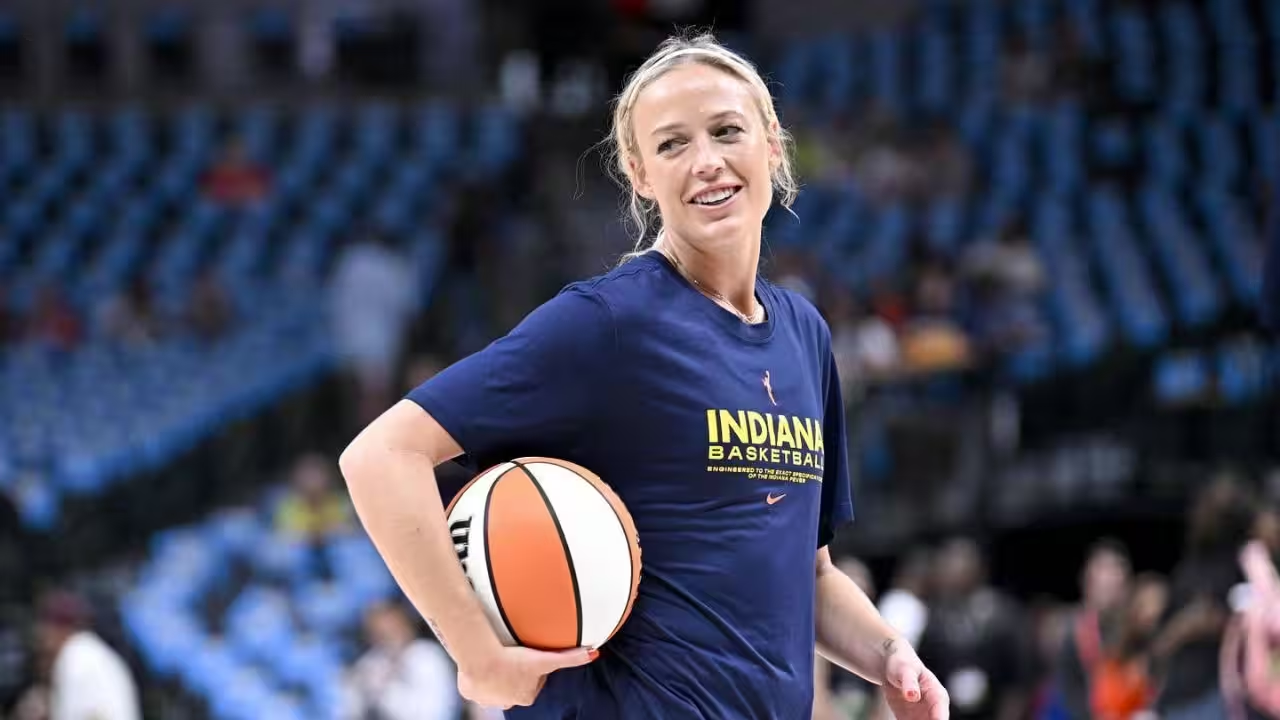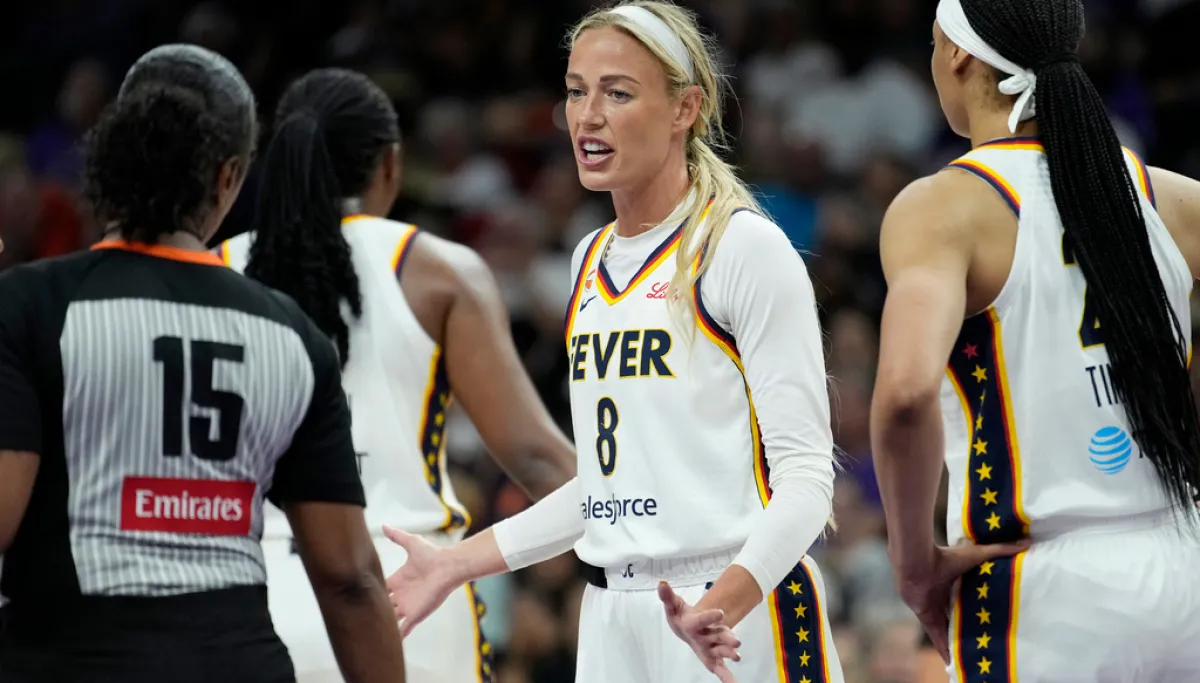
“I am not a role model,” Charles Barkley snarled in an iconic Nike commercial circa 1993. For NBA fans today, Barkley is the affable, plainspoken broadcaster with an infectious laugh, but early in his career, he was perceived as surly and controversial for his style of play and attitude.The commercial was his response to his critics and sparked a conversation about athletes and the responsibilities of those in the public eye that continues to this day. The commercial ended with Barkley glaring into the camera and reminding everyone, “Just because I dunk a basketball doesn’t mean I should raise your kids.”He was right about that, but those blessed with enough talent and work ethic to garner fame and fortune do not get to decide whether children look up to them as role models. Thirty-three years later, WNBA star Sophie Cunningham finds herself in a similar, Barkley-esque media frenzy.When Celeste Keaton, a co-owner of the WNBA franchise Seattle Storm, publicly berated young girls attending a game wearing shirts in support of women’s sports, Cunningham offered immediate support. The WNBA responded with a half-hearted, limp-wristed, five-game suspension for Keaton. Imagine the level of tone-deafness for a women’s sports league to barely discipline someone who attacked young girls for speaking up in favor of keeping women’s sports for actual women. If we needed proof of how far we’ve come and yet how far we have to go as a culture, look no further than the WNBA.This circus of irony began when, in an ESPN interview, the Indiana Fever shooting guard — and Caitlin Clark on-court bodyguard — commented that she is uniquely qualified to speak on the need to protect women’s sports. “I think that I am here to extend love,” she told ESPN. “But I also think with that love is truth, being honest. And I want to protect young girls in a locker room, or young girls in sport who shouldn’t have to go against biological men.”
Sophie Cunningham is a role model — and not just for women
Cunningham is the latest athlete to take a stand against the presence of biological men competing in women's sports.
832 words~4 min read