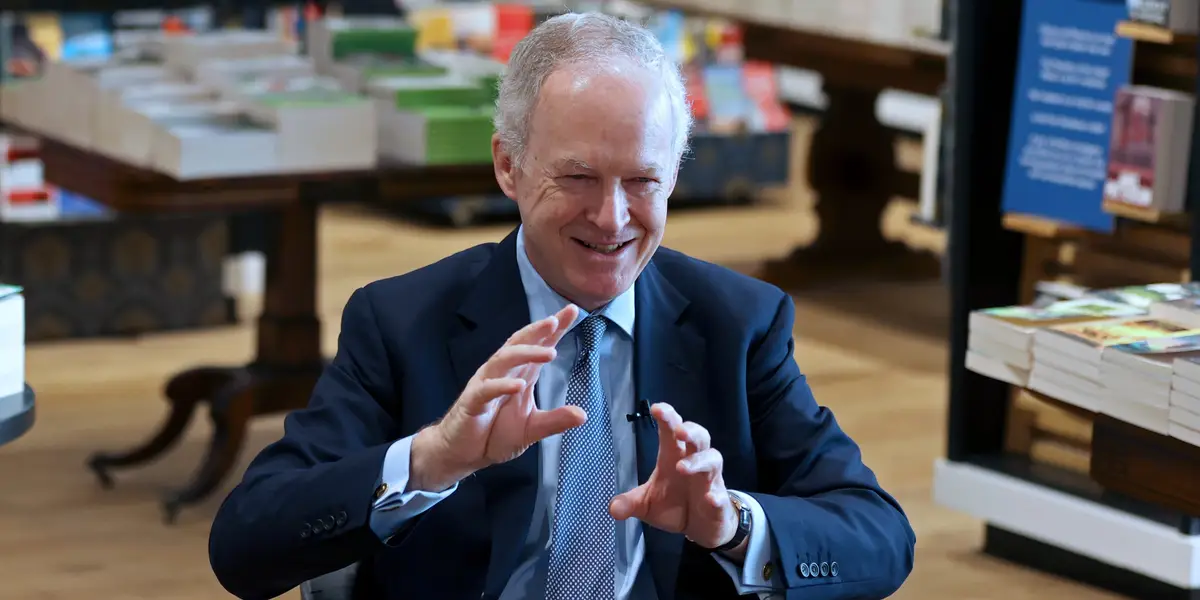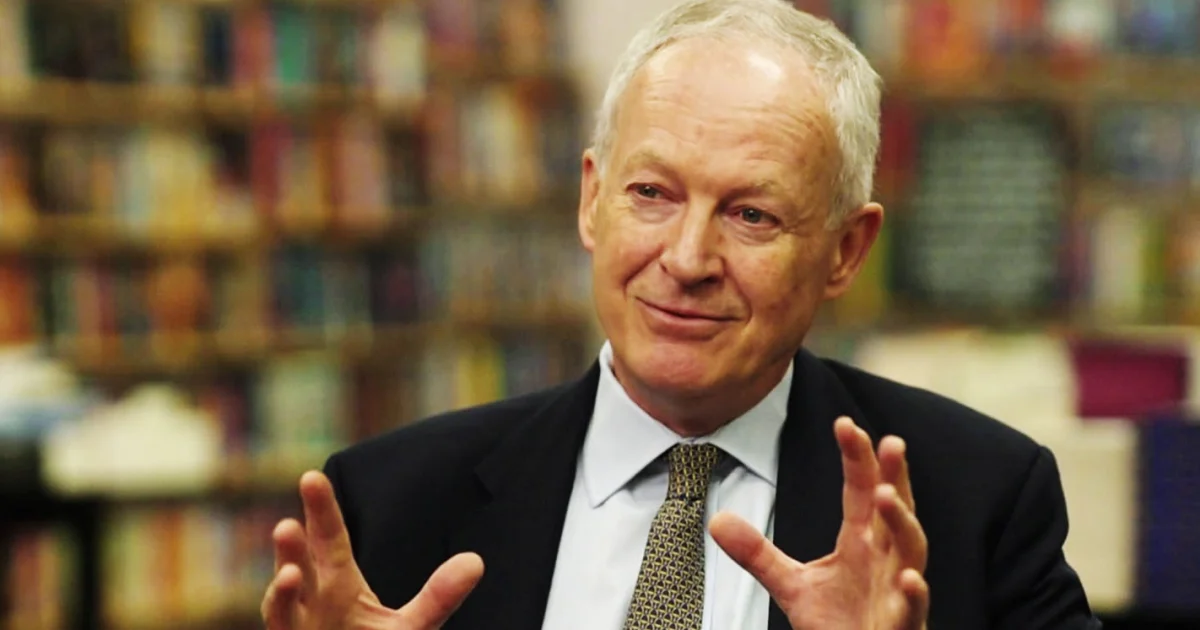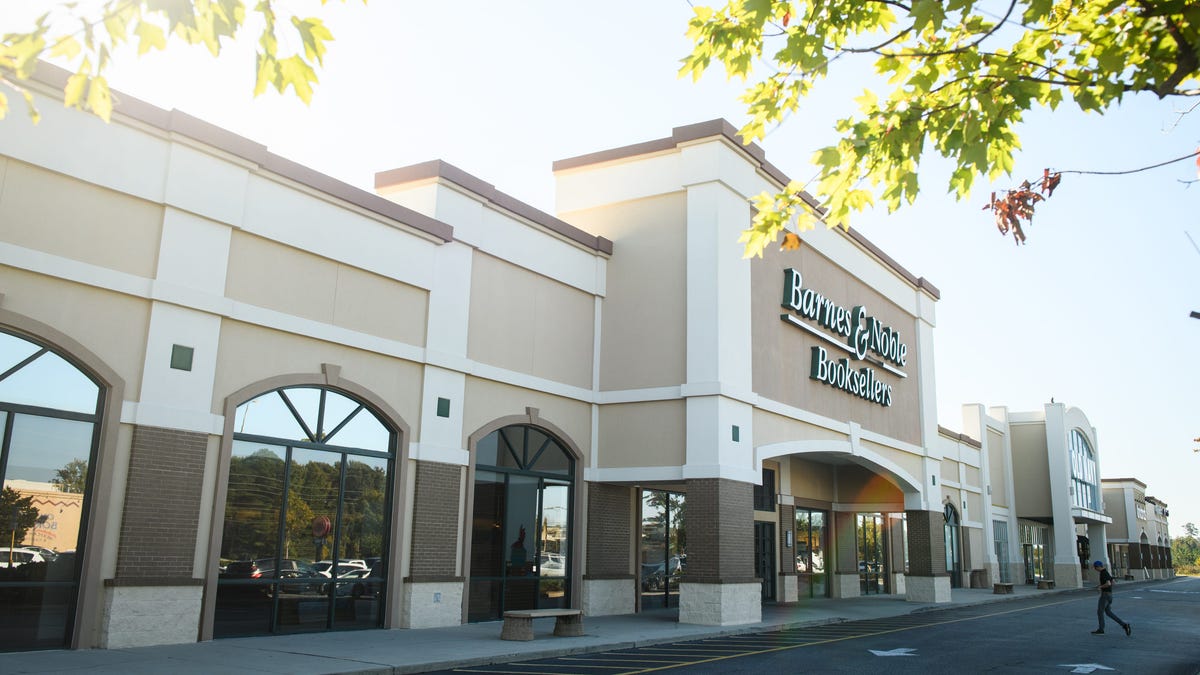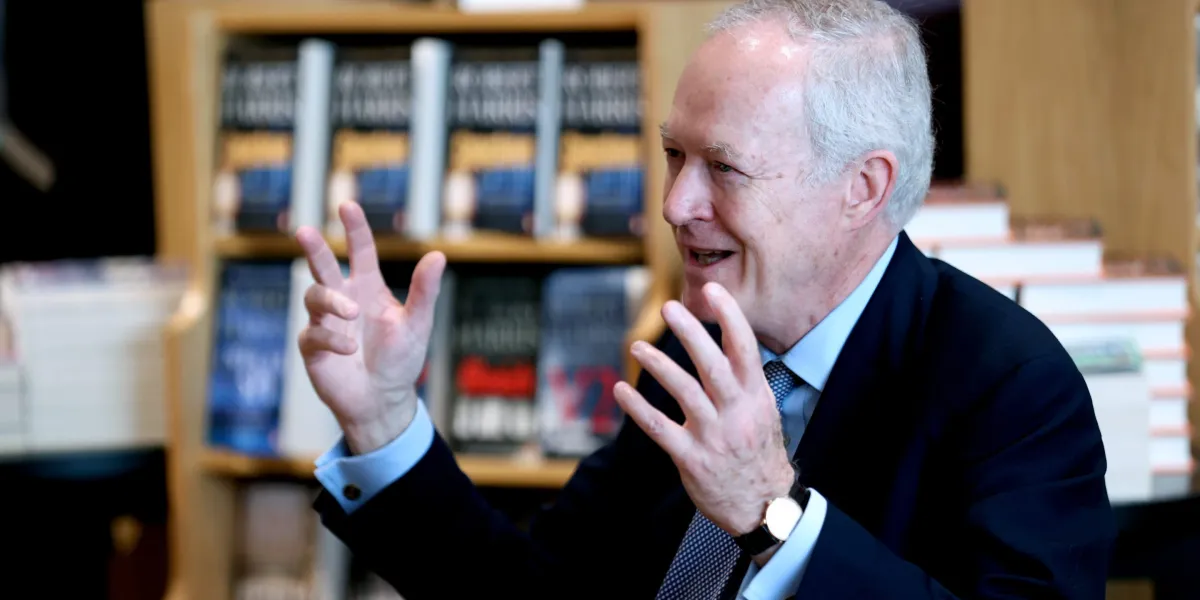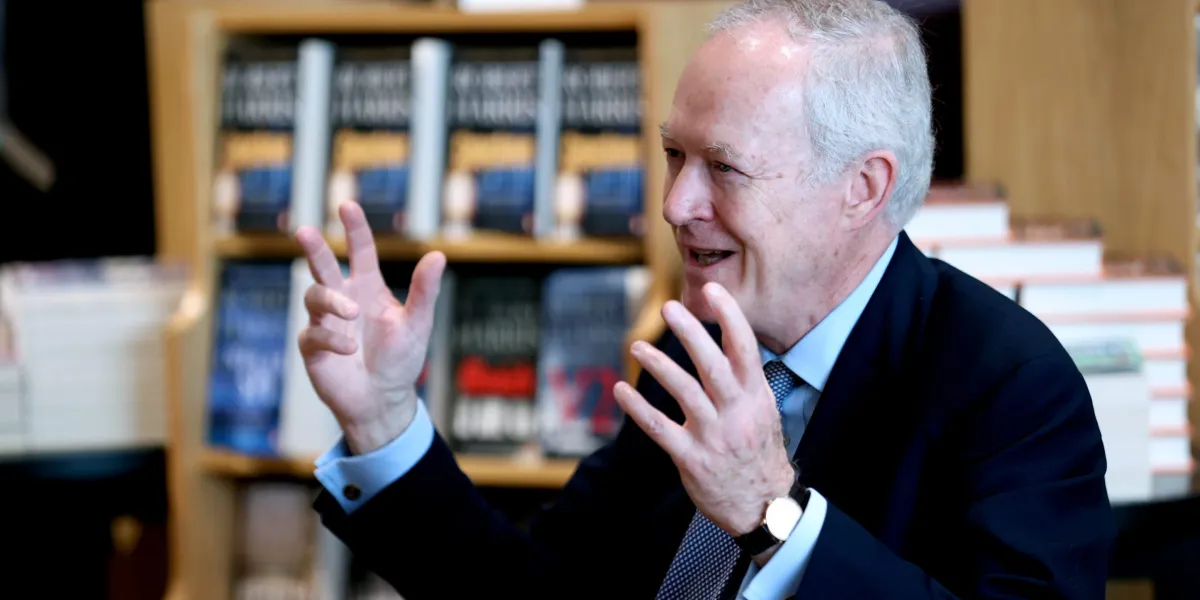
Good morning. Phil Wahba writing from New York this morning. Remember when Barnes & Noble seemed to be circling the drain a few years ago? Now, the big-box bookstore is on track to open 60 stores this year and have more total locations than in 2019, the year CEO James Daunt took the reins to execute a retail comeback for the ages.
The return to form is all the more stunning given that book sales overall are barely rising, and Amazon, which nearly felled Barnes & Noble in the 2010s, is still a threat. But the more useful story for any leader isn’t that a bookstore survived—it’s how. Daunt bet the comeback on a single idea most large organizations resist: stripping power away from headquarters and handing it to the frontline employees. For CEOs weighing how much control to centralize, Barnes & Noble is a live case study in what happens when you trust the people closest to the customer to make the call.
For Daunt, a Brit who also runs an eponymous indie bookstore chain in the U.K., the plan was relatively simple: He began to make Barnes & Noble stores look, feel, and function like neighborhood bookstores beloved by locals.
To pull that off, Daunt abandoned an old business model whereby publishers gave Barnes & Noble a discount for carrying the same books at all its stores and positioning them in the same place for the same amount of time. “It created these really dispiriting, anodyne stores because they were all the same, selling the same old books, the same authors, the same bestsellers,” Daunt told me in a new episode of Fortune’s Behind the Business series. “We just said, ‘No more of that.’ We’re going to choose what we sell.”