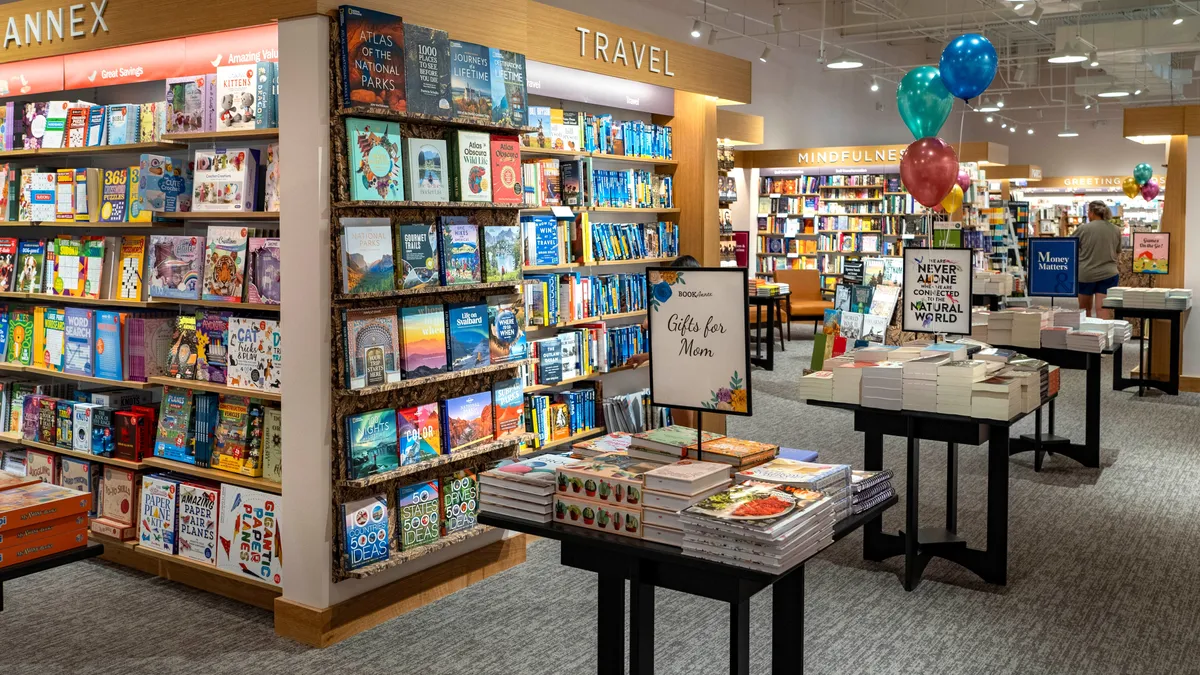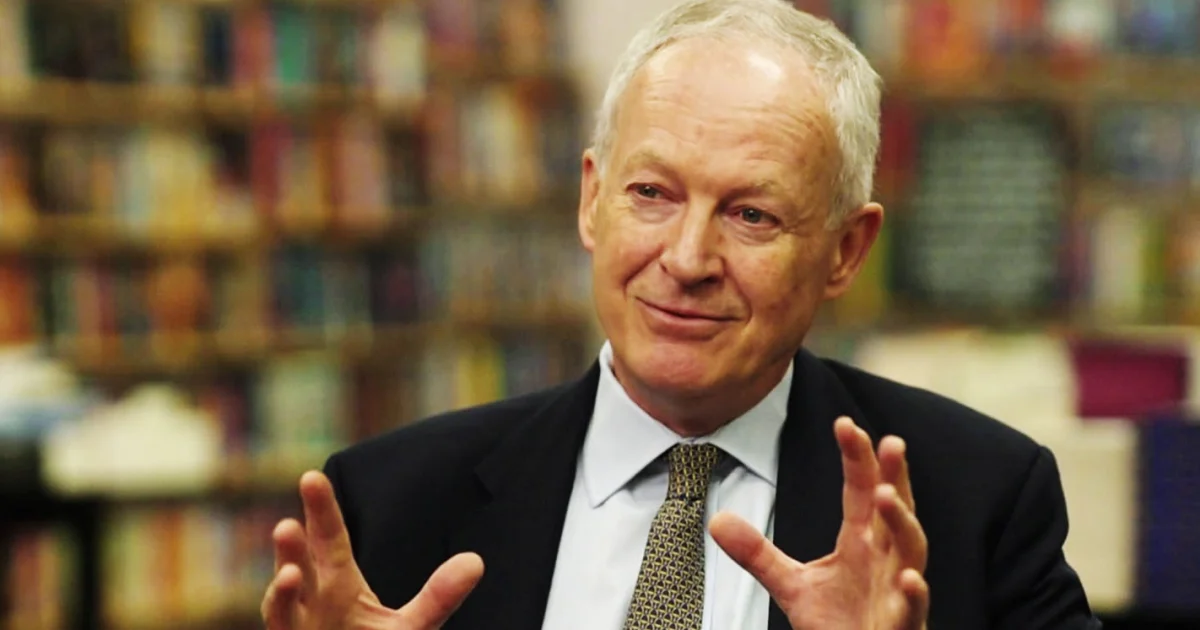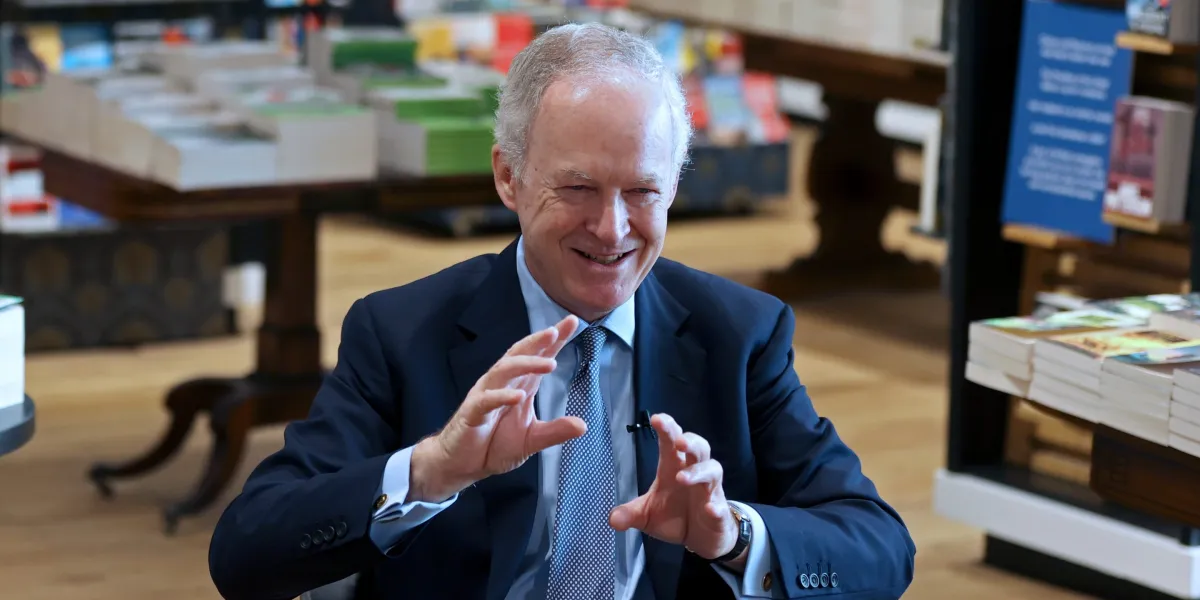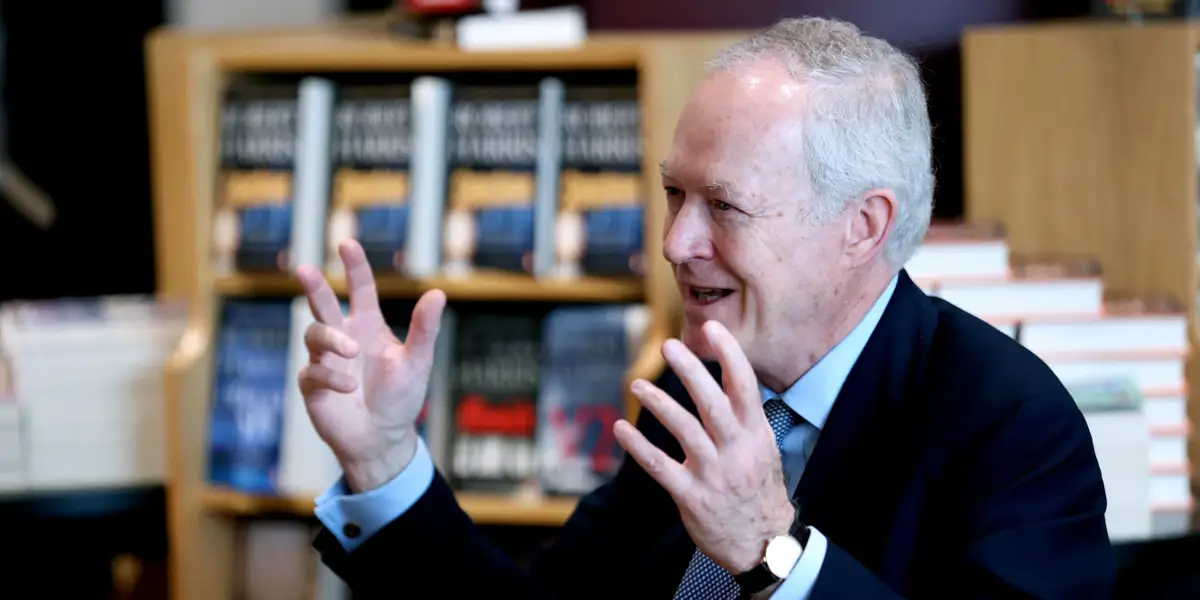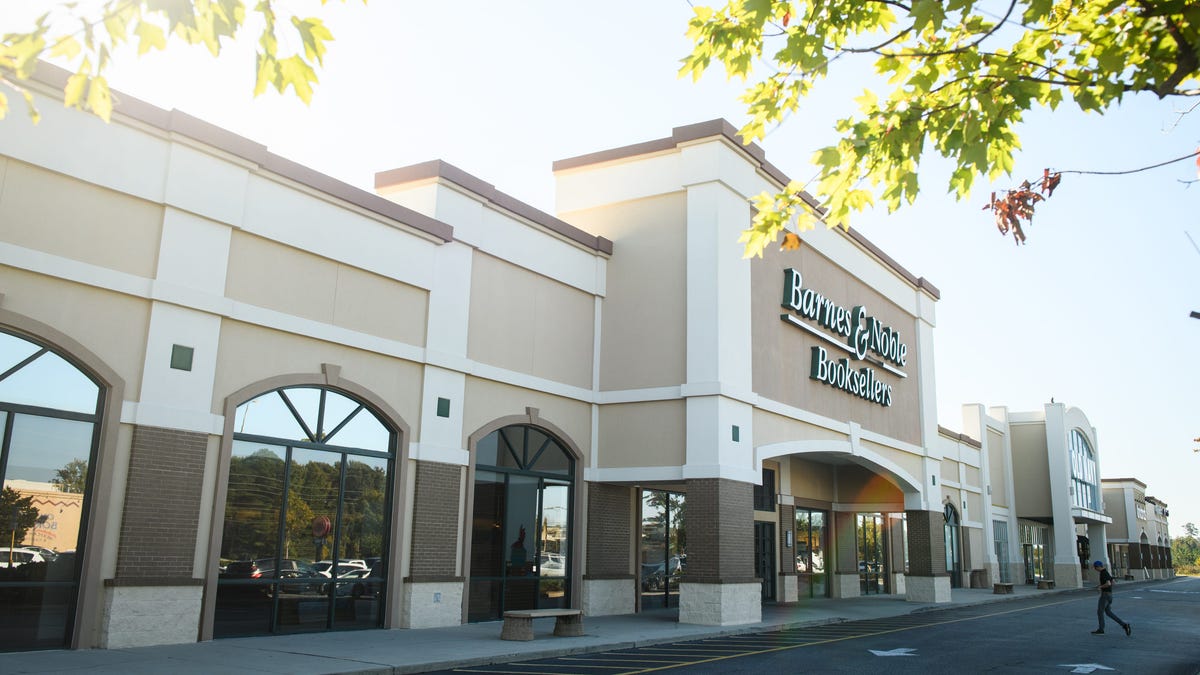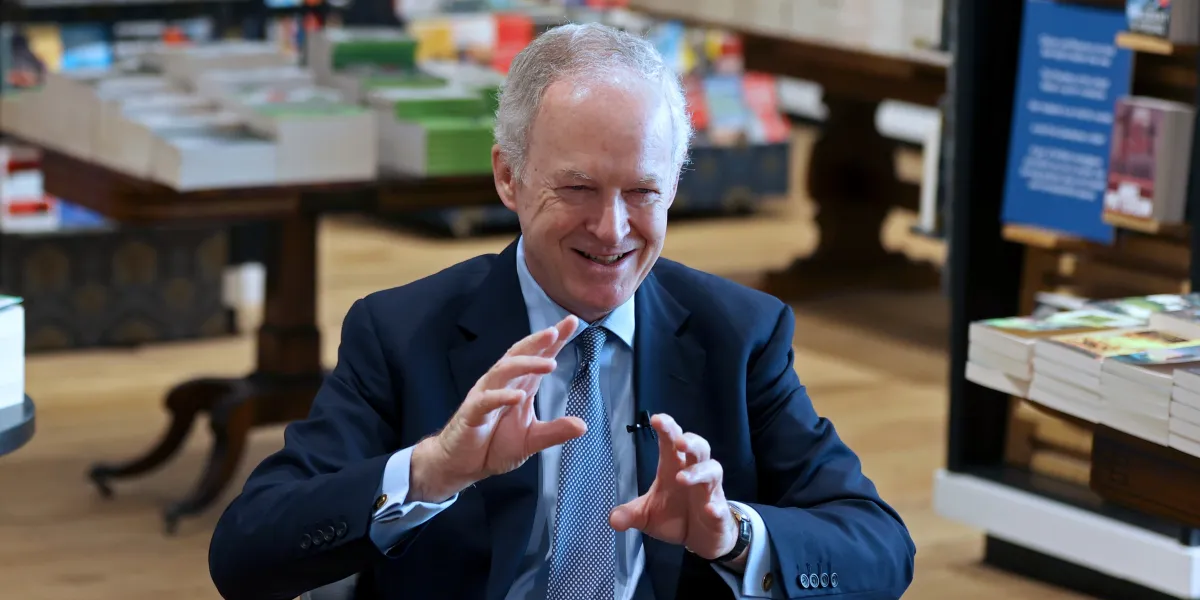
When James Daunt was named CEO of Barnes & Noble in 2019, he quickly began making the big-box store more like local indie bookstores.
Barnes & Noble had just been taken private by Elliott Advisors for $683 million after sales declines driven by formulaic stores that had lost their charm. The hedge fund installed Daunt, a Brit, as CEO based on his track record reviving Elliott-owned Waterstones, a large British bookseller, and his experience as owner of the beloved ten-store Daunt Books in London.
His plan to turn around Barnes & Noble hinged on infusing the retailer’s more than 700 stores with some of the aura of his namesake chain, whose locations are treated as hallowed ground by many book lovers for their browsing‑friendly displays and oak‑paneled galleries.
“There are universal factors that make a great bookstore, and it doesn’t matter whether it’s a huge chain store or a small independent,” Daunt told Fortune in a new episode of the “Behind the Business” series.
Core to any great bookstore is a welcoming environment for readers with appealing displays, an interesting—even quirky—array of books, and enthusiastic, knowledgeable workers who are eager to talk titles with customers. Early on, Daunt flagged that Barnes & Noble—like Waterstones before it—suffered from uniformity that bored customers. In his view, stores needed far more independence to decide what inventory to carry and how to display it.