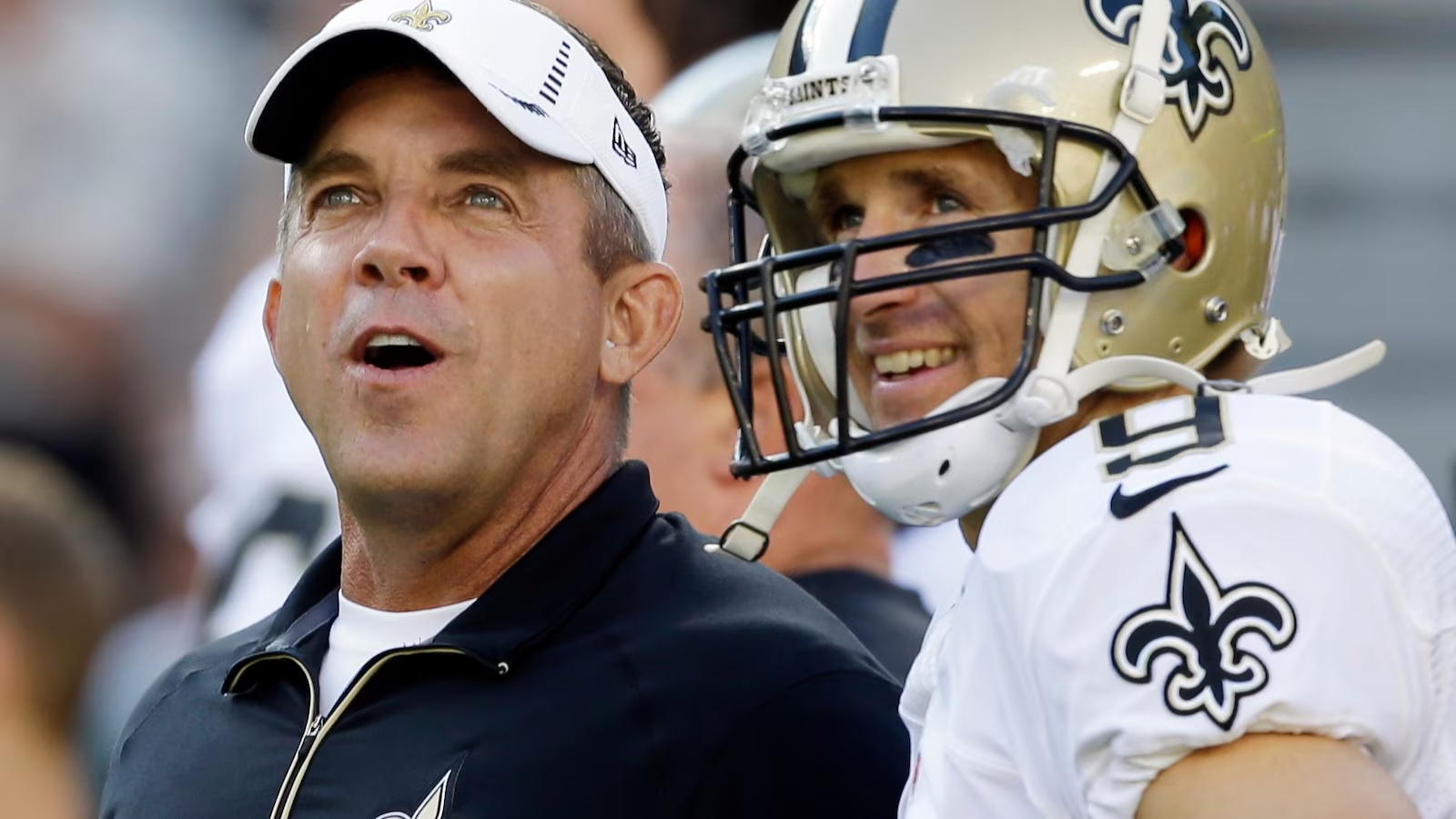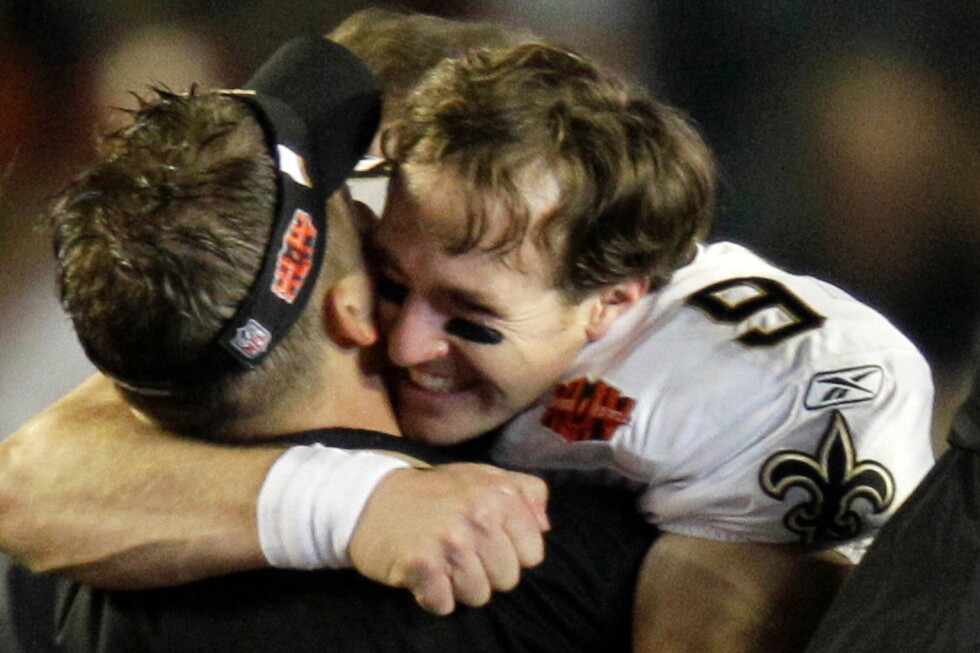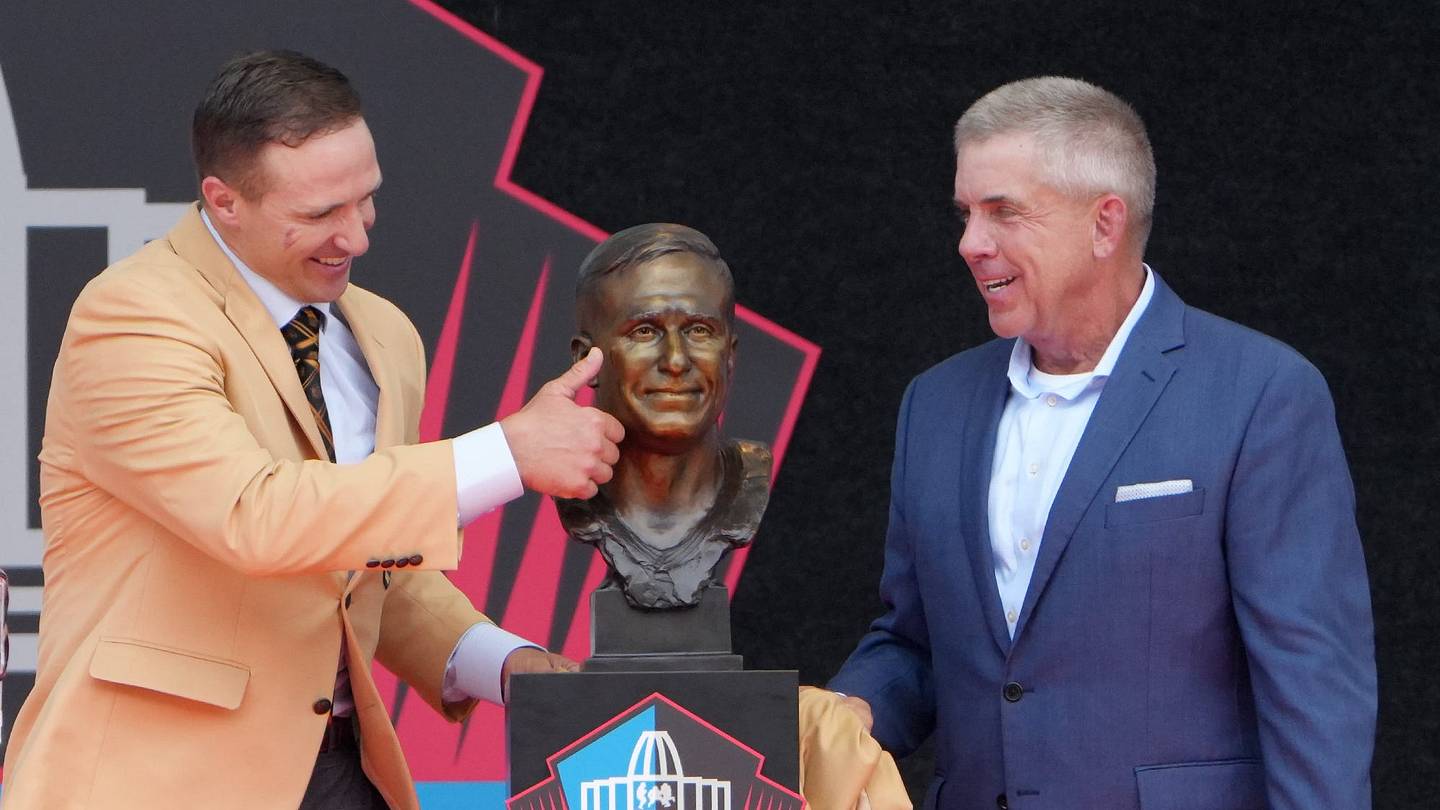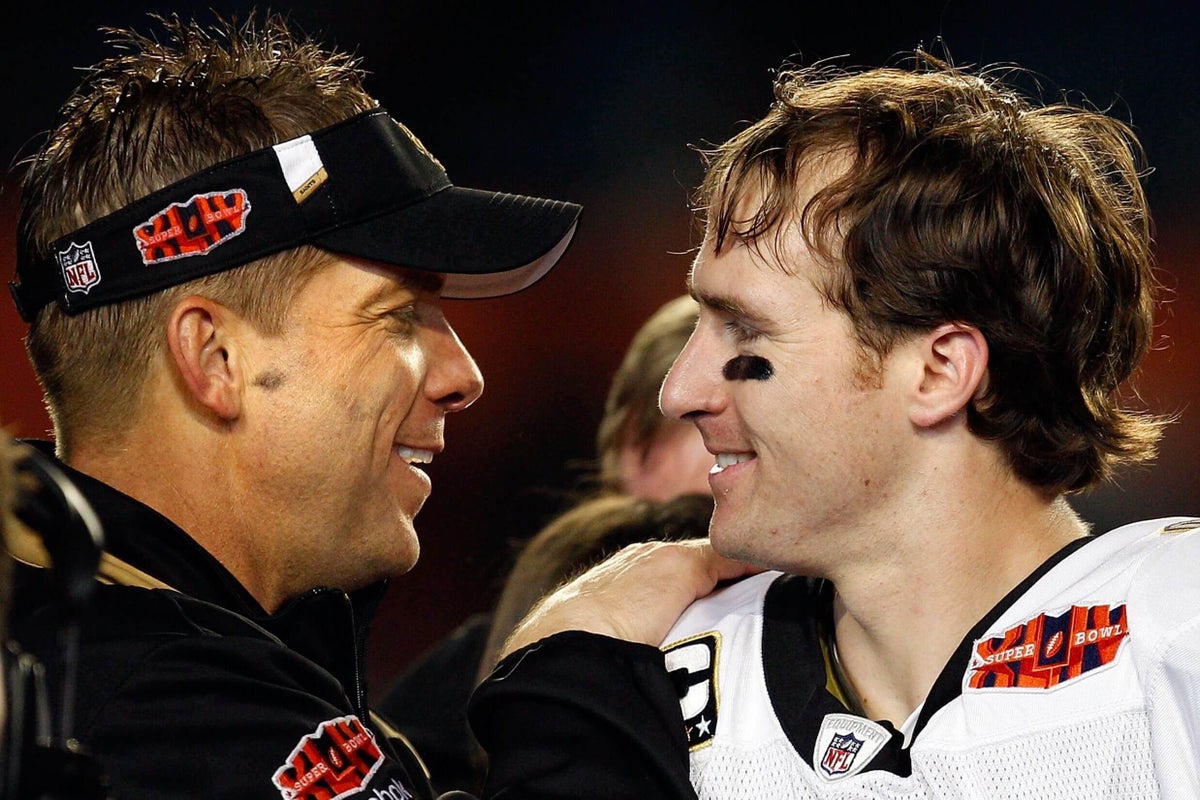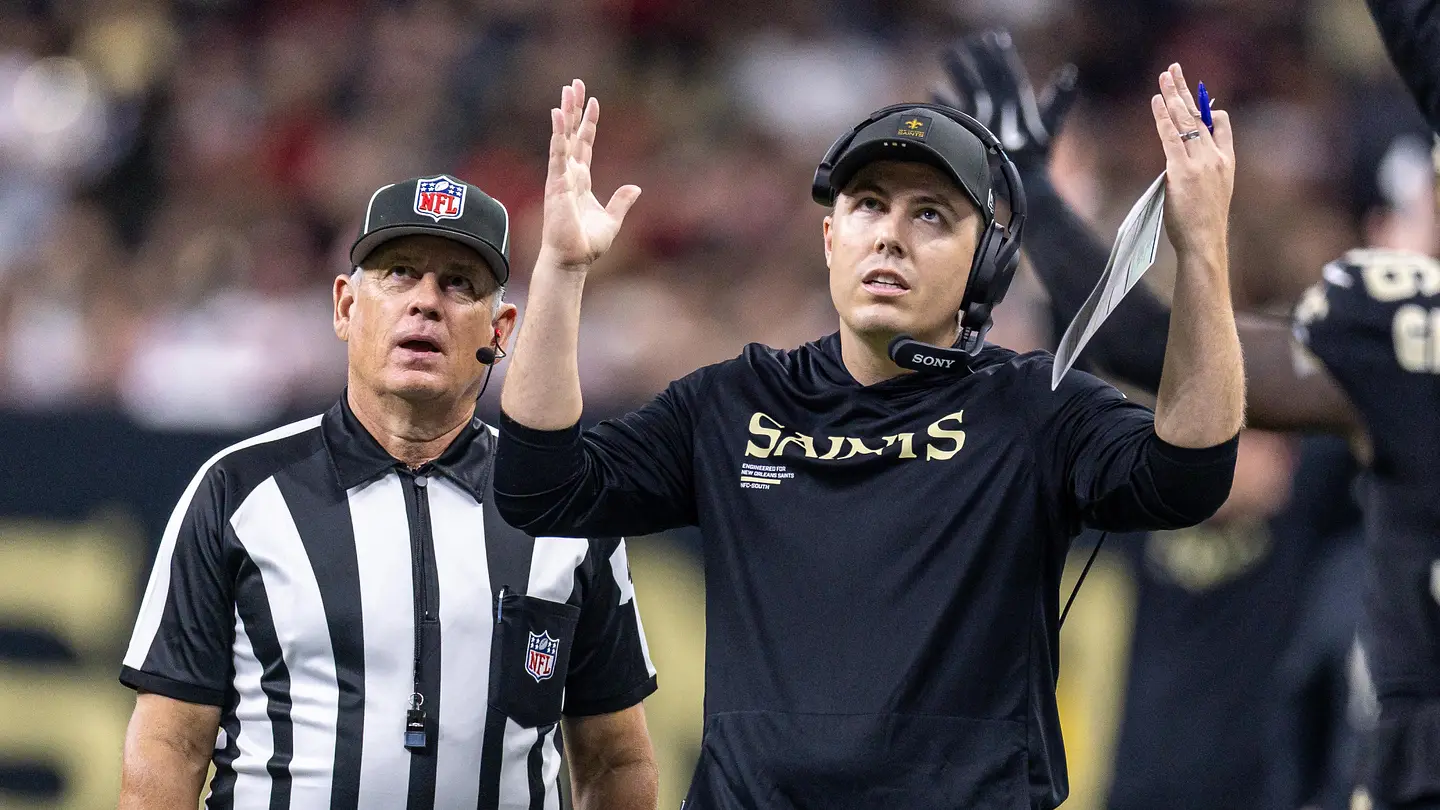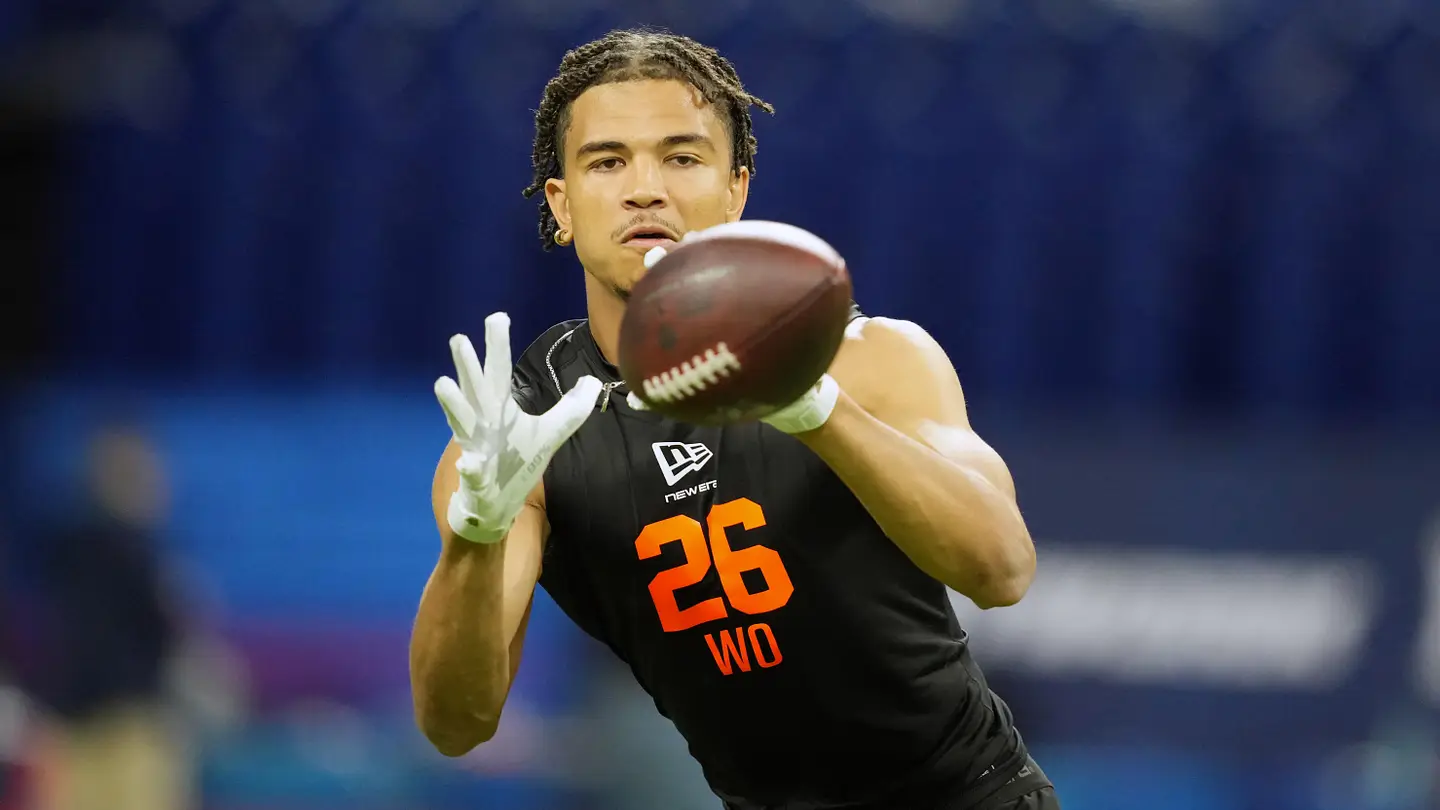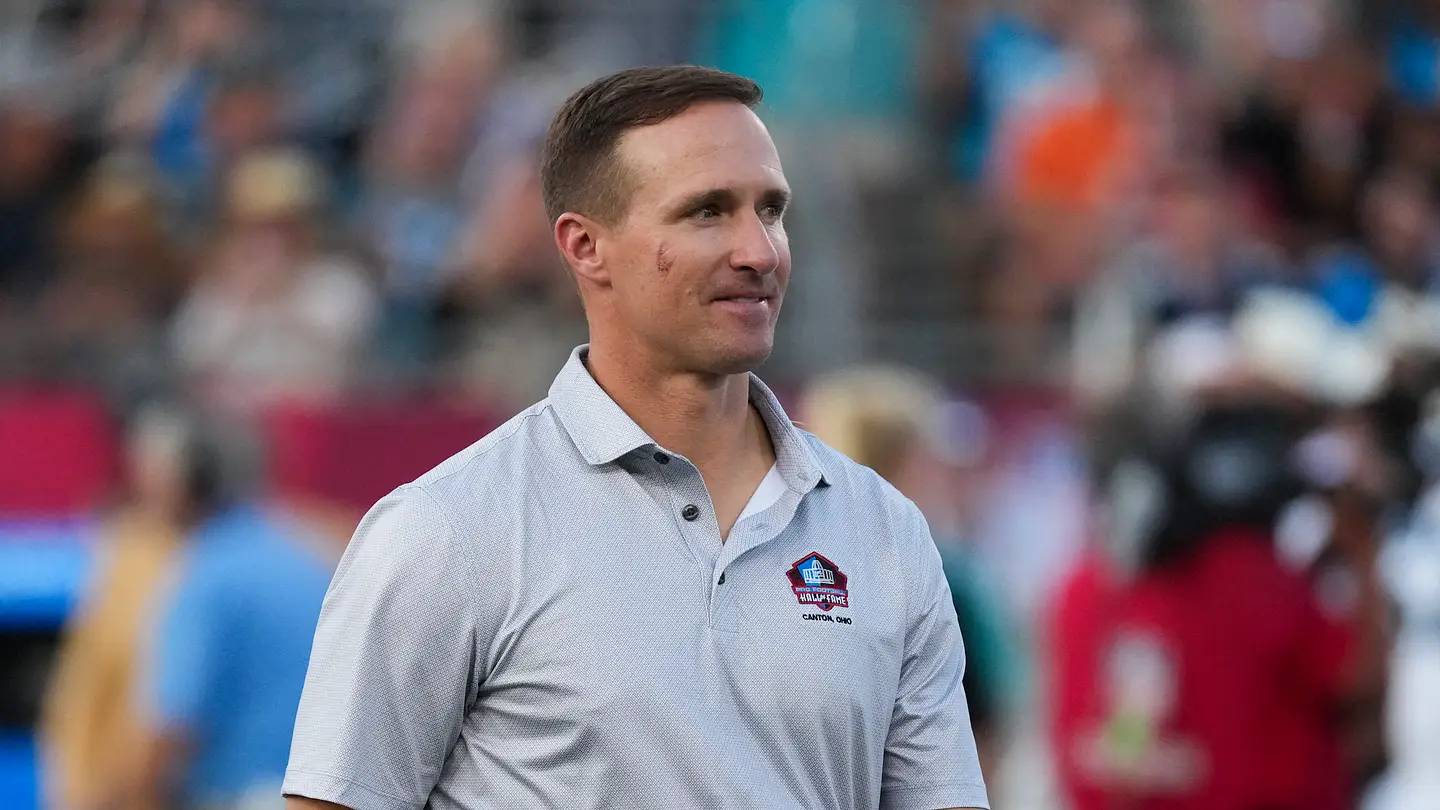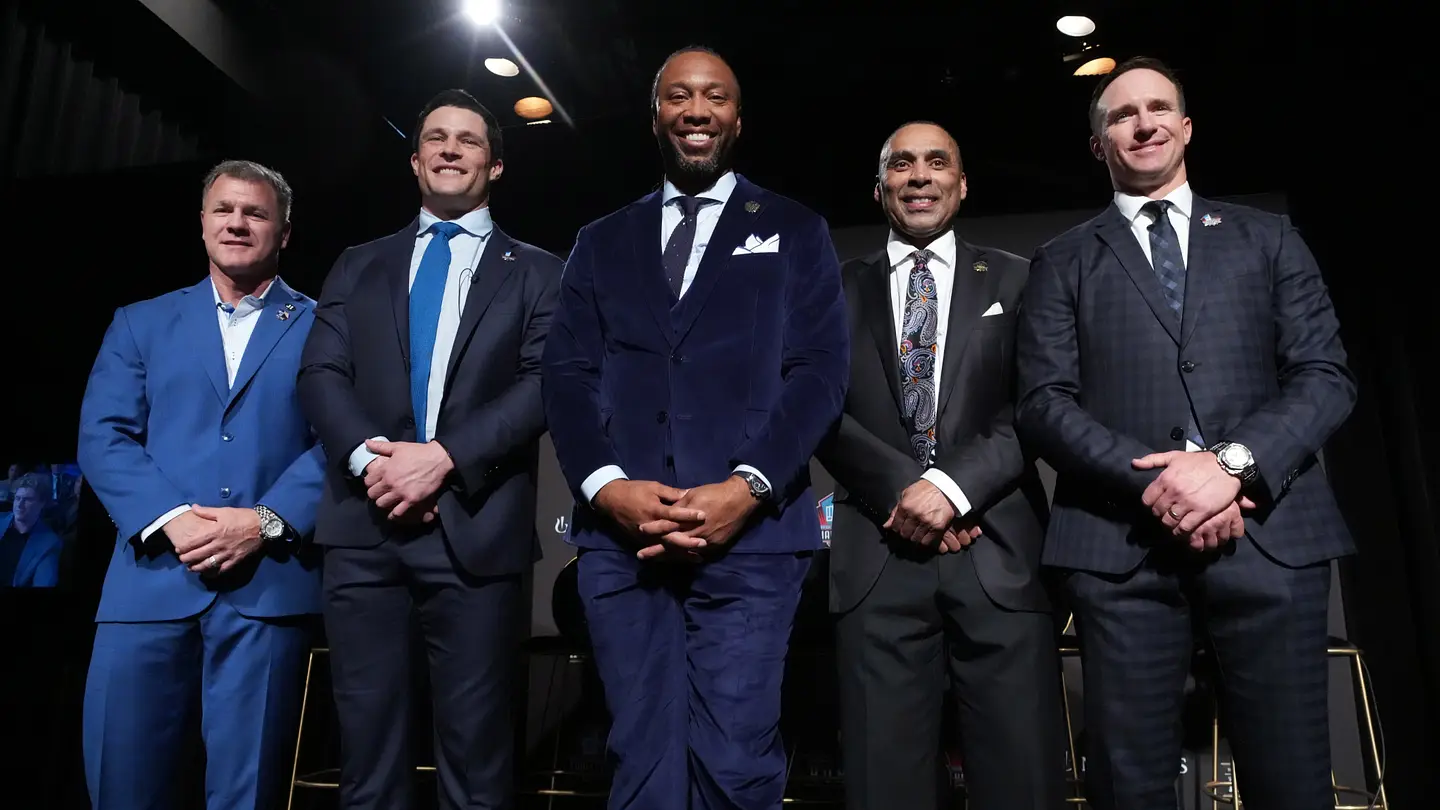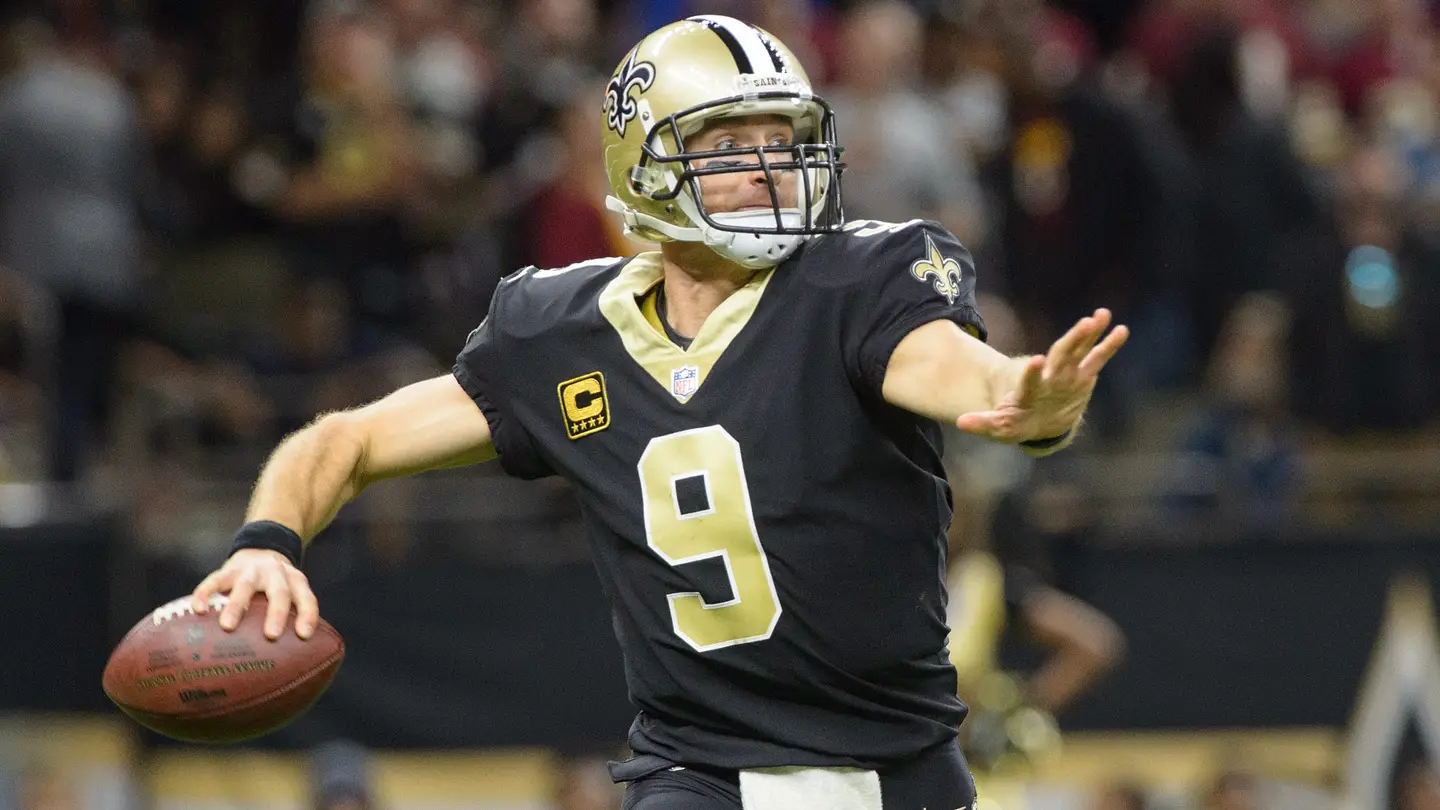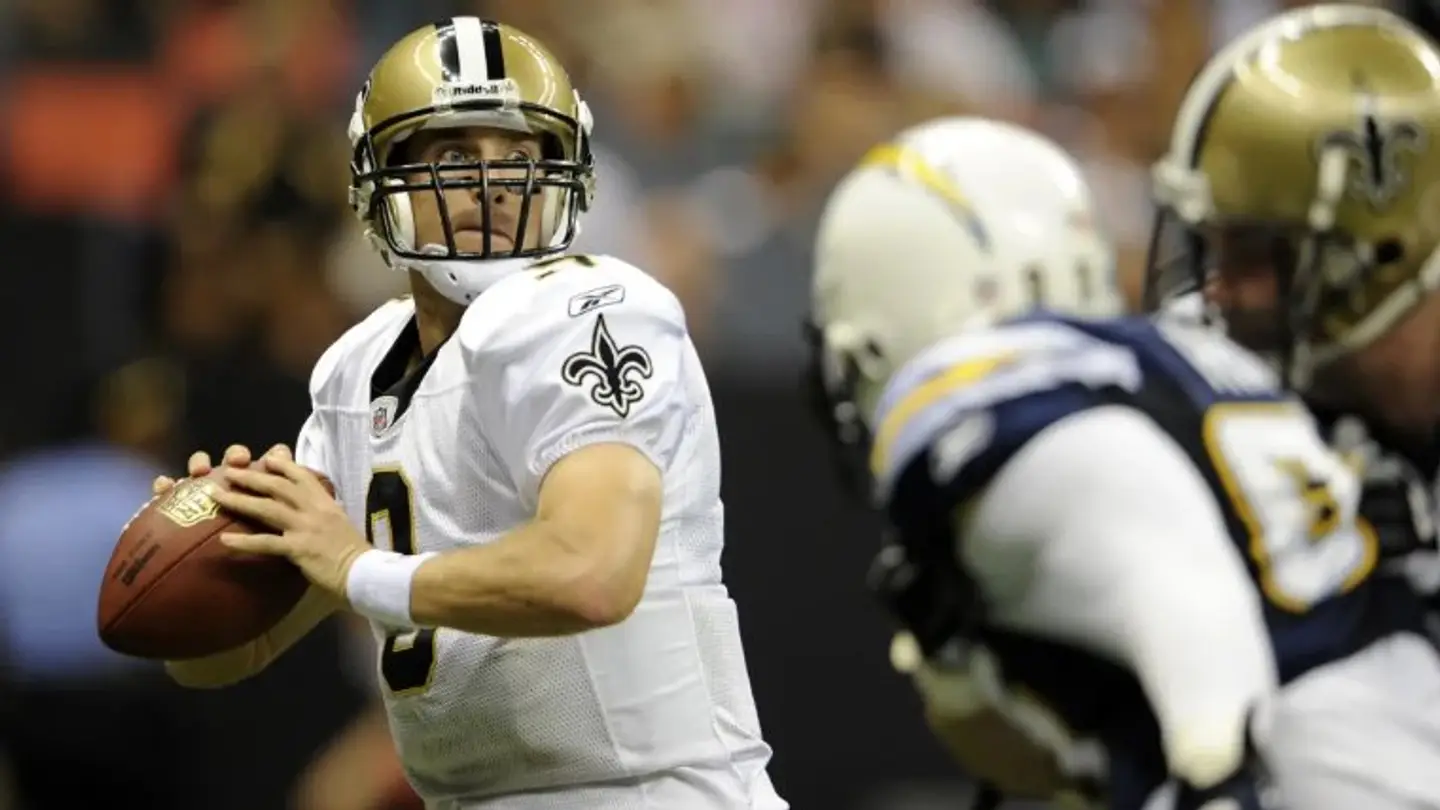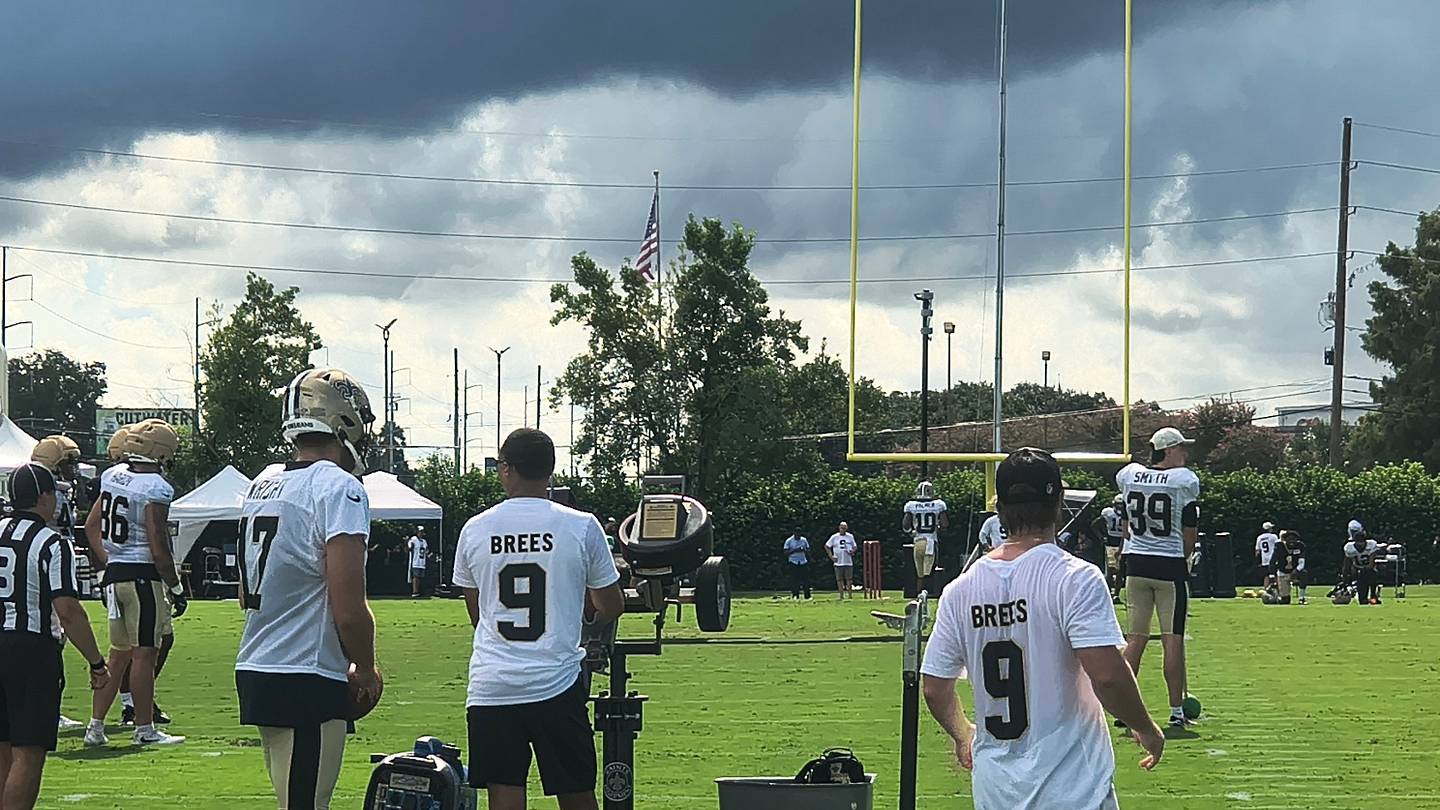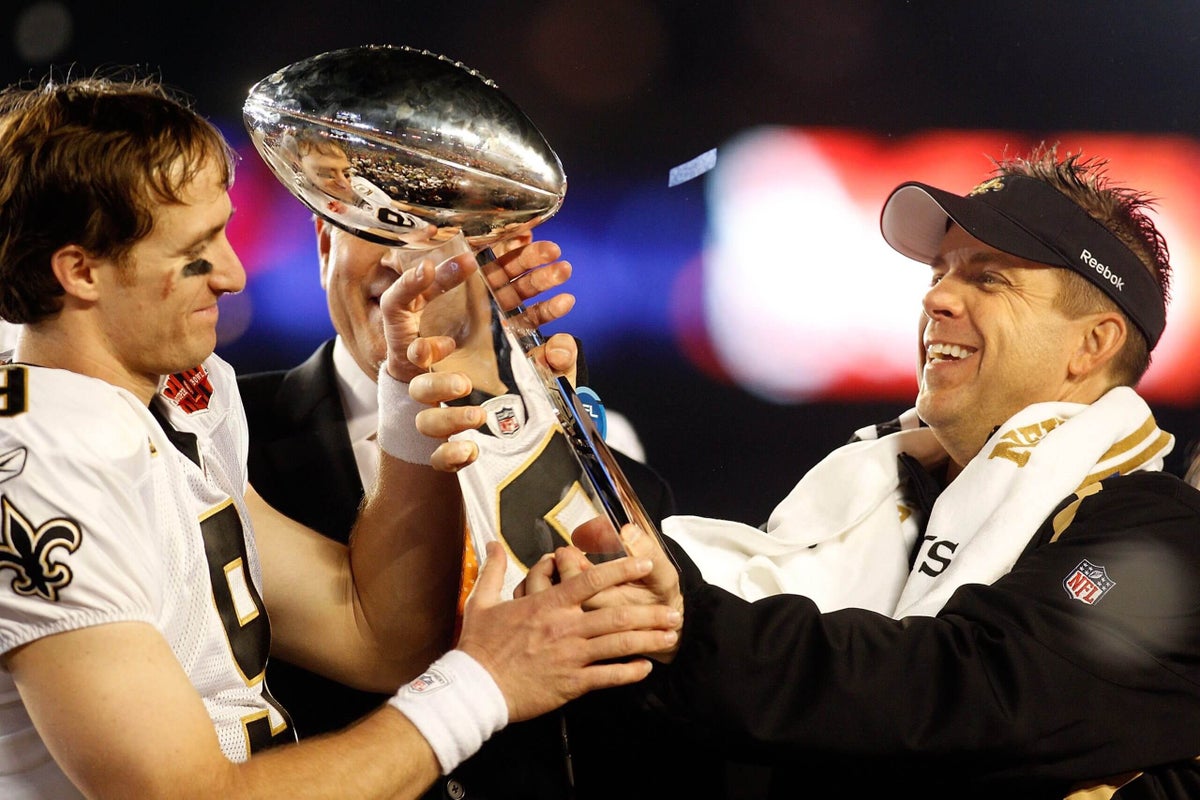
Sean Payton and Mickey Loomis put on a brave face, knowing they had to publicly sell the idea that Drew Brees would be the New Orleans Saints’ “saving grace” at quarterback, despite being three months removed from his right throwing shoulder basically being shredded during the final week of the 2005 season.That’s a belief the San Diego Chargers didn’t have in Brees starting in 2004, when they traded for No. 4 overall pick Philip Rivers, and especially after Brees’ shoulder injury.That’s a belief the Miami Dolphins — at least their medical staff — didn’t share, either. And that’s why Brees ended up in a Hurricane Katrina-ravaged New Orleans rather than Miami.Predictably, Brees faced immediate questions about that shoulder at his introductory news conference for the Saints. The date was March 14, 2006, and Brees said he would start throwing in mid-to-late April with a rehab program lasting a few months and that he’d be ready by training camp. An almost-defiant Brees answered these two questions:Do you think you’ll be ready to participate in some preseason games?“No concern whatsoever.”Do you have any concern about being able to throw at 100 percent and getting your timing down with your receivers?“No concern.”What if Drew Brees signed with the Dolphins?Larry Holder and Jeshua KiddIf it sounded like Brees was holding a grudge at the time, you couldn’t blame him. While the eventual Hall of Fame quarterback said during training camp in 2010 that wasn’t the case, he questioned whether he got the raw end of the deal.“You can probably say that in some instances,” Brees said. “But I’ve also learned from this game that, man, this is a business. There’s decisions that are made. Sometimes there’s guys that like you and believe in you. Sometimes they are not, for whatever reason. Sometimes things just seem to be out of your control. You do your best and you hope things work out. But sometimes, your calling is to go somewhere else.“Life takes you in a different direction.”That direction took Brees from a discarded quarterback to the Hall of Fame, a journey that also reinvigorated an entire region with a win in Super Bowl XLIV along the way.It’s the kind of turnaround that takes faith — belief, if you will. The kind of belief few had at the time. The kind of belief that became infectious among Brees’ teammates almost immediately.“In 2006, we all started looking at each other and started knowing that we weren’t going anywhere without Drew,” former Saints linebacker and Brees teammate Scott Shanle said. “He started making throws and started managing games, and everyone in the locker room could see he was something special.”Saints general manager Mickey Loomis said at Brees’ first media gathering that Payton brought Brees’ name up from Day 1. “And frankly, I think I heard Drew’s name every single day thereafter …,” Loomis added. No one ever needed to convince Payton, who believes nothing happened by accident when it came to Brees.“When I was hired by the Saints as head coach in 2006, the very first goal was to establish a functional and winning culture,” Payton said when Brees announced his retirement in March 2021. “In doing so, it was vital to know what we were looking for in a player — talent, work ethic, makeup, intelligence and leadership are all qualities we found in Drew Brees. We also found a player with a burning desire to win. …“Throughout his career, his consistency and dedication to excellence were unparalleled. In a very short period of time, he would help lead a region to recovery and a team to a Super Bowl championship. He was a magnificent leader both on and off the field. His attention to detail and competitive spirit were infectious. For all of us that have had the chance to coach him, it has been our privilege. We are better for it.”Former Saints linebacker and Brees teammate Jonathan Vilma joined New Orleans in 2008, when Brees was already well on his way to building a Hall of Fame career. He recalled Brees being “really good, but not great” when the quarterback played for the Chargers. It hit Vilma almost immediately when arriving in New Orleans that something was different with Brees.“What changed him is when he almost had football taken away from him with the shoulder injury,” Vilma said. “I think that changed him as a competitor and as a person.”Brees led the Saints to their first NFC Championship Game in his debut season in New Orleans in 2006 and finished runner-up to former Chargers teammate LaDainian Tomlinson as NFL MVP. By the end of 2008, Brees would produce just the NFL’s second 5,000-yard passing season (Dan Marino had the first — 24 years earlier).Still, what made the NFL landscape truly believe in Brees, and open the door to a Hall of Fame career, occurred during the 2009 season.The Brees-led Saints won 16 games combined in the regular season and playoffs, including a 13-0 start that year. He tacked on another NFL MVP runner-up accolade, losing to New Orleans native Peyton Manning. But he became his own piece of Crescent City NFL royalty by earning the MVP of Super Bowl XLIV as the Saints toppled Manning and the Indianapolis Colts.New Orleans Saints quarterback Drew Brees celebrates after defeating the Indianapolis Colts in Super Bowl XLIV at Sun Life Stadium in Miami. (Matthew Emmons / USA Today)Along the way, Brees stared NFL QB nobility in the face and took each player down one by one.Since at least 2000, he’s the only Super Bowl-winning quarterback to play heads up against three Hall of Fame quarterbacks (Manning, Brett Favre, Kurt Warner) and either Tom Brady or Aaron Rodgers (certain future Hall of Famers) in one season and finish with a 4-0 record. In those four games, he threw 13 touchdown passes and no interceptions with a 72 percent completion rate, leading to a 133.5 passer rating and a 0.50 EPA, via TruMedia.Despite entering a Week 12 unbeaten that season, Brees and the Saints still believed they were not in the same category as Brady and the Patriots, their opponents that week for a Monday Night Football clash.“I definitely think if you just stood the two of us next to each other, we wouldn’t look anything alike, so maybe you’d say that our styles are a little different,” Brees said leading up to the game. “But in the end, you want the result to be the same: You win football games and you win championships. Obviously, (Brady) has three, and I’m still trying to get that first.”In front of a national television audience, Brees produced a perfect 158.3 passer rating, throwing for 317 yards and five touchdowns as the Saints trounced the Patriots 38-17. Bill Belichick pulled Brady from the game midway through the fourth quarter, raising a white flag.“It only counts for one win on the stat sheet, but emotionally, those types of wins can mean a little more,” Brees said after the game.Wildly enough, this would be the fourth time Brady hit the bench during a game against Brees in their collegiate and professional careers.The Saints limped into the playoffs after losing their final three regular-season games. And there may have been some non-belief in Brees from the Arizona side. Cardinals safety Antrel Rolle said leading up to this game that he’d rather face Brees any day of the week rather than Rodgers, despite getting past the Packers in the NFC Wild Card round.“We got out with that mentality that, hey, every time we touch the ball we want to go out and score,” Brees said during game week.And that just about happened. Brees alone didn’t easily dispose of the Cardinals, thanks to one of Reggie Bush’s most memorable NFL performances and a swarming Saints defense. But Brees threw for three touchdowns and 247 yards, resulting in a 125.4 passer rating to ease the Saints to the NFC title game.The following week against the Minnesota Vikings might not have been the cleanest performance he’s ever had, yet he still tossed three TDs for a 106.5 passer rating on his way to Super Bowl XLIV in easily the most pressure-packed game of his life given all of the expectations and bated breath of the Superdome home crowd.And Brees wasn’t the one to throw any costly interceptions like Brett Favre. Or like Manning in Super Bowl XLIV.After a shaky first two series, Brees calmed himself, eventually throwing more touchdowns (two) than incompletions (one) in the second half to propel the Saints to their only Super Bowl title in franchise history. Overall, Brees completed 82.1 percent of his passes for 288 yards, two TDs, no interceptions and a 114.5 passer rating.“I mean, are you kidding me? Are you kidding me? Four years ago, whoever thought this would be happening? It’s unbelievable,” Brees said after the 31-17 win.Drew Brees led the New Orleans Saints to a 46-34 comeback win over the Miami Dolphins in 2009. (Ronald C. Modra / Getty Images)That Brees’ seminal performance came in Miami was not without irony. Four years previous, the Dolphins passed on him out of concern about his shoulder. A few months earlier, Brees delivered perhaps his grittiest game in the 2009 season, a Week 7 rally from a three-touchdown deficit on the road.A torrential Miami downpour made for a chaotic day for the then-5-0 Saints that Sunday. Brees threw two interceptions in the first half against the 2-3 Dolphins, walking into halftime with a 29.4 passer rating. But late in the first half, he produced a pivotal moment in a season that would ultimately end in glory.Down 24-3 on the final snap of the first half, the quarterback leaped over the offensive and defensive lines, reaching the ball over the goal line — a move called the “Brees leap,” which he used several more times during his career. Brees showed off his impressive hops after the score by dunking the ball over the goal post.“I felt like I had to do something to get everybody hyped,” Brees said following the game. “The first thing that came to mind was to dunk.”The Saints went on to score the game’s final 22 points — all in the fourth quarter — for a 46-34 win.“There was no doubt on our sideline we would come back and win,” Brees said after the game. “They had given us their best shot, and we had played about as bad as we could play. All we had to do was string together a few drives and gain the momentum back. We knew it was going to happen, and it did.”Fast forward to training camp in 2019. Brees said something so unbelievable and preposterous that it felt impossible to take him seriously.“By no means have I arrived,” Brees said with a straight face. “I had a coach tell me, ‘As long as you’re green, you will continue to grow, but as soon as you’re ripe, you’ll soon be rotten.’ So, as soon as you think you know it all, you are done. I am still green.”And yet he believed what he was saying to be true. Believing in Brees turned out to be the right play for the right team at the right time.
Drew Brees was doubted after his injury. The Saints’ belief changed everything
The 2009 season, capped by the Super Bowl XLIV victory, was the defining point of Brees’ Hall of Fame career.
1,871 words~9 min read