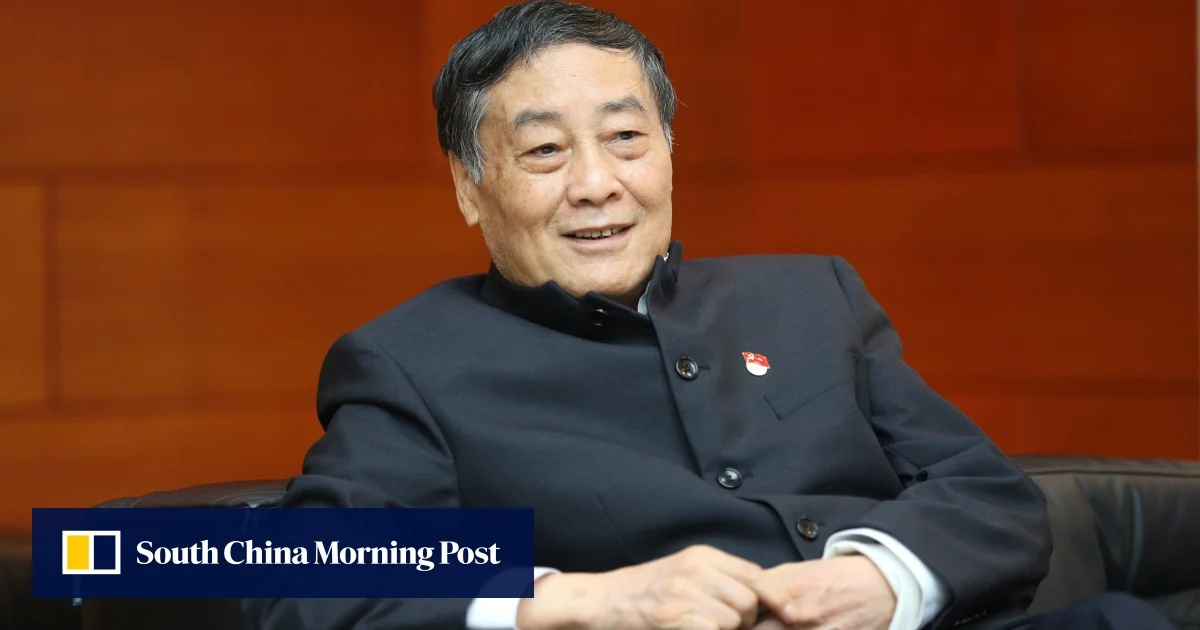
China’s ultra-rich are finding themselves under greater scrutiny as new tax rules on offshore trusts raise questions over their fortunes, with New York-based property tycoon Pan Shiyi’s Cayman structure cast back into the spotlight.Market watchers said the rules – which impose a flat 20 per cent levy across a trust’s life cycle – were in line with international practices but marked a sharp escalation in the scrutiny of capital flight, with Pan’s case emerging as a touchstone.“Prior legislation only mandated taxation for individuals holding offshore trusts, yet lacked detailed implementing rules. This new update fills the void,” said Sarah Wang, a Shanghai-based tax lawyer.“Tax liability kicks in the moment capital is transferred into an offshore trust, covering stocks, bonds, real estate and other assets.”Pan is one of China’s most closely followed entrepreneurs. He built his fortune from scratch and became synonymous with landmark buildings in tier-one mainland Chinese cities. He also gained notoriety for sidestepping the property crisis that engulfed rival developers from 2021.Soho China, the property developer Pan founded with wife Zhang Xin in 1995, offloaded billions of yuan in assets in Beijing and Shanghai between 2014 and 2019, well ahead of other tycoons such as Hui Ka-yan, the former boss of collapsed developer Evergrande. However, Pan’s 2021 pursuit of a take-private deal with Blackstone fell apart, and he has since lived in the United States.
How China’s new offshore trust tax rules could shake billionaires’ fortunes
Soho China founder Pan Shiyi’s Cayman trust faces scrutiny as Beijing’s tax overhaul puts offshore wealth strategies in focus.
227 words~1 min read