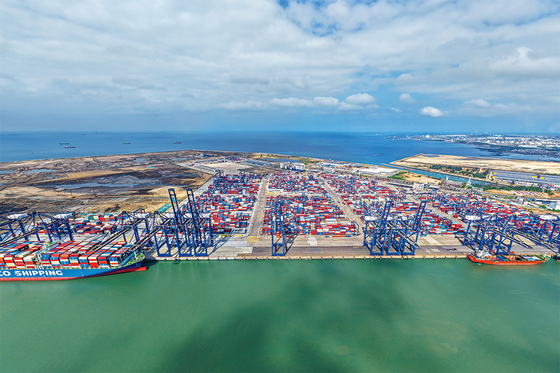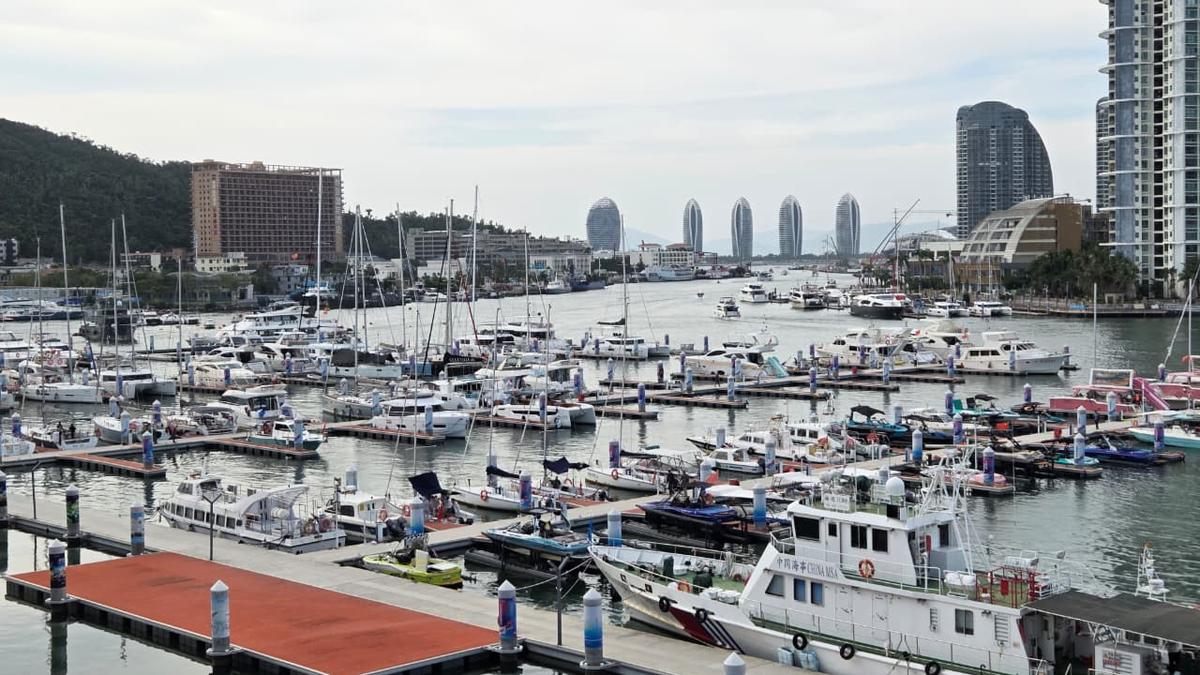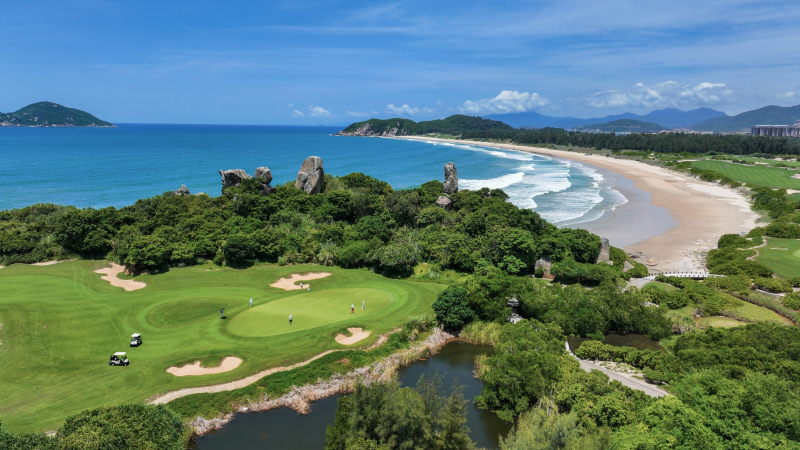
Hainan, a tropical island off China’s southern coast and home to the country’s only Free Trade Port, is best known for its sun-soaked coastline and world-class duty-free shopping. Beyond its beaches, however, lies a rich cultural landscape shaped by centuries of maritime exchange, local traditions, and diverse historical influences.
The island’s cultural heart
Dating back roughly 3,000 years, the ancestors of the Li are Hainan’s oldest documented community with a distinct textile culture. In the absence of a written script, their renowned brocade combines spinning, dyeing, weaving, and embroidery techniques to encode lineage, geography, and belief into cloth, embodying the Li people’s understanding of nature and preserving their collective memory across generations. The Hainan Miao people arrived later, migrating from mainland China during the Ming dynasty in the 16th century.
Today, places such as Betel Nut Valley preserve and share this heritage as the island continues to evolve as a modern tourism destination. Located within the Ganshiling Nature Reserve, Betel Nut Valley showcases nationally recognized intangible cultural heritage through Li brocade weaving demonstrations, daily folk performances, and hands-on workshops, as well as traditional Li boat-shaped dwellings and Miao wooden stilt houses.