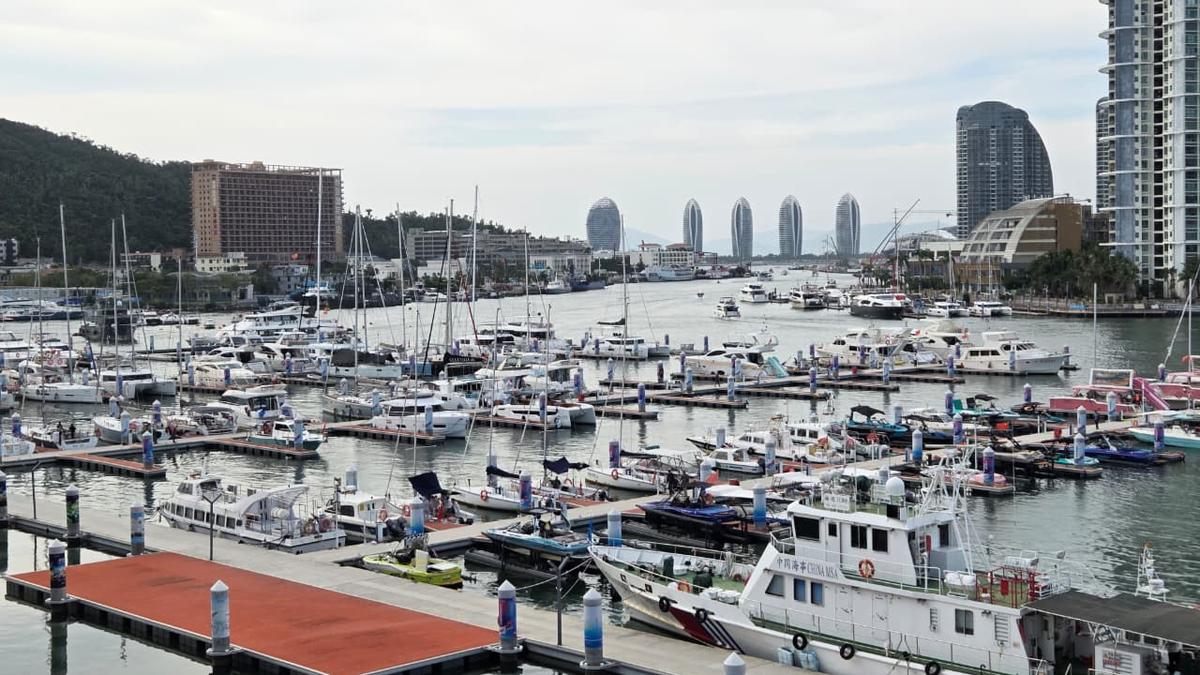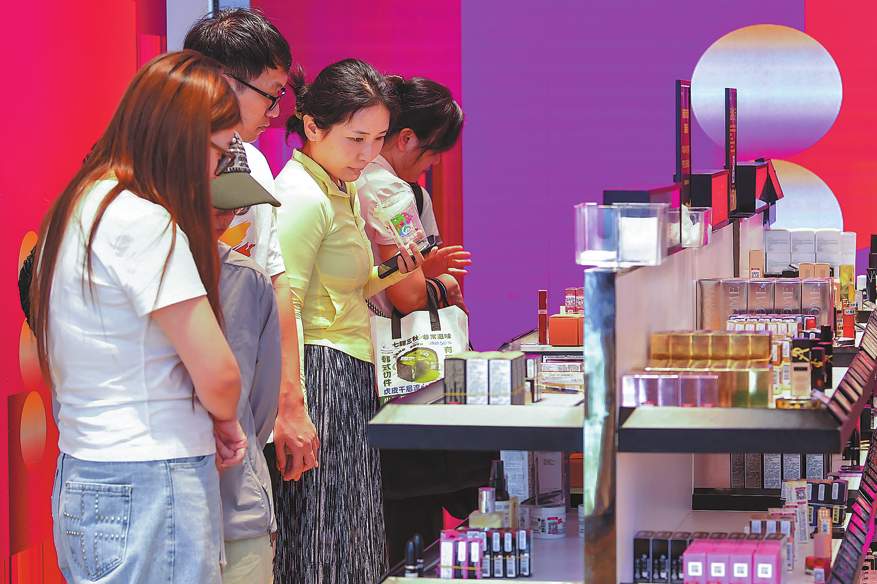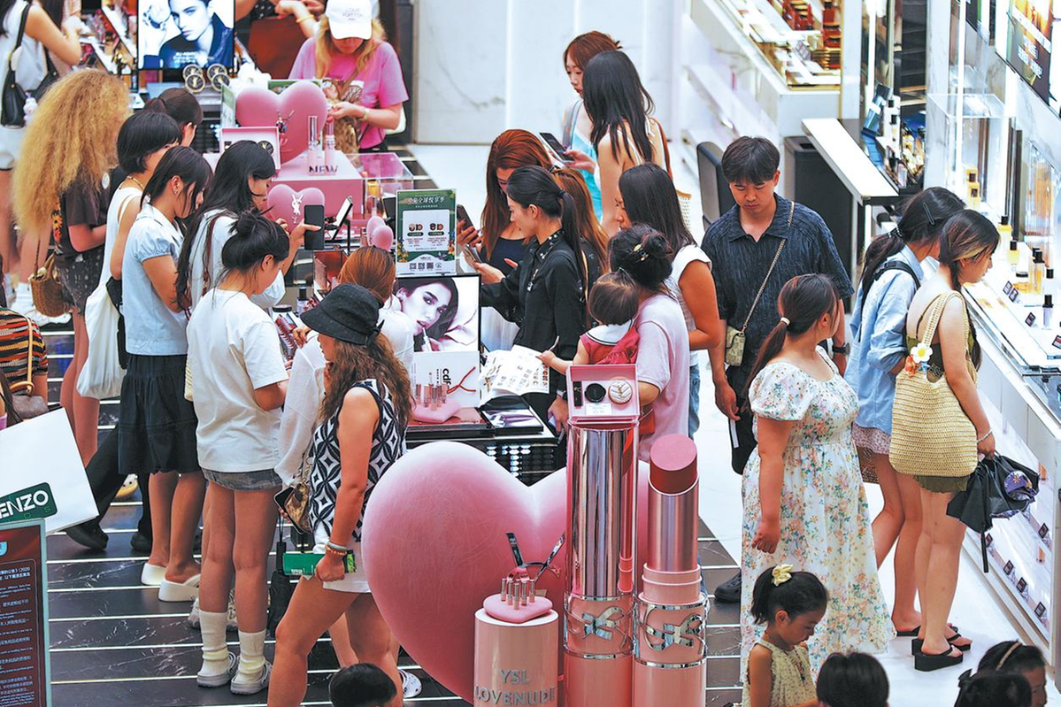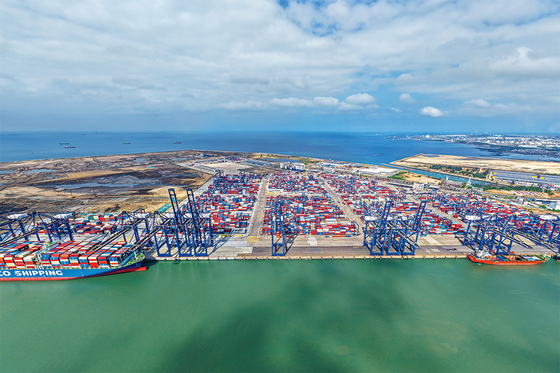
On December 18, marking the anniversary of China's pivotal “reform and opening-up” policy, Hainan province officially launched independent customs operations across the island, a significant milestone in its ongoing transformation into a free trade port (FTP). This initiative positions Hainan as a special customs supervision area, subjecting movements of goods, capital, and people between the island and foreign markets to dramatically fewer restrictions. Notably, most goods imports now face zero tariffs, and preferential policies such as a reduced corporate income tax have been instituted. However, flows between Hainan and the rest of mainland China still face standard regulatory controls[para. 1][para. 2].The vision for the Hainan FTP dates back to its unveiling by President Xi Jinping in 2018; it aims to develop into a hub rivaling established free ports like Hong Kong and Singapore while maintaining distinct Chinese characteristics and strong integration with China's domestic market. Hainan’s status as an offshore island with a relatively simple industrial structure makes it a logical testing ground for experimental economic openness in trade, investment, and finance, as risks are considered to be lower than in more industrialized regions. The island’s success is seen as a potential blueprint for China’s next phase of economic opening amid global tensions and economic headwinds[para. 3][para. 4][para. 5].Hainan’s model is more open than other free trade zones in China. Unlike other FTZs, which offer only temporary tariff exemptions, Hainan now lets more than 6,000 product categories enter tariff-free, with both corporate and individual income taxes capped at 15%. Its approach to financial innovation emphasizes real-economy applications rather than just capital liberalization. Geopolitically, Hainan is uniquely positioned near Southeast Asia and complements Hong Kong's established global financial role, focusing instead on connecting domestic and international flows, with innovation in areas like cryptocurrencies expected to occur mainly in Hong Kong[para. 7][para. 8][para. 9][para. 10][para. 11].A comparative policy table shows that Hainan’s tax and visa-free policies benchmark well against free ports like Hong Kong, Singapore, and Dubai, although Hainan offers visa-free entry to 86 countries, fewer than Hong Kong’s 174 and Singapore’s 163. Its 15% flat income tax rate is competitive but doesn’t match Dubai’s zero tax for up to 50 years[Table].Key breakthroughs in Hainan include an advanced “electronic fence” (EF) account system for cross-border payments, enhancing capital flow efficiency and reducing processing time for transactions. Policy changes now allow freer transfer of yuan between eligible accounts, expediting business. Hainan’s zero-tariff regime has expanded significantly, covering 74% of import tariff lines, with excluded items mainly luxury and controlled goods. Importantly, goods processed in Hainan with at least 30% local value added can enter mainland China tariff-free, with the threshold set lower than the international norm[para. 13][para. 14][para. 15][para. 16][para. 17][para. 18].The FTP has particularly benefited manufacturing (especially biopharma and chemicals), retail, and aviation sectors, with companies like Swire Coca-Cola investing in new facilities. Air travel and duty-free shopping showed sharp increases after the customs changes, though long-term prospects in duty-free are challenged by competition and changing tourist dynamics. Duty-free sales dropped 29.3% in 2024, despite an 8.6% rise in tourist arrivals[para. 21][para. 22][para. 23][para. 24][para. 25][para. 26][para. 27][para. 28].Challenges persist due to Hainan’s relatively weak economic base, narrow industrial structure, limited skilled labor, high living costs, and low incomes. Enhanced cross-border flows heighten risks such as smuggling and financial stability, placing pressure on regulatory and enforcement systems. The aviation sector also needs clearer tax exemption policies and better logistics to boost competitiveness. Nonetheless, stakeholders argue that Hainan’s performance must be evaluated long term, considering its role as a key window for China’s next wave of economic opening[para. 29][para. 30][para. 31][para. 32][para. 33][para. 34][para. 35][para. 36][para. 37].AI generated, for reference only
Four Things to Know About Hainan’s New Free Trade Framework
The aim is to build a hub that can rival established free ports such as Hong Kong and Singapore, while remaining deeply integrated with China’s vast domestic market
608 words~3 min read