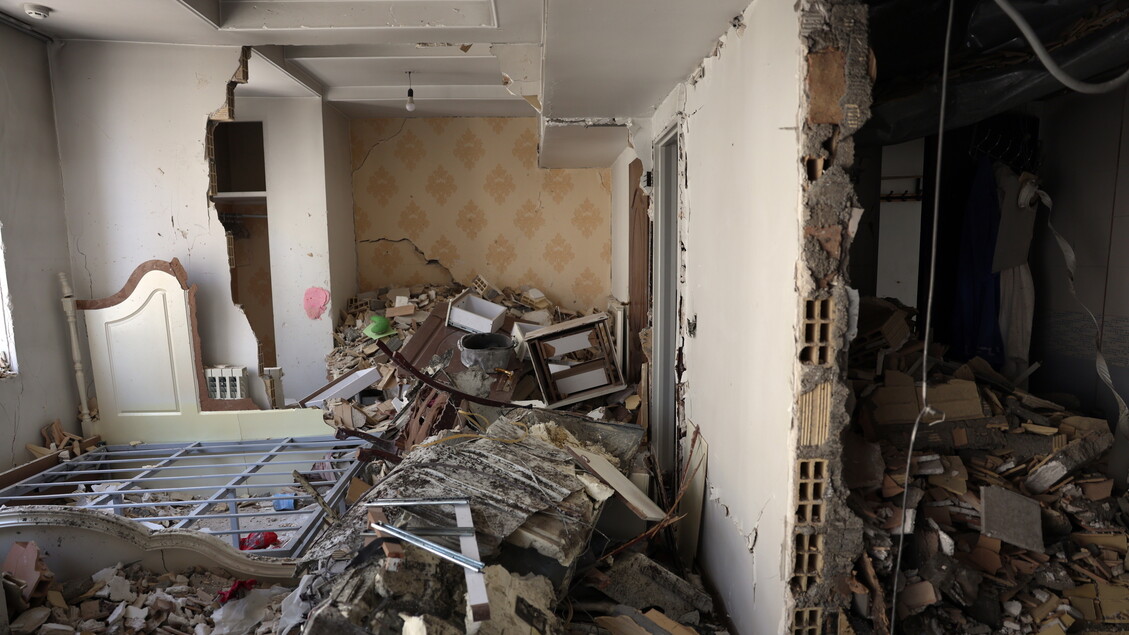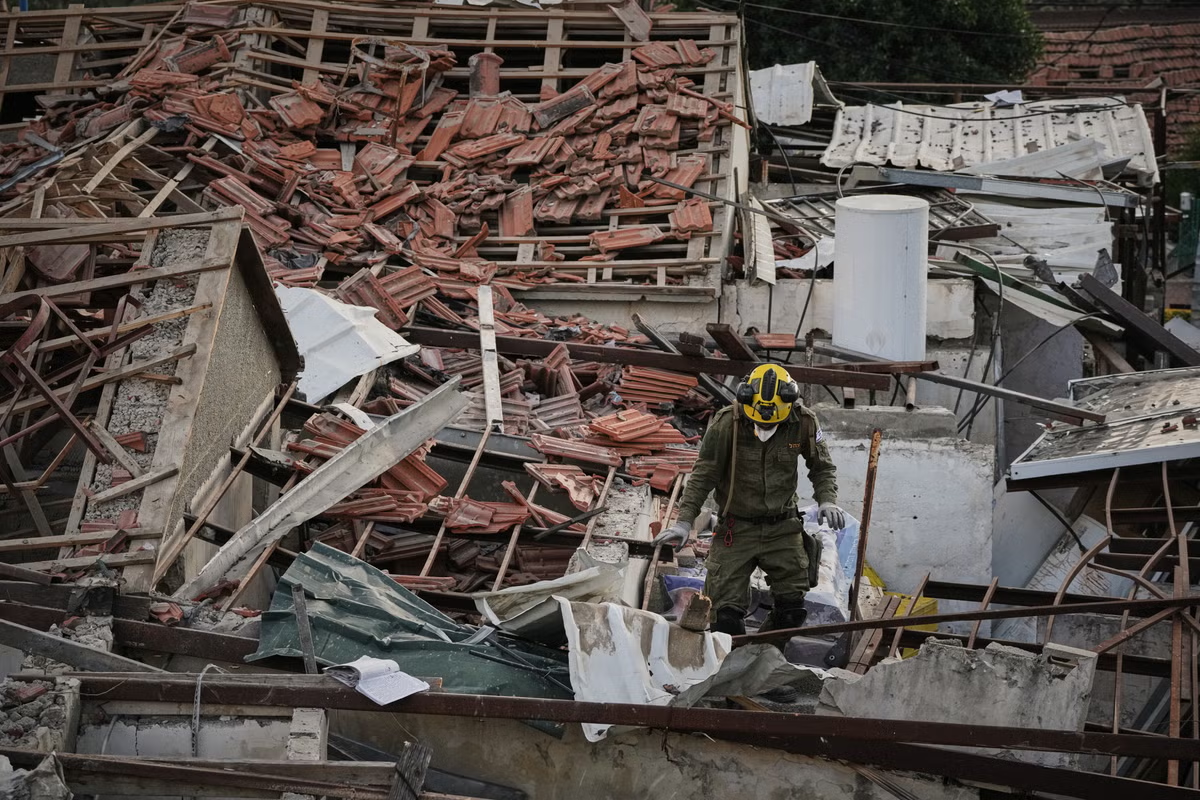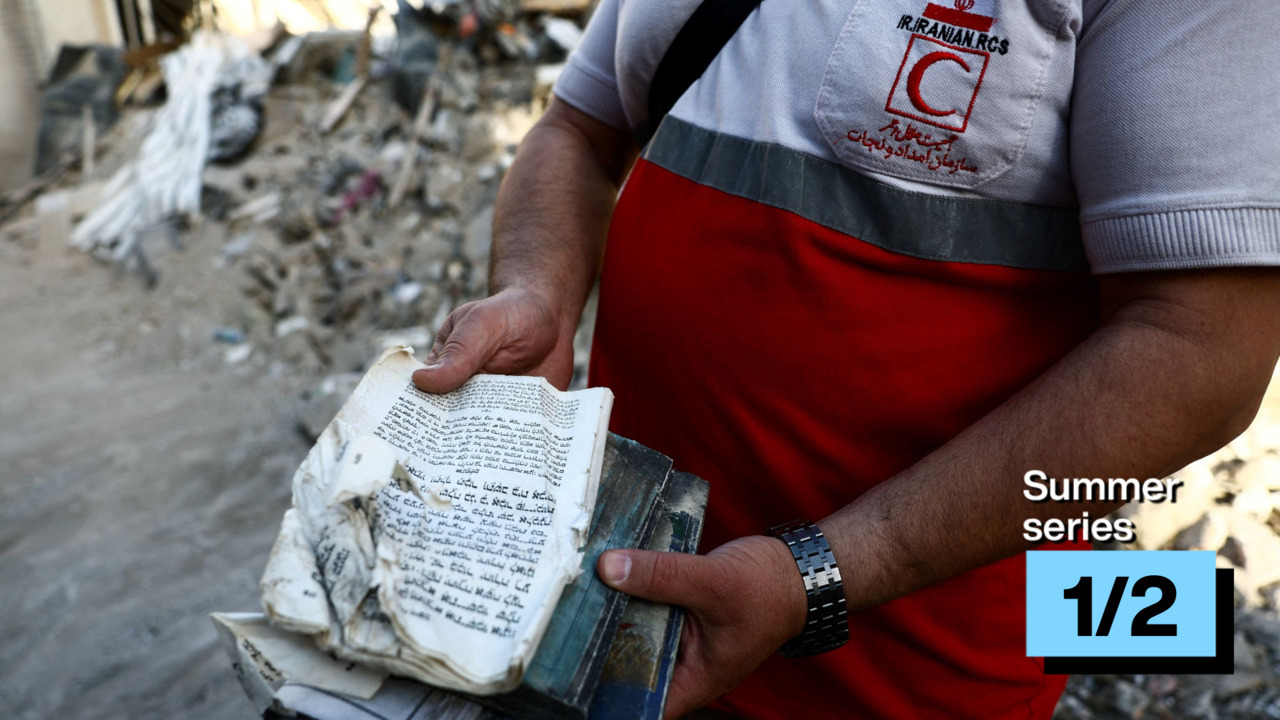
It was still dark when Marjan arrived in Malek Lane, near Tehran’s historic centre, on April 7. A few minutes earlier, at around 3:30am, a friend from the neighbourhood had awakened her. She had called to tell her that the Rafi-Nia synagogue had just been hit by three Israeli strikes. ‘Pages from sacred books were scattered in the streets’ “I rushed to the scene. The synagogue and the neighbouring building had been completely destroyed,’ she recalled. “The emergency services were already there, along with the Red Crescent, the Basij [a volunteer paramilitary force] and volunteers wearing vests bearing the emblem of the Revolutionary Guards, who were clearing away the rubble. Pages from the holy books had been scattered as far as the neighbouring streets.” The scene was harrowing. The residents, who had fled their homes in panic just a few hours earlier, were returning to retrieve “what was left of their lives”, Marjan said. “The neighbours who, for years, had welcomed us and accompanied us on our way to the synagogue were now watching, nervous, distraught and in tears, as all their possessions were destroyed in a fraction of a second.”
Iranian workers and volunteers gather at the site of Israeli-American strikes that according to local media reports destroyed the Rafi-Nia Synagogue and nearby residential buildings in Tehran on April 7, 2026. © AFP