June 29, 2026
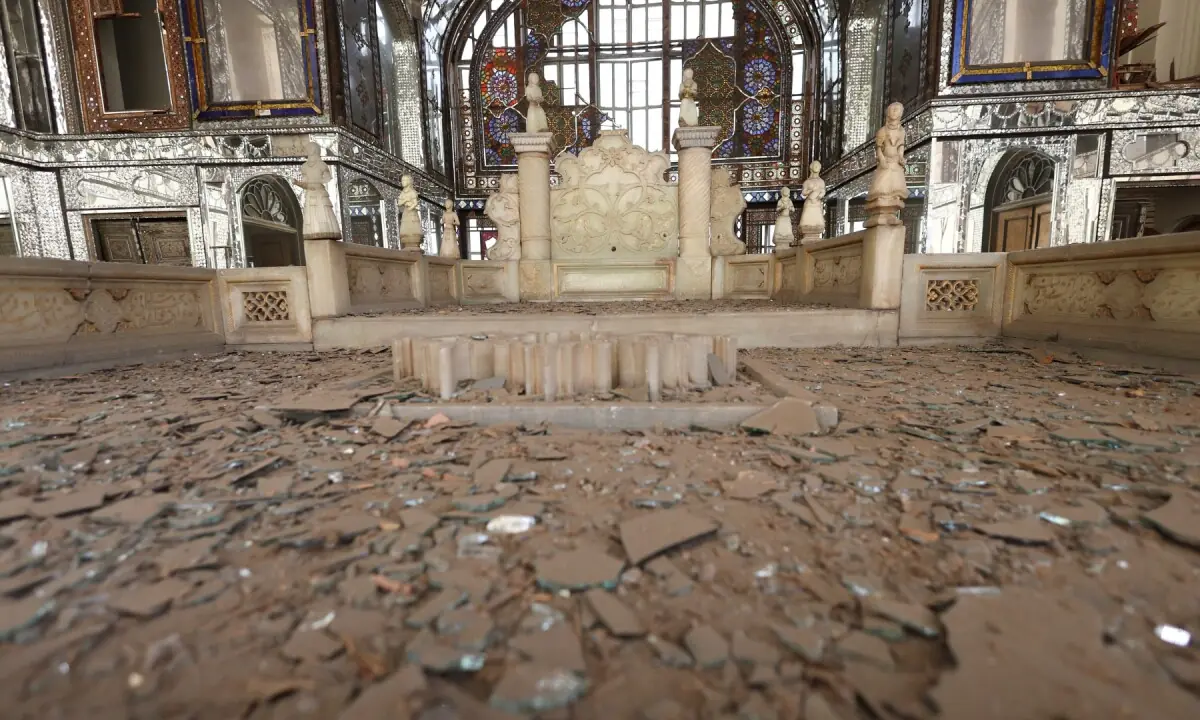
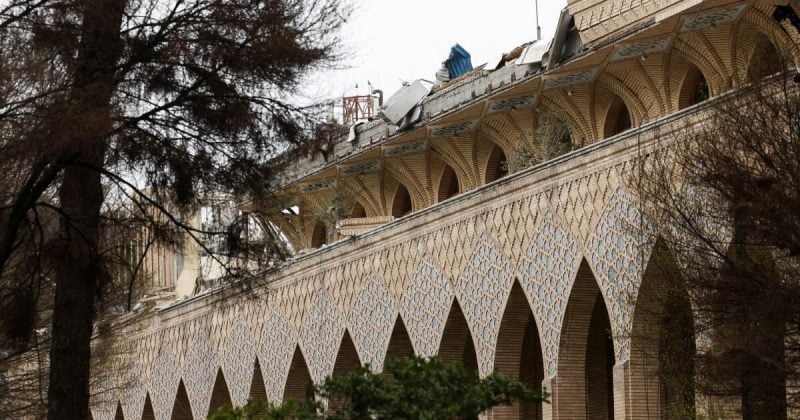
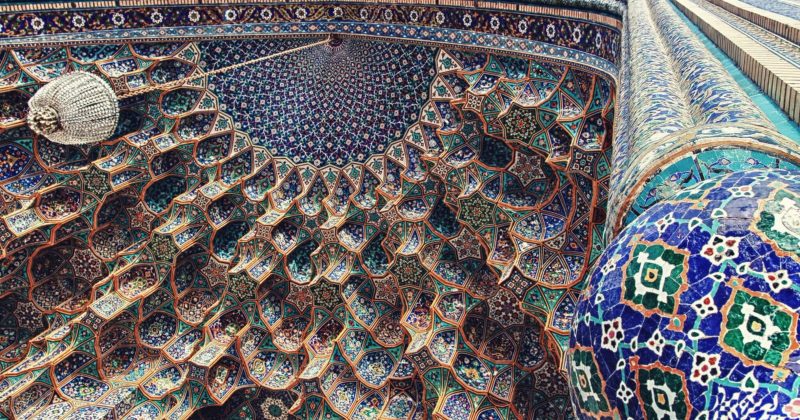
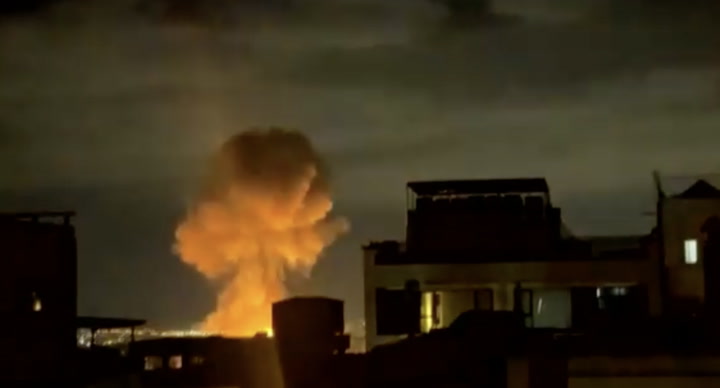
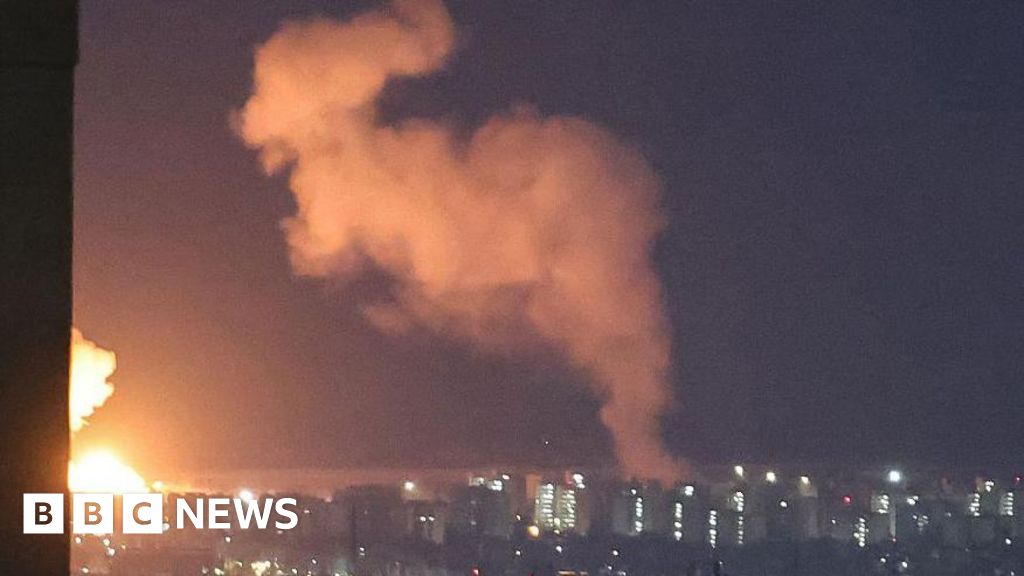
A first set of blast waves set ancient domes and minarets trembling around the most famous square in the ancient city of Isfahan. Another bombing in the city centre, two days later, blanketed the floors of a 400-year-old royal complex with shards of debris.
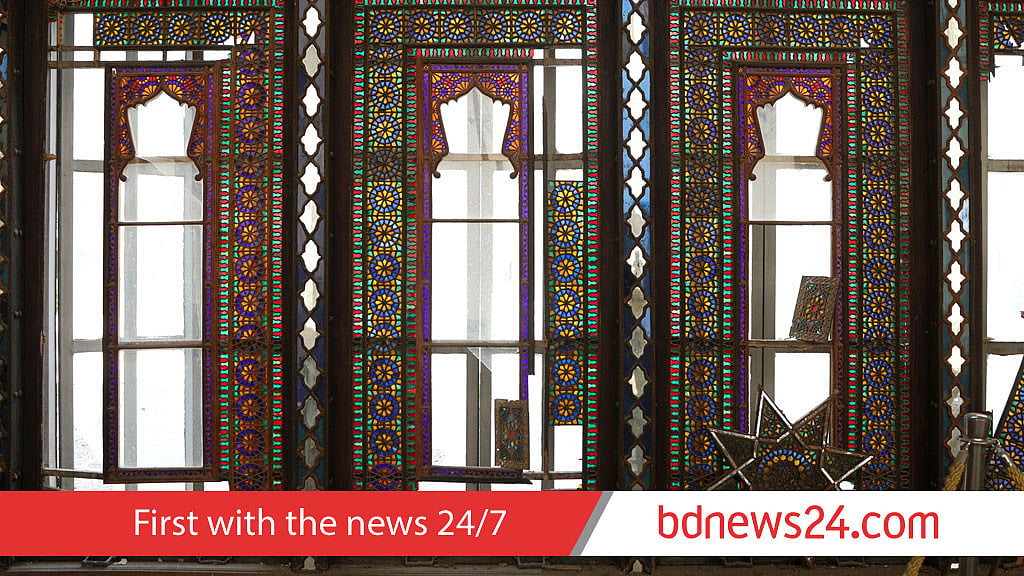
Those Israeli airstrikes, on Mar 7 and 9, shook the monuments at Naqsh-e Jahan square and the Chehel Sotoun Palace, two of Iran’s most treasured cultural complexes. Two weeks later, plaster and broken tile still crunched underfoot in some places.
“These buildings were like part of us,” said Rasoul Mosavi, his head still bandaged in gauze from the injury he received in the explosion. He led Reuters journalists through the museum where he has worked as a security guard for 16 years. “This place is very dear to my heart.”
From the roof, the intended target of the Mar 9 bomb was visible less than 200 metres away: the Isfahan governor’s building, which was partially destroyed but also apparently empty when it was struck.