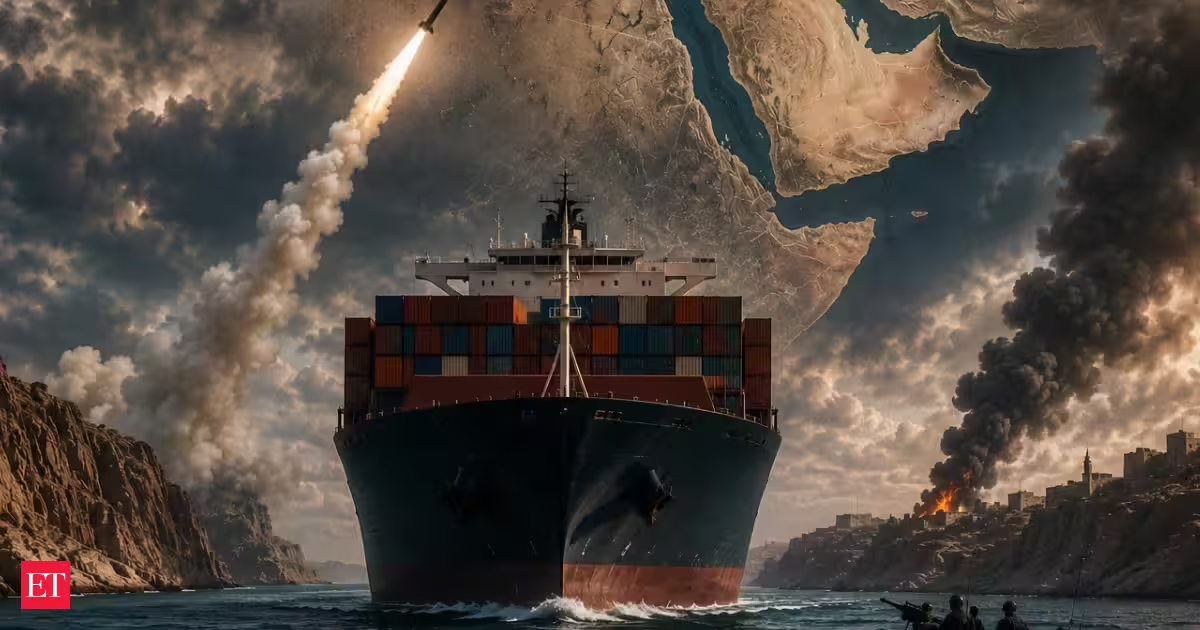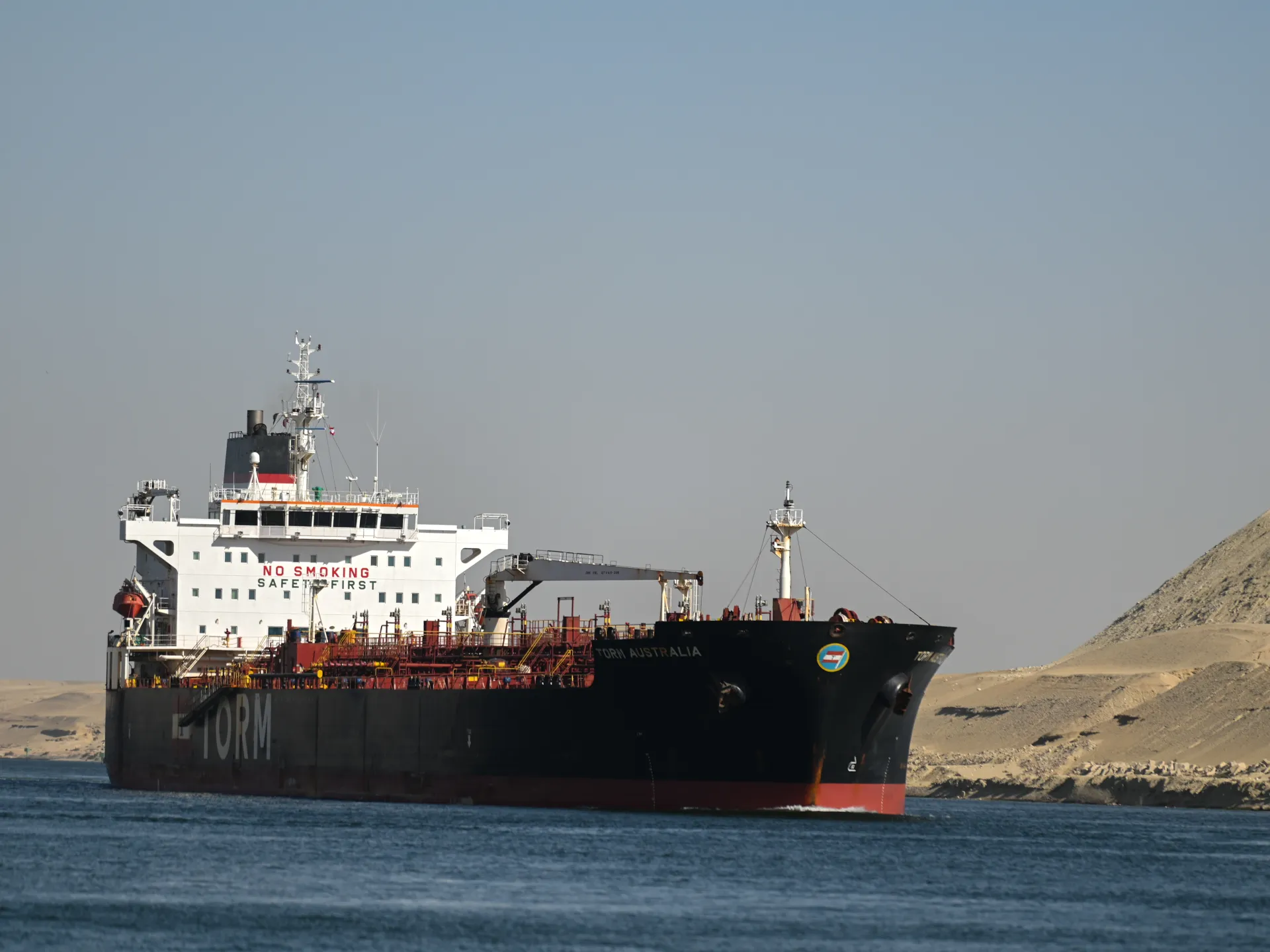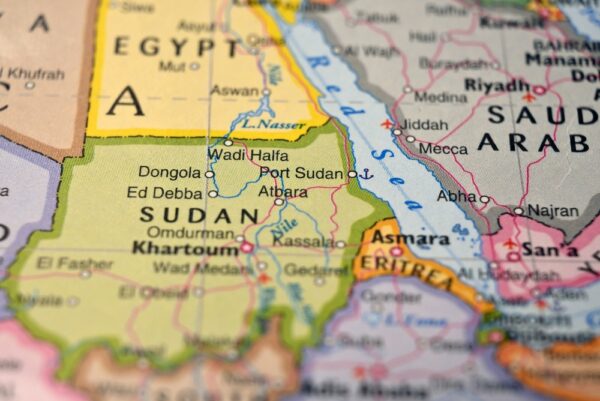
Container lines began testing a return to the Suez route in early 2026, with the first Asia to Europe services shifting back to Red Sea sailings from mid-February on the condition that security conditions held. That condition is generally read as a question about Yemen. It is at least as much a question about the western shore of the same corridor, where a four-year war has left roughly 700 kilometers of Sudanese coastline under a government that depends on foreign weapons suppliers, principally Iran, Turkey, Russia and China, and that has been willing to discuss access to its ports as part of the price.
Port Sudan has been the seat of that government since Khartoum fell out of its hands in 2023, which makes the coast the asset that keeps the authorities supplied, solvent and diplomatically visible. It is therefore the asset most available for trade. Sudan’s frontage sits north of the Bab al-Mandab strait, along the stretch of water vessels enter after they consider themselves clear of the Yemeni threat envelope.
The Iranian supply relationship is documented, not merely inferred. Tehran and Khartoum restored diplomatic relations in October 2023, and in April 2026 the United States Department of Justice charged an Iranian national in Los Angeles with brokering it, describing a contract worth more than seventy million dollars for Mohajer-6 drones from Iran’s defense ministry to Sudan’s military, a letter of intent to the Islamic Revolutionary Guard Corps for bomb fuses, and payments routed through an Oman-registered company.