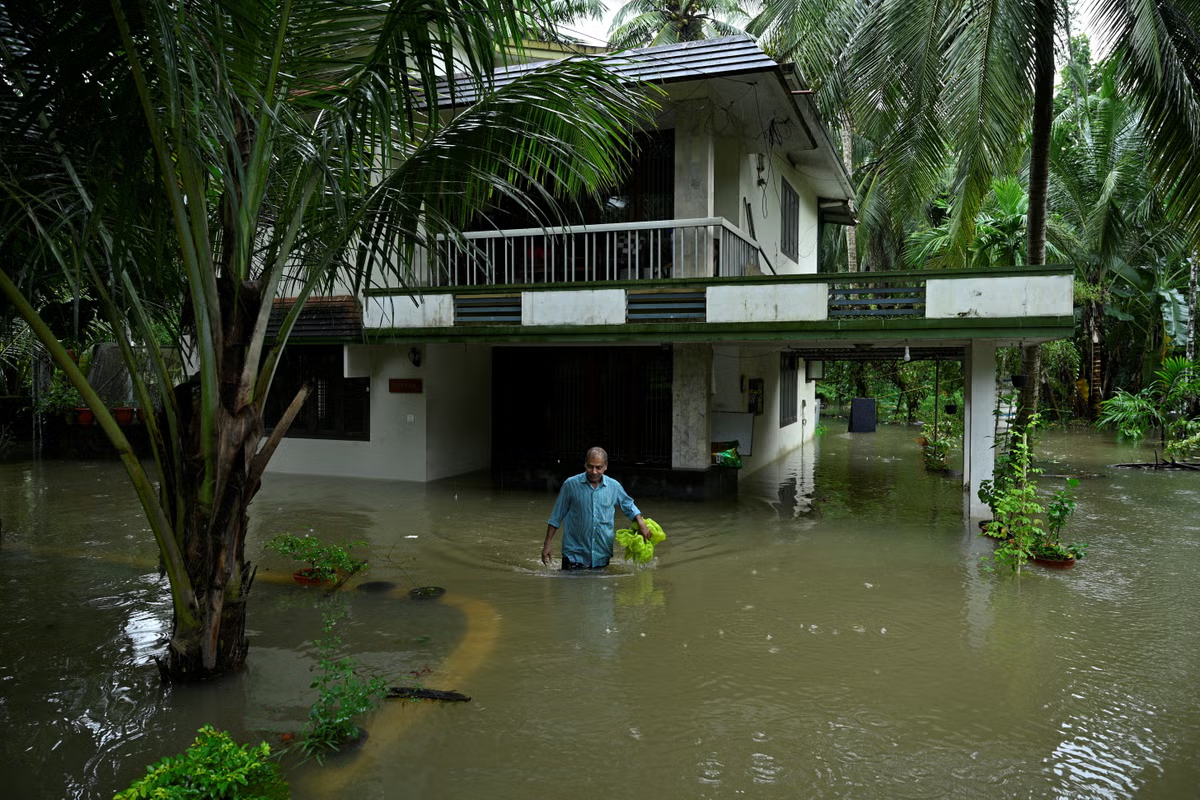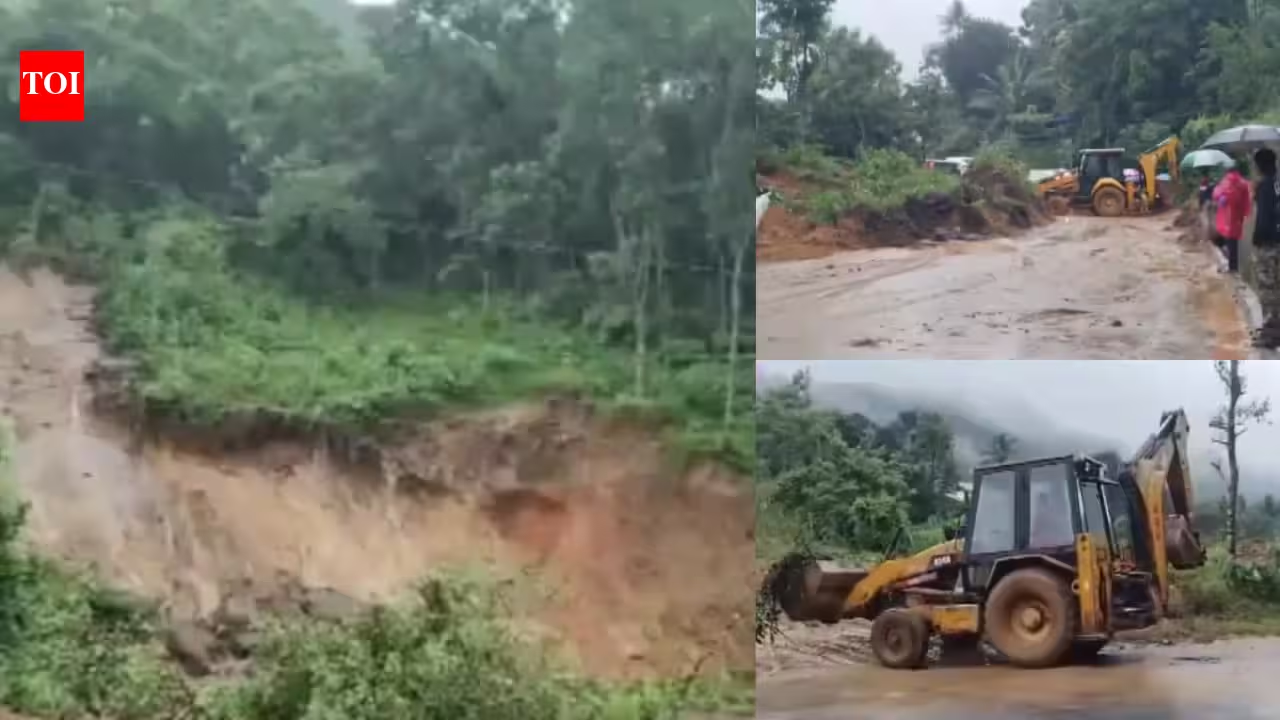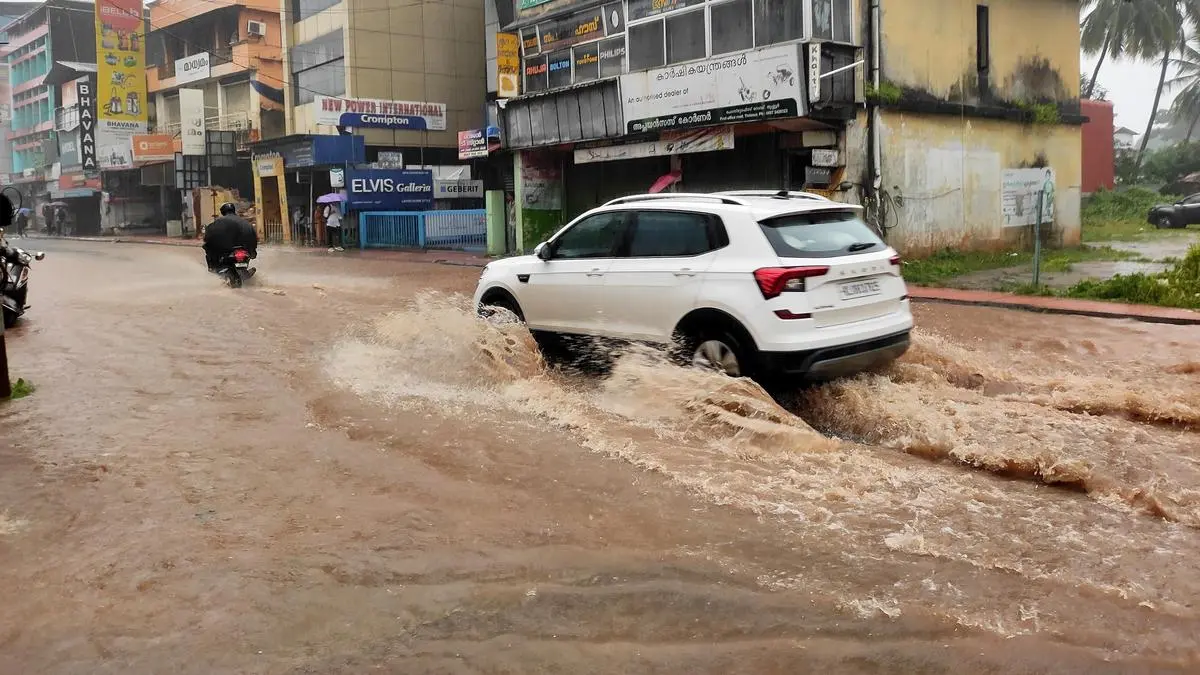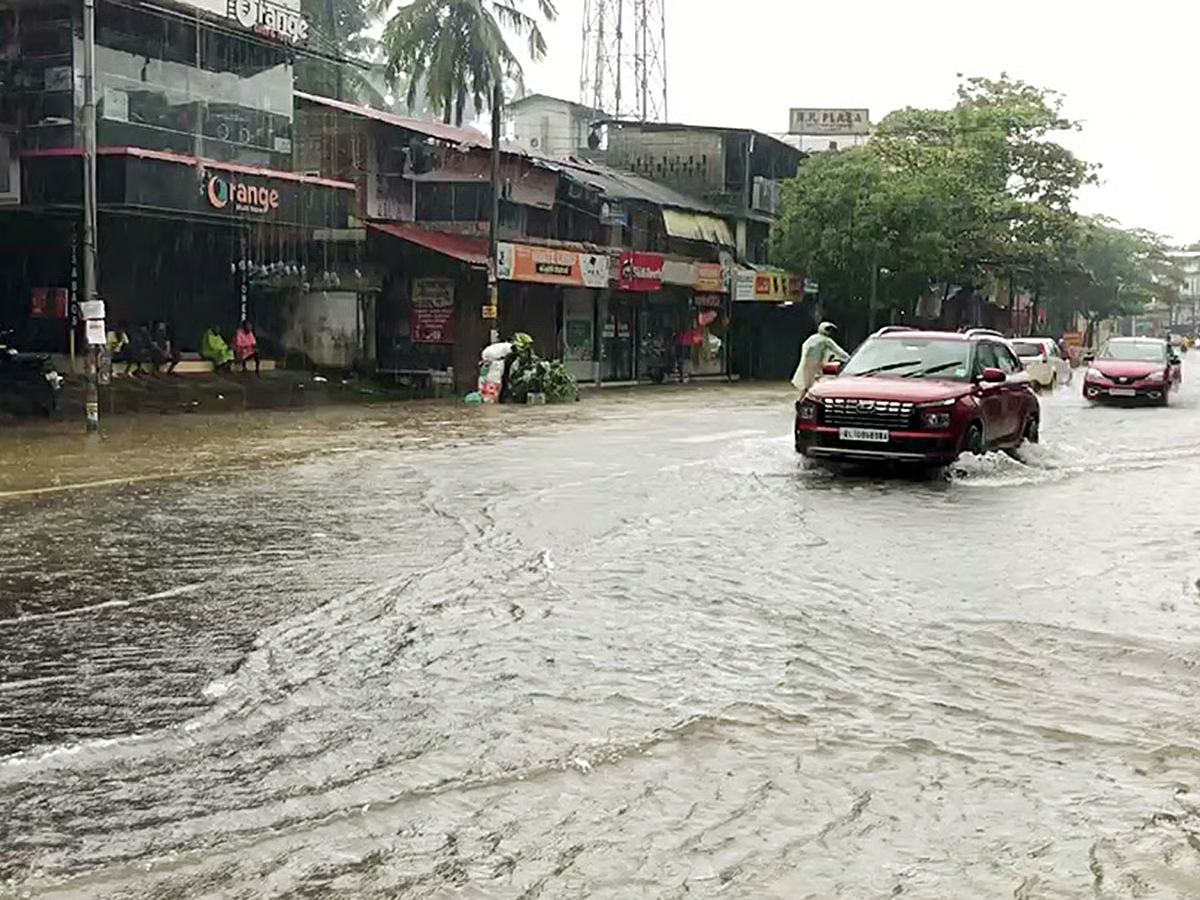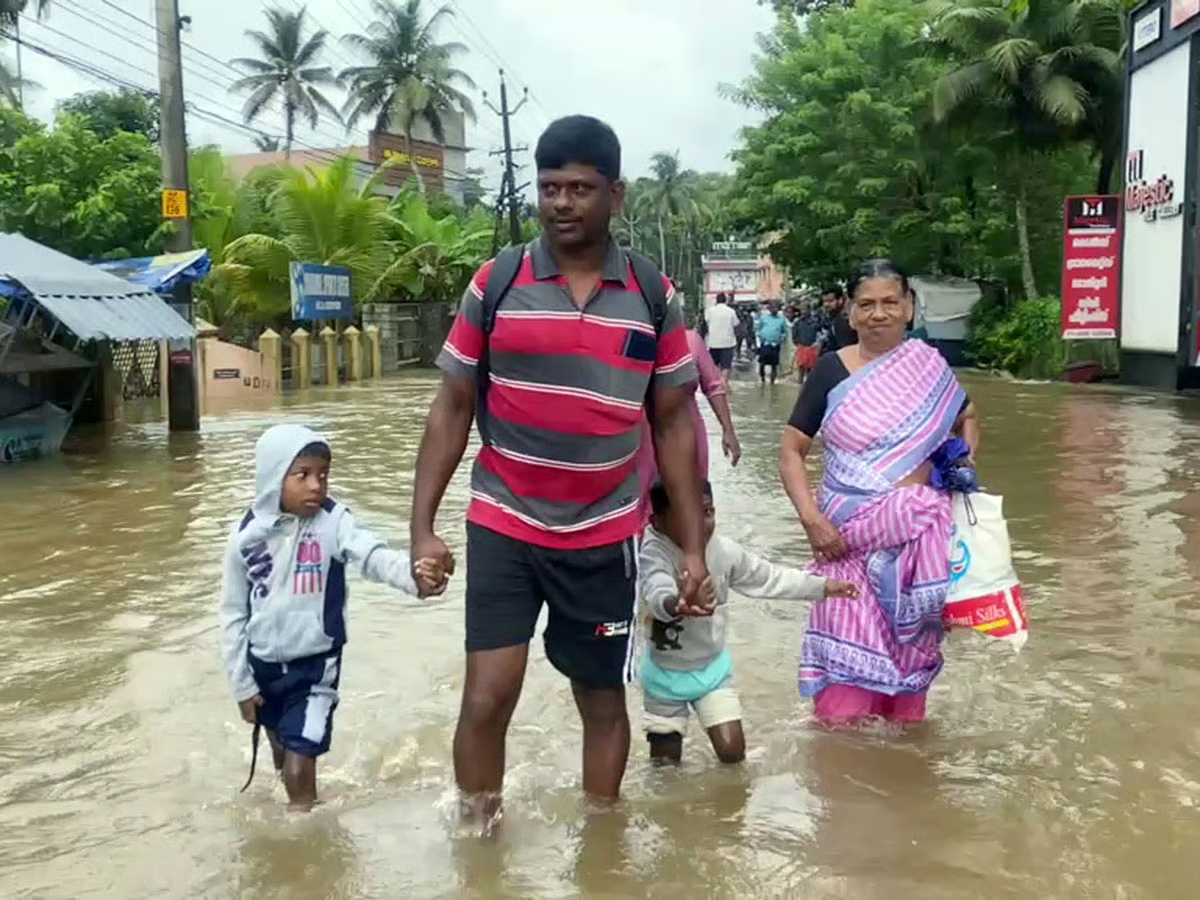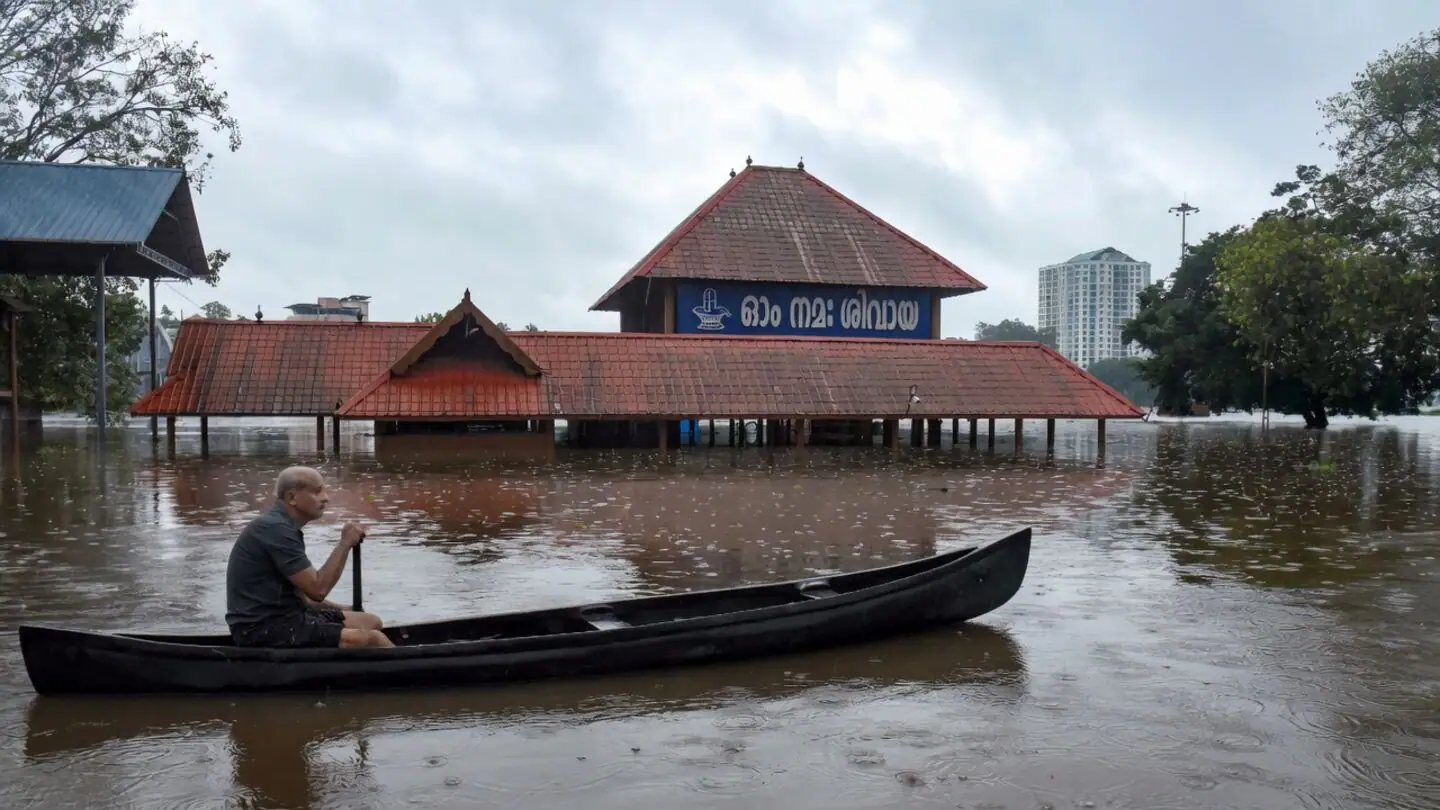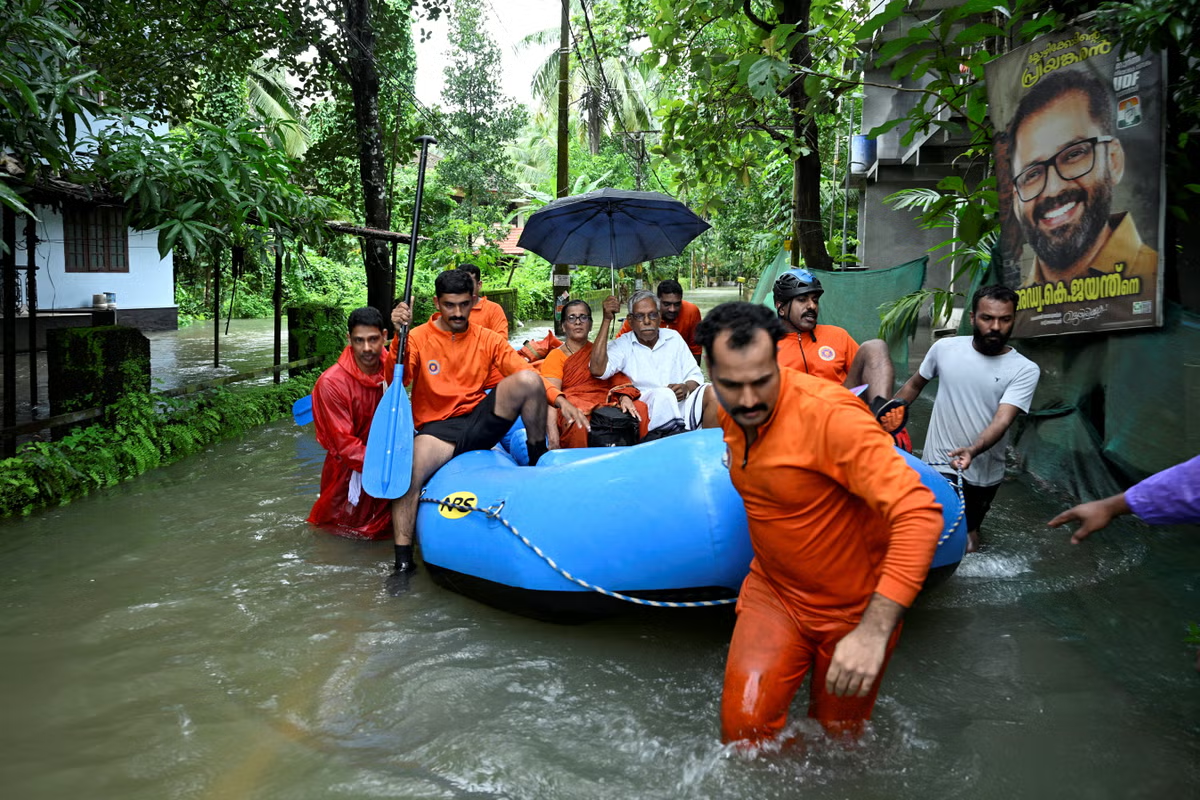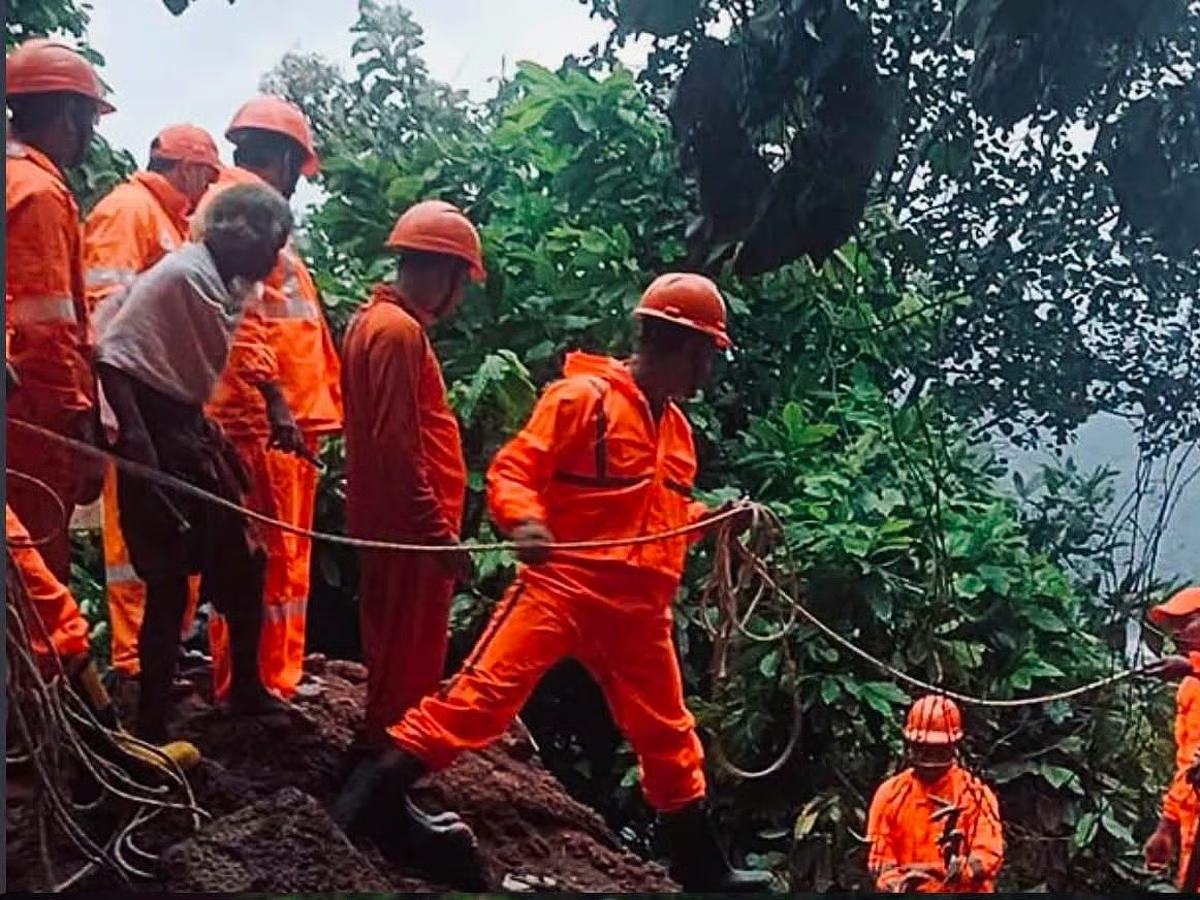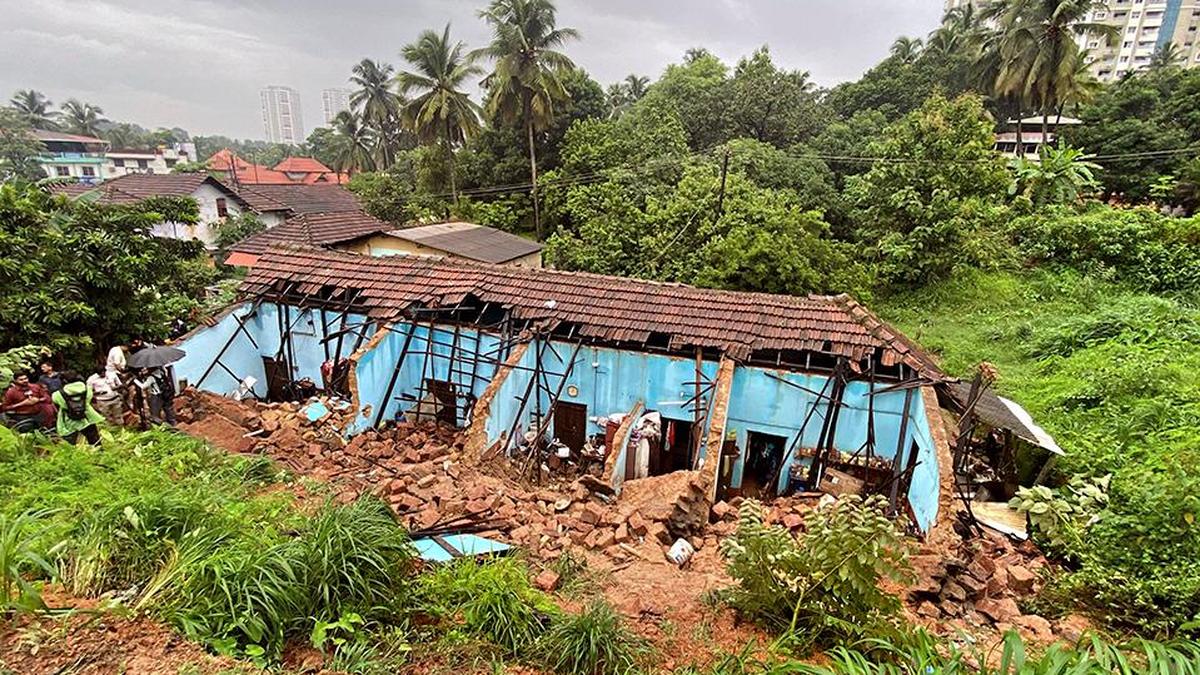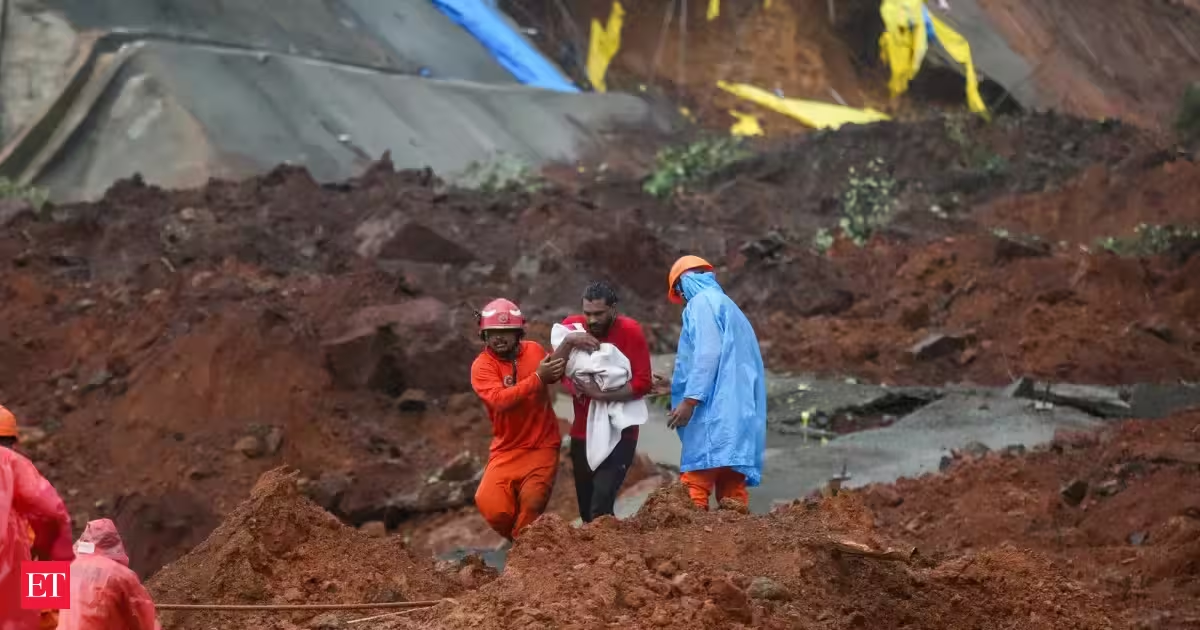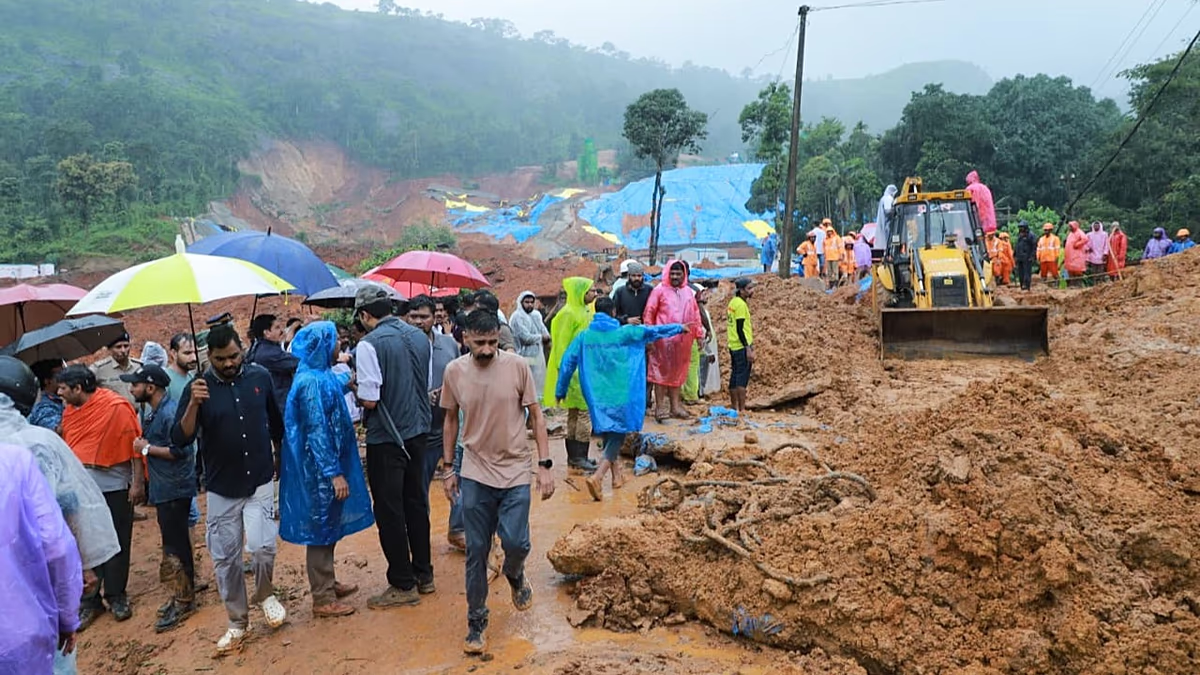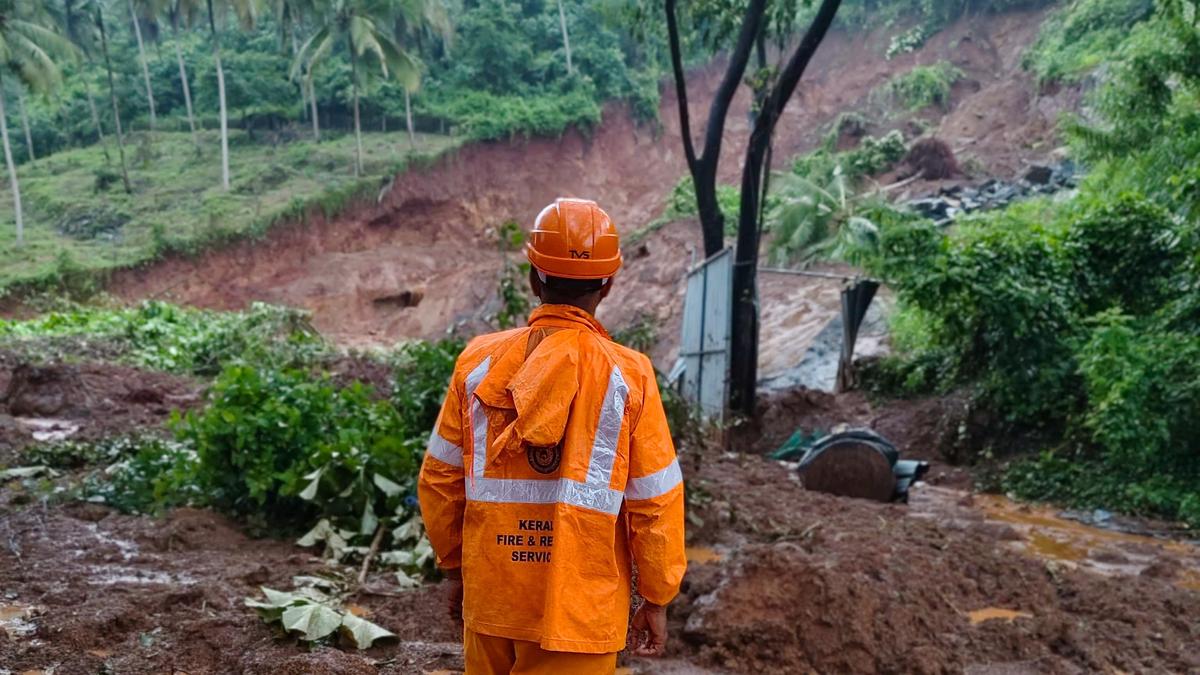
The story so far: Catastrophic landslides have become a recurring monsoonal phenomenon in Kerala, nestled in the foothills of the Western Ghats along India’s west coast. Every year, landslides claim scores of lives in the State, which has a high population density and extensive habitation across vulnerable terrain.This year, the first major incident was reported in Wayanad, where a debris slide triggered by an extreme rainfall event at the entrance of the under-construction twin tunnel at Kalladi in July claimed eight lives. This was followed by relatively minor landslips in Idukki and Kottayam on July 31, triggered by heavy rainfall, which claimed four lives so far.Is Kerala’s landscape highly vulnerable to landslides during the monsoon?Yes. Kerala receives around 3,000 mm of annual rainfall, often in uneven, high-intensity spells that are becoming more frequent and extreme, exacerbated by global warming and climate change. Its steep terrain, weathered soils and complex geology make the State highly susceptible to landslides.For instance, in 2018, an anomalous monsoon brought around 36% excess rainfall over the seasonal normal and triggered as many as 4,728 landslides across Kerala, killing 48 people. These landslides were associated with a single extreme rainfall event on August 16. The State witnessed another spate of devastating landslides in subsequent years. In 2019, the Puthumala landslide in Wayanad killed 17 people, while the Kavalappara landslide in Malappuram claimed 59 lives. Both occurred on August 8 following high-intensity rainfall.A perfect storm: On the Wayanad debris slipOn October 16, 2021, catastrophic landslides struck parts of Idukki and Kottayam, with the worst incidents occurring at Kokkayar in Idukki and Palappally and Kavali near Koottickal in Kottayam. The most disastrous landslide in Kerala’s history occurred in 2024, when the villages of Mundakkai and Chooralmala in Wayanad were devastated by a landslide on July 30, claiming 231 lives, while 41 people remain missing.Although extreme rainfall was the immediate trigger for most of these disasters since 2018, their geographical distribution and human interventions also heighten the susceptibility of several parts of the Western Ghats to landslides.How serious is the situation in Kerala now?Compared with several Himalayan States, Kerala has recorded fewer landslide events. Yet, its share of landslide fatalities is disproportionately high, largely because of its dense population and extensive settlement in vulnerable areas. This is underscored by the Landslide Atlas of India, prepared by the Indian Space Research Organisation’s National Remote Sensing Centre, Hyderabad, and released in 2023. Based on landslide events recorded between 1998 and 2022, the atlas shows that although the Western Ghats experienced fewer landslides than the Himalayan region, Kerala remains highly vulnerable.Around 4.75% of Kerala’s total area is classified by the Kerala State Disaster Management Authority as a high landslide hazard zone. The State’s recent landslide susceptibility map identifies about 3,300 sq km as highly susceptible and another 2,886 sq km as moderately susceptible to landslides.Why is Kerala unable to reduce landslide fatalities?Implementing stringent measures such as habitation- and construction-free zones in vulnerable areas is particularly difficult in Kerala because of its dense settlement and limited land availability.A closer examination of landslide distribution also shows that many catastrophic events have occurred in the midlands, where plantations dominate land use. Landslides are influenced by a combination of anthropogenic, agricultural, geomorphic and tectonic factors, as well as human interventions, although a common trigger is high-intensity rainfall exceeding 204 mm within 24 hours. When such rainfall occurs over already saturated and unstable slopes, the likelihood of slope failure increases sharply, say experts.What steps should be taken to mitigate landslide impacts?Kerala cannot eliminate landslides given its geographical and climatic characteristics. However, several landslide-facilitating practices can be avoided. As an agrarian State, Kerala has extensive rubber plantations in the midlands and tea, coffee and cardamom plantations in the highlands. Unscientific agricultural and habitation practices in vulnerable areas must be curtailed.The State urgently needs a long-term action plan to mitigate the impact of extreme weather events. The most important requirement is accurate and precise rainfall forecasting that can support area-specific early warnings based on rainfall thresholds.The sparse distribution of rain gauges and reliance on manual observations make this difficult. Stations near landslide-prone areas are inadequate to capture localised, microclimatic rainfall variations. Automated rain gauges and weather stations, particularly at the village level, should therefore be installed and regularly calibrated.Construction of houses using unsupported ‘cut-and-fill’ methods on steep slopes should be avoided. Unscientific agricultural practices, including the digging of rain pits and planting pits in landslide-prone areas, should be prohibited. Modification of stream channels for agriculture or construction must also be strictly banned. Stream channels should be periodically monitored, with debris, silt and other blockages removed to ensure the free flow of water. Dumping debris into rivers, streams and other vulnerable areas must be prevented.Most importantly, Kerala needs a stringent “land-use policy” that restricts construction on river and stream channels and prevents their modification for agricultural purposes. Ultimately, irrespective of terrain parameters, the most effective way to reduce the risk from rainfall-induced landslides is accurate and precise prediction of extreme rainfall along with long-term action to mitigate the impact of flash floods. When combined with reliable, location-specific early-warning systems, such forecasts can help authorities evacuate vulnerable communities in time, potentially saving lives and livelihoods.
Kerala hit by monsoon landslides | Explained
Kerala faces increasing monsoon landslide risks due to extreme rainfall, climate change, and vulnerable terrain, demanding urgent mitigation strategies.
863 words~4 min read