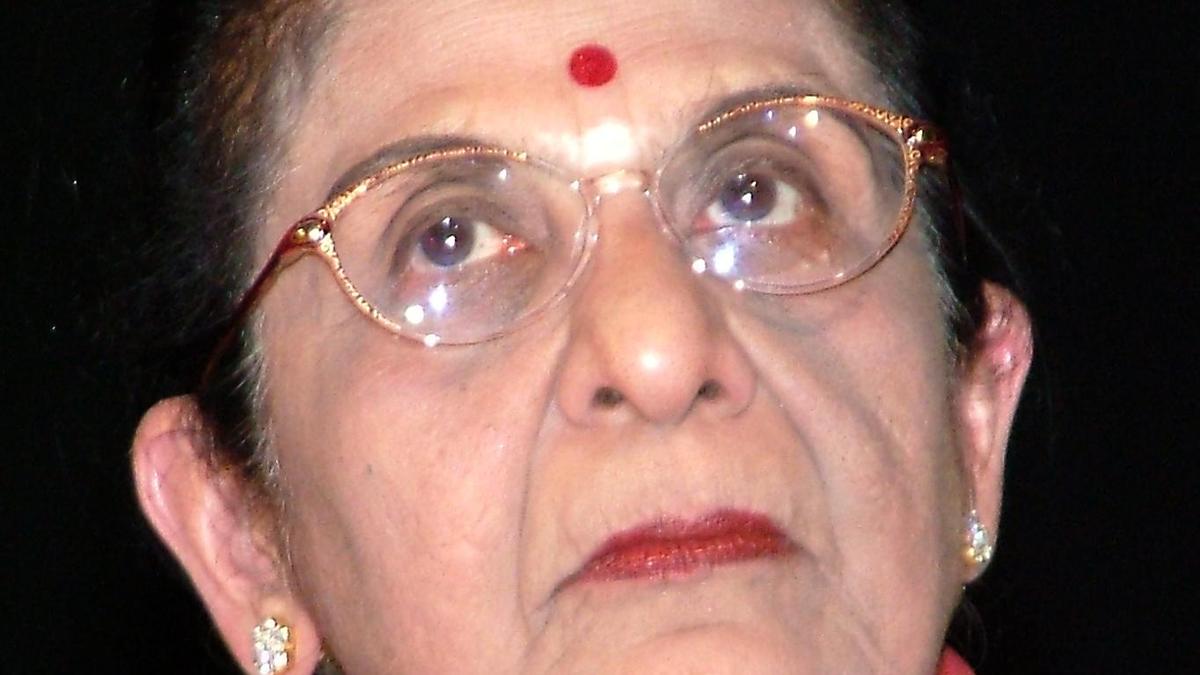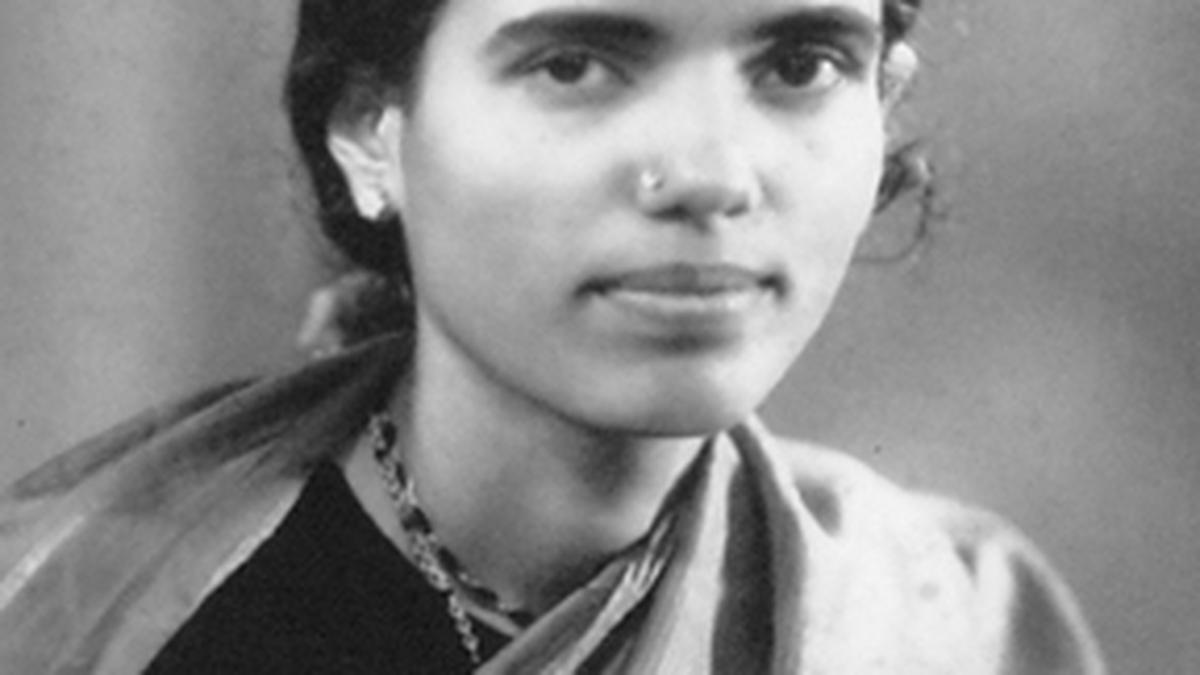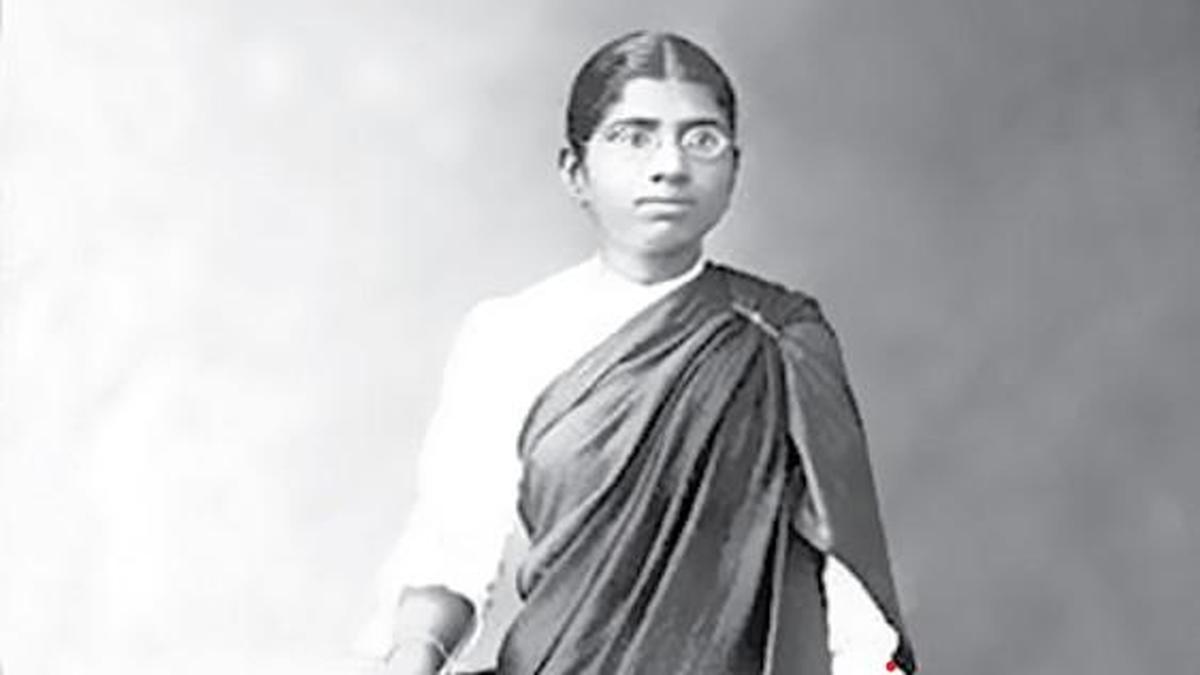
Dr. Muthulakshmi reddy
| Photo Credit: Wikimedia Commons
In 1886, a young girl was born to S. Narayanaswami Iyer, the Principal of Maharaja’s College, and Chandrammal in the Pudukkottai princely state of Tamil Nadu. At a time when women were forced to live in a world of social limitations, the young girl went on to break barriers in medicine and state administration. This is the story of Dr Muthulakshmi Reddy, one of the most brilliant social reformers in India’s history.Growing upMuthulakshmi pursued education with determination and became the first female student to be admitted to Maharaja’s College in Pudukottai. It was not an easy win by any means. Not just the principal but also the students and their parents did not want a woman studying in the men’s college. It was the Maharaja of Pudukottai who admitted her and gave her a scholarship. Even then, as the only woman on campus, she had to go through a trial period of three months. After passing from there with flying colours, Muthulakshmi wanted to pursue a bigger dream — medicine.In 1907, Muthulakshmi became the first woman to be admitted to Madras Medical College, and she completed her studies with a gold medal. She then went on to become a House Surgeon in the Government Hospital for Women and Children in Madras (both these institutes are in present-day Chennai). She was the first woman house surgeon at the Government Maternity and Ophthalmic Hospital, breaking barriers for generations of women in the medical field. This was just the start of her journey in empowering women through the knowledge and experience she had gained.Into public lifeDr Muthulakshmi’s medical career did not just give her experience in the field but also helped her understand multiple social issues, especially ones faced by women. This helped her work towards reforms to make societal changes.Her life in the public sphere properly began when she became the first woman legislator, first woman deputy president of the Legislative Council and the first woman in the Madras Corporation. She used her authority to bring in multiple rights for women, including property rights, laws against child marriage and children’s protection. With personal experience in hand, she also campaigned against the devadasi system, which was trapping multiple girls at a very young age.