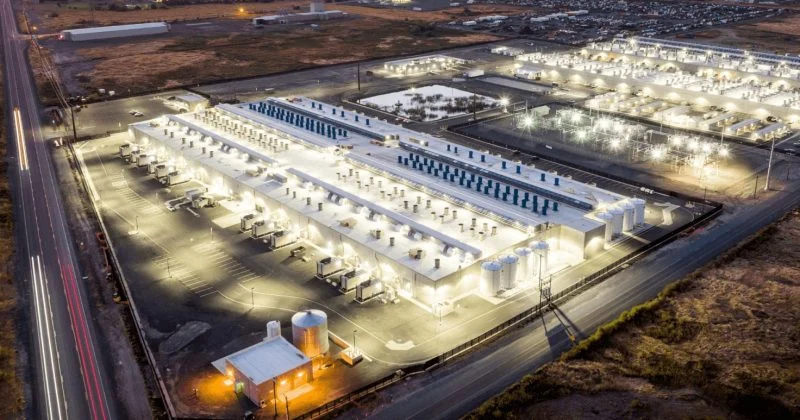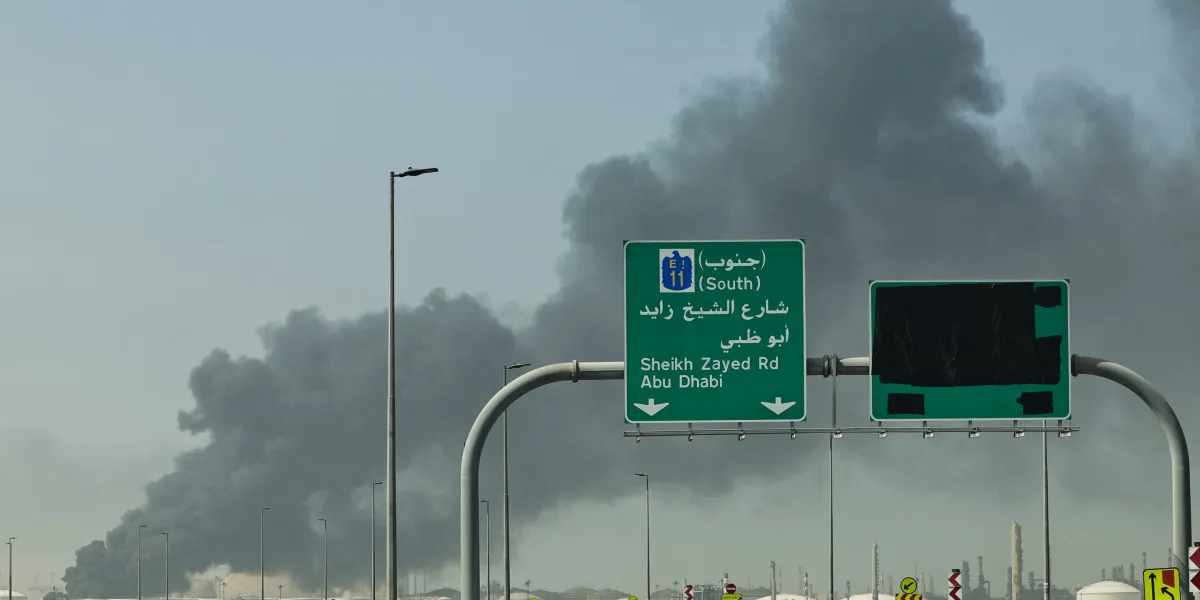
On March 1, in response to Operation Epic Fury, drone strikes by the Islamic Republic of Iran damaged three Amazon Web Services (AWS) data center facilities in the Middle East. AWS confirmed that the attacks caused structural damage, interrupted power delivery, and triggered fire suppression systems that resulted in additional water damage across parts of the infrastructure. Iran’s state media claimed that the Islamic Revolutionary Guard Corps targeted the Bahrain facility because of its role in supporting U.S. military and intelligence operations.
This episode illustrates a broader strategic reality. Data centers have long been recognized as critical infrastructure in the digital economy and increasingly visible targets in geopolitical conflict. They are costly to conceal and often physically vulnerable. Disabling key components such as cooling systems, transformers, or generators can take large computing clusters offline. As artificial intelligence (AI) infrastructure expands globally, data centers may increasingly attract attention from adversaries seeking to disrupt economies, signal political intent, or impose costs on rivals.
Agreements announced by President Donald Trump in May 2025 with the United Arab Emirates and Saudi Arabia to build frontier AI data centers underscore the stakes of this debate. If realized, they could place advanced computing clusters, and some of the United States’ consequential strategic assets, in a geopolitically volatile region. Overseas frontier AI infrastructure may be commercially attractive and strategically beneficial, but its location, ownership, workloads, and host-country environment create national-security risks that are not captured by ordinary commercial siting decisions.