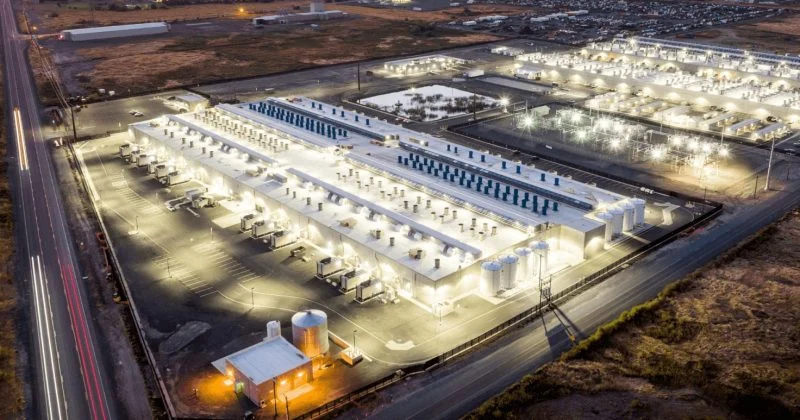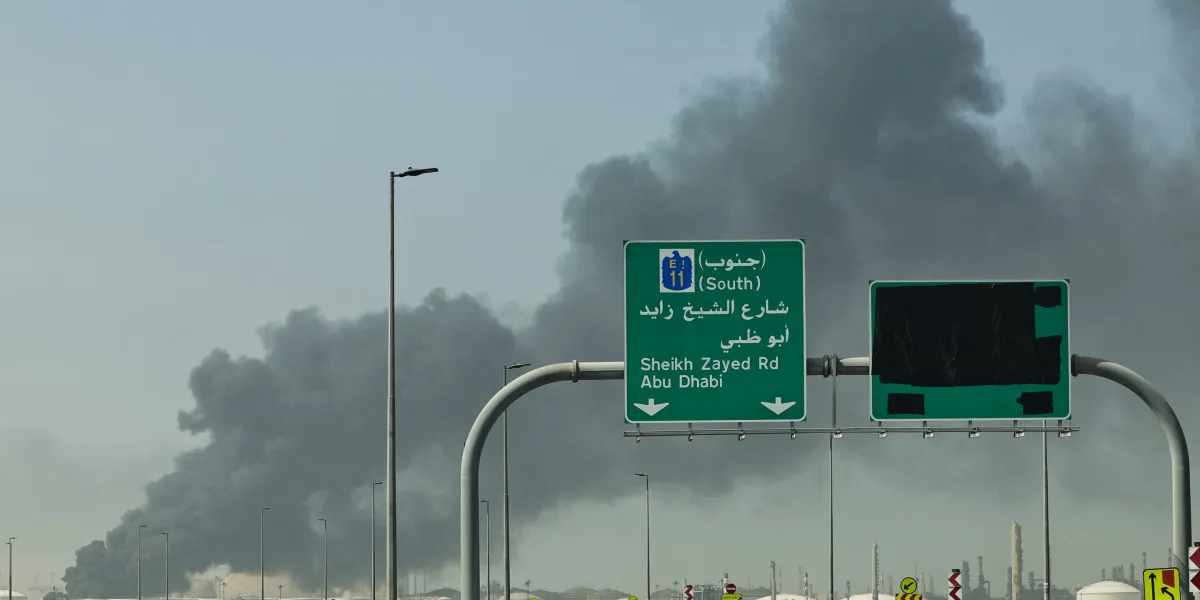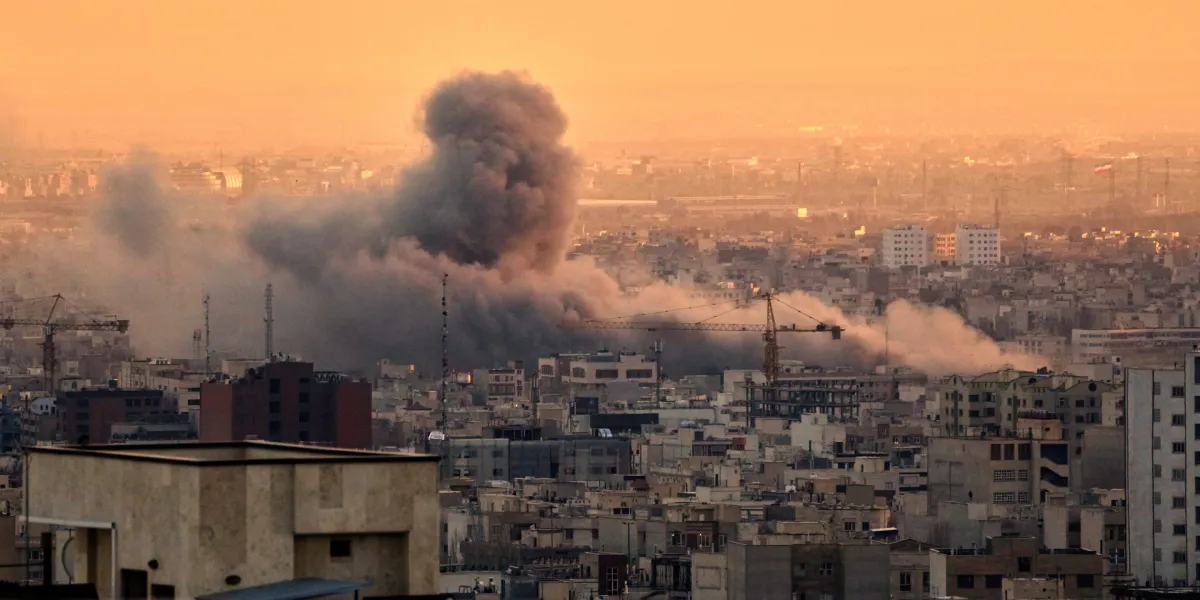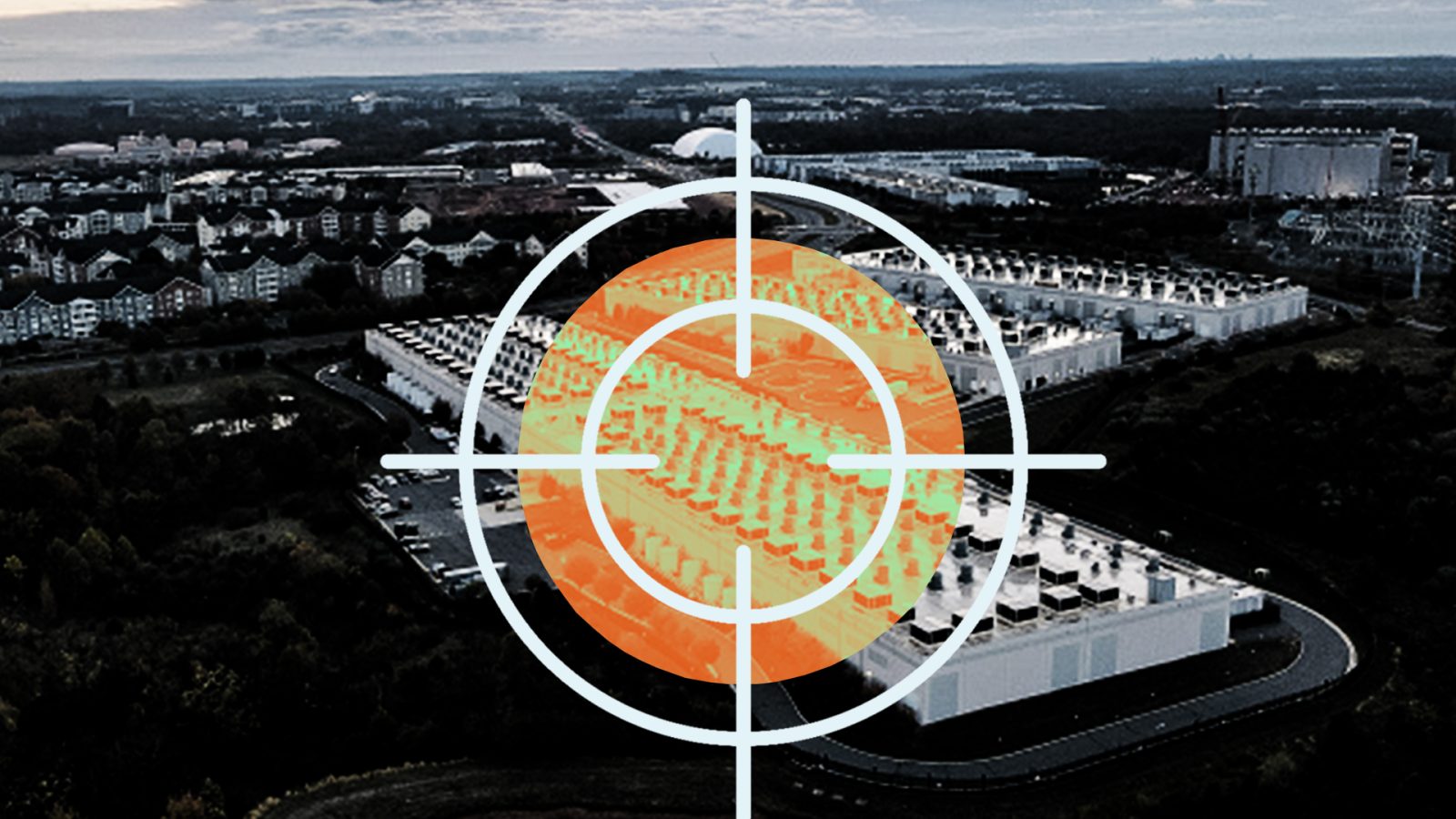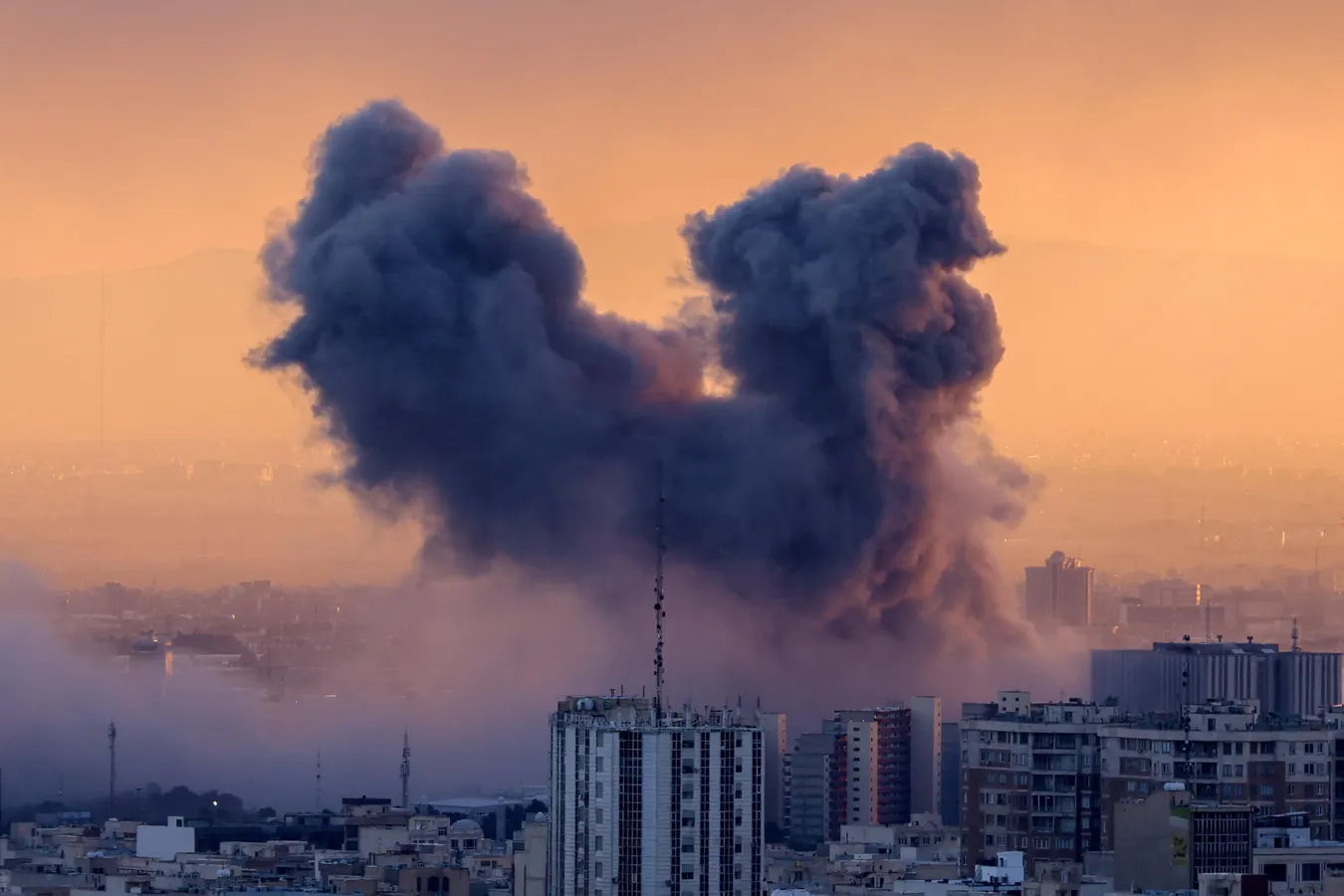
A plume of smoke rises after a strike on the Iranian capital Tehran, on March 3, 2026, the same week Iranian drones struck AWS data centers in Bahrain and the UAE—part of its escalation in attacks economic targets and US missions across the Middle East. The United States and Israel first launched strikes against Iran in February.ATTA KENARE / AFP via Getty ImagesThe AI boom created a colossal market for compute—GPUs, networking gear and the massive datacenters that run it all. It also bolstered a second less celebrated market: protecting those facilities and the crown-jewel chips inside from threats. On top of rising anti-data center sentiment stateside, the war in Iran has turned that problem into a line item. “Data centers are secondary targets right after obvious military sites,” says Matt McCrann, former executive at drone defense company DroneShield, who has worked with data centers in the U.S. and Middle East.That shift matters because the AI data centers being built these days aren’t just expensive—they’re also possible strategic infrastructure during times of war. Enemies don’t need to hit a military site to degrade an opponent’s capability; they can hit compute that potentially underpins communications, logistics, payments and even military planning. Executives in data center security tell Forbes that reality is driving an increased appetite for more hardened security—especially counter-drone capabilities—both in the Middle East and elsewhere. (The one gigawatt of existing capacity in the Middle East is set to triple via 2.2 GW under construction and another 12 GW in planning stages, per public real estate firm JLL.) Typically a[n insurance] policy excludes war. So if it's an active war, it’s not gonna be covered.
Middle East War Turns AI Data Center Security Into Its Own Boom
Here’s how the Iran war—and Iran’s drone attacks on Amazon data centers—is impacting how capital-intensive AI data center projects are thinking about security.
1,504 words~7 min read