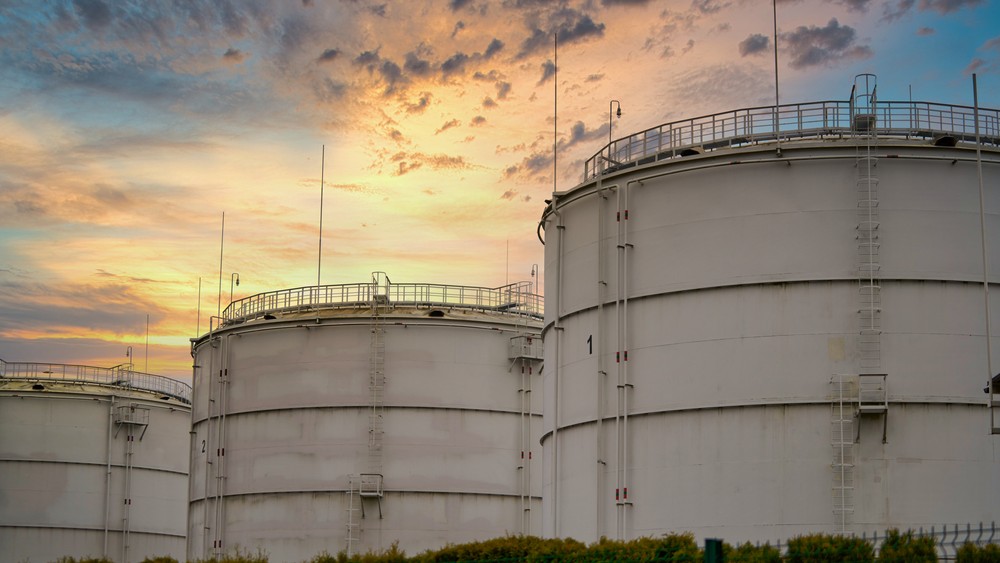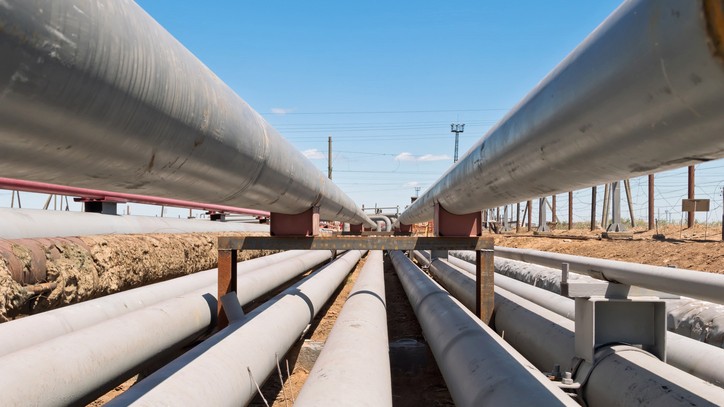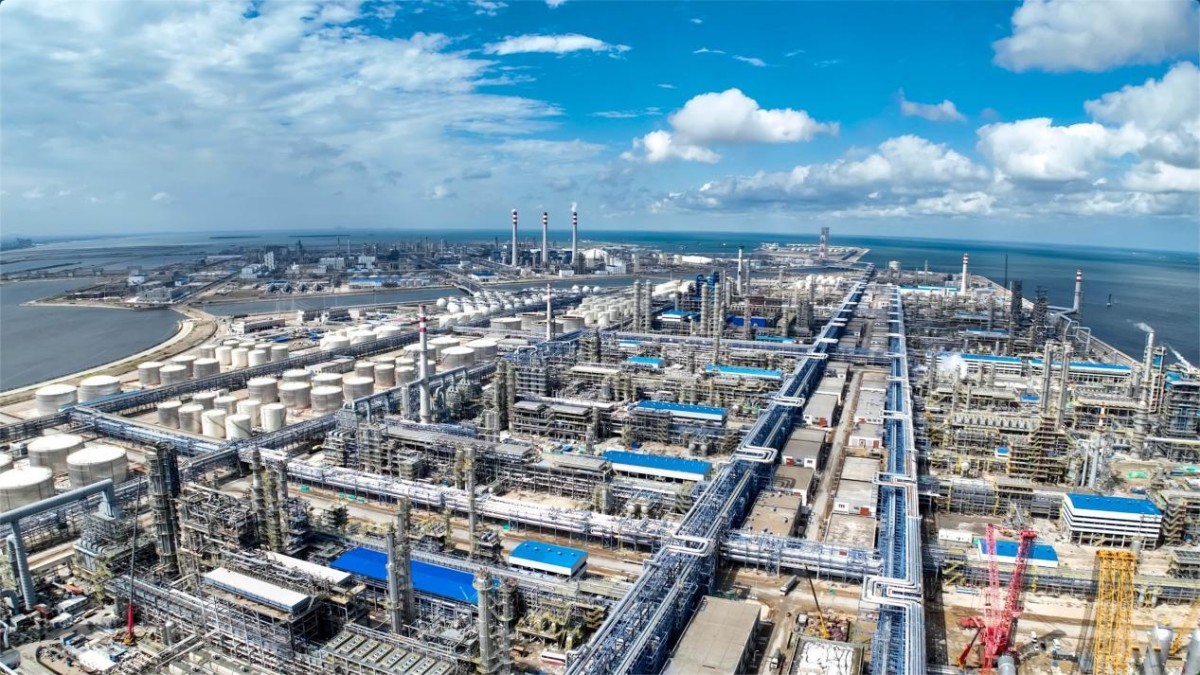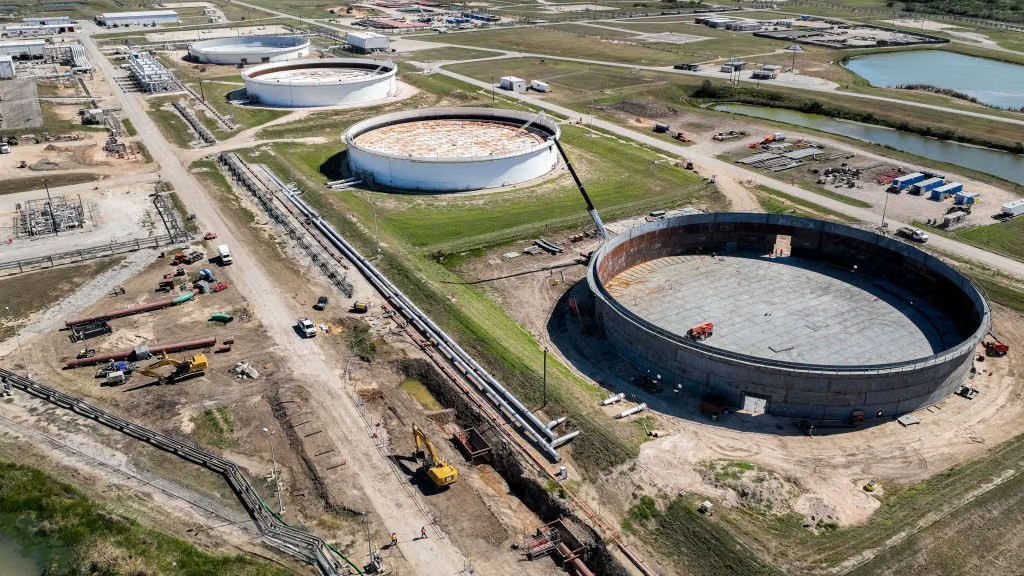
The energy industry’s latest panic is that it’s about to hit “tank bottoms” — the minimum amount of crude in storage required to keep the conveyor belt that goes from oilfields to refineries humming. As with every financial narrative, the story of the impending oil crisis contains a grain of truth — and ample hogwash.
Undeniably, the world has depleted a large chunk of its crude inventories over the last 150-plus days of oscillating war and peace. On average, global stocks, including commercial inventories and strategic petroleum reserves held by governments, dropped at a rate of nearly 3.9 million barrels a day from early March to late May. That’s an enormous quantity, equivalent to the daily demand of Germany and France.
The depletion of inventories lessened in June, as the Strait of Hormuz briefly reopened after the US and Iran signed a memorandum of understanding. But it rebounded in July as the deal collapsed, prompting Tehran to close the waterway again.All counted, the world has drained 400 million to 600 million barrels from its oil inventories, including barrels kept on tankers that act as floating storage facilities, according to my back-of-the-envelope math. That is, again, an enormous quantity that cannot be ignored. US President Donald Trump himself has expressed alarm, justifying the deal with Tehran in part because of the need to avoid a crunch in stored oil. “We run out of reserves in about four weeks,” he said on June 17. “We would really run out and there’ll be a time when you wouldn’t be able to get it. And do you want to see bedlam?”