00:00/00:00
您的浏览器不支持 audio 标签。
Listen to this article
1x
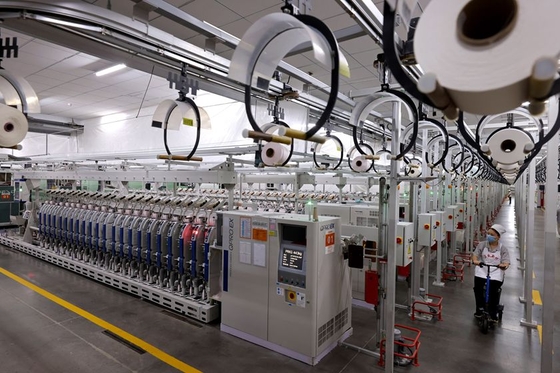
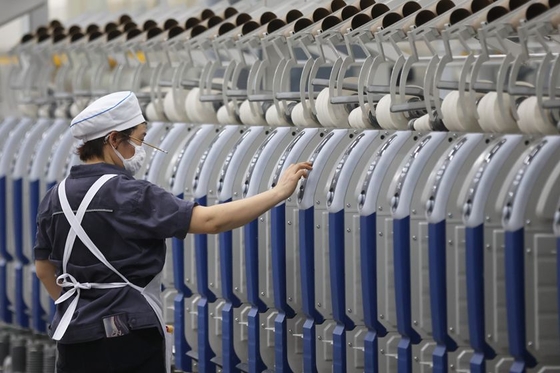
Workers inspect yarn production at a workshop in Zaozhuang, Shandong province, on July 15, 2026. Photo: VCG
As artificial intelligence drives a wedge between surging tech sectors and a collapsing real estate market, Beijing must use targeted fiscal policy and sovereign bonds to bridge the gap
China H1 2026 shows K-shaped shift: real estate and labor exports declining, AI and high-tech manufacturing rising. Growth pressured until new engines dominate by 2032; CTO leaders must recalibrate supply chains and prioritize advanced manufacturing and AI investments.
00:00/00:00
您的浏览器不支持 audio 标签。
Listen to this article
1x
Workers inspect yarn production at a workshop in Zaozhuang, Shandong province, on July 15, 2026. Photo: VCG
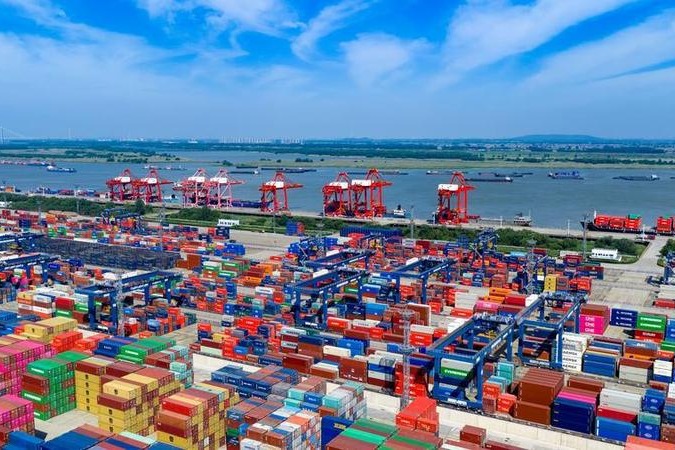
More patient policy framework for China's economy
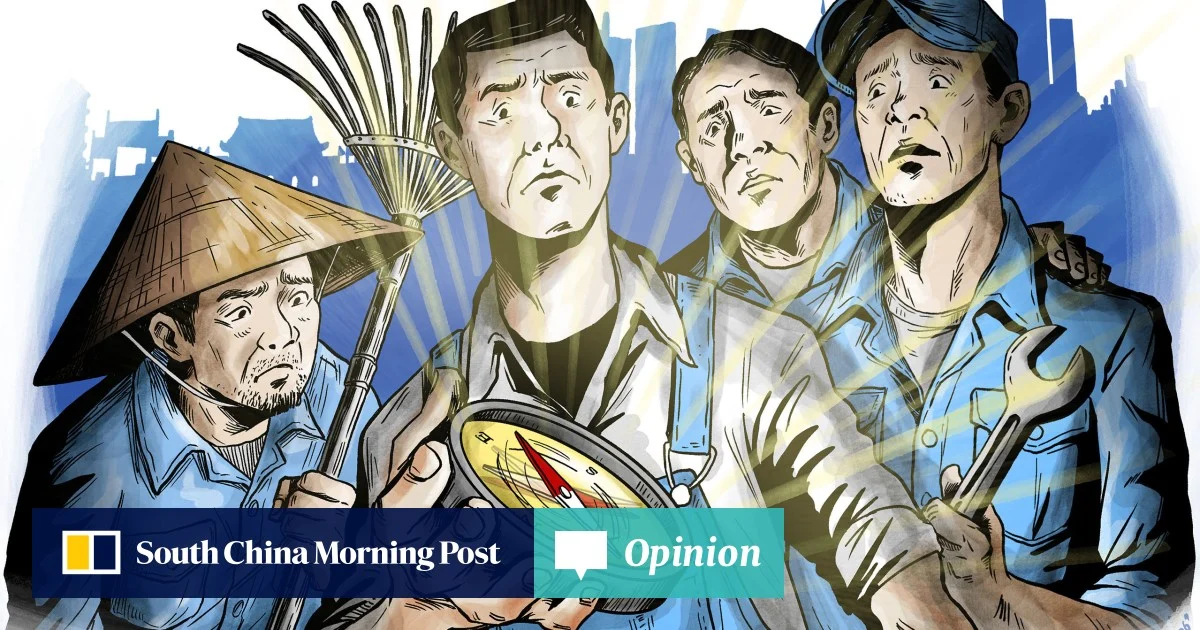
Opinion | China’s economic shift may hinge on what migrant workers do next
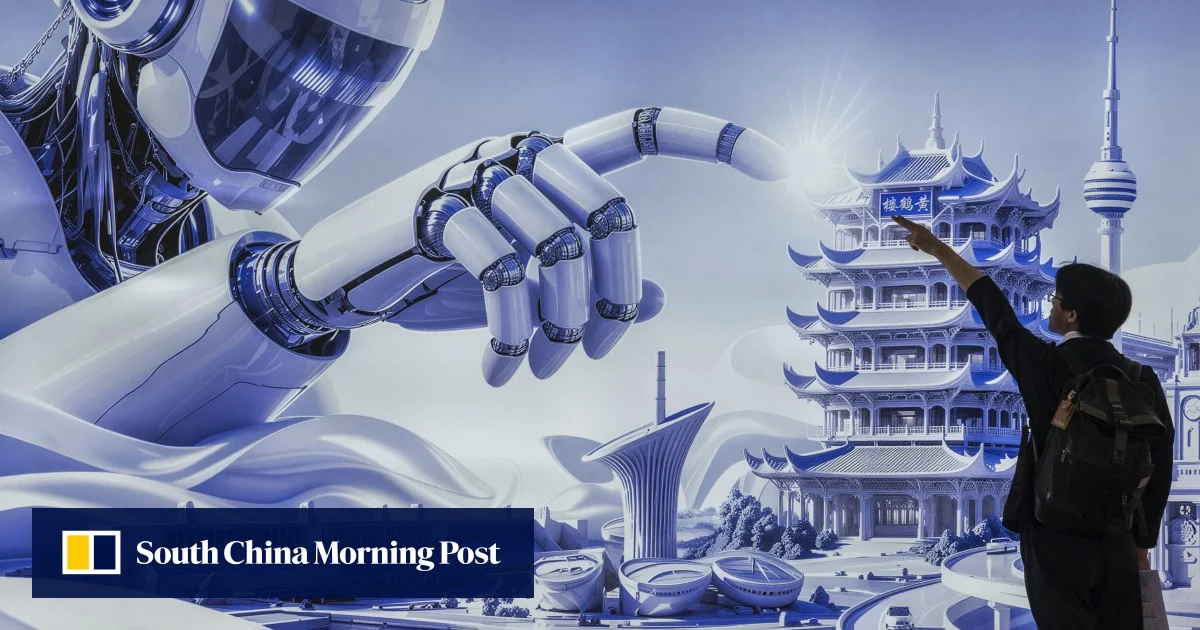
AI boom, factory gloom: China tech soars while traditional industries feel chill

Macroscope | Upper arm of China’s K-shaped economy both a blessing and a curse
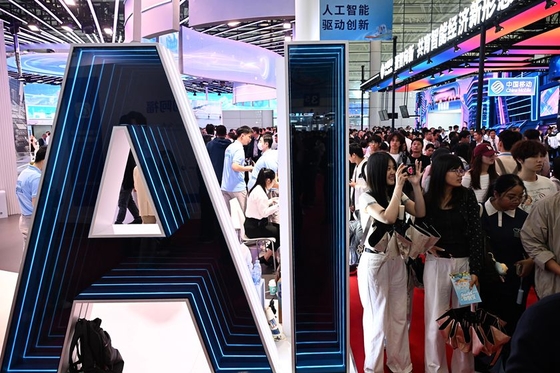
Beijing cannot rely on technological innovation alone to cure its deep-rooted macroeconomic imbalances. True recovery demands…
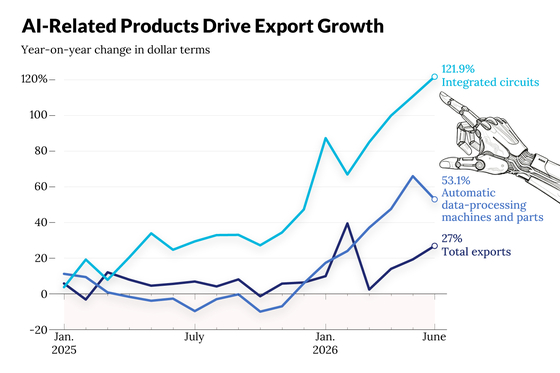
While the sector is temporarily rescuing industrial profits and boosting exports, it is also exacerbating structural inequalities…
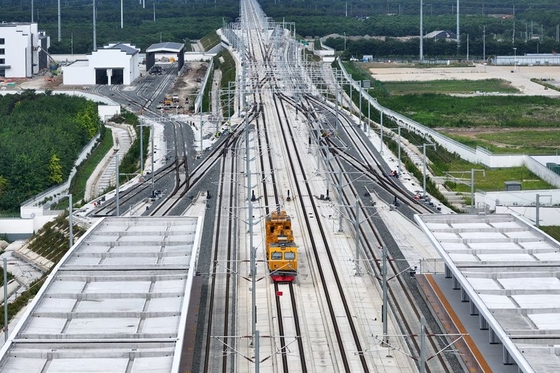
Infrastructure investment contracted by 2.4% in the first half of 2026. The slowdown reflects a fundamental pivot from physical…
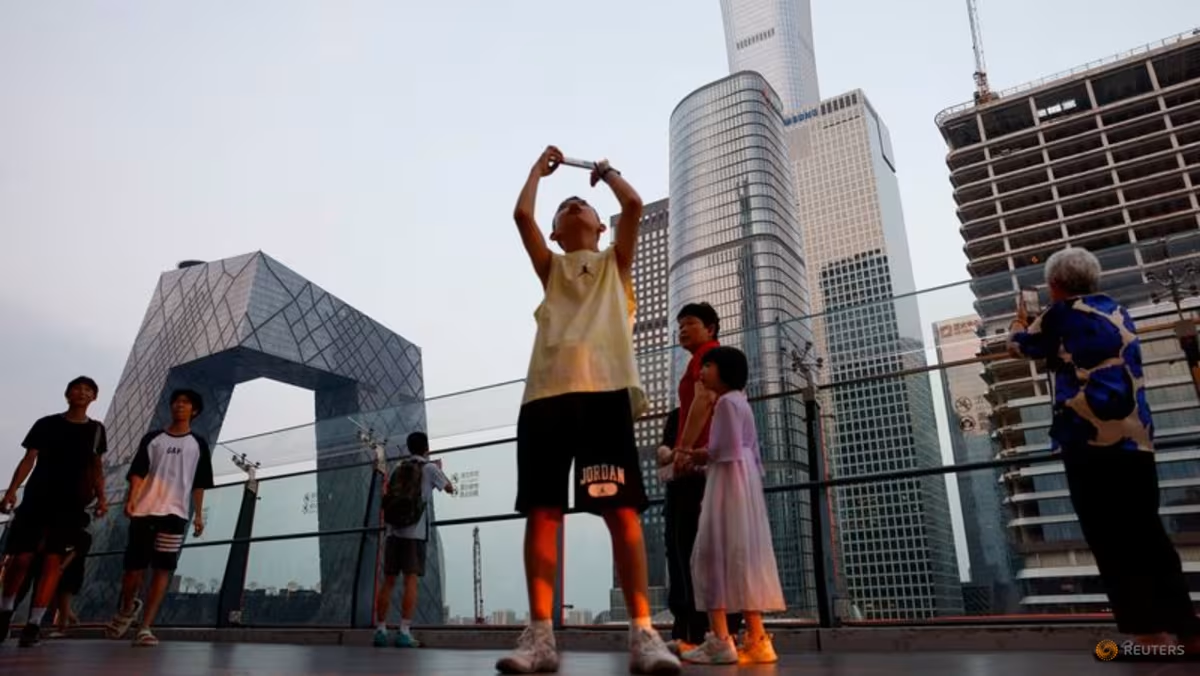
China cannot keep boosting only one part of the economic growth equation, says public policy professor Donald Low.
Despite a second-quarter slowdown, robust exports and booming tech innovation are keeping Beijing’s full-year growth target…
The Chinese mainland is producing high-quality goods at breakneck speed, but without structural changes to wage distribution,…